
Key Points:
- Proper winter roof soffit care is crucial to prevent expensive forms of structural damage by maintaining essential attic ventilation throughout the cold season.
- Watch for signs like sagging, water stains, or ice buildup on soffits, as these indicate damage or blocked ventilation needing immediate attention.
- Keep soffit vents clear of debris, snow, and ice to ensure proper airflow, essential for preventing moisture buildup and destructive ice dams.
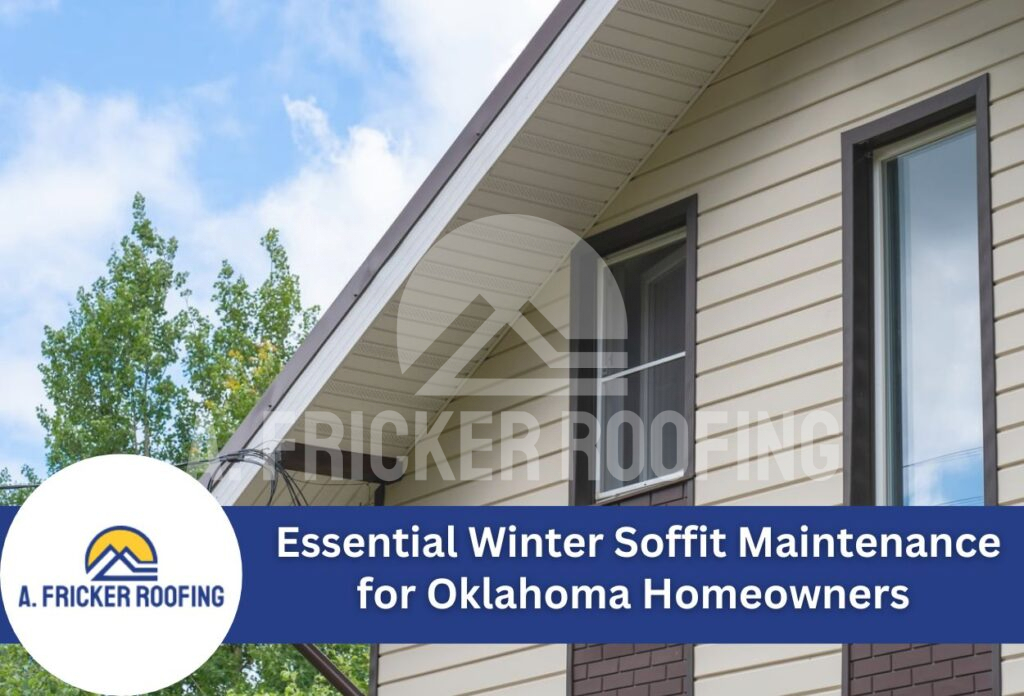
Winter roof soffit care becomes critical when temperatures drop, and harsh weather conditions threaten the structural integrity of Oklahoma homes. Soffits serve as the protective barrier between outdoor elements and attic spaces, making their maintenance essential for preventing expensive winter damage. These horizontal panels beneath roof eaves play a vital role in maintaining proper ventilation throughout the home, which regulates temperature and moisture levels throughout the coldest months.
Neglecting soffits during the winter can lead to serious complications, including ice dam formation, compromised winter attic ventilation, and structural damage that extends far beyond the roofing system. Regular soffit inspections help catch problems before they turn into expensive repairs. Common winter-related soffit issues include blocked ventilation openings, damaged panels from freeze-thaw cycles, and moisture infiltration that can cause wood rot and insulation problems.
Preventing ice dam damage starts with ensuring soffits maintain the right amount of airflow in a home, while soffit repair in cold weather requires specific techniques and materials designed for low-temperature installation.
Signs Your Soffits Need Immediate Attention in Winter
Recognizing early warning signs of soffit problems during winter can prevent extensive damage to roofing systems and attic spaces. Visual indicators become more apparent as cold weather stresses these critical components, making roof soffit inspection particularly important during seasonal transitions.
Damaged or deteriorating soffits often display visible sagging, cracking, or separation from the roofline. Peeling paint, water stains, or discoloration around soffit areas signal moisture infiltration that becomes worse during freeze-thaw cycles. These visual cues indicate compromised winter roof soffit care that requires immediate attention.
Inadequate soffit ventilation makes itself evident through ice formation along the roof’s edge, typically paired with icicle development. This imbalance leads to poor attic ventilation, which then leads to ice dam formation, where melted snow refreezes at the roof’s edges. Additional warning signs include frost accumulation in attic spaces, unusually high heating bills, and condensation problems throughout the home.
Proper Soffit Ventilation During Cold Weather
Maintaining adequate airflow through the soffits during winter prevents moisture buildup and regulates attic temperatures that can cause significant structural problems. Proper winter attic ventilation allows cold air to enter through soffit vents while warm air escapes through ridge or exhaust vents, creating continuous air circulation that prevents condensation and ice formation.
When soffit ventilation maintenance is neglected, warm air becomes trapped in attic spaces, causing snow to melt unevenly on roof surfaces. This melted snow refreezes at colder roof edges, creating ice dams that can damage gutters, shingles, and underlying roof structures. Adequate ventilation through soffits helps maintain consistent roof temperatures, preventing ice dam damage by keeping the entire roofing surface at similar temperatures.
Blocked soffit vents commonly occur when debris, leaves, or snow accumulates in ventilation openings during winter storms. Regular soffit and roof inspections reveal these blockages before they compromise airflow systems. Ice buildup can seal ventilation openings completely, requiring careful soffit repair in cold weather to restore proper function without damaging surrounding materials.
Clearing blocked vents involves removing visible debris and ensuring ventilation screens remain intact and unobstructed. This involves checking that insulation hasn’t shifted to block interior vent openings, maintaining the continuous airflow path.
Preventing Ice Dam Formation Through Soffit Care
Proper soffit ventilation maintenance creates the foundation for preventing ice dam damage by maintaining consistent roof temperatures throughout the winter. When soffits function correctly, they allow cold air to flow into attic spaces while warm air escapes through exhaust vents, preventing the temperature variations that cause snow to melt and refreeze at roof edges.
Ice dams form when poor attic ventilation and insulation allow heat to accumulate in attic spaces, warming the roof surfaces unevenly. Snow melts on warmer sections of the roof, then refreezes when it reaches colder areas near the eaves. This ice continues to build up, blocking proper drainage and forcing water under shingles, creating leaks and structural damage that can extend throughout the home.
Effectively caring for a soffit in winter roof care requires maintaining the proper balance between intake and exhaust ventilation. Soffits provide the intake component, drawing fresh air into attic spaces, while ridge vents or other exhaust points allow hot air to escape. When this system operates correctly, the roofing surfaces maintain uniform temperatures that prevent the melting and refreezing cycle responsible for ice dam formation.
Winter Inspection Techniques for Roof Soffits
Conducting a thorough roof soffit inspection during the winter requires careful planning and safe techniques that protect both the inspector and the soffit system itself. Ground-level examination provides the safest approach for winter roof soffit care, using binoculars or telescoping tools to assess soffit conditions without climbing ladders on icy surfaces or unstable ground.
Visual inspection from ground level can reveal critical issues, including damaged panels, blocked ventilation openings, and ice accumulation that indicates poor attic ventilation. Look for sagging or separated soffit sections, water stains, and visible gaps where cold air might enter living spaces. Ice buildup around soffit areas often signals ventilation problems that require immediate attention.
Focus inspection efforts on ventilation screens and openings, checking for debris, snow blockages, or damage that compromises soffit vents. Dark staining around vents may indicate moisture problems, while frost or ice formation suggests inadequate airflow that contributes to ice dam formation. Document problem areas with photos for reference when planning soffit repair in cold weather.
Soffit Repair Strategies for Cold Weather
When winter storms damage soffits or extreme cold weather creates urgent ventilation problems, implementing effective emergency repair strategies becomes essential for protecting homes from further damage. Temporary solutions provide immediate protection, while permanent soffit repair in cold weather waits for improved weather conditions.
Emergency repairs focus on restoring basic protection and maintaining the functional abilities of the attic in winter. Temporary patches using weather-resistant materials can seal damaged soffit sections, preventing moisture infiltration and maintaining structural integrity. Clearing blocked ventilation openings immediately restores airflow needed to prevent ice dam damage, even when comprehensive repairs must wait for warmer temperatures.
When it comes to handling repairs in the winter, it’s important to identify all damaged areas, determine repair priorities, and secure the appropriate materials that are designed for cold-weather installation. Professional contractors can assess complex damage and develop repair strategies that restore proper soffit ventilation maintenance once conditions improve.
Preparing for spring repairs involves protecting damaged areas from additional winter weather exposure while maintaining essential ventilation functions. Document all damage thoroughly and create repair timelines that address critical issues first, ensuring permanent repairs are made when it begins to warm up.
Protecting Your Investment Through Seasonal Soffit Maintenance
Establishing a comprehensive maintenance schedule ensures soffits continue functioning properly throughout winter’s harsh conditions while protecting the substantial investment homeowners make in their roofing systems. Systematic winter roof soffit care involves regular monitoring periods that identify potential problems before they develop into expensive repairs or structural damage.
A structured maintenance timeline begins with a pre-winter roof soffit inspection during late fall, followed by monthly checks throughout cold months to monitor soffit ventilation maintenance performance. This proactive approach allows homeowners to address minor issues before severe weather creates conditions that make existing problems worse or prevent safe repair.
Professional roofing contractors possess the specialized knowledge and equipment necessary for complex soffit repair in cold-weather situations that exceed typical homeowner capabilities. Extensive damage, structural modifications, or electrical work related to ventilation systems require professional expertise to ensure proper installation and code compliance.
Scheduling a professional assessment becomes essential when preventing ice dam damage requires system modifications, multiple soffit sections need replacement, or winter attic ventilation problems indicate broader roofing system issues. Professional contractors can evaluate comprehensive solutions that address underlying causes rather than temporary fixes, ensuring long-term protection for your investment through proper seasonal maintenance strategies.
Ensure Your Home’s Safety with Expert Winter Soffit Care
In winter the importance of maintaining your roof soffits cannot be overstressed. Proper soffit care is essential to prevent expensive damage, such as ice dams, and to ensure optimal attic ventilation during cold weather. At A. Fricker Roofing and Waterproofing, we specialize in identifying and addressing winter-related soffit problems that could affect your home in Tulsa and the surrounding areas.
Don’t wait for soffit issues to become worse. Contact A. Fricker Roofing and Waterproofing today at (918) 402-7167 to schedule a thorough inspection and ensure your soffits are prepared for the winter months. Protect your investment and keep your home safe and dry through our expert soffit maintenance services.