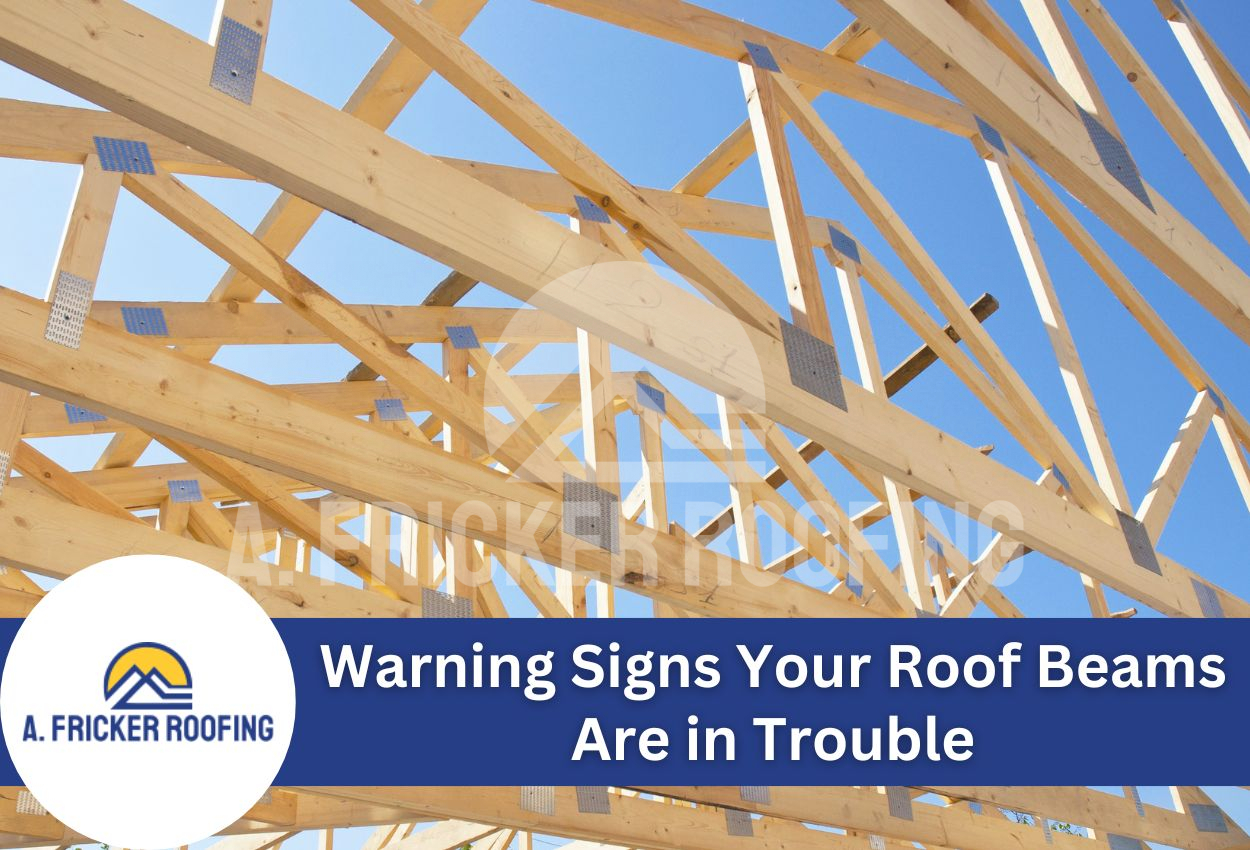

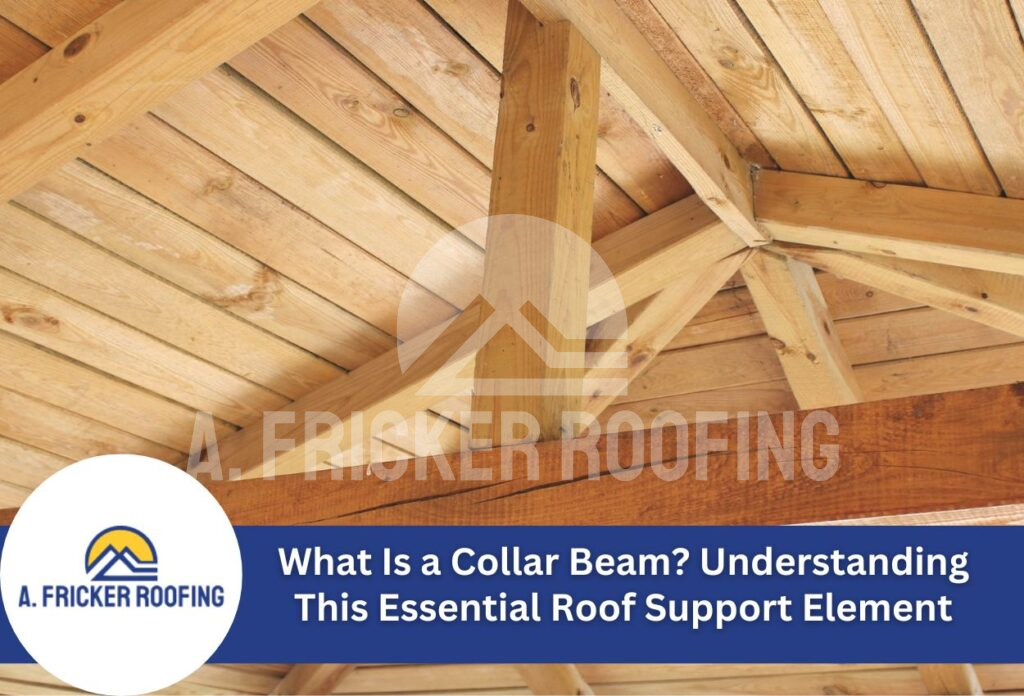

A collar beam is a horizontal structural member that connects opposing rafters in a roofing system, providing essential lateral support and preventing uplift forces from removing the roof of your home. When properly installed, this important part of your roof helps maintain the structural integrity of the entire roofing system, something our Tulsa roofing experts consider vital for long-lasting performance.
Unlike other supporting features of the roof, collar beams are strategically positioned in the upper third of the roof structure. This placement creates optimal stability while preserving usable attic space below—a feature many homeowners appreciate when considering future storage or living area possibilities.
Collar beams are sometimes confused with rafter ties, but they serve different purposes in roof construction. While both are horizontal members that connect opposing rafters, their placement and primary functions differ significantly. Understanding these differences is important when assessing your roof’s structural design or planning renovations that might affect your attic space.
For Oklahoma homeowners dealing with our region’s unique weather, properly installed collar beams significantly contribute to a roof’s ability to withstand wind, snow loads, and other stresses that might otherwise compromise the structure over time.
The Critical Function of Collar Beams in Roof Structures
Collar beams, also called collar ties, serve as essential structural components that distribute forces across the entire roofing system. These horizontal members connect opposite rafters, effectively counteracting the outward thrust that naturally occurs at the top of your roof. Without proper collar beam installation, this outward pressure could gradually push your walls apart, compromising your home’s structural integrity, causing a major concern for Tulsa homeowners facing seasonal weather extremes.
When professionally installed in a roof truss construction, collar beams work in harmony with rafters, ridge boards, and wall plates to maintain the roof’s designed shape. This integrated system prevents sagging and maintains the roof’s structural durability against Oklahoma’s challenging weather conditions. The strategic placement of collar beams creates a triangulated structure that significantly enhances overall roof stability.
When framing the attic with collar beams, these supports allow for more usable space below while still providing crucial structural reinforcement. This balance between function and practicality makes collar beams particularly valuable in modern roof construction. Unlike rafter ties that must be positioned lower in the structure, collar beams can be placed higher, giving homeowners more flexibility with their attic space while maintaining structural integrity.
For Tulsa homes, properly designed and installed collar beams help extend a roof’s lifespan by preventing the gradual deformation that can lead to expensive repairs or a premature roof replacement.
Collar Ties vs. Rafter Ties: Understanding the Difference
One of the most common areas of confusion in roof construction involves collar ties and rafter ties. Though they may appear similar, these structural elements serve distinctly different purposes in your roof system. Collar ties are installed in the upper third of the roof’s structure, connecting opposing rafters to resist wind uplift forces that might otherwise damage your roof during Oklahoma’s severe weather events. They help stabilize the roof against the lifting and twisting forces that come with Tulsa’s occasionally fierce winds.
Rafter ties are positioned at the bottom of the rafters, typically at the ceiling joist level. Their primary purpose is to prevent the walls from spreading by counteracting the outward thrust that occurs as the heavy weight on the roof pushes down and outward on the exterior walls. Without rafter ties, your home’s walls could gradually push outward as the roof collapses inward, potentially causing significant structural damage over time.
The placement height creates this functional difference. A collar beam installed too low will not effectively resist wind uplift, while a rafter tie positioned too high cannot adequately prevent collapse. This distinction is critical when building or renovating a roof structure. Tulsa roofing professionals understand that proper installation of both elements according to building codes ensures your roof can withstand our region’s diverse weather challenges while maintaining structural integrity for decades.
Collar Beams in Modern Roof Design
In today’s engineered roofing systems, collar beams have evolved significantly from their traditional forms. Modern builders and engineers precisely calculate collar beam dimensions and placement to provide optimal support while minimizing material usage. This scientific approach creates roofing structures that are both remarkably strong and efficiently designed, making the most of building materials while ensuring structural integrity that can withstand Tulsa’s weather conditions.
While the fundamental principles remain unchanged, contemporary roof truss designs often incorporate collar beam concepts under different terminology. You might hear terms like “compression members” or “collar ties” in modern building plans. These modified designs achieve similar structural benefits but are optimized for today’s construction methods and materials. Many pre-fabricated truss systems integrate the collar beam function directly into their engineered design, creating unified structural systems.
For Tulsa homeowners, modern collar beam use for roof trusses translates to more spacious attics, better energy efficiency, and roofs that maintain their structural integrity longer. Professional roofing contractors understand how these engineered systems distribute forces of pressure throughout the roof’s structure, ensuring that each part works together to create a resilient system that stands up to Oklahoma’s challenging weather patterns while providing the structural support your home needs.
How Collar Beams Enhance Attic Usability
When designed properly, collar beams offer homeowners a significant advantage beyond structural support. They create valuable space that can be used in your attic. Unlike rafter ties that must be positioned at the ceiling joist level, collar beams should be installed higher while still providing essential lateral support. This strategic positioning creates substantially more headspace in attic spaces, transforming what might otherwise be cramped storage into functional areas.
For Tulsa homeowners looking to maximize their property’s square footage, properly installed collar beams can support limited attic floor systems. This creates opportunities for storage solutions or even potential living spaces without compromising the structural integrity of your roof. The triangulation formed by collar beams with your rafters creates sufficient strength to accommodate light to moderate loads while maintaining the roof’s designed shape and function.
Converting attic space into usable areas requires careful planning with a qualified roofing professional. Factors such as insulation, ventilation, and access must be considered alongside the structural capabilities of the roof. Our Tulsa roofing experts can evaluate your existing roof structure to determine if your collar beams can support additional attic utilization or if modifications might be necessary to achieve your space-maximizing goals while maintaining the structural integrity that protects your entire home.
Best Practices for Installing Collar Beams
Proper collar beam installation requires careful attention to sizing, spacing, and connection methods to ensure these critical structural elements perform effectively. In Tulsa’s climate, where temperatures can fluctuate dramatically between seasons and severe weather events occur periodically, correctly installed collar beams provide essential stability to roofing structures. The dimensions of collar beams must be proportional to the span they’re supporting, with larger homes typically requiring thicker beams to distribute forces appropriately.
Spacing between collar beams directly impacts the strength of the roof. While standard practice suggests placing collar beams every 4 to 6 feet along the rafters, the frequency of high wind events may require closer spacing in some roof designs. The connection method is equally important, as collar beams must be securely fastened to rafters using appropriate hardware rather than just nails, creating joints that can withstand forces of both compression and tension.
Professional installation ensures collar beams are positioned at the optimal height, which is generally in the upper third of the roofing structure. This placement creates the most effective resistance while preserving usable attic space. Experienced roofers understand that collar beams must align with local building codes regarding load requirements and structural specifications. They’ll also verify that collar beams work harmoniously with other roofing components, creating an integrated system capable of withstanding Oklahoma’s diverse weather conditions for decades to come.
Common Problems and Solutions for Collar Beam Structures
Even well-constructed collar beams can develop issues over time, especially in Tulsa homes exposed to extreme weather conditions. Recognizing the warning signs of failing collar beams is crucial for preventing extensive structural damage. Watch for sagging rooflines, which indicate the collar beams may no longer be effective. If your exterior walls show signs of spreading or you notice cracks forming in the ceiling drywall near attic access points, these could be telltale indicators that the collar beams are compromised.
Fortunately, most collar beam problems can be addressed before they lead to catastrophic roof failure. Retrofitting or reinforcing existing collar beams is often a cost-effective solution, particularly in older Tulsa homes built before current building code requirements. This process might involve installing additional collar beams between existing ones, replacing damaged members, or strengthening connections with modern hardware designed to resist both tension and compression.
For homes with undersized collar beams, professional roofers can install sister beams alongside the originals, effectively doubling their strength without major structural modifications. In cases where collar beams were installed too high to properly resist spreading forces, supplemental rafter ties might be recommended at lower positions. These targeted improvements can significantly extend the lifespan of the roof and improve structural performance without the expense of a complete roof rebuild, giving Tulsa homeowners peace of mind during our seasonal storms and high winds.
Expert Collar Beam Installation by A. Fricker Roofing and Waterproofing
If you’re concerned about the structural integrity of your roof or planning a new construction, don’t overlook the importance of professionally installed collar beams. At A. Fricker Roofing and Waterproofing, we specialize in enhancing the durability and functionality of your roof with expert collar beam solutions tailored for Tulsa homes. Whether you’re dealing with sagging rooflines, need to retrofit old structures, or are constructing a new home, our skilled team ensures your roof is equipped to handle all weather conditions while maximizing attic space.
Don’t wait for the problem to worsen. Call us today at (918) 402-7167 to schedule a consultation and ensure your home’s safety and value with the right roofing solutions.