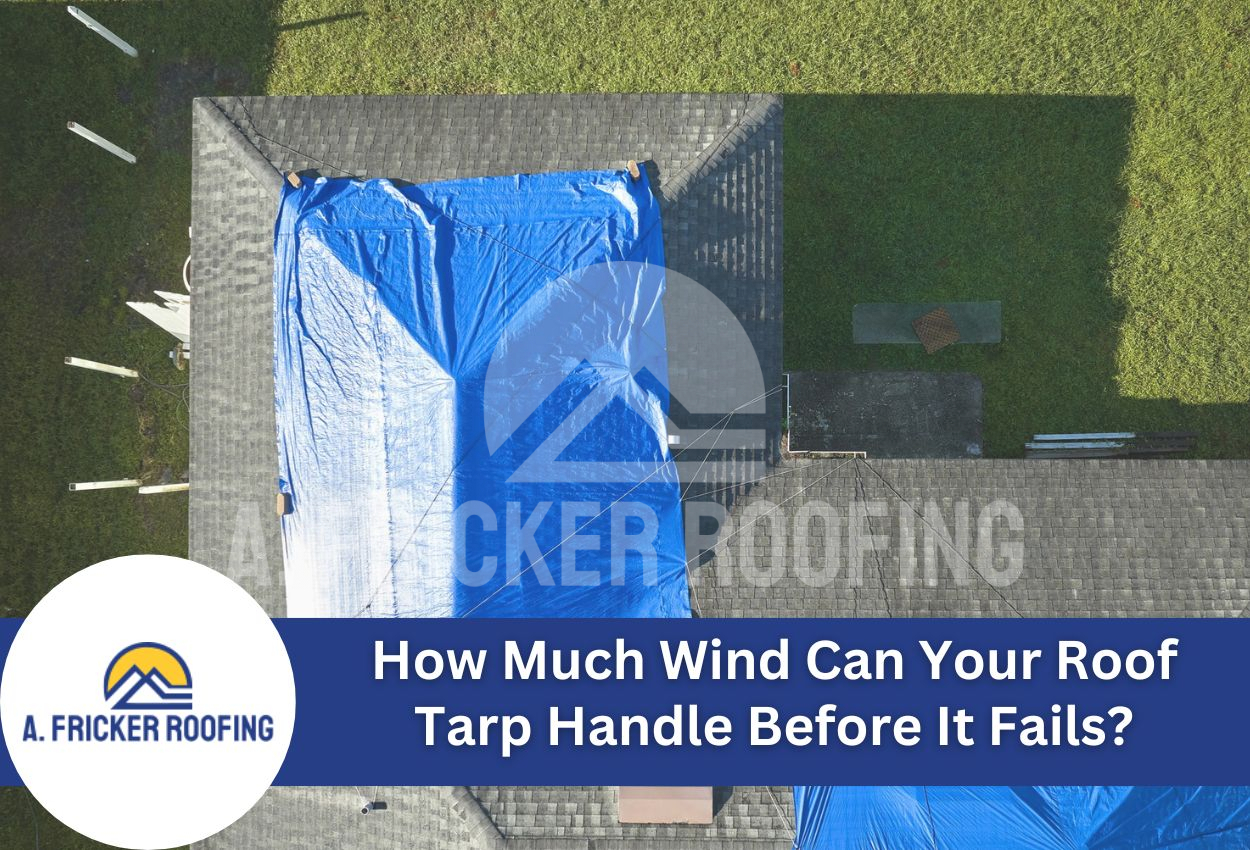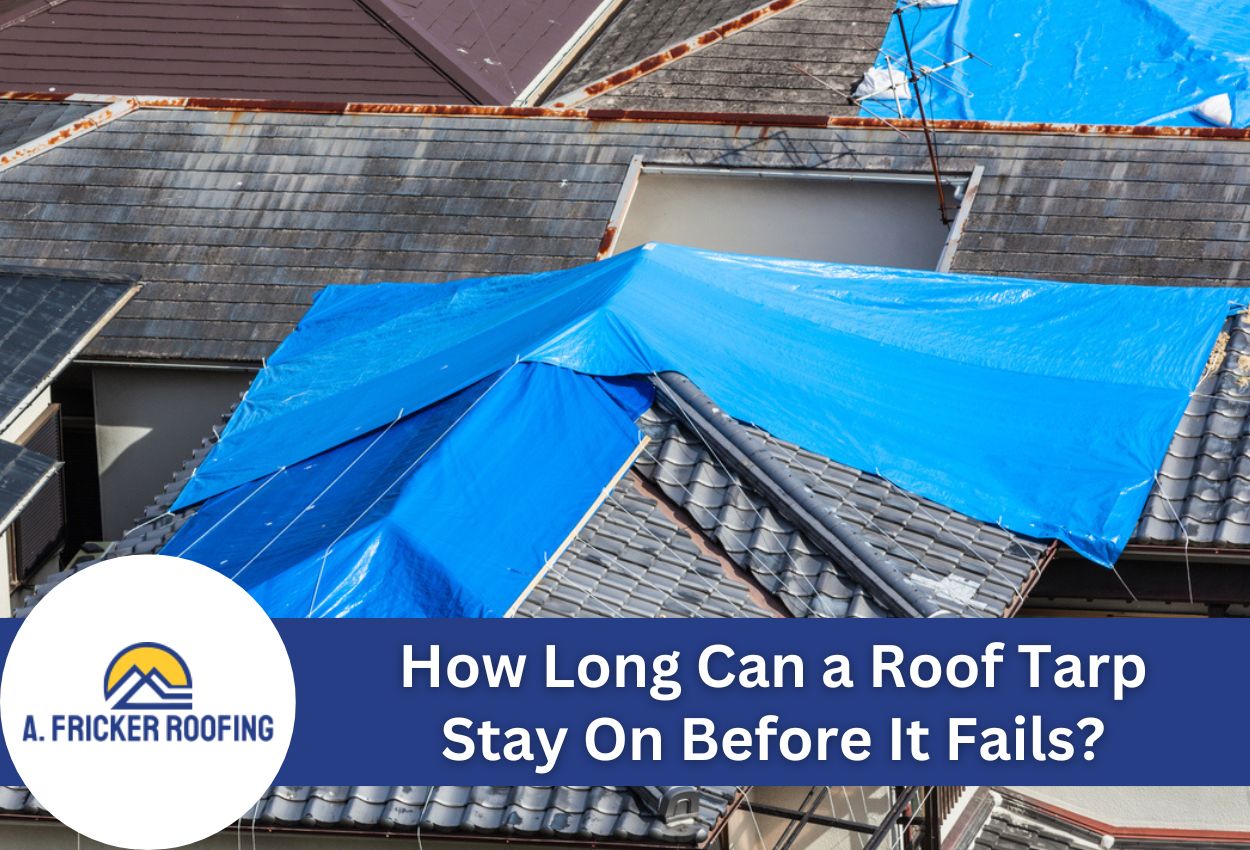


A roof tarp should stretch a minimum of 4 feet beyond the damage on all sides. Add 8 feet to both the length and width of the damaged section to get the minimum tarp dimensions before adjusting for pitch. That extra material is not wasted. It is what keeps wind from peeling the tarp back and water from sneaking underneath while you wait for repairs.
In Tulsa, getting this right quickly matters. April through June is the highest-risk period for roof storm damage from hail, straight-line winds, and tornadoes. Storms can move through fast, and homeowners often need to make tarp sizing decisions the same day damage happens.
*Please note, price ranges listed in this article may not reflect the final cost of your project. Prices are subject to change based on various factors such as local labor rates, material quality, and more. All costs established in this article are rough estimates based on average industry rates.
How Do You Measure Your Roof to Find the Right Tarp Size?
Measure the damaged area’s length and width in feet, add 4 feet to every side, then round up to the nearest standard tarp size. That 4-step process measure, buffer, adjust for pitch, round up is how to measure a roof for tarp correctly without buying material that falls short.
- Step 1: Measure the damaged section. Walk the perimeter of the compromised area and record the length and width in feet. Measure only the damaged section, not the entire roof.
- Step 2: Add a 4-foot buffer on every exposed side. A minimum 4-foot margin on all sides keeps wind from lifting the edges. The tarp must also extend at least 4 feet past the roof ridge so it can be anchored securely on the opposite slope.
- Step 3: Adjust for roof pitch. Any roof steeper than 6:12 requires 12% to 41% more tarp material than the flat footprint measurement shows, depending on the exact pitch. Use the specific multipliers in the pitch section for accuracy. The actual surface running up and down a slope is longer than what you measure from the ground.
- Step 4: Round up to a standard size. Common retail tarp sizes are 10×12, 12×16, 16×20, 20×30, and 30×50 feet. Always go to the next size up. Never cut down to fit.
Buying one size too high costs a few extra dollars. Buying one size too small can cost hundreds more in water damage before repairs are completed. When in doubt, round up twice.
What Size Tarp Do You Need for Common Tulsa Home Roof Sizes?
A roof tarp sizing guide for storm damage starts with one key fact: a 1,500 sq ft home footprint requires a minimum tarp coverage of roughly 1,725 sq ft after accounting for a standard 4:12 pitch slope, which typically means two 20×30 ft tarps or one oversized option for full coverage. Heavy-duty polyethylene tarps at 6 mil or heavier are the standard recommendation for Tulsa’s wind and hail damage roof repair exposure. Lighter tarps can tear or peel back in the high winds that follow severe storms.
| Home Footprint (sq ft) | Estimated Roof Surface (4:12 pitch, ×1.05) | Recommended Minimum Tarp Size | Number of Tarps Needed |
|---|---|---|---|
| 1,000 sq ft | 1,150 sq ft | 20×30 ft (600 sq ft each) | 2 tarps |
| 1,500 sq ft | 1,725 sq ft | 20×30 ft (600 sq ft each) | 3 tarps |
| 2,000 sq ft | 2,300 sq ft | 30×50 ft (1,500 sq ft each) | 2 tarps |
| 2,500 sq ft | 2,875 sq ft | 30×50 ft (1,500 sq ft each) | 2 tarps |
| 3,000 sq ft | 3,450 sq ft | 30×50 ft (1,500 sq ft each) | 3 tarps |
Most Tulsa single-family homes built between 1950 and 1990 fall in the 1,200 to 2,000 sq ft footprint range. For partial storm damage in that range, a 20×30 ft tarp, one of the most commonly purchased sizes in this market, handles many localized damage situations on its own. Always size up when 2 tarp sizes seem close, because overlap and anchoring margins eat into usable coverage fast. A tarp that falls short by even a few feet can allow leaks to form along an entire roof section.
Does Roof Pitch or Damage Location Change How Much Tarp You Need?
Yes, roof pitch alone can increase the tarp area you need by 5% to 41% over your ground-level footprint measurement. A 4:12 pitch adds about 5% to surface area, a 6:12 pitch adds about 12%, an 8:12 pitch adds about 20%, and a 12:12 pitch adds about 41%. Measure your footprint first, then multiply by the appropriate factor before choosing a tarp size. Skipping this step is one of the most common reasons a tarp comes up short.
How Damage Location Adds to the Size Calculation
Where the damage sits on the roof changes how much tarp you need just as much as the pitch does. Ridge damage requires the tarp to drape over both sides of the peak by at least 4 feet per side, adding 8 or more feet to the required length before you even account for the damaged area itself. Edge or eave damage is a different problem. The tarp must extend past the drip edge by at least 4 feet so water gets directed away from fascia boards and siding rather than running behind them.
Why Tulsa’s Windstorms Affect Tarp Material Needs
Straight-line winds during Tulsa’s spring storms regularly exceed 60 mph, which means a tarp held down with bungee cords will fail. Tarps must be secured using 2×4 boards screwed directly into the roof decking. That fastening method requires extra tarp material along every edge for wrapping and anchoring. Plan for at least an additional foot of overlap on each side beyond your calculated coverage area. Buying slightly more tarp than the math suggests is far cheaper than replacing a tarp that blew off overnight.
Should You Buy a Tarp Yourself or Hire a Contractor and What Does Each Cost?
Professional emergency roof tarp installation in Tulsa typically runs $200 to $600, while a DIY tarp costs $30 to $150, but leaving a damaged roof uncovered can lead to $2,000 to $10,000+ in water damage remediation costs. If you are wondering how much tarp do I need to cover my roof and whether to install it yourself, that cost gap is the most important factor in your decision.
| Option | Typical Cost Range | Time to Protect Roof | Expected Coverage Duration | Primary Risk or Savings Factor |
|---|---|---|---|---|
| DIY tarp purchase | $30 to $150 | 2 to 4+ hours | 30 days (3 mil) to 90 days (6 to 10 mil) | Low upfront cost: improper installation risks tarp failure in high winds |
| Professional tarp installation | $200 to $600 (labor and materials) | 1 to 2 hours | 90 days under normal conditions (6 to 10 mil heavy-duty) | Proper anchoring: documentation for insurance claims |
| Delayed action (no tarp) | $2,000 to $10,000+ | No protection | N/A | Interior leaks: mold risk. Potential claim denial |
Tarp quality changes how long your protection lasts. Heavy-duty polyethylene tarps at 6 to 10 mil can stay effective for 90 days, while lighter 3 mil tarps may degrade or fail within 30 days under Tulsa’s summer UV exposure and wind. Oklahoma insurance adjusters commonly require documented emergency mitigation efforts, including photos of tarp installation before approving interior damage insurance claims, so professional installation creates a paper trail that a rushed DIY job may not. Spending $200 to $600 on professional installation is almost always cheaper than the $2,000 to $10,000+ remediation bill that follows an uncovered roof after even one heavy rain.
How Do You Choose the Right Tarp Size When You’re Not Sure Where to Start?
Use this simple formula to get started: Tarp Length = Damage Length + 8 ft; Tarp Width = Damage Width + 8 ft. That roof tarp size calculator approach adds the required 4-foot buffer on each side before you factor in anything else. From there, follow these 6 steps in order.
- Identify whether damage is partial or full-roof. Partial damage means you measure only the compromised section. Full-roof loss after a tornado or structural failure is a different situation (see step 6).
- Measure the damaged area in feet. Record the length and width of the affected section. Even a rough measurement is better than guessing when you are choosing between standard retail sizes.
- Add 4 feet to each side for overlap. Apply the formula above: add 8 feet total to both the length and the width. This gives you the minimum covered area before any pitch adjustment.
- Apply a pitch multiplier if the slope exceeds 6:12. A 6:12 pitch adds about 12% to surface area; steeper slopes add more. Multiply your calculated area by 1.12 or higher before moving to the next step.
- Round up to the nearest standard retail tarp size. Common sizes are 10×12, 12×16, 16×20, 20×30, and 30×50 feet. If your number falls between two sizes, always go to the larger one. A tarp that is 2 to 4 feet oversized costs $10 to $30 more but eliminates the risk of under-coverage that leads to continued leaks.
- Verify the tarp is rated at least 6 mil for multi-week outdoor use. For full-roof loss after a tornado or structural failure, do not attempt to tarp at all. OSHA fall protection requirements apply to residential roof work at heights exceeding 6 feet. Contact a licensed roofing contractor immediately.
If your calculated size falls between two standard dimensions, always size up. The extra material costs far less than the water damage that follows even one rainstorm on an under-covered roof. When in doubt, go bigger.
Need Help Sizing or Installing a Roof Tarp in Tulsa? Contact Our Team Today.
Acting within 24 to 48 hours of storm damage keeps a $200 to $600 tarp installation from turning into a $2,000 to $10,000+ water damage bill, and Tulsa’s April through June storm season means that window closes fast. A. Fricker Roofing and Waterproofing is licensed, insured, and based in Tulsa, with emergency response available when severe weather hits.
Not ready to schedule? Learn more about emergency roof tarp installation.