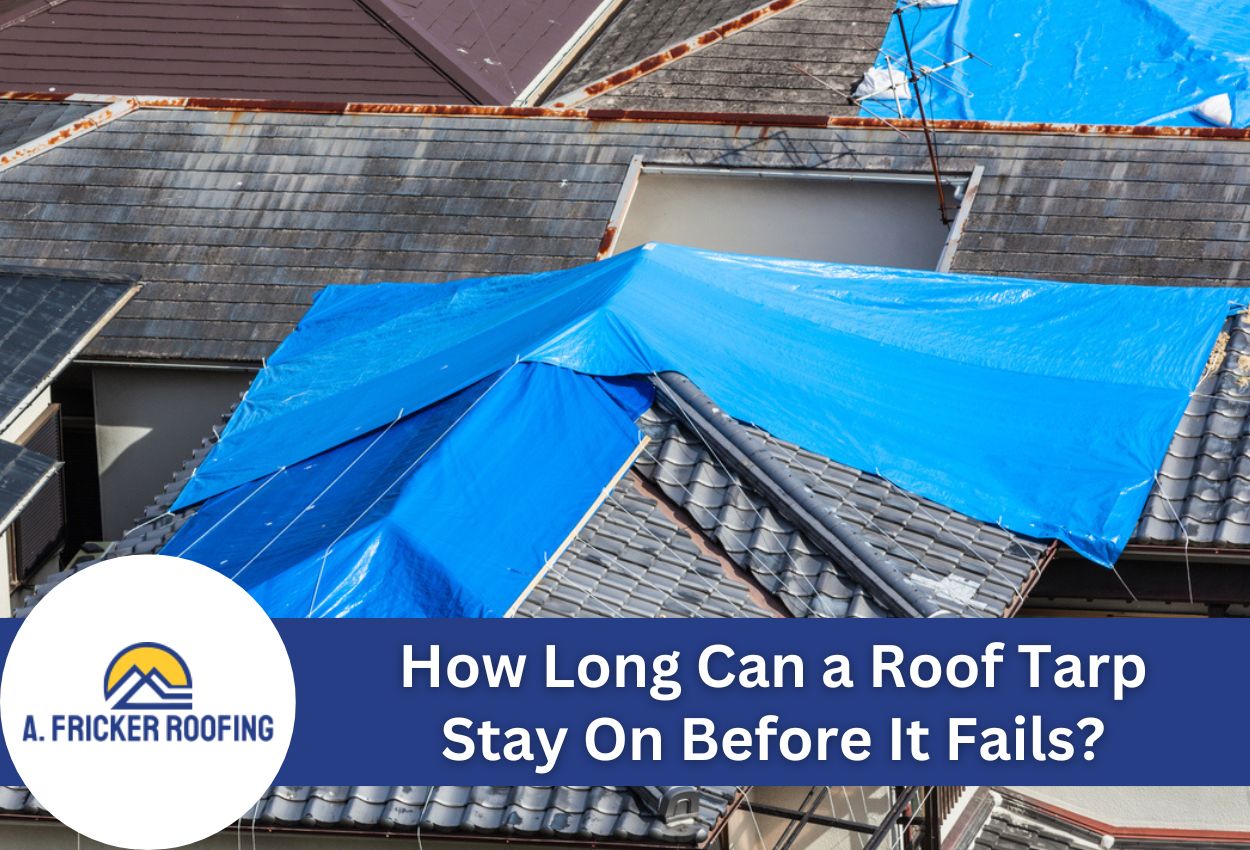

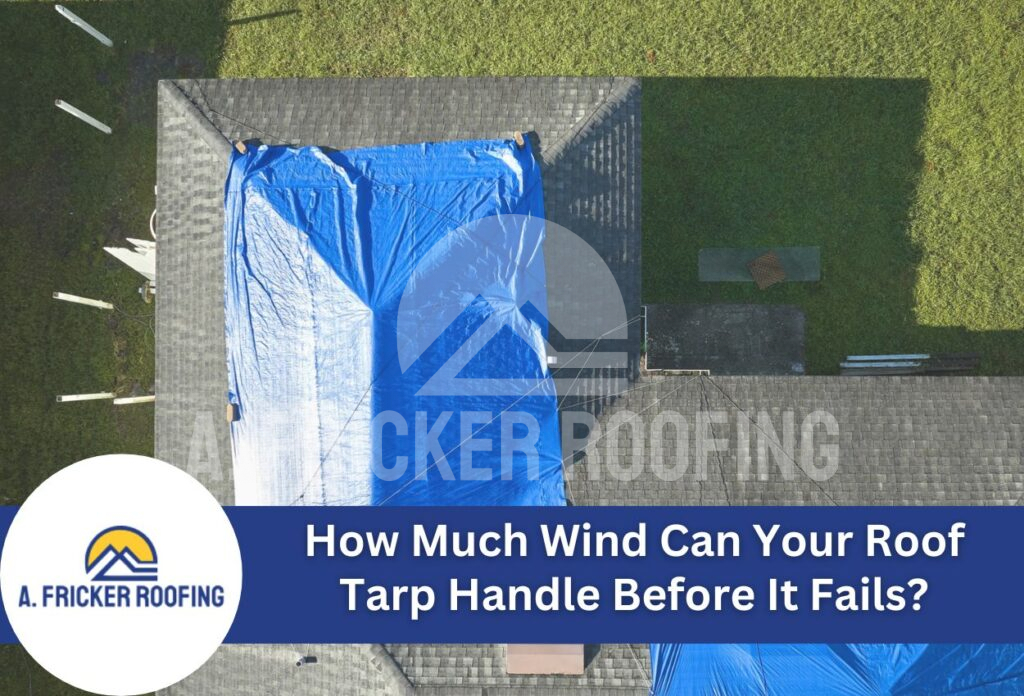

Roof tarps serve as critical temporary protection after storm damage or during roofing projects, but their effectiveness depends heavily on wind resistance. Different tarp materials handle varying wind speeds, and understanding these limits can mean the difference between a successful temporary roof covering and expensive property damage.
Standard lightweight tarps typically fail when wind speeds reach 25 to 35 mph, while heavy-duty roof tarps can withstand winds up to 50 to 60 mph when properly secured. However, these numbers change dramatically based on installation quality and attachment methods. Wind resistance matters because inadequate temporary roof protection can lead to water damage, structural issues, and safety hazards during storms.
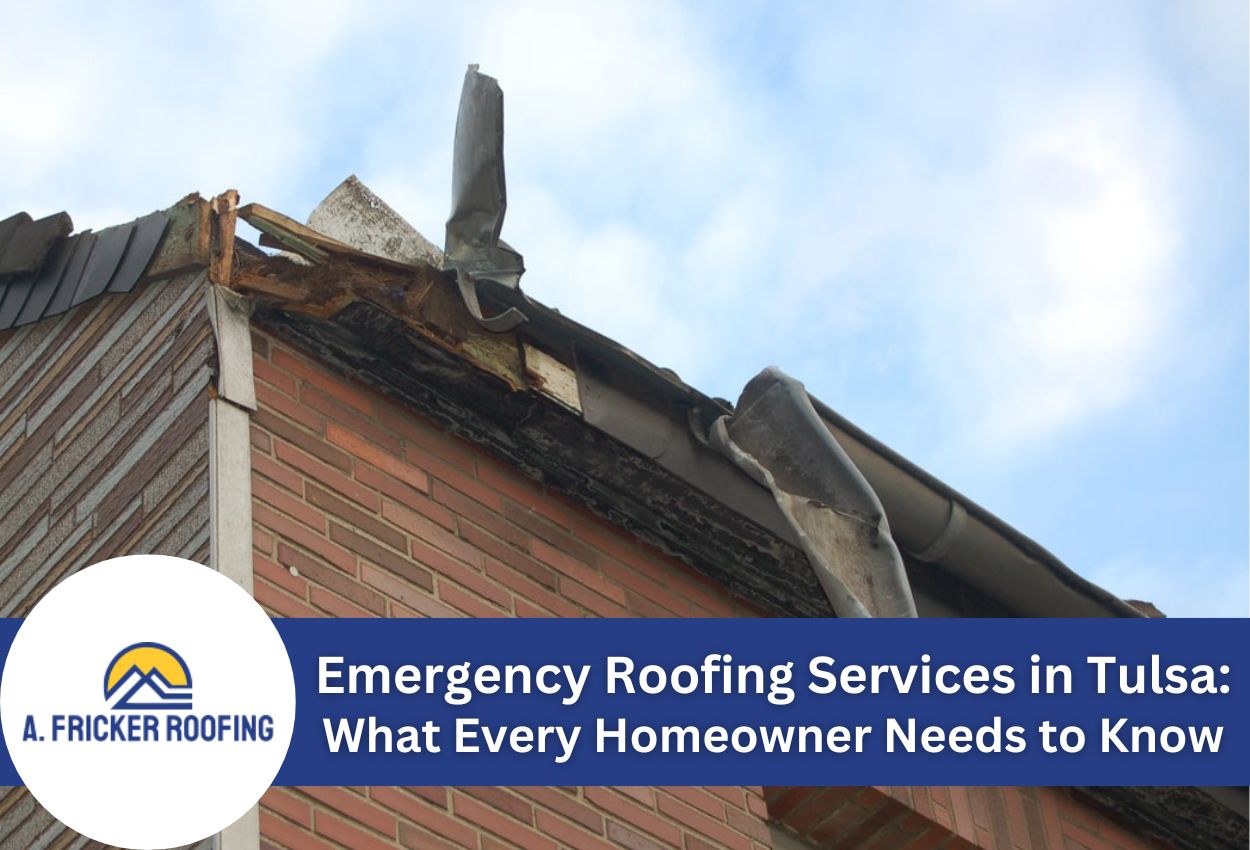
The consequences of using insufficient roof tarp wind protection go beyond immediate weather exposure. Poorly secured tarps can become projectiles in high winds, potentially damaging neighboring properties or injuring people. Additionally, failed temporary roof coverings often result in more extensive interior damage than the original roofing problem.
Even the strongest tarp materials become ineffective without proper installation techniques designed for wind conditions. Understanding both material limitations and installation requirements helps property owners make informed decisions about temporary roof covering wind speed capabilities during emergencies.
Different Types of Roof Tarps and Their Wind Speed Ratings
Material composition significantly affects the roof tarp’s wind resistance performance. Standard blue poly tarps, commonly available at hardware stores, typically withstand winds of up to 25 to 35 mph before experiencing failure. These lightweight options work for mild weather conditions but prove inadequate during severe storms.
Heavy-duty vinyl and canvas tarps offer superior wind protection capabilities. Vinyl tarps can handle sustained winds of 45 to 55 mph when properly installed. The increased durability comes from thicker material construction and enhanced edge reinforcement.
Tarp thickness directly impacts wind resistance performance. Standard 6-mil poly tarps tear easily under high winds, while 12-mil and 16-mil options provide better temporary roof covering wind speed tolerance. Heavy-duty tarps often feature 20-mil thickness or greater, creating substantial barriers against wind.
Reinforcement features dramatically improve wind resistance. Tarps with reinforced edges, additional grommets every 18 inches, and rope-reinforced hems distribute wind loads more effectively.
Material weave patterns also influence performance. Tightly woven fabrics resist wind better than loose weaves, while laminated tarps offer superior strength compared to basic woven materials. Understanding these differences helps determine appropriate roof tarp installation, wind conditions, and expected performance levels during severe weather.
Factors That Determine How Well Your Tarp Survives High Winds
Proper tarp sizing and overlap coverage significantly influence wind resistance capabilities during severe weather events. Undersized tarps create exposed areas where wind can get in, while excessive overhang increases wind load on attachment points. The ideal roof tarp installation requires 6 inches of overlap beyond damaged areas with secure attachment every 12 to 18 inches along edges.
Surface preparation directly affects how well tarps withstand wind pressure. Debris, loose shingles, and uneven surfaces create lift points where wind can get underneath the temporary roof covering. Clean, smooth surfaces allow tarps to lie flat, reducing wind resistance and preventing the ballooning effect that leads to attachment failure.
Roof pitch plays a crucial role in determining wind load distribution across tarp surfaces. Steep roofs experience greater wind uplift forces, requiring heavy-duty roof tarp materials and additional secure attachment methods. Low-slope roofs distribute wind loads more evenly but may require different installation techniques to prevent water pooling and wind.
Wind speeds increase with elevation, and taller structures experience greater turbulence. A two-story building may face wind speeds 15% to 20% higher than ground-level measurements, directly impacting roof tarp wind resistance requirements.
Surrounding landscape features create wind patterns that affect tarp performance. Trees and neighboring buildings can create wind tunnels or turbulent airflow that concentrates forces on specific areas. Open areas expose tarps to sustained winds, while protected locations may reduce wind loads.
Essential Attachment Methods That Keep Tarps Secure in Strong Winds
Securing roof tarps effectively requires multiple attachment strategies that work together to resist wind forces. Sandbags provide excellent weight distribution along tarp edges, creating downward pressure that counteracts wind uplift. Position sandbags every 4 to 6 feet along the perimeter, ensuring each bag weighs at least 25 pounds for adequate holding power during moderate wind conditions.
Rope systems create the backbone of secure attachment methods for roof tarps. Use braided nylon rope with a minimum 3/8-inch diameter, threading it through grommets and tying it to solid anchor points. Cross-pattern rope layouts distribute tension evenly across the tarp surface, preventing stress that causes tear-out failures during high winds.
Weighted edges work best when combined with mechanical fasteners. Attach furring strips along tarp edges using construction adhesive and screws driven into solid roof decking. This technique creates continuous attachment lines that resist wind better than point connections alone, improving overall roof tarp wind resistance.
Professional installations utilize specialized clips and fastening hardware designed for temporary roof covering applications. Tarp clips with integrated washers spread loads across larger areas, while self-drilling screws with rubber washers create weatherproof connections. Space mechanical fasteners every 12 inches along all edges and 18 inches across field areas.
Layered attachment approaches provide redundancy when single methods fail. Combine weighted edges with rope tie-downs and mechanical fasteners. This comprehensive strategy ensures heavy-duty roof tarp wind protection even when individual attachment components experience stress during severe weather events.
Installation Best Practices for Maximum Wind Protection
Timing roof tarp installation correctly maximizes wind resistance and ensures worker safety during the process. Monitor weather forecasts closely and complete installations when sustained winds remain below 15 mph with gusts under 25 mph. Avoid installation attempts when storms approach within 12 hours, as changing conditions can create dangerous situations and compromise attachment quality.
Wind direction changes during installation can affect tarp positioning and securing methods. Begin installation on the windward side of damaged areas, working systematically toward the leeward edge. This approach prevents wind from getting underneath partially secured sections and reduces the risk of the tarp becoming a sail during the installation process.
Common installation mistakes dramatically reduce roof tarp wind resistance and lead to premature failure. Inadequate overlap creates gaps where wind uplift can occur, while loose securing allows the tarp to flutter and stress attachment points. Skipping edge reinforcement or using insufficient fastener spacing creates weak points that fail under moderate wind loads.
Poor surface preparation contributes significantly to installation failures during high winds. Failing to remove debris or secure loose materials allows wind to create lift points underneath the temporary roof covering. Clean all surfaces thoroughly and ensure the tarp lies flat against the roof deck to minimize wind resistance and prevent ballooning effects.
Rushed installations often result in inadequate securing that compromises heavy-duty roof tarp wind protection capabilities. Allow sufficient time for proper attachment using multiple methods, and verify all connection points before considering the job complete. Taking shortcuts during installation frequently leads to complete system failure during the first significant windstorm.
Warning Signs Your Roof Tarp May Not Survive the Next Storm
Regular visual inspection reveals critical warning signs that indicate compromised roof tarp wind resistance before severe weather strikes. Examine tarp edges for fraying, small tears, or thinning material that weakens overall structural integrity. These defects create failure points where wind forces concentrate, leading to rapid deterioration during storms and potentially requiring emergency roof repair.
Attachment point deterioration signals immediate replacement needs for temporary roof covering systems. Check all grommets for tearing or enlargement, inspect rope connections for wear, and verify that mechanical fasteners remain tight and properly seated. Loose or damaged attachment points cannot maintain adequate holding power when wind speeds increase.
Material degradation occurs gradually but accelerates under repeated wind exposure and UV radiation. Look for brittleness, color fading, or surface cracking that indicates weak heavy-duty roof tarp materials. Press gently on suspicious areas to test flexibility, as stiff or brittle sections will likely fail under wind stress.
Age-related replacement guidelines help determine when temporary roof coverings require reinforcement or complete replacement. Standard poly tarps should be replaced after 30 to 60 days of exposure, while heavy-duty options may last 90 to 120 days, depending on weather conditions. Previous exposure to winds exceeding 40 mph significantly reduces remaining service life regardless of visible damage.
Weather forecast timing influences replacement decisions for roof tarp installation, wind conditions. Replace questionable tarps immediately when forecasts predict sustained winds above the tarp’s rated capacity or when multiple storm systems approach within short timeframes. Proactive replacement prevents emergencies during severe weather.
Professional vs. DIY Roof Tarp Solutions for Wind Protection
Determining whether to hire professionals or attempt DIY roof tarp installation depends heavily on wind conditions and roof complexity. Professional installation becomes necessary when sustained winds exceed 20 mph during the work period or when forecasts predict severe weather within 24 hours. Complex roof designs with multiple angles, steep pitches, or significant height require professional expertise to ensure proper heavy-duty roof tarp wind protection, especially when addressing serious roof damage.
Roofing professionals possess specialized equipment and training for secure attachment methods that withstand higher wind speeds. Professional-grade materials typically offer superior roof tarp wind resistance compared to consumer options, with reinforced edges and commercial-grade fastening systems designed for extended exposure. These installations can withstand winds of up to 70 to 80 mph when properly executed.
DIY solutions work effectively for simple roof configurations during calm weather conditions. Standard temporary roof covering applications on single-story homes with moderate pitches can achieve adequate wind protection when homeowners follow proper installation techniques. However, DIY installations typically max out around 40 to 45 mph wind resistance, even with quality materials.
Long-term effectiveness varies significantly between professional and DIY approaches. Professional installations often last 90 to 120 days while maintaining wind resistance, whereas DIY solutions may require reinforcement or replacement after 30 to 60 days. The initial investment in professional roof tarp installation and wind conditions expertise often proves economical when considering potential damage from failed DIY attempts during severe weather events.
Secure Your Roof with Expert Wind Protection Solutions
Understanding how much wind your roof tarp can handle is crucial for maintaining the integrity of your roofing during severe weather conditions. At A. Fricker Roofing and Waterproofing, we specialize in providing top-tier roof tarps that are designed to withstand high wind speeds. Whether you’re dealing with post-storm damage or taking preventative measures, our heavy-duty roof tarps offer robust wind protection that you can rely on.
Don’t wait for the next storm to test the limits of your roof tarp. Call us today at (918) 402-7167 and let A. Fricker Roofing and Waterproofing safeguards your home or business with our reliable and efficient roofing solutions.