
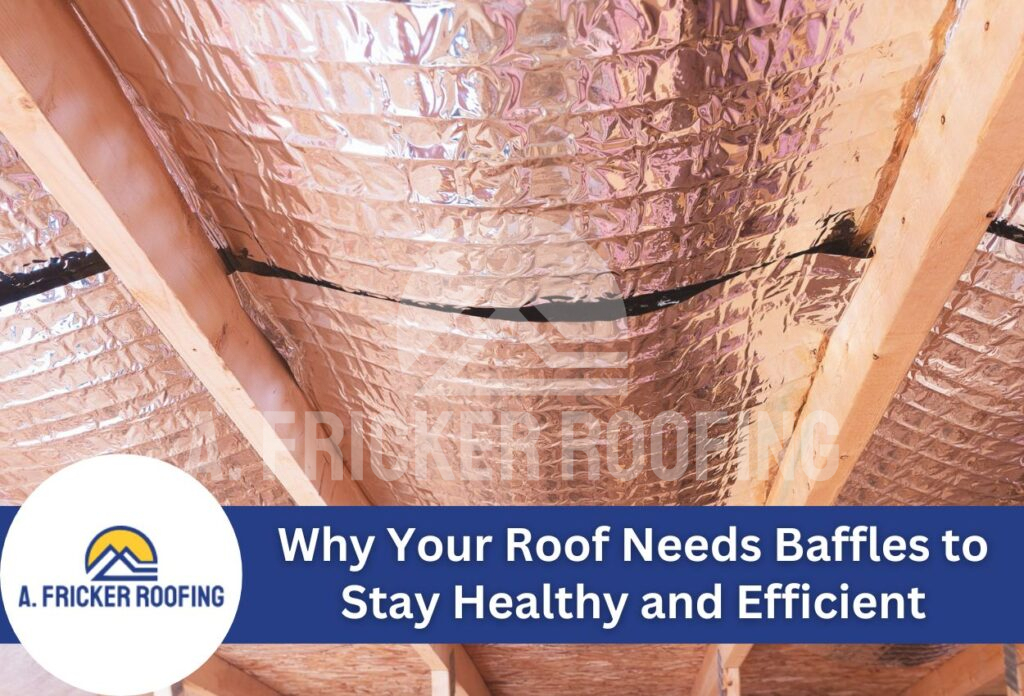
Roof baffles play a critical role in maintaining proper ventilation systems and protecting homes from damage. These simple yet essential components create clear air pathways between soffit vents and attic spaces, ensuring continuous airflow that keeps roofs functioning at peak performance.
Without baffles, homes face serious problems that can develop quickly and become expensive to repair. Poor attic airflow leads to ice dams during winter, while inadequate ventilation causes moisture buildup that damages insulation and can lead to mold growth. These issues compromise both the structural integrity of roofing systems and indoor air quality.
Correctly installed baffles ensure attic vents function correctly by preventing insulation from blocking air intake points. This allows ridge vents to operate effectively, creating the natural air circulation that removes excess heat and moisture from attic spaces.
When baffles are missing or incorrectly positioned, even the best roof insulation cannot perform its intended function. Blocked air pathways trap hot air during summer and create condensation problems year-round. Understanding how baffles contribute to overall roof health helps homeowners make the best decisions for their roofing systems and avoid preventable damage that reduces roof lifespan and increases energy costs.
How Baffles Create Better Airflow in Your Attic Space
Understanding the mechanics behind attic ventilation reveals why baffles are essential components of these systems. These channels work by maintaining clear pathways that allow fresh air to enter through soffit vents and travel upward through the attic space. As air moves along these predetermined routes, it picks up heat and moisture before exiting through ridge vents, creating a continuous cycle that regulates attic temperature and humidity levels.
The science behind this process relies on natural air pressure differences and thermal dynamics. Cool air enters at the lowest point through soffit vents, while warm air rises and exits at the highest point. Baffles ensure this system operates efficiently by preventing disruptions to the airflow pattern. Without these channels, insulation materials often shift and block air intake points, creating dead zones where air cannot circulate properly.
Debris buildup is another significant challenge to attic airflow. Over time, dust, leaves, and loose insulation can accumulate in spaces between rafters, effectively cutting off air movement. Proper roof insulation combined with well-positioned baffles prevents these blockages from forming. The rigid structure of baffles maintains these air channels regardless of settling insulation or seasonal debris accumulation.
When an attic lacks adequate baffle support, even a professionally designed vent system cannot compensate for restricted airflow, leading to extensive damage throughout the home.
Protecting Your Insulation with Baffle Installation
Proper baffle installation serves as a critical barrier that prevents insulation from migrating into areas where it can obstruct essential ventilation pathways. When insulation shifts into soffit areas, it blocks the air intake points that roof ventilation systems depend on. This blockage creates a domino effect that compromises the entire attic airflow system, reducing energy efficiency and potentially causing moisture-related problems.
The importance of baffles in roofing systems becomes especially apparent when considering the placement and effectiveness of the current insulation. Baffles create physical boundaries that keep insulation materials positioned exactly where they provide maximum thermal protection. Without these guides, blown-in insulation often settles unevenly or gets pushed by air currents into spaces where it interferes with ventilation rather than contributing to energy efficiency.
Where roof insulation is installed directly impacts heating and cooling costs throughout the year. When baffles hold insulation in place, the thermal barrier performs as designed, reducing energy transfer between conditioned indoor spaces and outdoor temperatures. This positioning works in conjunction with attic airflow solutions to create a balanced system where ventilation and insulation complement each other rather than competing for the same space.
As mentioned above, soffit vents require clear channels to prevent insulation encroachment, which baffles provide. When these pathways remain unobstructed, both the soffits and ridge vent function as intended, ensuring that the entire ventilation system delivers consistent performance that protects both the roof structure and the insulation beneath it.
Preventing Moisture Problems Through Strategic Baffle Placement
Strategic baffle placement sets the foundation for effective moisture control by establishing consistent air movement patterns throughout attic spaces. When roof ventilation systems operate with properly positioned baffles, air circulates continuously from soffit vents to ridge vents, carrying water vapor out of the attic before it can condense on surfaces. This steady airflow prevents any stagnant conditions where moisture accumulates and causes damage to roof structures and insulation materials.
The connection between baffles and condensation control is especially important during temperature fluctuations when warm, humid air meets cooler surfaces. Without adequate air circulation, this moisture settles on rafters, decking, and insulation, creating conditions for mold growth and wood rot. Effective attic airflow solutions depend on baffles maintaining clear pathways that allow moist air to exit the system rather than becoming trapped in confined spaces.
Winter weather presents additional challenges, where baffle placement directly impacts ice dam prevention. When warm air escapes into poorly ventilated attic areas, it melts snow on the roof surfaces unevenly. This creates the freeze-thaw cycles that form ice dams along roof edges. Proper baffle installation ensures soffit vents function as intended during cold months, allowing cold outside air to enter and maintain consistent roof surface temperatures that prevent these problematic melting patterns.
The importance of baffles in roofing systems includes moisture management that protects the entire roof system. Strategically placed baffles work with attic vents to create natural air currents that remove excess humidity and protect roof insulation from moisture damage.
Working Together with Attic Vents for Complete Air Circulation
Effective roof ventilation systems depend on the coordinated operation of intake and exhaust components working together to create balanced air circulation. Baffles ensure there is a clear pathway from soffit vents to ridge vents, allowing both fresh air in and hot air to exit the attic. This partnership creates the natural convection process that maintains steady attic temperatures and prevents moisture accumulation throughout the year.
Baffles allow ridge vents to function at maximum efficiency. Without clear air pathways created by properly installed baffles, ridge vents cannot draw sufficient air through the system to maintain adequate circulation. This imbalance results in hot spots, inadequate moisture removal, and reduced overall ventilation performance that compromises the entire roof structure.
Natural convection relies on temperature and pressure differences to move air through attic spaces automatically. Cool air enters through soffit vents and flows along baffle channels, gradually warming as it moves upward through the attic. This heated air naturally rises toward ridge vents where it exits the system. Baffles ensure this process continues uninterrupted by maintaining consistent air pathways that prevent insulation or debris from disrupting the flow pattern.
Complete attic ventilation systems require both components working together rather than operating independently. When baffles and ridge vents work in harmony with proper roof insulation, the resulting ventilation system provides year-round protection that extends roof lifespan and maintains energy efficiency throughout all weather conditions.
Energy Savings You Can Expect from Well-Functioning Attic Vents and Baffles
Well-functioning baffles significantly reduce strain on heating and cooling systems by maintaining stable attic temperatures throughout the year. When roof ventilation systems operate with properly installed baffles, they prevent temperature fluctuations in the attic that force HVAC equipment to run longer to keep living spaces comfortable. During summer, consistent airflow keeps attic temperatures closer to outdoor levels, reducing the heat transfer that drives up cooling costs.
In the winter, baffles work with soffit vents to prevent heat loss and ice dams. Consistent air circulation maintains proper roof surface temperatures while keeping heated indoor air from escaping into attic spaces. This temperature stability reduces heating system cycling and maintains energy efficiency throughout cold weather periods. The importance of baffles in roofing systems extends to year-round energy performance that translates into measurable utility bill reductions.
Long-term benefits of baffle installation include extended roof lifespan and reduced need for premature repairs or replacement. When soffit and ridge vents operate effectively with baffle support, the entire roof structure experiences less thermal stress and moisture damage. This protection prevents repairs related to ice damage, rot, and structural deterioration that occur when ventilation systems fail to maintain even temperatures in the attic.
Proper roof insulation combined with functioning baffles creates a balanced system where energy savings compound over time. Homeowners typically see reduced energy consumption that continues for decades, while also avoiding expensive roof repairs that result from poor ventilation and moisture problems.
Signs Your Home Might Need Better Baffles
Recognizing the warning signs of inadequate baffle performance helps homeowners address ventilation problems before they cause expensive damage. Ice dams or icicles along roof edges during winter indicate that warm air is escaping into attics instead of being circulated through roof ventilation systems. As mentioned above, these ice formations occur when there isn’t sufficient airflow from soffit vents, allowing heated air to melt snow unevenly across the roof.
Temperature inconsistencies throughout the home often signal compromised attic vents that need to be inspected and potentially replaced. When certain rooms remain consistently warmer or cooler than others, blocked ventilation pathways may be preventing air circulation. Musty odors or visible moisture stains on ceilings indicate that humidity is not being removed effectively through existing ventilation channels.
High energy bills during peak heating and cooling seasons frequently point to ventilation system problems where baffles are not supporting proper vent function. When heat builds up in the attic, HVAC systems work harder to keep indoor temperatures consistent. Frost buildup on attic surfaces during winter also demonstrates that moist air is not exiting through proper channels, suggesting blocked vents or missing baffles.
Professional roofing contractors can assess whether existing baffles are positioned correctly and functioning with other vent components. When homeowners notice any combination of these warning signs, scheduling an inspection can ensure that the baffles and vents are functioning as intended before problems worsen.
Choose A. Fricker Roofing and Waterproofing for All Your Roofing Needs
If you’ve noticed issues with your attic ventilation or are struggling with roof insulation problems, your baffles may actually be to blame. Baffles are essential for maintaining a healthy and efficient roofing system, creating necessary air pathways that prevent a range of common roofing problems. By guiding air smoothly from your soffit vents to your attic space, baffles protect your insulation from moisture and displacement, and help prevent detrimental ice dams in colder weather.
Don’t wait for ventilation issues to cause serious damage to your home. Contact A. Fricker Roofing and Waterproofing today at (918) 402-7167 to schedule an inspection to ensure your roof has properly installed baffles. Protect your investment with expert roofing solutions that stand the test of time.