
Flat Roof Maintenance: How to Protect and Extend Your Roof’s Lifespan
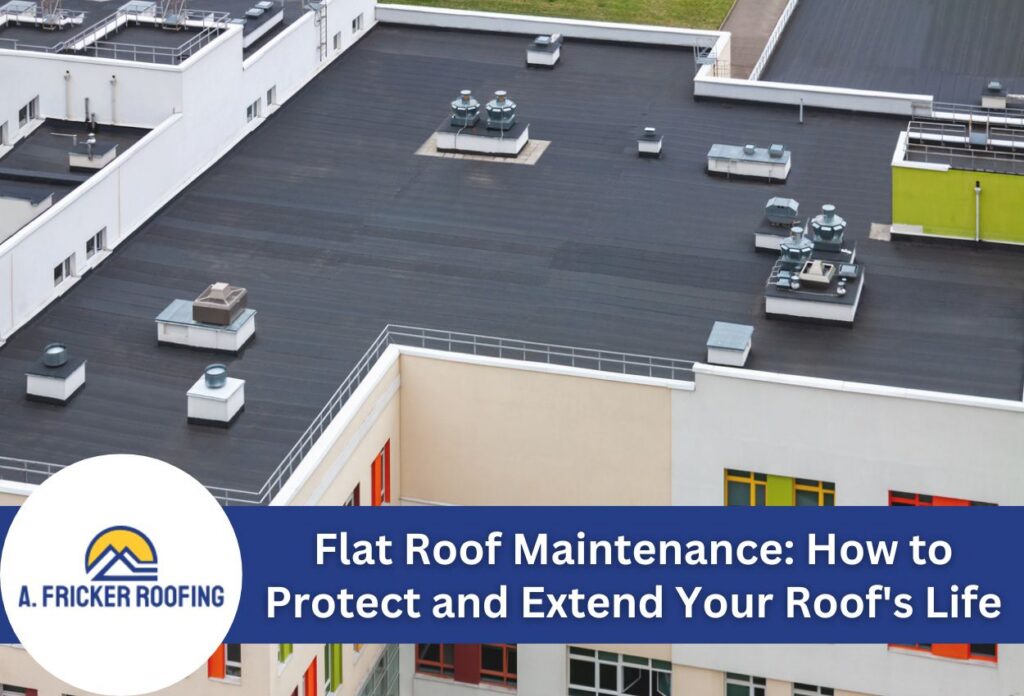

Flat roofs need maintenance 2 to 4 times per year, and neglected flat roofs fail 10 to 15 years earlier than properly maintained ones. That gap in lifespan represents thousands of dollars in premature replacement costs that regular upkeep can largely prevent.
Tulsa’s climate makes this even more pressing. Hail seasons, hard freeze-thaw cycles in winter, and intense summer UV exposure put flat roofs here under more stress than in milder parts of the country. Each of those forces degrades membranes, flashing, and seams faster than steady, mild weather would.
This article walks through how often flat roofs should be inspected, what a solid maintenance checklist covers, how to catch leaks before they spread, and what annual upkeep typically costs Tulsa property owners.
*Please note, price ranges listed in this article may not reflect the final cost of your project. Prices are subject to change based on various factors such as local labor rates, material quality, and more. All costs established in this article are rough estimates based on average industry rates.
How Often Should a Flat Roof Be Inspected to Stay Protected?
Flat roofs should be inspected professionally twice per year, once in spring and once in fall, plus after any storm with winds exceeding 50 mph or any hailstorm. Most manufacturer warranties require at least one documented professional inspection per year to stay valid. Skipping that step can void coverage before a single claim is ever filed.
| Inspection Timing | Risk It Addresses | Cost of Skipping |
|---|---|---|
| Spring | Winter freeze-thaw damage, membrane lifting | $500 to $2,500+ in membrane repairs |
| Fall | Debris buildup, drainage prep before freeze | $200 to $1,500 in drainage or ponding repairs |
| Post-storm | Punctures, seam separation, and standing water | $800 to $2,500+ if water intrusion spreads |
Professional inspections in Tulsa typically run $150 to $400 per visit. Two inspections per year cost $300 to $800 annually, a fraction of the $3,000 to $12,000 that major undetected damage can reach. Scheduling spring and fall commercial roof inspections with a reputable contractor like A. Fricker Roofing and Waterproofing keeps that cost gap firmly in the property owner’s favor.
What Should Be on a Flat Roof Maintenance Checklist?
A complete flat roof maintenance checklist covers 8 core tasks, some safe for owners to handle themselves, others that require a licensed contractor. According to the NRCA Roof Maintenance Guidelines, staying consistent with both owner and professional tasks is key to maximizing roof lifespan.
- Clear drains, scuppers, and gutters (Owner task): Check monthly during fall and winter. Standing water should drain completely within 48 hours of any rainfall. Ponding longer than that adds structural weight and accelerates membrane breakdown.
- Remove surface debris (Owner task): Sweep or blow off leaves, branches, and dirt at least once a month. Debris traps moisture against the membrane and speeds up deterioration.
- Inspect membrane seams and flashings (Visual owner check; repairs require contractor): Look for gaps wider than 1/8 inch along seams or where flashing meets walls and curbs. Even a small gap can allow water to track beneath the membrane.
- Check for membrane blisters (Owner visual check): Any blister larger than a quarter warrants a contractor call. Blisters signal trapped moisture or adhesion failure underneath the surface layer.
- Test roof drains for flow (Owner task): Pour water into each drain twice per year, spring and fall, to confirm no blockage. Slow drains often signal a hidden clog deeper in the line.
- Inspect flashing at all gaps (Contractor task): HVAC curbs, vents, and skylights are the most common leak entry points. A contractor should reseal or replace compromised flashing as needed.
- Look for ponding zones after rain (Owner visual check): Standing water in the same spot after multiple rainstorms means the roof has a low area that may need re-sloping or a drain added.
- Recoat the membrane surface (Contractor task): Coating reapplication should occur every 5 to 7 years, depending on material type and UV exposure. A fresh commercial roof coating extends roof life by 5 to 10 years and costs far less than a full replacement.
- Document all findings (Owner or contractor task): Keep dated photos and written notes from every inspection. Many warranty claims require proof of regular maintenance going back 12 to 24 months.
Owners can handle surface tasks themselves on a regular schedule, but seam repairs, flashing work, and coating application should go to a qualified contractor. Staying on top of both categories gives a flat roof the best chance of reaching its full expected lifespan.
What Are the Most Common Causes of Flat Roof Leaks and How Do You Prevent Them?
Failed seams and flashings cause approximately 90% of all flat roof leaks, making them the single biggest threat to any flat roofing system. Ponding water is a close second concern, degrading membranes up to 50% faster than surfaces that drain properly. Membrane punctures and clogged drainage round out the four most common sources of failure.
| Leak Source | Prevention Action |
|---|---|
| Failed seams and flashings | Inspect seams twice a year. Reseal any gap wider than 1/8 inch |
| Ponding water | Clear drains after every storm. Water should drain within 48 hours |
| Membrane punctures | Schedule a post-hailstorm inspection within 72 hours. Document damage for insurance |
| Clogged drainage | Test drains each spring and fall. Clear debris monthly |
In Tulsa, hail impact is a leading cause of membrane punctures. Getting a contractor on the roof within 72 hours of a hailstorm lets you document damage while the evidence is fresh, which insurance adjusters require for a valid claim. Scheduling emergency hail damage roof repair quickly can make the difference between a minor fix and a full replacement.
| Membrane Type | Lifespan With Maintenance | Ponding Water Resistance | Seam Repair Cost (per linear foot) |
|---|---|---|---|
| TPO | 15 to 25 years | Medium | $4 to $8 |
| EPDM | 20 to 30 years | High | $3 to $6 |
| Modified Bitumen | 15 to 20 years | Low to Medium | $4 to $7 |
Choosing a membrane with higher ponding resistance and staying on top of seam inspections are the two most direct ways to extend flat roof life in Tulsa’s climate. If a recent hail storm hit your area, don’t wait. Get a professional inspection scheduled before the damage gets worse or the insurance window closes.
What Does Flat Roof Maintenance Cost Per Year and What Happens If You Skip It?
Even a basic professional maintenance plan pays for itself many times over. A full commercial roof replacement in Tulsa runs $8,000 to $18,000 for a typical 1,500 to 3,000 sq ft roof, making annual upkeep one of the most cost-effective decisions a property owner can make.
| Maintenance Level | Annual Cost Range | Tasks Included | Average Lifespan Achieved | Estimated Avoided Repair Costs (10 Years) |
|---|---|---|---|---|
| DIY-Only | $50 to $150/yr | Surface cleaning, visual checks | 12 to 17 years | About $2,000 in minor repairs were avoided. Risks $8,000 to $20,000 in major failure |
| Basic Professional Plan | $500 to $900/yr | 2 inspections, drain cleaning, and minor repairs | 20 to 25 years | $6,000 to $12,000 in repairs avoided |
| Full Professional Plan | $1,000 to $1,500/yr | 2 inspections, seam checks, flashing reseals, coating monitoring, and drain service | 25 to 30 years | $10,000 to $18,000 in repairs avoided |
Some roofing contractors in Tulsa offer annual maintenance contracts bundling two inspections, minor repairs, and drain cleaning for $500 to $900/year, a straightforward comparison point for owners weighing DIY against professional care. Spending $600 to $1,200 per year on professional maintenance can add 8 to 12 years to a flat roof’s life, pushing replacement costs years further into the future.
When that replacement price sits between $8,000 and $18,000, the math strongly favors consistent, professional upkeep over reactive repairs.
Should You Repair, Recoat, or Replace Your Flat Roof?
The answer depends on three measurable factors: how much of the surface is damaged, how old the roof is, and how repair costs compare to full replacement costs.
- Repair when damage is isolated, and the roof is relatively young: Repair makes sense when damage covers less than 25% of the roof’s surface, the roof is under 15 years old, and the repair cost stays below 30% of what a full replacement would run. Fixing a contained problem early is almost always the lowest-cost path.
- Recoat when the membrane is intact but showing age: If the membrane has no major tears or seam failures but shows UV oxidation or minor surface cracking, recoating is a strong middle option. This works best on roofs aged 7 to 15 years, and an elastomeric roof coating typically costs $1.50 to $3.50 per square foot, far less than a tear-off and replacement.
- Replace when damage is widespread, or the roof is past its lifespan: Replacement is the right call when damage covers more than 25% of the surface, the roof has exceeded its manufacturer’s expected lifespan, or two or more existing layers are already in place. Under most building codes, a roof with 2 existing layers cannot legally receive an additional layer and must be torn off completely, a regulatory factor that directly affects your repair-versus-replace calculation.
Get at least 2 to 3 contractor estimates before committing to any path. A reputable Tulsa roofing contractor like A. Fricker Roofing and Waterproofing should provide a written assessment that specifies the percentage of the roof affected and the remaining estimated lifespan, not just a dollar figure.
Ready to Protect Your Flat Roof? Here’s How to Get Started in Tulsa
A professional flat roof inspection costs $150 to $400, a small starting point compared to the $8,000 to $18,000 replacement bill that skipped maintenance can create. A. Fricker Roofing and Waterproofing works with Tulsa property owners to catch problems early, before minor seam gaps or drainage issues turn into major damage.
Two clear next steps are available depending on where you are in the process: schedule a flat roof inspection and get a free estimate to find out exactly what your roof needs, or learn more about the roof maintenance program if you’re looking for ongoing protection.