
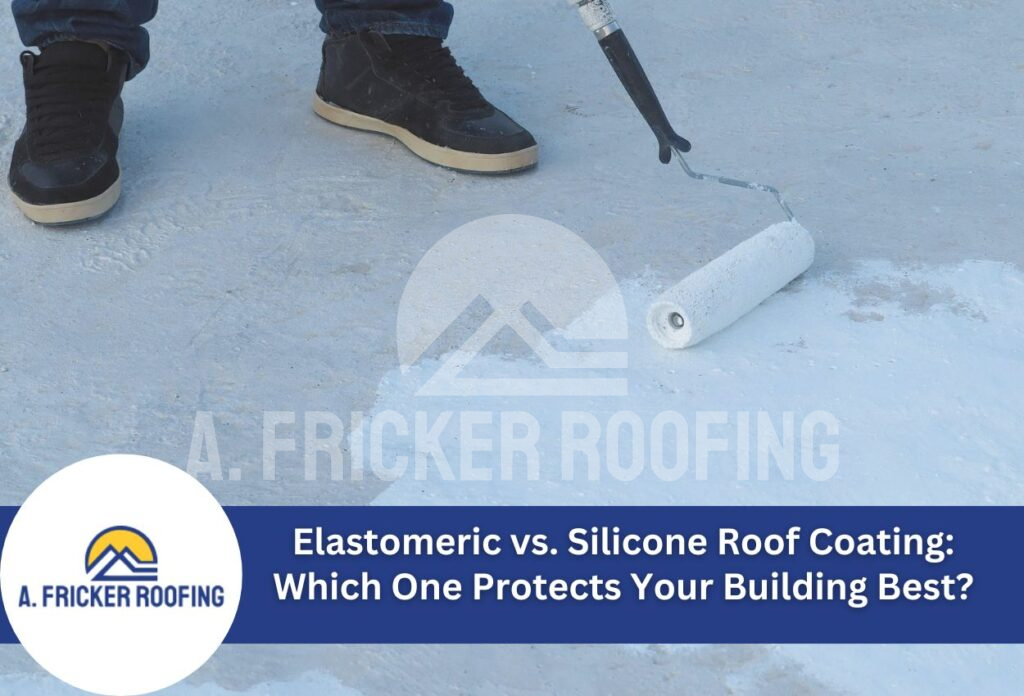
Elastomeric vs. Silicone Roof Coating: Which One Protects Your Building Best?
3 Key Takeaways
-
Coating Choice Impacts Longevity and Performance – Elastomeric coatings offer flexibility and cost-effective protection, while silicone coatings provide superior durability, water resistance, and UV protection. The right selection depends on building type, climate, and maintenance goals.
-
Weather and Climate Considerations Are Key – Elastomeric coatings handle thermal expansion and contraction well, but silicone coatings maintain consistent performance under extreme heat, UV exposure, and ponding water conditions, making them ideal for harsh climates.
-
Installation, Maintenance, and Cost Matter – Elastomeric coatings cure faster and are easier to apply but may require more frequent maintenance. Silicone coatings last longer with less upkeep but need careful surface prep and longer curing times, influencing both project planning and budget.
Property owners face a critical decision when protecting their roofs from weather damage and extending their lifespan. Roof coatings offer an effective solution for maintaining existing roofing systems while avoiding complete replacement costs. The coating selection process directly impacts long-term performance, energy efficiency, and maintenance requirements.
Two popular commercial roof coatings dominate the market: elastomeric and silicone formulas. Each coating type provides distinct advantages for roof restoration, making the choice between them essential for property protection. Elastomeric roof coating benefits include flexibility and adhesion properties that work well with building movement and temperature changes. These coatings stretch and contract with the roof structure, preventing cracks and leaks.
Silicone roof coatings offer exceptional durability and weather resistance. The durability of silicone roof coatings stems from their ability to maintain performance under extreme temperature fluctuations and UV exposure. These coatings resist ponding water and provide superior chemical resistance compared to other coating options.
Comparing roof coatings requires understanding specific building needs, climate conditions, and existing roofing materials. The right coating choice depends on factors such as roofing material, local weather patterns, and long-term maintenance goals. Both elastomeric and silicone coatings can significantly extend roof life when properly applied to compatible surfaces.
Understanding Elastomeric Roof Coatings
Elastomeric roof coatings consist of polymer-based materials that create a flexible, waterproof membrane over existing roofing surfaces. These coatings contain acrylic or polyurethane polymers that form a seamless barrier against moisture, UV rays, and thermal cycling. The elastomeric formulation allows the coating to stretch up to 300% of its original size without cracking, making it ideal for buildings that experience structural movement.
The protective mechanism works through molecular bonding with the roof substrate, creating a monolithic membrane that moves with the building. This flexibility prevents the formation of cracks and gaps that typically allow water in. Elastomeric coatings also reflect solar radiation, reducing heat absorption and lowering cooling costs for property owners.
Key characteristics make elastomeric coatings attractive for both residential and commercial roofing applications. These coatings demonstrate excellent adhesion to various materials including metal, modified bitumen, and single-ply membranes. The self-leveling properties help bridge small gaps and imperfections in the existing roof surface. Elastomeric roof coating benefits include ease of application, cost-effectiveness compared to roof replacement, and the ability to restore aging roofing systems.
When comparing roof coatings, elastomeric formulas stand out for their versatility and proven performance across different climate conditions. These roof restoration options provide reliable protection while maintaining the structural integrity of commercial and residential buildings throughout their service life.
Exploring Silicone Roof Coating Properties
Silicone roof coatings feature a unique molecular structure based on silicone polymers that create exceptional weathering resistance. Unlike other coating materials, silicone maintains its flexibility and protective properties across extreme temperature ranges without breaking down. The siloxane backbone provides inherent stability against UV radiation, ozone, and thermal cycling that commonly damage alternative coating systems.
The composition creates a hydrophobic surface that actively repels water while allowing trapped moisture to escape through vapor permeability. This distinctive characteristic prevents membrane damage from freeze-thaw cycles and reduces the risk of the roofing material deteriorating. Silicone coatings bond directly to existing roof materials through adhesion promoters, forming a permanent protective barrier.
Several features set silicone coatings apart from elastomeric ones and other commercial roof coatings. The durability of silicone roof coatings exceeds most alternatives, with proven performance lasting 15 to 20 years under normal conditions. These coatings resist ponding water indefinitely without softening or degrading, making them ideal for low-slope applications where water accumulation occurs.
Chemical resistance represents another advantage when comparing roof coatings. Silicone formulas withstand exposure to acids, alkalis, and environmental pollutants that compromise other types of coatings. The non-chalking properties maintain the appearance and reflectiveness of the roof throughout its service life. These roof restoration options require minimal maintenance while providing consistent protection against moisture and environmental elements that threaten building integrity.
Comparing Coating Performance in Different Weather Conditions
The weather resistant capabilities of each option varies significantly between elastomeric and silicone roof coatings when exposed to demanding environmental conditions. Oklahoma’s climate presents unique challenges including extreme temperature fluctuations, intense UV exposure, hail storms, and high winds that test a coating’s durability over time.
Elastomeric roof coating benefits become apparent during temperature cycling common in Oklahoma weather patterns. These coatings maintain flexibility from sub-zero winter conditions to summer temperatures exceeding 100 degrees Fahrenheit. The polymer structure accommodates thermal expansion and contraction without cracking or losing adhesion to the roof deck. However, prolonged UV exposure can cause gradual degradation and chalking, requiring periodic recoating to maintain optimal performance.
The durability of silicone roof coatings excel in extreme heat and UV conditions where other materials fail. Silicone formulations resist thermal breakdown and maintain their molecular integrity regardless of temperature extremes. These coatings demonstrate superior performance during Oklahoma’s intense summer heat while remaining flexible during winter freeze conditions.
Water resistance varies between coating types during seasonal weather changes. Silicone coatings shed water immediately upon contact and resist ponding water indefinitely without softening. Elastomeric coatings provide excellent initial water resistance but may develop permeability over time when exposed to standing water. When comparing roof coatings for long-term weathering performance, both commercial roof coatings offer reliable protection, though silicone maintains consistent properties longer under severe weather exposure. These roof restoration options require evaluation based on specific climate challenges and expected service life requirements.
Installation Requirements and the Application Process
The surface of the roof will have to be prepped differently between elastomeric and silicone roof coating options, as this step affects the long-term performance and adhesion quality of the coatings. Both coating systems demand clean, structurally sound substrates, but specific steps in preparation vary based on the coating chemistry and existing roof conditions.
Elastomeric coatings require thorough surface cleaning to remove dirt, loose debris, and existing coating residue that could compromise bonding. Power washing followed by complete drying prepares most surfaces adequately. These coatings apply easily with rollers, brushes, or spray equipment, making them accessible for various application methods.
Silicone roof coatings demand stricter surface preparation due to their chemical bonding requirements. Existing silicone residue must remain completely intact or be entirely removed, as partial silicone coverage prevents proper adhesion. Oil, grease, and moisture contamination needs to be removed before application, and occasionally primer may be needed.
The length it time to takes to apply a roofing coatings is another factor to consider when comparing roof coatings for commercial applications. Elastomeric coatings cure relatively quickly, allowing faster project completion and earlier return to service. Silicone coatings require longer curing periods and stricter environmental controls during installation. These roof restoration options typically need around 24 to 48 hours of dry conditions after application to achieve full performance characteristics, influencing project scheduling and weather dependency factors.
Maintenance and Longevity Expectations
Expected lifespan varies considerably between elastomeric and silicone roof coating systems, with warranty coverage reflecting these performance differences. Elastomeric coatings typically provide 10 to 15 years of reliable protection when properly maintained, while silicone formulations often extend 15 to 20 years under similar conditions. Manufacturer warranties for elastomeric systems generally range from around 10 to 12 years, covering material defects and premature failure. Silicone coating warranties frequently extend around 15 to 20 years, reflecting the superior durability of silicone roof coatings against environmental degradation.
Warranty terms depend heavily on proper installation, surface preparation, and adherence to manufacturer specifications. Keep in mind that if a coating comes with a warranty, it most likely relies on certified contractor installation to maintain validity. Coverage typically includes material replacement and labor costs for premature system failure, though specific terms vary by manufacturer and project scope.
Maintenance requirements differ substantially when comparing roof coatings for long-term performance. Elastomeric roof coating benefits offer relatively simple maintenance schedules, requiring annual inspections and periodic cleaning to remove debris. These systems may need touch-up applications every 8 to 10 years in high-wear areas to maintain optimal protection.
Silicone coatings require less frequent maintenance interventions due to their inherent durability and resistance to environmental factors. Annual inspections remain essential, focusing on mechanical damage and leak points that could compromise the membrane. These commercial roof coatings resist chalking and maintain their protective properties longer, reducing the frequency of the recoating cycles. Both roof restoration options benefit from proactive maintenance programs that address minor issues before they develop into expensive repairs requiring extensive restoration work.
Making the Final Decision for Your Roofing Project
Several critical factors determine the optimal choice between elastomeric vs. silicone roof coating for specific building applications. Building age, existing roof condition, and substrate compatibility directly influence coating performance and longevity. Properties with frequent structural movement benefit from elastomeric roof coating benefits, while buildings requiring maximum durability favor silicone formulas.
Climate conditions significantly impact the coating selected. Oklahoma’s extreme temperature variations and UV exposure levels affect long-term performance differently for each type of coating. The durability of silicone roof coatings excels in harsh environments, though elastomeric options provide reliable protection at a lower initial cost. Building owners must evaluate their specific weather exposure and performance expectations when comparing roof coatings.
Budget considerations encompass both the initial application and long-term maintenance expenses. While silicone systems typically require a higher upfront investment, their extended service life often provides better value over time. Elastomeric coatings offer more affordable initial costs but may require more frequent maintenance cycles. Commercial roof coatings should be evaluated based on total lifecycle costs rather than initial price alone.
Professional consultation becomes essential when technical factors exceed building owner expertise. Experienced roofing contractors can assess material conditions, identify potential compatibility issues, and recommend appropriate roof restoration options. Key questions should address coating selection rationale, warranty coverage, maintenance requirements, and expected performance under local conditions. Proper professional guidance ensures optimal coating selection and application for long-term building protection.
Protect Your Investment with A. Fricker Roofing and Waterproofing
Deciding between elastomeric and silicone roof coatings for your property is crucial for ensuring long-term durability and protection against the harsh Oklahoma weather. Each type of coating offers unique benefits, such as enhanced UV resistance and superior water repellency, which can significantly extend the life of your roof and improve overall building protection.
At A. Fricker Roofing and Waterproofing, we specialize in providing high-quality roof coatings that cater to both commercial and residential buildings. Don’t let the changing seasons compromise the integrity of your roof. Call us today at (918) 402-7167 to discuss your roofing project and discover how our services can enhance the longevity and performance of your roof with the right coating choice.