
How Much Does it Cost to Install an EPDM Rubber Roof in Tulsa?

EPDM is one of the most reliable and cost-effective solutions for flat and low-slope roofs across residential and commercial properties. This synthetic rubber membrane offers exceptional durability, weather resistance, and longevity that makes it an attractive alternative to traditional roofing materials. Property owners considering a roof replacement often find themselves researching the financial investment required for this roofing system.
Understanding EPDM roofing costs involves examining multiple components that contribute to the total project expense. The rubber roof installation price depends on multiple factors, including the size of the roof, membrane thickness, installation method, and site-specific conditions. Commercial installations typically require different considerations than residential projects because of both material and labor requirements.
Additionally, EPDM rubber roofing installation costs vary based on whether the project involves a complete flat roof replacement or a new installation over an existing structure. The membrane itself represents just one portion of the total investment, with additional expenses including adhesives, insulation, fasteners, and professional installation. Weather conditions, roof accessibility, and local building codes also influence the final installation price for any given project.
In this guide, we will go over these factors and more, ensuring property owners are prepared for their EPDM roofing project.
Breaking Down EPDM Material Costs and Quality Options
The characteristics of different EPDM membranes impact the final investment required. EPDM thickness impacts both durability and costs. Standard residential applications typically use 45-mil or 60-mil membranes, while commercial installations may require 90-mil thickness for enhanced durability. The thicker membranes provide superior puncture resistance and longevity but have higher material prices per square foot.
Quality grades of EPDM vary between manufacturers, with premium options offering enhanced UV resistance and extended warranties. These higher-grade membranes increase the initial price but often provide better long-term value through reduced maintenance needs and longer service life. Standard-grade membranes work well for most applications while remaining budget-friendly for flat roof replacement projects.
Complete EPDM rubber roofing installation cost includes essential components beyond the membrane itself. Adhesives account for a significant portion of material expenses, with options including water-based and solvent-based formulations. Mechanical fasteners, insulation boards, and specialized flashing materials add to the total investment. Seam tape, primers, and edge termination bars are additional necessities that add to the overall material costs. These supporting materials often represent a significant part of the total material budget, making proper planning essential for accurate project estimates.
How Labor and Installation Complexity Impact the Investment
The installation method selected for the EPDM roofing project significantly impacts labor expenses and project duration. Fully adhered systems require extensive surface preparation and adhesive application, resulting in higher labor costs but providing superior wind resistance. Mechanically attached installations offer faster completion times with reduced material requirements, making this approach more affordable for larger commercial rubber roofing installation projects. Ballasted systems are the most straightforward installation method, though structural load capacity must support the additional weight of ballast materials.
Roof accessibility also affects the rubber roof installation price through labor and efficiency considerations. Ground-level roofs with easy equipment access allow crews to work more efficiently, reducing the overall installation cost. On the other hand, multi-story buildings or roofs with limited access points require additional safety equipment and extended installation timeframes. Crane rental or specialized lifting equipment may be necessary for material placement on difficult-to-reach roofs, adding substantial expenses to the project budget.
Structural preparation requirements vary considerably between properties and significantly influence flat roof replacement costs. Existing roof removal, substrate repairs, and insulation upgrades extend project timelines and increase labor expenses. Properties requiring extensive structural modifications or code compliance updates face higher EPDM roofing material costs and extended installation periods. Weather delays and seasonal scheduling constraints can also impact labor availability and pricing, making project timing an important consideration for controlling overall installation expenses.
Flat Roof Replacement vs. New Installation Cost
Flat roof replacement projects, no matter the roofing material, typically require extensive preparation work that significantly impacts the overall project budget. Removing existing roofing materials adds considerable labor and disposal costs to any EPDM rubber roofing installation. The condition of the underlying substrate often determines the scope of preparation work needed, with deteriorated roof decks requiring repairs or complete replacement before new membrane installation can begin.
Tear-off operations generate substantial debris that must be disposed of through licensed waste management services. Older roofing systems may contain hazardous materials requiring specialized removal procedures and certified contractors, substantially increasing flat roof replacement costs. Material removal may also reveal structural issues, insulation deficiencies, or drainage problems that need immediate attention before the EPDM installation can proceed.
Overlay installation can be an attractive alternative when existing roof conditions permit this approach. This method eliminates tear-off expenses and reduces project timelines by installing new EPDM over the existing roof. Successful overlay applications require a thorough substrate evaluation to ensure the structure can support the new membrane. While this approach reduces installation expenses by eliminating removal and disposal costs, it is generally not recommended by roofing contractors because of the added weight and potential to conceal damage within the roof layers.
Cost of Commercial vs. Residential EPDM Installation
Building type is another factor that creates significant variations in EPDM rubber roofing installation costs due to fundamental differences in project scale and complexity. Residential properties typically involve smaller roof areas with simpler configurations, while commercial buildings require extensive membrane coverage across larger surface areas. The economies of scale of commercial projects often reduce the per-square-foot price, though total project investments remain substantially higher due to increased material quantities and specialized installation requirements.
Roof size directly influences material pricing, though bulk purchasing may be available on larger commercial rubber roofing installation projects. Suppliers generally offer volume discounts for substantial membrane orders, reducing the overall material costs per square foot. Large commercial installations also benefit from improved labor efficiency as crews can establish consistent workflows across expansive roof areas without frequent equipment repositioning or setup changes that are common in smaller residential projects.
Compared to residential projects, commercial buildings need enhanced drainage systems that significantly raise flat roof replacement costs. Multiple roof drains, overflow systems, and specialized guttering requirements add complexity to EPDM installations. Plus, commercial projects typically require stricter installation standards and certified contractors, increasing both material specifications and labor expenses. These commercial-grade requirements ensure superior performance but create higher per-project investments compared to residential applications.
Regional Cost Factors Specific to the Tulsa Market
Tulsa’s unique roofing market directly influences EPDM rubber roofing installation cost calculations. Local contractor availability varies seasonally, with experienced EPDM installers maintaining busy schedules during peak construction months. The concentration of commercial and industrial properties in the Tulsa area creates steady demand for rubber roof installation services, though this demand can drive pricing fluctuations during high-activity periods.
In general, permitting requirements for commercial projects include specific wind resistance standards based on a region’s severe weather patterns. These regulations often necessitate enhanced attachment methods and upgraded membranes that increase the overall cost. Local building codes may mandate particular drainage requirements and structural load calculations that can impact both material selection and installation complexity for EPDM roofing systems.
Tulsa’s continental climate creates seasonal considerations for EPDM roofing installations. Spring and fall provide decent weather conditions for roof installations, while summer heat can complicate adhesive application and membrane handling. Winter installations face temperature limitations that restrict certain adhesive types and extend curing times. These seasonal factors influence contractor scheduling and may affect project pricing during peak demand.
The region’s exposure to hail, high winds, and temperature extremes shapes long-term performance expectations for EPDM installations. These climate conditions might require thicker membrane specifications and enhanced fastening systems that increase the initial investment but provide superior durability. A local contractor can guide you through your options and ensure your new roof protects your buildings beyond its expected lifespan.
Maximizing the Value and Long-Term ROI of Your New EPDM Roof
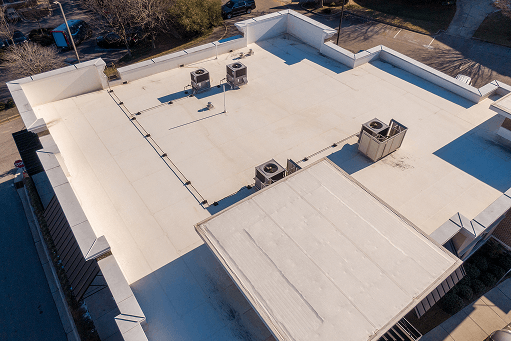
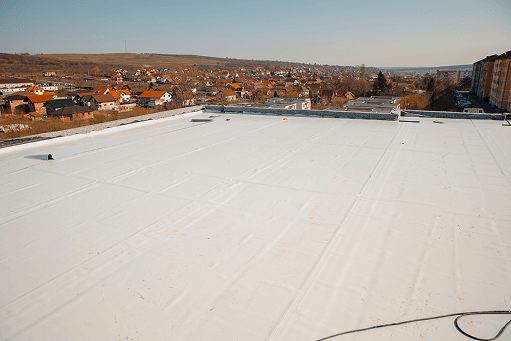
Despite its potentially daunting upfront costs, EPDM rubber roofing installation delivers substantial energy efficiency advantages that progressively offset the initial investment through reduced utility expenses. The reflective properties of white EPDM membranes help regulate building temperatures by reducing heat absorption during summer months. This thermal performance decreases air conditioning use and creates measurable reductions in energy consumption that accumulate over the membrane’s service life.
The exceptional lifespan of EPDM systems makes the installation price competitive when evaluated over decades of service. Quality EPDM installations routinely provide 20 to 30 years of reliable performance with minimal intervention required. This longevity spreads the initial installation cost across many years, creating favorable annual ownership expenses compared to shorter-lived alternatives that require frequent replacement or major repairs.
Maintenance requirements and costs for EPDM roofs remain low throughout the membrane’s service life. Annual inspections and basic cleaning are the primary ongoing expenses, with occasional seam maintenance being a common repair need. The simplicity of EPDM maintenance allows property owners to preserve their membrane’s performance without specialized contractors or expensive intervention procedures that characterize other roofing systems.
The combination of energy savings, minimal maintenance needs, and extended service life creates compelling financial advantages that make EPDM roofing costs highly competitive when evaluated against total ownership expenses rather than initial installation investment alone.
Secure Your Investment with A. Fricker Roofing and Waterproofing
Understanding the costs associated with EPDM rubber roof installation is crucial, but ensuring you choose the right professionals to deliver quality and durability is paramount. At A. Fricker Roofing and Waterproofing, our team provides top-tier EPDM roofing solutions tailored for both commercial and residential properties in Tulsa. Don’t let the complexities of roofing expenses deter you from securing a long-term investment for your property.
Ready to take the next step in enhancing your property’s value and protection? Call us today at (918) 402-7167 to learn more and receive a detailed estimate tailored to your specific roofing needs. Choose A. Fricker Roofing and Waterproofing for reliable service and unmatched expertise in Tulsa.