
Why Your Ballasted Commercial Roof Needs Regular Professional Inspection
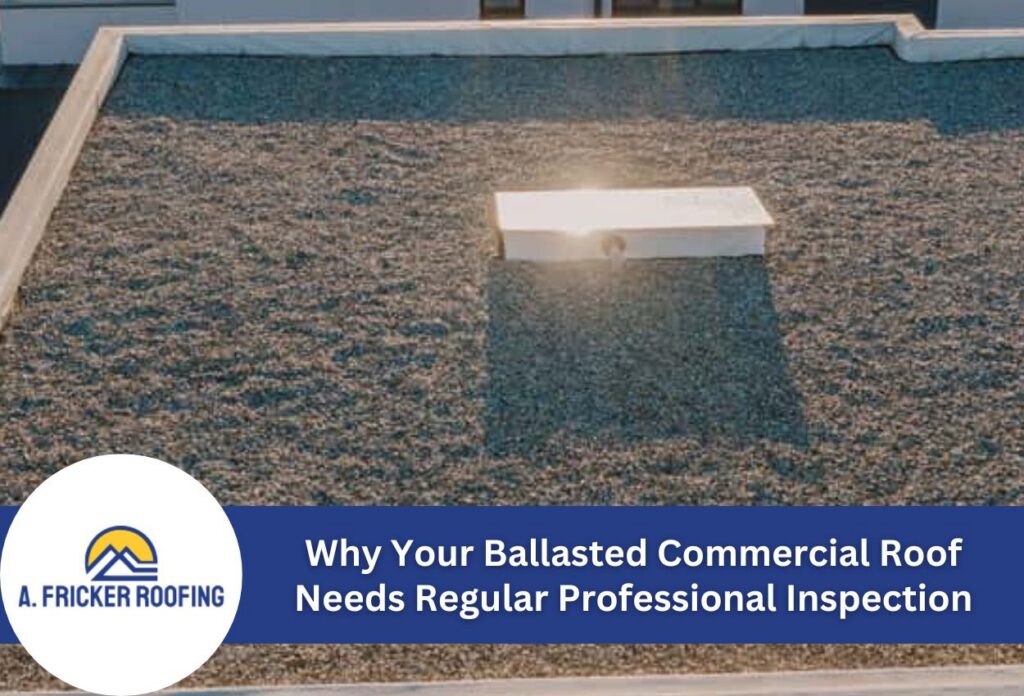

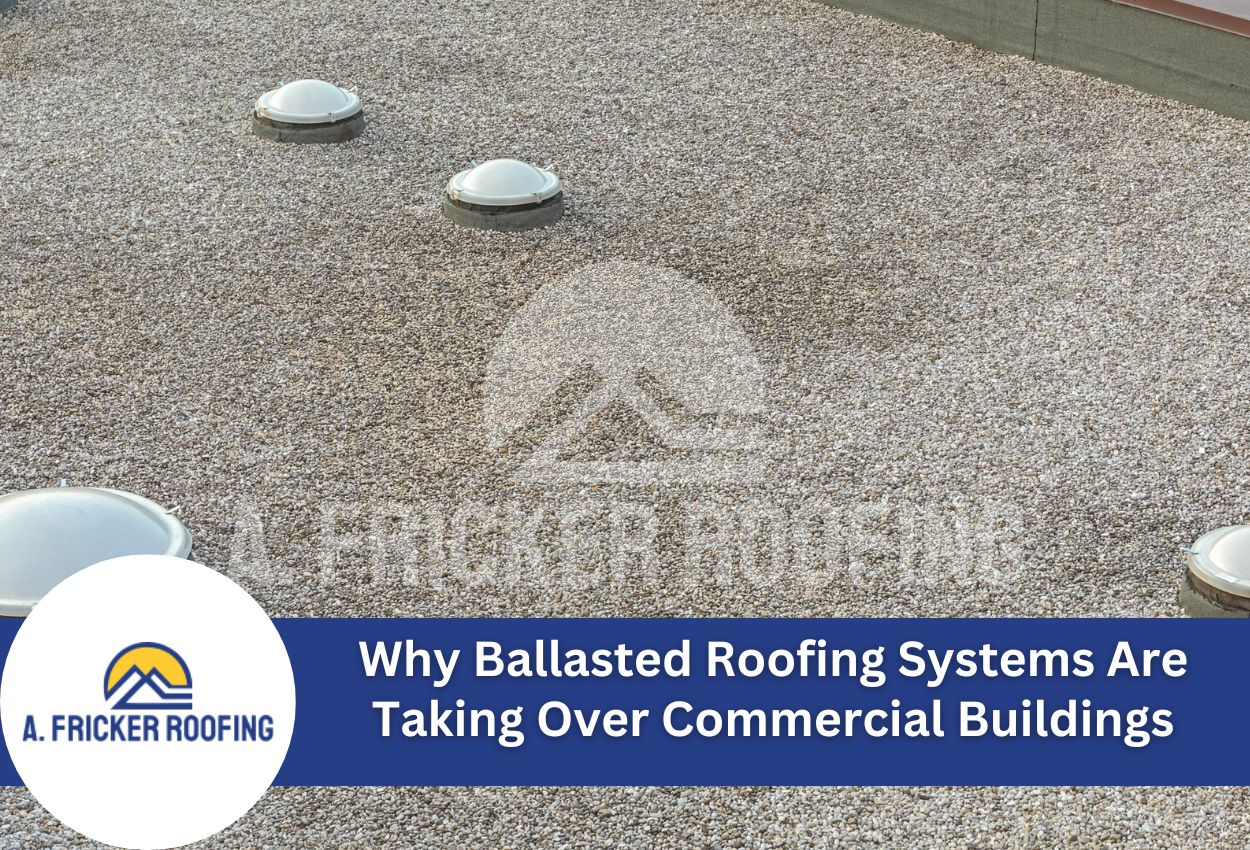
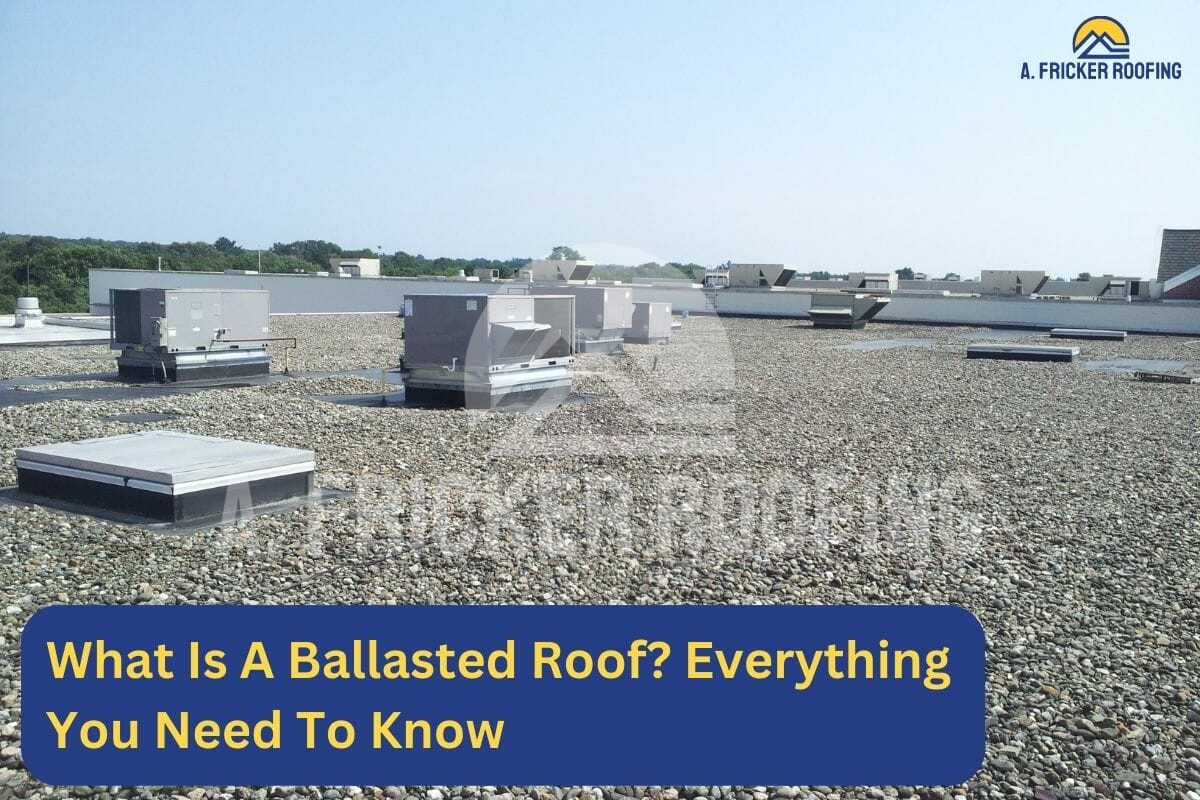
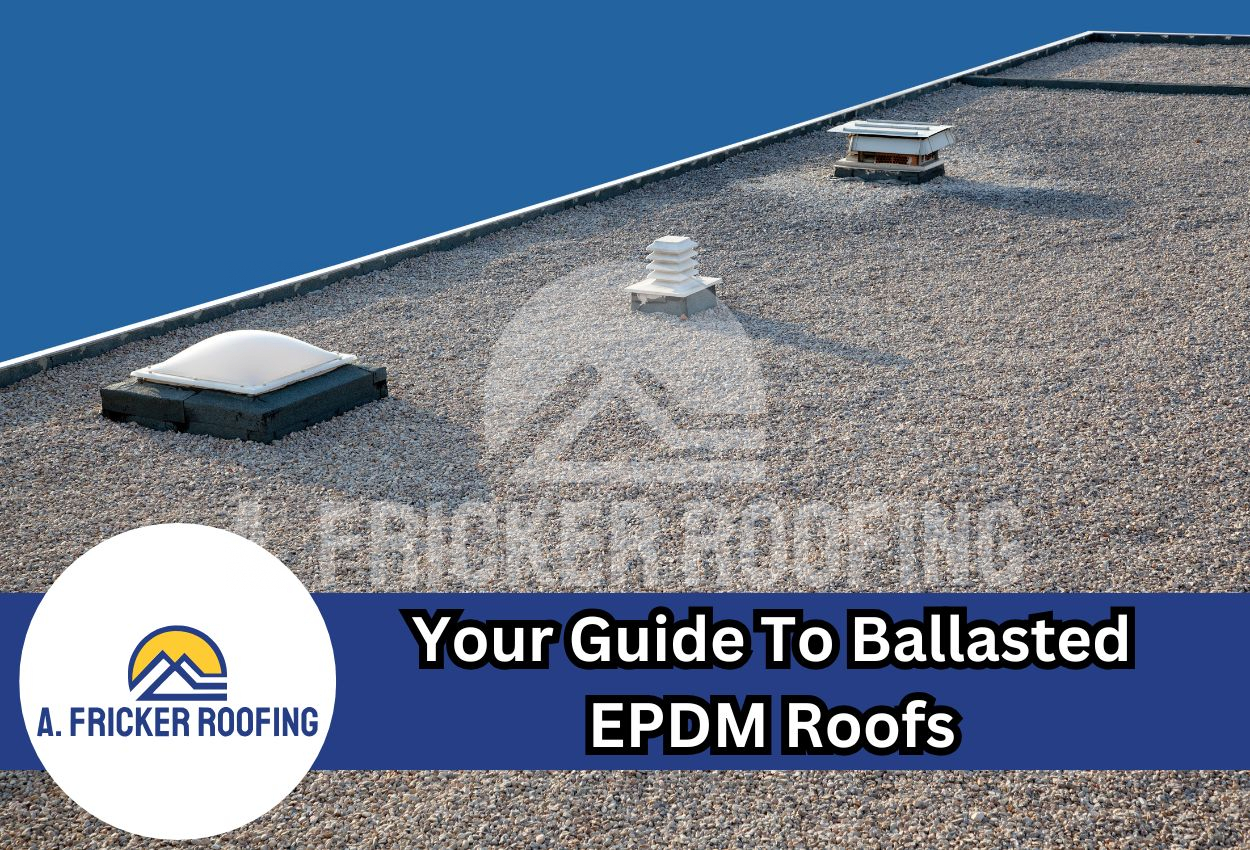
Ballasted roofing systems represent a popular choice for commercial buildings, using the weight of gravel, pavers, or stone to secure the roof membrane in place. While these systems offer durability and cost-effective installation, they require specialized attention to maintain their protective capabilities. The layers of ballast material can conceal underlying damage, making professional commercial roof evaluation essential for identifying problems before they escalate into major structural issues.
Regular flat roof ballast system inspection serves as the first line of defense against leaks, membrane deterioration, and drainage problems that commonly affect commercial properties. Without routine assessments, small punctures or displaced ballast can go unnoticed until water intrusion causes extensive damage to the building interior and inventory. Professional inspectors possess the expertise to navigate ballasted surfaces safely while assessing ballast roof damage that property managers might overlook during casual visual checks.
Fast ballast roof maintenance and repair extend the lifespan of the roofing system and protect the significant investment that commercial property owners have made in their buildings.
Warning Signs That Your Ballast Roofing System Requires Immediate Inspection
Recognizing the early indicators of ballast roof deterioration can prevent expensive emergency repairs and protect commercial properties from extensive water damage. Visible signs on the roofing surface include uneven distribution of gravel or stones, exposed membrane areas, and pooling water that remains 48 hours after rainfall. Property owners may notice ballast material accumulating in gutters and drains, which signals displacement caused by severe weather or inadequate installation. Blistering or bubbling of the membrane beneath the ballast layer indicates trapped moisture that requires quick attention from commercial roof inspection services.
Interior symptoms often provide the clearest evidence that a professional commercial roof evaluation is urgently needed. Water stains on ceilings, discolored walls, and musty odors all point to membrane breaches allowing leaks to form. Increased energy costs may result from compromised insulation beneath a damaged ballast system.
When assessing ballast roof damage, professionals examine both exterior conditions and interior manifestations to determine the full scale of necessary ballast roof maintenance and repair. Addressing these warning signs immediately prevents minor issues from developing into structural problems that threaten the entire building.
What to Expect During a Professional Ballast Roof Inspection
A thorough ballast commercial roof inspection follows a systematic approach that examines every component of the roofing system. The inspector begins by carefully removing sections of ballast material to access the underlying membrane, checking for punctures, tears, and proper adhesion. They evaluate drainage systems for blockages and assess whether water flows correctly away from the roofing surface. The professional commercial roof evaluation includes measuring ballast depth and distribution to ensure adequate weight secures the membrane while examining flashing, seams, and gaps for signs of separation or deterioration.
Following the flat roof ballast system inspection, property owners receive documentation detailing all findings. The report typically includes photographs of problem areas, measurements of damage extent, and priority rankings for necessary repairs. Inspectors provide specific recommendations for ballast roof maintenance and repair, outlining both immediate concerns and preventive measures.
This detailed documentation serves as a valuable reference for budgeting future maintenance and creates a historical record of the roof’s condition over time, helping property managers make informed decisions about their commercial roofing investment.
Common Issues Discovered During Ballast Roof Evaluations
A professional commercial roof evaluation frequently reveals problems related to ballast material and its distribution across the membrane surface. Displaced ballast creates vulnerable areas where wind uplift can compromise the roofing system, while excessive accumulation in specific zones adds unnecessary stress to structural components. Inspectors conducting flat roof ballast system inspections often find inadequate ballast depth that fails to properly secure the membrane, or contaminated material containing debris that can puncture the protective layer. Erosion patterns indicate poor initial placement or storm damage requiring immediate ballast roof maintenance and repair.
Membrane and drainage system vulnerabilities represent another important category identified during commercial roof inspection services. Professionals assessing ballast roof damage commonly discover UV degradation in exposed membrane sections, seam separations caused by thermal cycling, and punctures from foot traffic or maintenance activities. Clogged drains and scuppers prevent proper water evacuation, leading to ponding that accelerates membrane deterioration.
The weight of ballast material conceals these issues from casual observation, making specialized inspection techniques necessary to detect problems before they result in expensive water intrusion and structural damage to the commercial building.
Essential Maintenance and Repair Services for Ballasted Roofing Systems
Preventive maintenance programs for ballasted roofs focus on regular cleaning, ballast redistribution, and membrane protection to maximize system longevity. Scheduled ballast roof maintenance and repair includes removing debris that accumulates beneath stones, repositioning displaced material to maintain uniform coverage, and clearing drainage components to prevent water backup. Professional commercial roof evaluation teams reseal vulnerable seams and flashing points before minor separations develop into larger problems. These proactive services address wear patterns before they compromise the membrane, significantly extending the functional lifespan of the roofing system while reducing the likelihood of emergency repairs.
When a flat roof ballast system inspection reveals damage, specialized repair techniques restore the protective capabilities of the roofing assembly. Professionals patch punctured membranes using compatible materials and proper adhesion methods, replace deteriorated sections that cannot be effectively repaired, and rebalance ballast distribution to eliminate stress concentrations. Commercial roof inspection services include drainage system repairs that restore proper water flow and prevent ponding conditions. These targeted interventions address specific problems identified during assessing ballast roof damage while maintaining the overall structural integrity of the system, protecting the commercial property investment through fast and appropriate corrective action. For property owners seeking commercial roof repair in Tulsa, timely corrective work can help prevent minor ballast system issues from becoming costly roofing failures.
Selecting the Right Local Commercial Roofing Contractor for Your Inspection
Choosing a qualified contractor for ballast commercial roof inspection requires evaluating specific credentials that demonstrate expertise with these specialized systems. Look for roofing professionals who hold manufacturer certifications for ballasted roofing products and carry liability insurance and workers’ compensation coverage. Experience with flat roof ballast system inspection should include a proven track record on commercial properties similar in size and construction to your building. Established contractors maintain memberships in industry organizations and provide verifiable references from property managers who have used their commercial roof inspection services.
Licensed professionals understand local building codes and weather-related challenges that impact ballasted roofing performance in the region.
Before scheduling a professional commercial roof evaluation, property owners should ask contractors about their inspection methodology and reporting procedures. Important questions include how they approach assessing ballast roof damage, what equipment they use to examine membrane conditions beneath ballast material, and how they document their findings. Inquire about their recommendations for ballast roof maintenance and repair frequency based on your building’s age and condition. Request information about their response time for urgent issues and whether they provide preventive maintenance programs that may include commercial roof coatings when appropriate for the roofing system.
Understanding the contractor’s approach to communication ensures you receive the information needed to make informed decisions about your commercial roofing investment.
Taking Action After Your Ballast Roof Inspection Results
Once the professional commercial roof evaluation is complete, property owners must develop a strategic approach to addressing identified issues. The inspection report prioritizes findings based on severity, separating urgent problems requiring immediate ballast roof maintenance and repair from items that can be scheduled over time. Important concerns such as active leaks, extensive membrane damage, or structural vulnerabilities require quick attention to prevent further deterioration and protect building contents. Secondary issues like minor ballast redistribution or routine seam maintenance can be incorporated into planned maintenance cycles without compromising the roof’s structural integrity.
Establishing a regular inspection schedule ensures consistent monitoring of the ballasted roofing system throughout its service life. Most commercial roof inspection services recommend professional flat roof ballast system inspection at least twice a year, typically in spring and fall, with additional assessments following severe weather. This ongoing approach to assessing ballast roof damage allows property managers to track changes over time and address emerging problems before they escalate.
Documenting each inspection creates a full maintenance history that proves valuable for warranty claims, property transactions, and long-term capital planning for eventual roof replacement.
Expert Ballast Commercial Roof Inspection Services Near You
At A. Fricker Roofing and Waterproofing, we understand the importance of ensuring your commercial ballasted roofing system is in the best possible condition. Regular inspections by our professional team can prevent expensive repairs and extend the lifespan of your roof. Don’t wait for visible damage to escalate! If you’ve noticed any signs of wear or damage on your ballasted roof, it’s time to take action.
We specialize in ballast commercial roof inspections tailored to identify and address specific issues such as membrane damage, improper ballast distribution, and drainage problems. Our experienced professionals use the latest techniques and technology to provide thorough evaluations and actionable insights.
Don’t compromise on the safety and structural integrity of your building. Contact A. Fricker Roofing and Waterproofing today at (918) 205-4447 to schedule your professional roof inspection. Prioritize the safety and longevity of your commercial property with our expert services.