
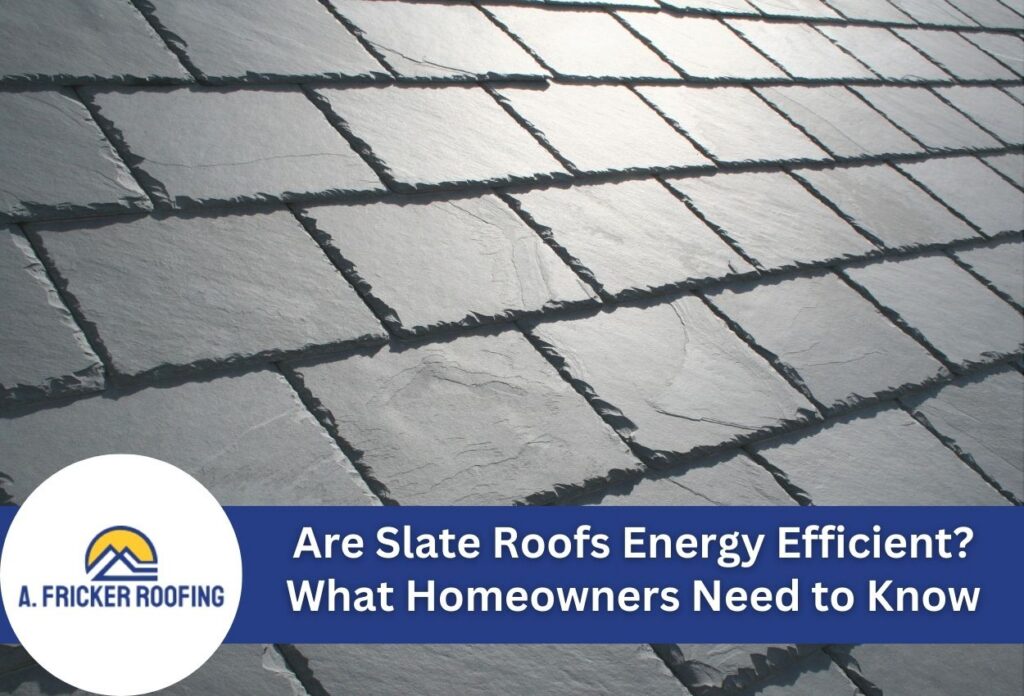
Are Slate Roofs Energy Efficient? What Homeowners Need to Know
Key Takeaways
- Boost Efficiency: Yes, slate roofs are energy efficient, significantly cutting heating and cooling costs by keeping your home cooler in summer and warmer in winter.
- Year-Round Comfort: Its dense natural stone composition uses thermal mass to stabilize indoor temperatures, reducing strain on your HVAC system throughout Oklahoma’s variable seasons.
- Superior Performance: Slate outperforms asphalt shingles, metal, and most other roofing materials by providing superior natural insulation and consistent temperature regulation.
- Invest Wisely: Expect 15-25% lower energy bills and decades of durable, eco-friendly performance when choosing slate roofing for your home.
Slate roofs deliver exceptional energy efficiency through their natural stone composition and superior thermal properties. These natural stone roofing materials provide excellent temperature regulation that keeps homes cooler in summer and warmer in winter, making them particularly valuable for Oklahoma’s variable climate conditions.
The energy-saving roofing materials category includes slate as one of the top performers due to its remarkable thermal mass benefits. Slate’s dense composition allows it to absorb heat during the day and release it slowly at night, creating natural temperature regulation that reduces strain on heating and cooling systems. This thermal mass effect means slate roofs can significantly lower energy consumption compared to conventional roofing materials.
Natural stone roof insulation properties stem from slate’s low thermal conductivity, which prevents rapid heat transfer between exterior and interior spaces. The material’s ability to maintain consistent indoor temperatures translates to reduced HVAC usage and lower energy bills throughout the year. Slate roof thermal properties include durability against extreme weather conditions while maintaining these energy-efficient characteristics for decades without degradation.
Understanding Slate’s Natural Thermal Properties
Slate’s unique mineral composition creates superior thermal performance compared to conventional roofing materials like asphalt shingles or metal roofing. The dense metamorphic rock structure of slate contains minerals such as quartz, mica, and chlorite, which provide excellent heat absorption and controlled release capabilities. This natural stone roof insulation effect occurs because slate’s crystalline structure slows heat transfer, preventing rapid temperature fluctuations that stress HVAC systems.
The scientific explanation behind slate roof thermal properties lies in the material’s exceptional thermal mass. Slate’s density, typically ranging from 160 to 180 pounds per cubic foot, allows it to store significant amounts of thermal energy. During hot summer days, slate absorbs heat gradually rather than immediately transferring it to the building interior. At night, this stored energy is released slowly, maintaining stable indoor temperatures. This slate roof temperature regulation reduces energy consumption by minimizing the workload on cooling and heating systems, making slate roofs energy-efficient investments for long-term energy savings.
Natural Stone Insulation Benefits for Your Home
The thickness and material density of slate provide significant insulation advantages over asphalt and metal roofing systems. Slate’s natural density creates a thermal barrier that effectively resists heat transfer, while typical asphalt shingles offer minimal thermal resistance. Metal roofing conducts heat rapidly, causing interior temperature spikes that increase cooling costs. Slate roof thermal properties include consistent temperature regulation that keeps homes comfortable year-round without excessive energy consumption.
Proper installation and quality underlayment systems maximize slate’s energy-saving roofing materials potential. Professional installation ensures adequate ventilation spaces beneath slate tiles, creating air gaps that enhance insulation performance. High-quality synthetic underlayment provides additional thermal protection while preventing leaks. These installation practices amplify slate roof thermal mass benefits by creating multiple insulation layers that work together to regulate indoor temperatures effectively.
The combination of slate’s natural thermal properties with expert installation techniques creates superior energy efficiency compared to conventional roofing materials. This natural stone roof insulation system reduces heating and cooling needs while providing decades of reliable temperature regulation performance.
Temperature Regulation Throughout Oklahoma Seasons
Slate roofs excel at temperature regulation during Oklahoma’s intense summer heat by reflecting solar radiation and preventing rapid heat transfer into living spaces. The natural stone composition absorbs heat slowly throughout the day, preventing the sudden temperature spikes common with metal roofing or asphalt shingles. This slate roof temperature regulation keeps indoor spaces significantly cooler during Tulsa’s summers, reducing air conditioning needs and energy costs.
During winter, slate roof thermal mass benefits become evident as the material retains accumulated thermal energy and releases it gradually. This controlled heat release helps maintain consistent indoor temperatures even when outdoor temperatures drop rapidly. The energy-saving properties of slate create a stabilizing effect that reduces heating system cycling and maintains comfortable living conditions.
The year-round performance of natural stone roof insulation demonstrates why slate roofs energy efficient characteristics make them ideal for Oklahoma’s variable climate. Slate’s thermal properties work continuously to moderate indoor temperatures, creating substantial energy savings across all seasons while providing reliable comfort throughout extreme weather conditions.
Thermal Mass Advantages of Slate Roofing Systems
Thermal mass represents the ability of materials to absorb, store, and gradually release heat energy. Slate’s exceptional weight and density create significant thermal mass that naturally regulates building temperatures throughout daily temperature cycles. This dense natural stone material can store substantial amounts of thermal energy, preventing rapid indoor temperature fluctuations that typically strain HVAC systems.
The slate roof thermal mass benefits occur through the material’s capacity to absorb heat during peak daytime temperatures and release this stored energy slowly during cooler evening hours. This natural temperature regulation process creates stable indoor environments without requiring constant heating or cooling system adjustments. The thermal mass effect reduces energy consumption by maintaining consistent interior temperatures that require less mechanical intervention.
Slate’s thermal mass properties significantly reduce HVAC system workload by minimizing temperature swings that trigger frequent system cycling. When indoor temperatures remain stable due to slate’s thermal regulation, heating and cooling equipment operate more efficiently with longer, less frequent cycles. This reduced system strain translates to lower energy consumption, decreased utility bills, and extended HVAC equipment lifespan. The combination of slate’s thermal mass and natural stone roof insulation creates the best conditions for energy-efficient home performance.
Comparing Slate to Other Energy Saving Roofing Materials
When evaluating slate roof thermal properties against metal roofing systems in Oklahoma’s climate, slate demonstrates superior temperature regulation capabilities. Metal roofing conducts heat rapidly, causing significant interior temperature fluctuations that stress cooling systems during summers. Slate’s natural stone composition provides thermal mass benefits that metal roofing cannot match, maintaining stable indoor temperatures through gradual heat absorption and release cycles.
Slate outperforms asphalt shingles and clay tiles in natural stone roof insulation properties due to its dense mineral composition and thermal mass characteristics. Asphalt shingles offer minimal thermal resistance and deteriorate under extreme heat, while clay tiles lack the thermal density of slate. Although clay tiles provide some thermal mass benefits, slate’s superior density creates more effective temperature regulation and longer-lasting energy-saving roofing materials performance.
The slate roof temperature regulation capabilities exceed those of synthetic roofing materials like rubber membranes or composite shingles. These manufactured materials cannot replicate slate’s natural thermal properties or provide comparable thermal mass benefits. While some energy-saving roofing materials offer reflective coatings or insulation layers, slate’s inherent thermal characteristics create consistent performance without relying on applied treatments that may degrade over time.
Long-Term Energy Savings and Environmental Impact
Proper slate roof installation creates substantial long-term energy savings through reduced heating and cooling expenses over the system’s extended lifespan. The superior slate roof thermal properties and natural stone roof insulation capabilities translate to measurable utility bill reductions that add up annually. Homeowners typically experience decreased energy consumption ranging from 15% to 25% compared to conventional roofing systems, with savings increasing as energy costs rise over time.
The environmental benefits of slate roofing extend beyond energy efficiency to include exceptional durability, complete recyclability, and minimal replacement frequency throughout the building’s lifetime. Slate’s natural stone composition eliminates the need for chemical treatments or synthetic additives that can impact environmental quality. The thermal mass benefits of slate reduce carbon emissions by decreasing HVAC system energy needs, while the material’s century-plus lifespan prevents frequent manufacturing and disposal cycles associated with shorter-lived roofing materials.
Choosing slate as one of the premier energy-saving roofing materials supports sustainable building practices through reduced resource consumption and waste generation. The slate roof temperature regulation capabilities minimize environmental impact by lowering overall building energy requirements while providing decades of reliable performance without replacement needs that burden landfill systems or require additional manufacturing resources.
Discover the Energy Efficiency of Slate Roofing with A. Fricker Roofing and Waterproofing
If you’re considering a new roof for your Tulsa home, understanding the energy efficiency of different materials is crucial. Slate roofs, known for their durability and curb appeal, also offer significant energy-saving benefits. At A. Fricker Roofing and Waterproofing, we specialize in installing slate roofs that not only enhance the look of your home but also contribute to substantial energy savings. Slate’s natural thermal properties help maintain a comfortable indoor temperature throughout the year, reducing your heating and cooling costs.
Call A. Fricker Roofing and Waterproofing today at (918) 402-7167 to learn more about our slate roofing solutions and how they can benefit your home.