
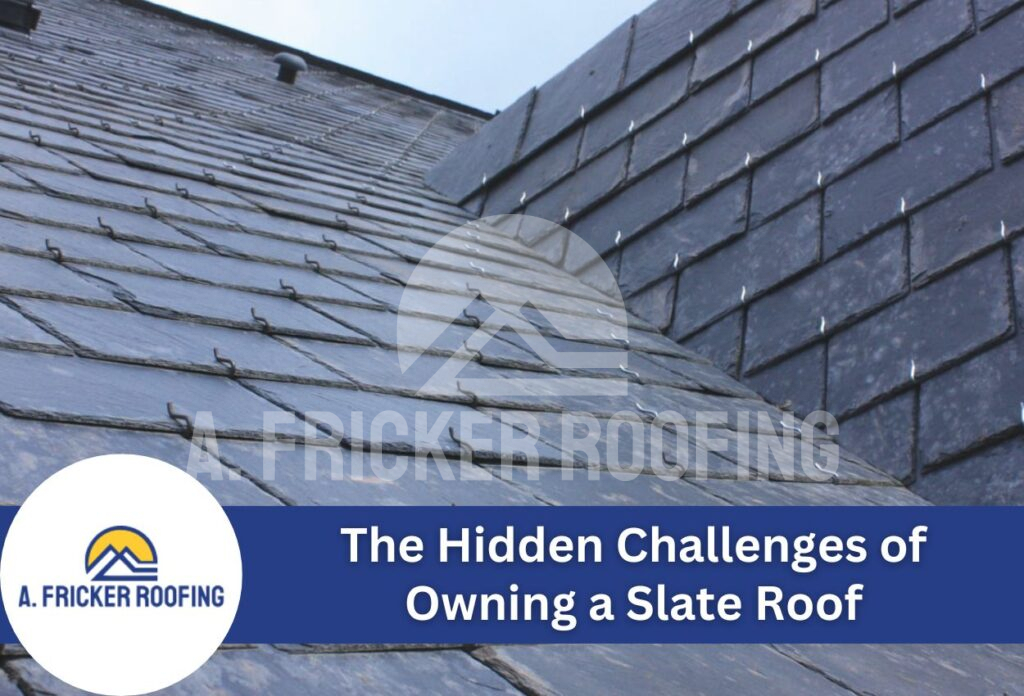

Slate roofs carry a prestigious reputation for lasting decades and weathering the toughest storms. Many homeowners choose slate, thinking they’ve invested in a maintenance-free roofing solution that will protect their property for generations. But the reality tells a different story. Even the most durable slate roofing systems face serious challenges that can catch homeowners off guard and create expensive headaches down the road.
The biggest problems with slate roofs often remain invisible until significant damage occurs. Broken slate shingles may go unnoticed for months, allowing water to seep through and damage the underlying structure. Cracked slate develops gradually, creating weak points that expand during temperature changes. These issues require specialized repair techniques that many contractors cannot properly perform.
Oklahoma’s extreme weather can be particularly harsh on slate roofing systems. The state’s frequent hailstorms, temperature swings, and severe winds test even the strongest slate installations. Understanding what conditions affect slate is necessary to protect both the roof and the home underneath it. Maintaining a slate roof requires knowing the warning signs that indicate potential problems before they turn into major structural issues that compromise the entire roofing system.
In this guide, we will get into six of the biggest problems with slate roofs, helping homeowners identify and remedy damage before it’s too late.
#1. Cracking and Breaking Under Pressure
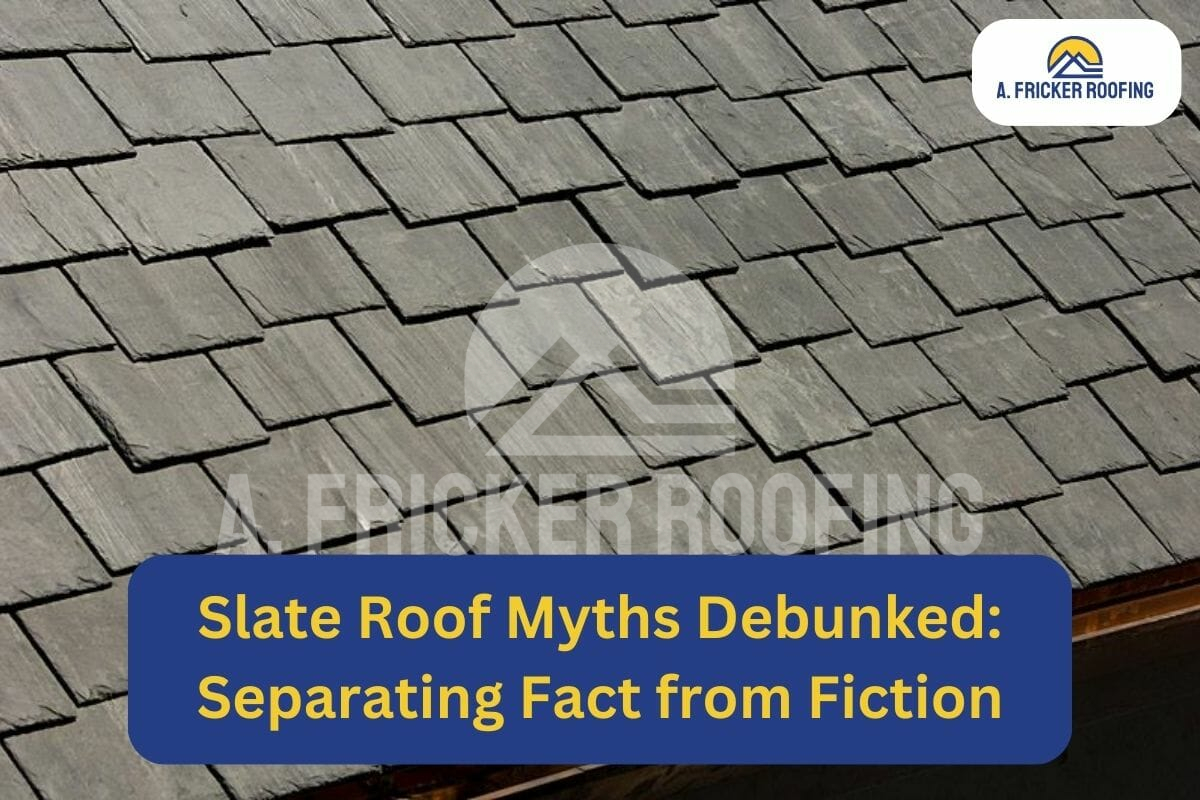
Natural slate’s vulnerability to cracking represents one of the most persistent challenges that property owners face. The material’s inherent brittleness makes it susceptible to developing hairline fractures that gradually expand over time. Freeze-thaw cycles create particularly damaging conditions as water seeps into microscopic cracks, freezes during cold snaps, and expands to widen the fissures. This repetitive process weakens the slate structure until complete failure occurs.
Thermal expansion compounds these problems as slate tiles expand and contract with temperature fluctuations. The constant movement stresses mounting points and creates additional stress fractures throughout the roofing system. Even minor impacts from falling branches or hail can initiate crack formation in slate that appears perfectly sound from ground level.
Additionally, broken slate shingles trigger a dangerous domino effect across the entire roof structure. A single damaged tile creates an entry point for water infiltration that affects surrounding materials. Moisture penetration leads to deterioration of underlayment, roof decking, and structural components that extend far beyond the original break point. The interconnected nature of slate roof systems means that ignoring broken pieces often results in exponentially more expensive repairs.
Effective slate roof maintenance includes regular inspections to identify cracked or compromised slate shingles before water damage spreads. Professional slate tile repair is generally essential for maintaining the system’s integrity and preventing expensive structural problems.
#2. The High Cost of Professional Repairs
Professional slate roof repairs need specialized expertise that separates qualified contractors from general roofers. The unique properties of slate require specific installation techniques, specialized tools, and extensive knowledge of proper mounting procedures. Most roofing contractors lack the training necessary to perform quality repairs without causing additional damage to surrounding materials. This specialization creates a limited pool of qualified professionals capable of addressing broken slate shingles.
The scarcity of qualified slate specialists also means homeowners often face extended wait times for repairs and premium pricing for services. Emergency repairs become particularly expensive when weather damage exposes the roof structure to further deterioration. Property owners frequently discover that routine slate roof maintenance requires ongoing relationships with specialized contractors who understand the unique demands of these roofing systems and can provide consistent quality workmanship over the roof’s extended service life.
Finding matching slate materials is another significant challenge that drives repair costs higher. Slate quarries produce materials with distinct color variations, textures, and characteristics that change over time. Repairing cracked slate often requires sourcing replacement tiles that closely match the existing installation’s appearance and performance. Mismatched slate creates obvious visual inconsistencies that detract from the roof’s curb appeal and can compromise its overall lifespan.
#3. Installation Mistakes That Cause Long-Term Problems
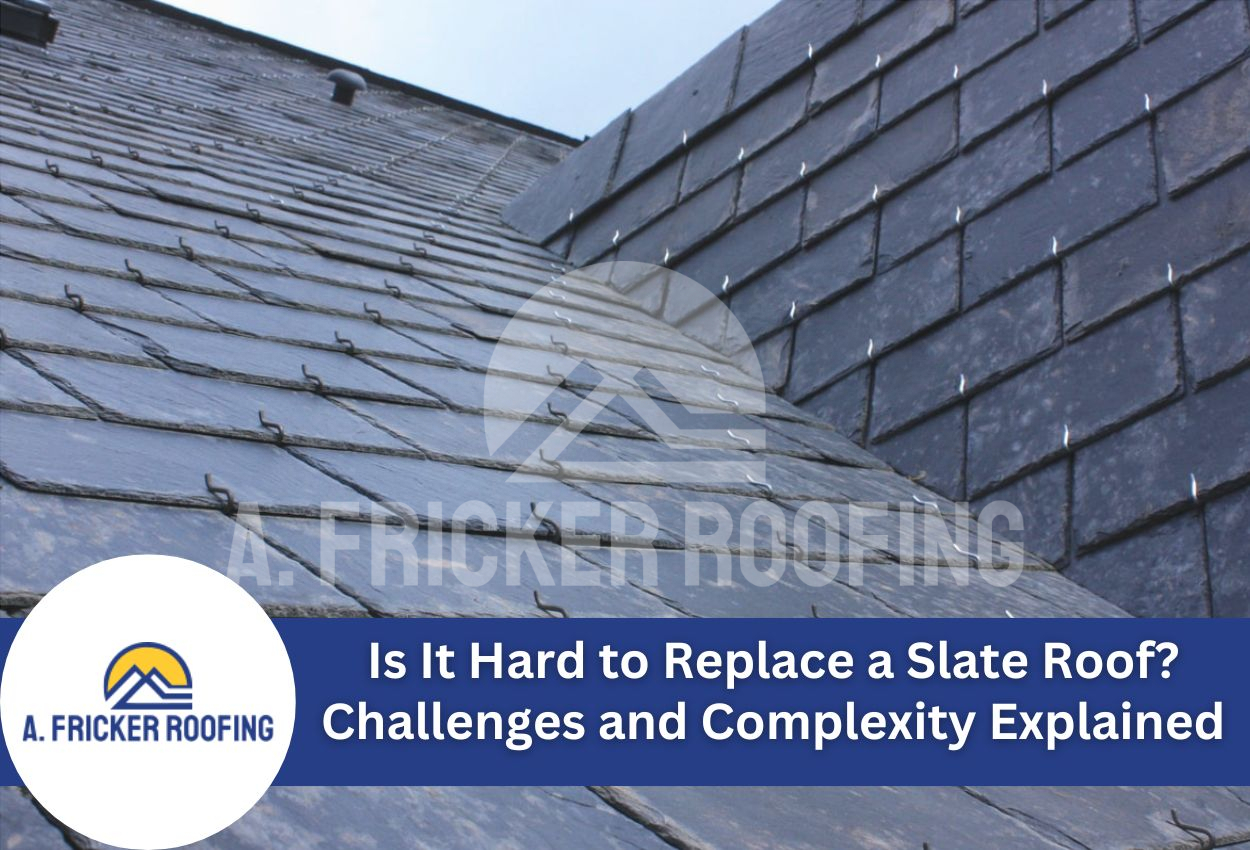
Poor installation creates the foundation for many future slate roof failures. Improper fastening techniques are one of the most critical errors during initial installation. Contractors who drive nails too deeply create stress points that crack slate tiles immediately or weaken them for future failure. Conversely, loose fasteners allow tiles to shift during strong winds, creating gaps that expose the roof structure to weather infiltration.
Inadequate underlayment installation creates hidden vulnerabilities that remain undetected until significant water damage occurs. Underqualified contractors may skimp on proper underlayment materials or installation techniques to reduce project costs. This short-sighted approach leaves the entire roofing system vulnerable to moisture penetration when individual slate tiles crack or break. Quality underlayment serves as the critical backup protection that prevents minor slate roof issues from becoming structural problems.
Another installation issue is incorrect slate overlap spacing and improper slope calculations, which create ongoing drainage issues that accelerate material deterioration. Water that cannot drain properly pools around slate tiles and finds entry points through mounting holes and seams. These installation errors often go unnoticed for years until homeowners discover extensive water damage requiring complete system replacement.
The biggest problems with slate roofs frequently trace back to these fundamental installation mistakes that could have been prevented with proper workmanship and attention to manufacturer specifications during the original construction process.
#4. Maintenance Difficulties and Safety Concerns
Slate roof maintenance presents unique safety challenges that make routine care both dangerous and expensive. The smooth surface of slate tiles creates extremely slippery conditions that become treacherous when wet or covered with moss and debris. Walking directly on slate tiles risks breaking the fragile material while simultaneously endangering anyone attempting to perform inspections or repairs. Professional roofers require specialized equipment and extensive safety training to work safely on slate surfaces without causing damage.
Regular inspections are critically important for identifying problems before they escalate, yet the difficulty of safely accessing slate roofs leads many homeowners to neglect this essential preventive care. Repairing cracked slate requires prompt attention to prevent water infiltration and structural damage. However, the specialized expertise needed for safe slate roof maintenance often means extended delays between identifying problems and completing repairs.
Homeowners often discover that routine tasks like gutter cleaning, flashing inspection, and debris removal require professional contractors with specialized equipment. This dependency on professional services transforms simple slate tile repair projects into expensive endeavors that discourage proactive maintenance. The result creates a cycle where deferred maintenance accelerates deterioration and ultimately reduces the expected slate roof lifespan through preventable neglect.
#5. Structural Support Requirements that are Often Overlooked
The extraordinary weight of slate roofs creates structural demands that many homes simply cannot handle safely. A typical slate roof weighs between 800 and 1,500 pounds per square, making it substantially heavier than asphalt shingles or other common roofing materials. This massive weight requires robust structural framing, properly spaced rafters, and adequate load-bearing capacity throughout the entire building framework. Many homes built for lighter roofing materials lack the necessary structural support to handle slate’s extreme weight load safely.
Homeowners often discover structural inadequacies only after installation reveals sagging rafters, stress cracks in walls, or other warning signs of structural failure. These problems develop gradually as the excessive weight exceeds the building’s design limitations. The biggest problems with slate roofs frequently stem from this fundamental mismatch between the roof’s weight and the structure’s capacity to support it safely over time.
Visible signs of structural stress include sagging rooflines, interior wall cracks, doors and windows that no longer close properly, and gaps developing around trim work. These indicators suggest the building framework is struggling under the slate’s weight and may be approaching failure. When structural support proves inadequate, even perfect slate roof maintenance cannot prevent system failure.
#6. Weather-Related Vulnerabilities in Oklahoma’s Climate
Oklahoma’s volatile weather patterns create particularly challenging conditions for slate roofing systems that extend far beyond typical wear concerns. The state’s frequent severe weather events test slate installations in ways that can accelerate deterioration and create unexpected maintenance needs. Hailstorms pose an especially serious threat to slate tiles, as even moderate-sized hail can crack or shatter individual pieces on impact. These weather-induced breaks often occur across multiple tiles simultaneously, creating widespread damage that requires extensive slate tile repair work.
High winds, which are common throughout Oklahoma, create additional stress on slate installations by lifting and shifting individual tiles. Wind-driven debris can become projectiles that strike slate surfaces with considerable force, leading to broken shingles that compromise the roof’s protective barrier. The combination of wind and flying debris during severe storms frequently results in multiple impact points that create numerous entry points for water infiltration.
Oklahoma’s dramatic temperature swings between seasons create particularly damaging expansion and contraction cycles for slate materials. Rapid temperature changes cause slate tiles to expand and contract at different rates than their mounting hardware and surrounding materials. This differential movement creates stress at fastening points and can lead to repairs becoming a recurring necessity. The constant thermal cycling gradually weakens the entire roofing system and can significantly reduce its expected lifespan compared to slate roofs in mild climates.
Overall, while slate roofs are extremely durable, often lasting a century or more, they are not without their challenges. If you are interested in learning more about slate roofs or need professional help, don’t wait to contact our team.
Protect Your Slate Roof with Expert Care from A. Fricker Roofing and Waterproofing
Understanding the biggest problems with slate roofs is crucial for homeowners with these unique installations or those considering one. Whether it’s dealing with the natural wear that leads to cracked slate or ensuring that your roof can withstand Oklahoma’s unpredictable weather, professional attention is key. Regular maintenance and repairing broken slate shingles are essential to extend the lifespan of your slate roof.
At A. Fricker Roofing and Waterproofing, we specialize in addressing these specific challenges. Our team is equipped with the skills and tools necessary to provide top-notch slate roof maintenance and repair. Call us today at (918) 402-7167 to schedule your consultation and keep your slate roof in perfect shape!