
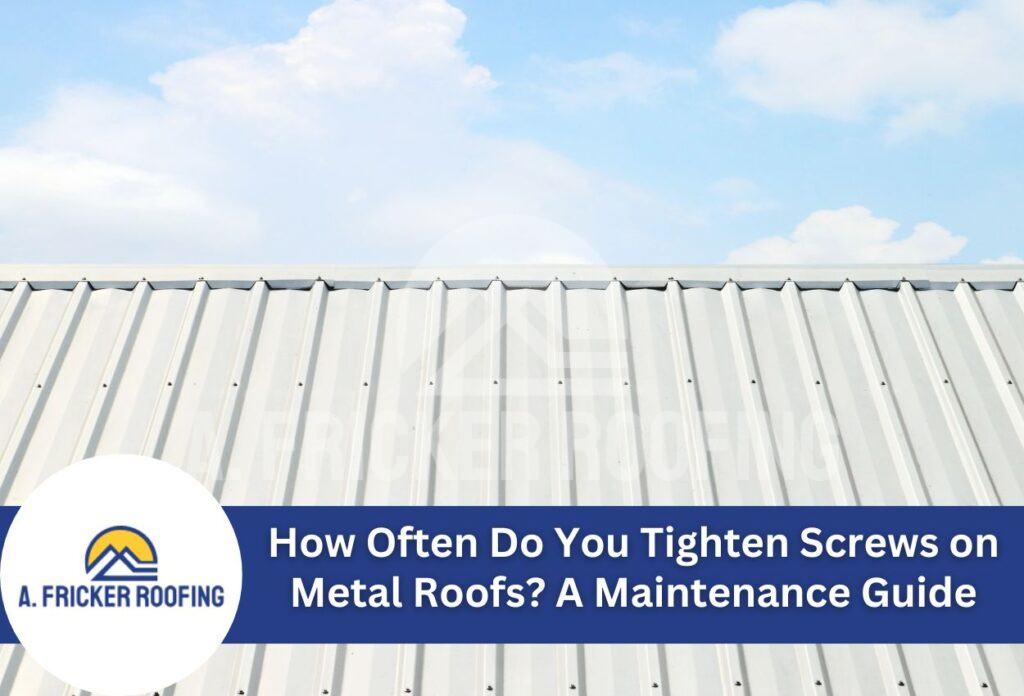
Metal roofs provide excellent protection against Oklahoma’s unpredictable weather, from intense summer heat to severe thunderstorms and occasional ice storms. The key to maintaining this protection lies in properly functioning fasteners that keep roofing panels securely attached to the structure. Screws serve as the critical connection points between metal panels and the roof deck, creating a weatherproof barrier that prevents water infiltration and wind damage.
Understanding how often to tighten screws on metal roofs becomes essential for homeowners who want to avoid expensive repairs and maintain their roof’s integrity. A proper screw maintenance schedule for metal roofs typically involves regular inspections to identify signs of loose metal roof screws before they become serious problems. Weather conditions, thermal expansion, and natural settling can cause fasteners to loosen over time, compromising the roof’s ability to protect the home.
Metal roof fastener inspection should occur at specific intervals based on environmental factors and roof age. Most roofing professionals recommend checking metal roof screws annually, though certain conditions may require more frequent attention. The frequency of metal roof screw tightening depends on various factors, including installation quality, weather exposure, and the type of fastening system used. Recognizing when to check metal roof screws prevents minor maintenance issues from developing into expensive structural problems.
Recommended Timeline for Checking Your Metal Roof Screws
Establishing a consistent screw maintenance schedule for metal roofing systems protects your investment and prevents unexpected repair costs. Most roofing professionals recommend conducting a metal roof fastener inspection 2 times a year for standard residential installations. Spring and fall inspections allow homeowners to address any issues before winter arrives.
New metal roofs typically require initial inspection within the first year, as thermal cycling and settling can affect fastener tension. After this initial period, annual inspections usually suffice for roofs in moderate climates. However, determining when to check metal roof screws depends heavily on local environmental conditions and exposure levels.
Roofs experiencing high wind exposure, frequent temperature fluctuations, or severe weather need more frequent attention. The frequency of metal roof screw tightening should increase after major storms, as wind uplift and debris impact can compromise the structural integrity of the fasteners.
Roof age significantly influences inspection schedules, with older installations requiring more frequent monitoring. Signs of loose metal roof screws become more common as roofing systems mature beyond 15 years. Properties with previous weather damage or repairs should follow accelerated inspection timelines to ensure continued structural integrity and weather protection.
Warning Signs That Your Roof Screws Need Immediate Attention
Identifying signs of loose metal roof screws before they cause significant damage requires knowing what to look for during routine property maintenance. Several visual indicators can alert homeowners to potential fastener problems that need professional attention.
From ground level, visible screw heads that appear raised or tilted suggest loosening has occurred. Metal panels showing gaps at seams or slightly lifted edges often indicate compromised fasteners. Rust stains or discoloration around screw locations could mean leaks have formed, which accelerates deterioration and requires immediate metal roof fastener inspection.
During gutter cleaning, homeowners may notice metal shavings or rubber gasket pieces that have fallen from deteriorating fasteners above. Panels that flex or move when touched during maintenance activities indicate loose connections that compromise structural integrity. These exterior warning signs help determine when to check metal roof screws more thoroughly.
Interior indicators often provide the first evidence of failing fastener systems. Water stains on ceilings or walls near the edges of the roof could mean leaks are forming through loose screw connections. Unusual drafts or temperature variations in upper-floor rooms can also be an indication of compromised panel sealing, and ice dam formation during winter can signal areas where loose fasteners allow heat transfer through gaps.
Attic inspections may reveal daylight visible through the roof deck areas where fasteners have pulled away. These interior warning signs require immediate professional evaluation to prevent extensive water damage and maintain the frequency of metal roof screw tightening needed for optimal performance.
The Process for Inspecting Metal Roof Fasteners
Conducting a metal roof fastener inspection requires preparation and the right tools to ensure an accurate assessment without damaging the roofing system. Before beginning any examination, homeowners should prioritize safety by checking weather conditions and avoiding working on wet or windy days that increase slip hazards.
Essential tools include binoculars for ground-level observation, a sturdy ladder with proper safety equipment, and a cordless drill with appropriate bits for any necessary adjustments. A digital camera helps document problem areas for professional consultation, while soft-soled shoes prevent panel damage during roof access, and knee pads protect both the inspector and the metal surface.
During closer examination, properly positioned screws should sit flush with slight washer compression without over-tightening, which requires a rubber gasket. Check the washer condition for cracking, hardening, or deterioration that compromises weather sealing. Corrosion around fastener locations indicates leaks requiring immediate attention.
Document how frequently screws on your metal roof need to be tightened based on inspection findings, noting any patterns of loosening that suggest underlying structural issues or installation problems requiring professional evaluation.
When to Tighten Screws Yourself and When to Call a Professional
Determining whether to handle metal roof screw maintenance personally or contact a roofing contractor depends on several factors, including safety considerations, structural complexity, and the extent of fastener issues discovered during inspection. Simple maintenance tasks can often be managed by homeowners with proper tools and safety equipment, while complex situations require professional expertise.
Homeowners can typically handle basic tightening of accessible screws when only a few fasteners show minor loosening without structural complications. This DIY approach works well for single-story homes with low-pitched roofs where safe ladder access allows proper positioning. Essential safety equipment includes non-slip shoes, safety harnesses, and stable ladder placement on level ground away from power lines.
However, extensive loose areas spanning multiple panels indicate potential structural issues that exceed basic maintenance capabilities. Professional roofing contractors possess specialized equipment and experience to assess underlying problems causing widespread fastener failure. Complex situations involving damaged decking, multiple missing screws, or compromised panel integrity require professional intervention to prevent further damage.
Safety risks, including steep roof pitches, heights exceeding comfortable ladder reach, or weather-damaged areas, should always be addressed with professional consultation. Attempting repairs beyond basic skill levels can make existing problems worse, creating liability issues. When establishing a screw maintenance schedule for metal roofs, consulting with experienced contractors helps determine appropriate inspection intervals and identify situations requiring professional attention rather than DIY approaches.
Proper Techniques for Tightening Metal Roof Screws Safely
Achieving proper fastener tension requires specific tools and techniques to prevent damage while ensuring adequate holding power. A cordless drill with adjustable torque settings provides precise control for metal roof screw tightening. Socket-head drivers designed for roofing fasteners prevent stripped screw heads that compromise structural integrity.
Torque specifications vary by manufacturer and should be followed closely. Over-tightening crushes rubber washers and creates leak paths, while under-tightening allows panel movement during thermal expansion.
When adjusting loose fasteners, turn screws gradually in quarter-turn increments while monitoring washer compression. Properly seated screws show slight rubber bulging around the washer edge without excessive deformation. Replace any washers showing cracks, hardening, or significant deterioration during the metal roof fastener inspection process.
Weather conditions significantly impact safe working procedures on metal surfaces. Avoid tightening operations during wet conditions when panels become extremely slippery. Morning dew creates hazardous conditions that persist until surfaces are completely dry. Wind speeds exceeding 15 mph make ladder work dangerous and can affect how precisely work can be done with tools.
Essential safety equipment includes non-slip footwear, safety harnesses, and proper ladder positioning at appropriate angles. Working during cooler temperatures prevents burns from hot metal panels while improving grip. These safety measures become critical when determining when to check metal roof screws and perform necessary adjustments safely.
Long-Term Strategies to Reduce Future Screw Maintenance
Implementing strategic approaches to fastener selection and installation techniques significantly extends the intervals in your screw maintenance schedule for metal roofs. High-quality fasteners with corrosion-resistant coatings provide superior longevity compared to standard options, reducing the frequency needed when determining how often to tighten screws on metal roofs.
Premium fasteners featuring stainless steel construction or specialized coatings resist Oklahoma’s changing weather conditions better than basic galvanized options. Self-sealing washers with enhanced rubber compounds maintain flexibility longer, preventing premature deterioration that creates signs of loose metal roof screws. Professional installation using calibrated torque tools ensures consistent fastener tension from the start, establishing a proper foundation for long-term performance.
Proper fastener spacing according to manufacturer specifications distributes structural loads evenly across the roofing system. Over-fastening creates unnecessary puncture points while under-fastening places excessive stress on individual connections. Quality installation practices include pre-drilling pilot holes in dense materials and using appropriate fastener lengths for specific applications.
Regular preventive maintenance complements quality fastener systems by addressing minor issues before they escalate. Annual gutter cleaning removes debris that can trap moisture against fastener locations, accelerating corrosion. Quickly removing organic growth, like moss or algae, prevents moisture retention that compromises fastener integrity over time.
Seasonal roof cleaning eliminates abrasive particles that cause premature wear on fastener heads and washers. This approach reduces the frequency of metal roof screw tightening while extending overall system lifespan through proactive care rather than reactive repairs.
Expert Metal Roof Screw Maintenance in Tulsa
If you’re noticing any signs of loose or damaged screws on your metal roof, it’s critical to act quickly to prevent further complications. At A. Fricker Roofing and Waterproofing, we specialize in ensuring your roof remains in top condition, safeguarding your home against Tulsa’s unpredictable weather.
Whether you’re unsure about the condition of your roofing screws or know they need immediate attention, our team is here to help. With our expert knowledge on how often to tighten screws on metal roofs, we provide thorough inspections and precise tightening to maintain your roof’s integrity. Call us today at (918) 402-7167 to schedule your metal roof screw maintenance and secure your home for years to come.
Frequently Asked Questions
Got questions about your roof? We’ve got answers. From maintenance tips to insurance claims and repair timelines, our FAQ section covers the most common concerns homeowners have. Get informed and make confident decisions about protecting your home.
People Also Ask
Do different types of metal roofing systems require different screw maintenance schedules?
Yes. Exposed-fastener metal roofs typically need more frequent screw monitoring because the fasteners penetrate the metal surface and are more vulnerable to movement, UV degradation, and gasket wear. Standing seam roofs use concealed fasteners, which rarely require tightening unless the panels themselves shift or a clip system loosens.
Can switching to different fasteners reduce how often screws need tightening?
Upgrading to high-grade fasteners, such as stainless steel, coated screws, or fasteners with long-life EPDM washers, can significantly reduce future loosening. Better corrosion resistance and higher-quality washers maintain tension longer, which lowers maintenance frequency over the roof’s lifespan.
Will adding insulation or ventilation affect how often screws loosen?
Yes. Improved attic ventilation or insulation reduces temperature swings across the roof deck. Smaller thermal fluctuations decrease panel expansion and contraction, which can in turn reduce fastener movement and may allow for longer intervals between inspections.
Is it possible for screws to be too tight from the initial installation?
Absolutely. Over-tightened screws can crush washers, warp panels, or strip the substrate, all of which create early loosening and leak risks. If a roof is improperly installed with excessive torque, it may require more frequent early-life inspections.
Should screw maintenance be done during certain seasons for the best results?
Yes. The ideal time is during mild, dry weather, typically spring or fall. Metal is cooler, safer to walk on, and more stable for accurate tightening. Avoid extremely hot summers, icy conditions, or days with active moisture to ensure safe and effective adjustments.
Related Articles
-
 July 13, 2025Fully Adhered vs. Mechanically Attached Roofing Systems: What Oklahoma Building Owners Need to KnowFully adhered vs. mechanically attached roofing? Compare durability and weather resistance to choose the best option for your commercial property.
 -
 June 10, 2026Metal Roofing in Tulsa: Your Complete Guide to Making the Right DecisionPlanning a roof replacement in Tulsa? Compare costs, lifespan, storm durability, and contractor options.
 -
 May 25, 2025The Ultimate Guide: Stone-Coated Steel vs. Regular Metal RoofsStone-coated steel vs. metal roofs compare durability, style, and weather resistance to find the best fit for your Tulsa home.
Protect Your Home with Expert Roofing
Don’t wait for leaks or storm damage to cause costly repairs. Our experienced roofing team provides fast, reliable service, high-quality materials, and lasting results. Ensure your home stays safe, secure, and looking great—contact us today for a free estimate.