
Key Points:
- When roof insulation is damaged, immediately identify signs like high energy bills or visible deterioration to prevent further issues.
- Assess the damage extent to decide if spot repairs suffice or if full insulation replacement is required for widespread problems.
- Most damage needs professional attention, but proactive maintenance and addressing root causes prevent future insulation problems.
Damaged roof insulation creates serious problems that require immediate attention from homeowners. When insulation becomes compromised through moisture, pest damage, or age-related deterioration, energy bills skyrocket, and structural issues can develop throughout the home. Signs of damaged roof insulation include uneven temperatures between rooms, ice dams forming on gutters, and visible moisture or mold in attic spaces.
Roof insulation problems require a systematic approach to assessment and repair. Homeowners must first identify the extent of the damage, determine whether repair or replacement is necessary, and choose appropriate insulation repair methods. Damaged attic insulation affects the entire home’s energy efficiency and comfort levels, making quick action essential to prevent further complications.
The decision-making process involves evaluating multiple factors, including the type of damage, age of existing insulation, and overall condition of the roofing system. Understanding these elements helps property owners make informed choices about roof insulation replacement or targeted repairs, ensuring long-term protection and energy efficiency for their homes.
Recognizing Warning Signs That Your Roof Insulation Needs Attention
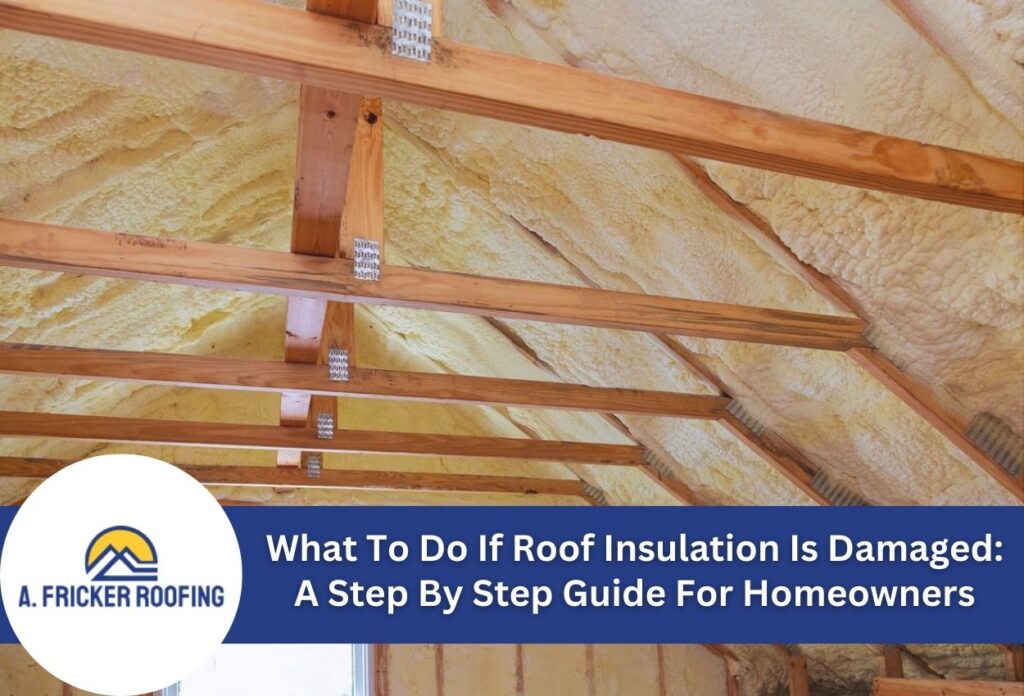
Identifying signs of damaged roof insulation begins with careful inspection of your attic space. Physical indicators include wet spots on insulation materials, compressed or settled insulation that has lost its thickness, and visible deterioration such as crumbling or discolored materials. Damaged attic insulation may also show evidence of pest activity, including droppings or nesting materials that compromise the insulation’s effectiveness.
Performance symptoms throughout your home provide additional clues about roof insulation problems. Unexplained increases in energy bills often signal insulation failure, as your heating and cooling systems work harder to maintain comfortable temperatures. Temperature inconsistencies between rooms, drafts near ceilings, and moisture problems like condensation on windows indicate compromised insulation performance.
Additional warning signs include ice dams forming along roof edges during the winter and excessive heat buildup in upper floors during summer. These symptoms suggest that insulation repair methods or complete roof insulation replacement may be necessary to restore proper thermal barriers and prevent further damage to your home’s structure and energy efficiency systems.
Assessing The Extent Of Damage Before Taking Action
Proper assessment of damaged attic insulation requires systematic inspection to determine whether problems are isolated or widespread throughout the space. Begin by examining insulation in multiple areas of the attic, noting any sections showing compression, moisture damage, or pest contamination. Document problem areas with photographs and measurements to create a record of roof insulation problems that will help guide repair decisions.
Safety remains paramount during inspection, so use proper lighting and stable footing while avoiding contact with potentially contaminated materials. Look for patterns in the damage that might indicate specific causes, such as roof leaks creating localized wet spots or uniform settling that suggests age-related deterioration across the entire attic space.
Professional evaluation becomes necessary when damage covers more than 30% of the attic area, when structural issues are apparent, or when mold growth is suspected. Extensive contamination, multiple types of damage occurring simultaneously, or signs of ongoing moisture intrusion typically indicate that roof insulation replacement rather than simple insulation repair methods will provide the most effective solution for restoring your home’s energy efficiency and structural integrity.
The Repair or Replacement Decision-Making Process
Determining whether to repair or replace damaged roof insulation depends on the scale and severity of the problems identified during assessment. Spot repairs and partial insulation restoration work effectively for isolated damage affecting small sections of the attic. These targeted insulation repair methods prove suitable when water damage is limited to specific areas, when only portions of the insulation have shifted or settled, or when minor pest activity has affected localized zones without widespread contamination.
Complete roof insulation replacement becomes necessary when damage extends beyond repairable limits. Extensive water damage that has saturated large areas of insulation material requires full removal and replacement to prevent mold growth and structural deterioration. Significant pest contamination throughout the attic space also requires a complete replacement, as contaminated materials pose health risks and cannot be adequately cleaned or restored.
Age-related deterioration affecting the majority of existing insulation typically warrants full replacement rather than piecemeal repairs. When insulation has lost substantial thickness due to settling or compression across most of the attic area, partial repairs will not restore proper energy efficiency levels. Similarly, multiple types of damage occurring simultaneously often indicate that roof insulation replacement provides the most cost-effective long-term solution for addressing all roof insulation problems.
Going With a Professional Installation or Taking a DIY Approach
Professional installation remains the safest and most effective approach for addressing damaged roof insulation in most situations. Roofing contractors possess specialized knowledge of building codes, ventilation requirements, and proper installation techniques that ensure the best performance and safety. Professional teams understand the complexities of air sealing, vapor barriers, and ventilation systems that work together to create effective thermal barriers while preventing moisture problems that can cause future damage.
Safety concerns make professional installation essential for extensive insulation projects. Working in confined attic spaces presents risks, including falls, exposure to contaminated materials, and potential electrical hazards. Professional installers have proper safety equipment and training to handle these challenges while ensuring compliance with local building codes and manufacturer specifications for insulation materials.
Limited DIY scenarios exist for minor insulation issues that homeowners can address safely. Small gaps around pipes or light fixtures can be sealed using appropriate materials, and minor settling in accessible areas may be corrected with additional insulation. However, these repairs should only be attempted when damage is minimal, the attic space is easily accessible, and no signs of contamination or structural issues are present. Even for small repairs, proper safety equipment and careful material selection remain essential for achieving lasting results.
Preventing Future Insulation Damage Through Proactive Maintenance
Establishing regular inspection schedules helps property owners identify potential issues before they escalate into major roof insulation problems. Monthly visual checks of accessible attic areas can reveal early warning signs such as minor moisture spots, small pest entry points, or slight settling of insulation materials. Seasonal inspections following severe weather or temperature extremes provide opportunities to catch damage while it remains manageable through simple insulation repair methods rather than requiring complete replacement.
Addressing underlying causes prevents recurring damage to roof insulation systems. Regular roof maintenance, including gutter cleaning, shingle replacement, and flashing repairs, eliminates water intrusion that leads to damaged attic insulation. Proper ventilation systems require annual inspection and cleaning to ensure adequate airflow that prevents moisture buildup and temperature extremes that degrade insulation performance over time.
Pest prevention measures protect insulation from contamination and structural damage. Sealing entry points around vents, pipes, and roof gaps blocks access routes that rodents and insects use to reach attic spaces. Maintaining proper clearances between tree branches and the surface of the roof reduces animal access, while keeping gutters clean eliminates standing water that attracts pests seeking nesting sites near insulation materials.
Working With Local Roofing Contractors For Insulation Solutions
Selecting qualified roofing contractors in the Tulsa area requires a close look at credentials and experience with insulation projects. Verify that potential contractors hold current Oklahoma state licensing and carry liability insurance specifically covering insulation work. Ask about their experience with roof insulation replacement projects similar to your specific situation, including the types of materials they recommend and their familiarity with local building codes that govern insulation installations.
Essential questions should cover warranty coverage for both materials and workmanship, typical project timelines, and their approach to handling unexpected issues during installation. Request references from recent insulation projects and inquire about their process for addressing signs of damaged roof insulation that might be discovered during the work. Qualified contractors will provide detailed written estimates that specify materials, labor, and cleanup procedures without pressuring homeowners into immediate decisions.
The professional installation process typically begins with thorough assessment and preparation requirements,s including protecting living spaces from debris and ensuring proper ventilation during material removal. Contractors should explain their timeline for completing roof insulation problems, including weather contingencies and any preparation work homeowners need to complete beforehand. Following installation, reputable professionals provide maintenance recommendations and clear warranty terms that protect your investment in new insulation systems.
Trust A. Fricker Roofing and Waterproofing for Expert Insulation Repair and Replacement
If you’re noticing signs of damaged roof insulation, such as increased energy bills, inconsistent indoor temperatures, or visible deterioration in your attic, it’s important to address these issues quickly to prevent further damage and expensive repairs. A. Fricker Roofing and Waterproofing specializes in both repair and replacement of roof insulation, ensuring your home remains energy-efficient and protected from the elements.
Choosing the right solution between repair and replacement can be challenging, but you don’t have to make this decision alone. Our experienced team at A. Fricker Roofing and Waterproofing can assess the extent of the damage and recommend the best course of action tailored to your specific needs.
Don’t wait for the damage to escalate, causing more severe structural issues and higher utility costs. Call us today at (918) 402-7167 to schedule a professional evaluation and to discuss your insulation repair or replacement options. Let us help you restore the comfort and efficiency of your home with our reliable roofing solutions.