
Key Points:
- Learn to recognize the signs of wood shake roof damage, like curling, splitting, or missing shakes, to prevent expensive problems.
- Watch for interior water stains, musty odors, or moss and algae growth, as these also indicate roof issues.
- Distinguish between normal aging and serious deterioration to know when a professional wood shake roof inspection is needed.
Wood shake roofs provide natural beauty and excellent insulation, but they require vigilant monitoring to maintain their protective qualities. Recognizing signs of wood shake roof damage early can prevent expensive structural problems and protect your home from leaks and weather-related harm.
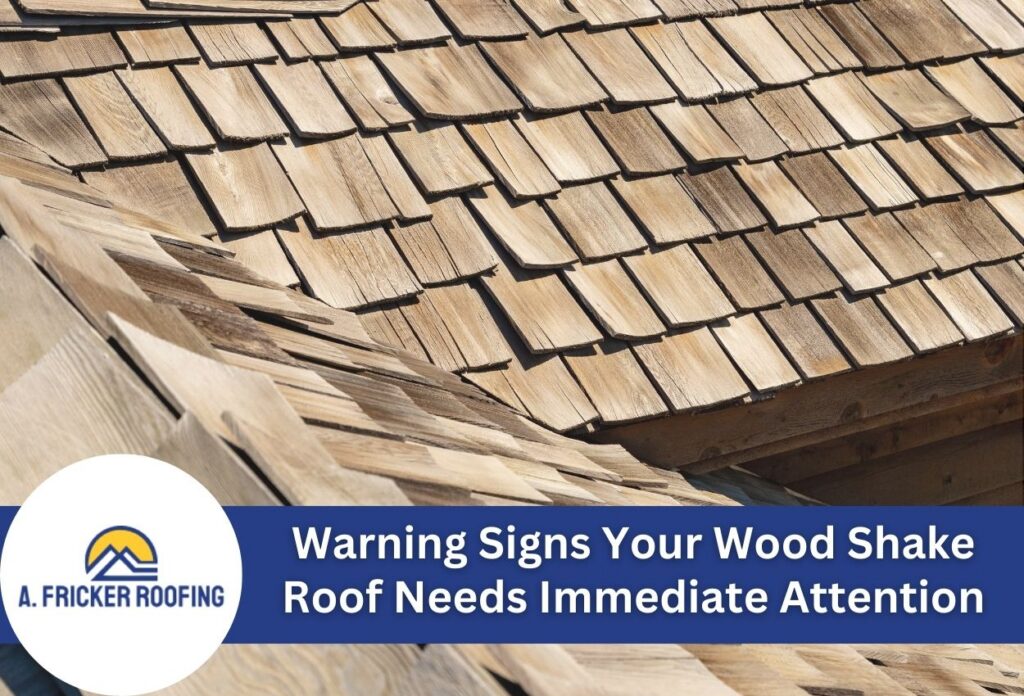
Important visual indicators of cedar shake roof problems include cracked or split shakes, missing pieces, and visible moss or algae growth. Curling edges, black staining, and loose or shifted shakes also signal deterioration that requires professional wood shake roof inspection. These warning signs often appear gradually, making regular roof damage assessment essential for homeowner protection.
Wood shake roof deterioration accelerates when minor issues go unaddressed. Normal weathering creates a silvery-gray patina over time, but serious damage manifests through structural compromise, leaks, and decay. Understanding the distinction between acceptable aging and problematic wear helps homeowners make informed decisions about wood shake maintenance timing and urgency.
Curling and Splitting Shakes That Signal Deterioration
Weather exposure gradually causes wood shakes to curl at their edges, creating gaps that compromise the roof’s waterproofing ability. This curling occurs when repeated cycles of moisture absorption and drying cause the wood fibers to expand and contract unevenly. As shakes curl upward, they lose their overlapping seal with adjacent pieces, allowing water to leak beneath the roofing surface during storms.
Different types of splits and cracks in cedar shakes reveal varying degrees of structural weakness and moisture damage. Hairline cracks running parallel to the wood grain typically indicate normal weathering, while wider splits that extend across the shake’s width suggest more serious deterioration. End splits near the shake’s bottom edge are particularly problematic, as they allow water to travel upward through capillary action.
During a wood shake roof inspection, professionals identify cross-grain cracks that signal advanced wood shake roof deterioration requiring immediate attention. These perpendicular splits often result from freeze-thaw cycles or excessive moisture retention, weakening the shake’s structural integrity and creating entry points for water damage throughout the roofing system.
Missing or Loose Shakes and Exposed Nail Patterns
Individual wood shakes that have fallen off or shifted position create significant vulnerabilities in roof coverage, exposing the underlying structure to direct weather impact. These gaps typically develop when fasteners fail due to corrosion, wood shrinkage, or repeated thermal expansion cycles. Missing shakes leave adjacent pieces unsupported and more susceptible to wind uplift during storms.
Visible nail heads scattered across the surface of the roof indicate loose fasteners that no longer secure shakes properly to the roof decking material. When nails back out or lose their holding power, they create small punctures in the roofing material while failing to maintain shake positioning. These exposed fastener points become direct pathways for leaks, leading to rot in both the shakes and the underlying roof structure.
Shifted shakes often reveal nail patterns from their original installation positions, showing where previous fastening attempts occurred. A professional wood shake roof inspection identifies these loose areas before complete shake displacement occurs. Early detection during roof damage assessment allows for targeted cedar shake roof problem resolution, preventing extensive water damage and maintaining the roof’s protective barrier against Oklahoma weather conditions.
Moss Growth and Organic Buildup on Your Roof’s Surface
Moss and algae growth on wood shakes indicates persistent moisture retention that accelerates roof deterioration and creates ideal conditions for wood decay. These organisms thrive in damp environments where shakes remain wet for extended periods, particularly on north-facing slopes or areas with limited sunlight exposure. The presence of green moss patches or dark algae streaks signals that the roofing material cannot dry properly between bad weather.
Organic buildup in roof valleys and gutters adds to issues with moisture by creating dams that prevent proper drainage. Accumulated leaves, twigs, and debris trap water against shake surfaces, extending exposure time and promoting rot development. These blockages force water to pool rather than flow freely off the roof, creating saturated conditions that weaken wood fibers and compromise structural integrity.
During cedar shake roof problems assessment, moss growth patterns reveal specific areas where wood shake roof deterioration progresses most rapidly. The biological activity of these organisms produces acids that break down wood fibers while their root systems create microscopic channels for deeper leaks. Professional wood shake roof inspection identifies these moisture retention zones before extensive decay occurs, allowing for targeted wood shake maintenance that addresses both the symptoms and underlying drainage issues.
Interior Signs That Point to Roof Damage Above
Water stains appearing on interior ceilings and walls serve as clear indicators that damaged wood shakes have failed to prevent leaks into the home’s structure. These discolored patches typically manifest as brown or yellow rings that expand over time, revealing active leaks from compromised cedar shake roofing systems. Stains often appear in multiple locations as water travels along rafters and structural members before dripping into living spaces.
Fresh water marks with wet perimeters signal ongoing roof damage that requires immediate professional attention, while older stains with defined edges indicate previous leak episodes that may have temporarily stopped. During wood shake roof inspection, professionals trace these interior indicators back to their exterior sources, identifying specific areas where shake deterioration has created pathways for water to leak through the roofing assembly.
Musty odors and elevated humidity levels throughout the home frequently accompany roof ventilation problems caused by damaged or improperly installed wood shakes. When moisture becomes trapped in attic spaces due to inadequate airflow, it creates conditions that promote mold growth and wood rot. These indoor air quality issues often develop gradually, making them subtle but important warning signs during roof damage assessment that cedar shake roof problems extend beyond visible exterior damage.
Age-Related Wear Patterns Every Homeowner Should Know
Cedar shake roofs typically maintain their protective qualities for 15 to 30 years, depending on installation quality, maintenance frequency, and environmental exposure conditions. Understanding these natural aging patterns helps homeowners distinguish between expected weathering and problematic deterioration requiring immediate intervention. Normal aging creates predictable changes in shake appearance and texture, while accelerated damage presents distinct warning signs that require further attention.
Environmental factors significantly influence wood shake roof deterioration rates, with humidity levels, temperature fluctuations, and precipitation patterns affecting longevity. Shakes exposed to consistent moisture retention age faster than those experiencing regular dry periods between bad weather. UV radiation gradually breaks down wood fibers, creating surface checking and color changes that represent normal weathering rather than structural compromise.
During a wood shake roof inspection, professionals evaluate wear patterns against expected aging timelines to identify cedar shake roof problems requiring immediate correction. Accelerated aging often appears as premature splitting or widespread organic growth across multiple roof sections. Recognizing these abnormal patterns through regular roof damage assessment enables proactive wood shake maintenance that extends roof lifespan and prevents expensive structural repairs.
When to Schedule Professional Roof Assessment Services
Distinguishing between warning signs that require immediate professional intervention and issues suitable for continued monitoring depends on damage severity and potential safety risks. Structural concerns such as sagging roof sections, multiple missing shakes, or extensive interior water damage warrant urgent wood shake roof inspection to prevent further deterioration. Active leaks during storms, visible daylight through the roof structure, or widespread shake displacement indicate critical problems requiring immediate professional evaluation.
Gradual changes like minor curling edges, isolated hairline cracks, or small areas of moss growth can typically be monitored over several months while scheduling routine maintenance. However, these conditions should never be ignored indefinitely, as wood shake roof deterioration accelerates rapidly once moisture gets through the protective barrier. Homeowners benefit from establishing regular inspection schedules that track changes in cedar shake roof problems before they become emergencies.
Professional roof damage assessment involves an evaluation of shake condition, the fastener’s structural integrity, flashing systems, and underlying structural components. Experienced contractors examine both visible surface damage and hidden deterioration patterns that untrained eyes might miss. During wood shake maintenance evaluations, professionals document current conditions, identify priority repair areas, and provide recommendations for extending roof lifespan through targeted interventions that address specific deterioration patterns affecting the roofing system.
Protect Your Home with A. Fricker Roofing and Waterproofing
If you’ve noticed any signs of wood shake roof damage as discussed, such as curling shakes, splits, or moss growth, it’s important to act swiftly to safeguard your home from further harm. Weather and age can severely impact the structural integrity of your roof, leading to more significant issues if not addressed quickly.
Call us today at (918) 402-7167 for an assessment. Our expert team is ready to restore the safety and functionality of your roof, ensuring peace of mind regardless of the weather conditions. Contact A. Fricker Roofing and Waterproofing now and take the first step towards a secure and durable roof over your head.