
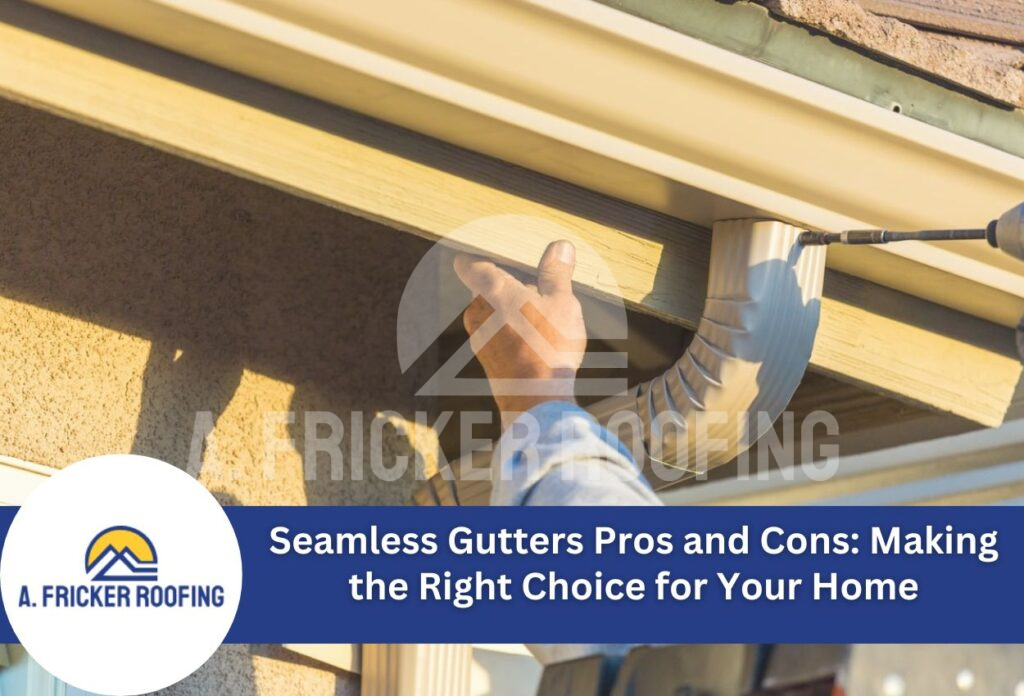

Seamless gutters represent a modern approach to home water management that differs significantly from traditional sectional gutter systems. Unlike conventional gutters that consist of multiple pieces joined together, seamless gutters are custom-fabricated from continuous lengths of material, typically aluminum, creating fewer joints along the roofline.
The primary distinction between seamless and sectional gutters lies in their construction and installation method. Seamless gutter installation requires specialized equipment that forms gutters on-site to exact measurements out of a singular piece of material, while sectional systems use pre-cut pieces connected with joints and fasteners. This fundamental difference impacts performance, maintenance requirements, and overall effectiveness.
Understanding seamless gutter benefits and disadvantages becomes crucial when evaluating what options are available to you for gutter replacement. Homeowners must consider factors including upfront investment, long-term maintenance needs, aesthetic preferences, and structural requirements. The decision between seamless versus sectional gutters ultimately depends on the needs of individual properties, budget constraints, and performance expectations for protecting the home’s foundation and exterior surfaces from water damage.
Major Advantages of Seamless Gutter Systems
The benefits offered by seamless gutters become most apparent when examining their superior water management capabilities. The reduced number of joints and connection points significantly reduce the chance of leaks compared to sectional alternatives. Traditional gutters rely on multiple seams that can separate over time due to thermal expansion, settling, or weather exposure. Seamless systems eliminate most of these vulnerable connection points, creating a more reliable barrier against water infiltration that could damage fascia boards, soffits, or foundation elements.
The enhanced curb appeal offered by seamless gutters provides another compelling advantage for homeowners. These systems create clean, uninterrupted lines along the roofline that complement various architectural styles. Seamless gutter installation allows for precise color matching and a custom fit that enhances the home’s overall appearance. The absence of visible joints creates a sleeker profile that many homeowners find more aesthetically pleasing than sectional systems.
Seamless gutter maintenance requirements are typically also reduced due to fewer debris collection points. The smooth interior surface promotes better water flow and reduces the likelihood of clogs forming at connection joints, making these systems more efficient for long-term performance.
Potential Drawbacks and Limitations to Consider
Despite their numerous advantages, seamless gutter disadvantages include significantly higher upfront investment requirements compared to sectional alternatives. The specialized equipment needed for seamless gutter installation means homeowners cannot purchase these systems as do-it-yourself projects from retail stores. Professional installation becomes mandatory, as the custom-fabrication process requires mobile machinery that forms gutters on-site to precise measurements. This specialized process also brings about the downside of higher labor expenses and equipment usage fees.
Repair complexity presents another notable limitation when evaluating seamless vs sectional gutters. When damage occurs to specific sections of seamless systems, repairs often require replacing entire gutter runs rather than individual pieces. Sectional systems allow contractors to replace damaged segments without affecting adjacent areas, making repairs more straightforward and economical. Seamless gutter maintenance becomes more challenging when localized damage occurs from falling branches, hail, or impact damage, as the continuous construction means repairs may extend beyond the immediate damage zone to maintain structural integrity and proper water flow throughout the system.
Seamless vs. Sectional Gutters: Key Performance Differences
When comparing seamless to sectional gutters, durability differences become evident through analyzing long-term performance. Seamless systems typically demonstrate superior longevity due to fewer connection points that can weaken over time. The continuous aluminum construction resists separation and sagging that commonly affects sectional systems at joint locations. Traditional sectional gutters experience stress along their brackets and seams, leading to premature failure where water damage often begins.
The efficiency of water movement represents another significant performance distinction between these gutter types. The benefits that seamless gutters offer here include smoother interior surfaces that promote consistent water movement without turbulence created by seam interruptions. Sectional systems create multiple points where the flow is disrupted when debris accumulates and clogs the system, requiring more frequent cleaning intervals.
Debris management favors seamless installations due to their streamlined design. The absence of raised seams and connection hardware reduces leaf and twig collection points that typically plague sectional systems. However, the disadvantages of seamless gutters make themselves apparent when repairs become necessary, as damage to any section often requires extensive replacement rather than simple component swapping available with sectional alternatives.
Installation Process and Professional Requirements
Seamless gutter installation requires specialized on-site fabrication equipment that fundamentally distinguishes this process from sectional gutter projects. Professional contractors utilize portable roll-forming machines that create continuous gutter sections directly at the job site, measuring and cutting materials to exact specifications for each home’s unique roofline dimensions. These machines weigh several hundred pounds and require experienced operators who understand proper material feeding, cutting techniques, and quality control measures to ensure consistent wall thickness and proper channel formation throughout each gutter run.
The specialized equipment needed extends beyond basic fabrication machinery to include precise measuring tools, custom hangers, and professional-grade fastening systems designed specifically for seamless applications. Contractors must possess hydraulic brakes for creating precise end caps, specialized crimping tools for downspout connections, and slope measurement devices to ensure proper water flow toward drainage points.
Timeline expectations for seamless gutter projects typically range from 1 to 3 days depending on the size of the home and the architectural complexity, significantly longer than sectional installations due to the custom fabrication requirements. Contractor selection criteria should emphasize experience with seamless systems, proper equipment ownership, licensing requirements, and manufacturer certifications that demonstrate competency in professional seamless gutter installation techniques essential for optimal long-term performance.
Ongoing Maintenance and Care Requirements
Seamless gutter maintenance involves specific cleaning procedures that differ from caring for sectional systems due to their continuous construction. Regular debris removal becomes essential, particularly during fall when leaves and twigs accumulate in gutter channels. The smooth interior surfaces of seamless systems require gentle cleaning methods using soft-bristled brushes or pressure washing at moderate settings to avoid damaging the aluminum finish. Seasonal maintenance tasks include inspecting mounting brackets for looseness, checking downspout connections for proper alignment, and ensuring adequate drainage flow during heavy rainfall periods.
Common maintenance challenges for seamless gutters center around the difficulty of partial repairs when damage occurs. Unlike sectional systems where individual pieces can be replaced, a large disadvantage of seamless gutters includes the need for extensive section replacement even when damage affects only small areas. Preventive measures to extend system lifespan include installing gutter guards to reduce debris accumulation, trimming overhanging tree branches that could cause impact damage, and scheduling annual professional inspections to identify potential issues before they require major repairs. Proper slope maintenance prevents standing water that can lead to premature deterioration, making regular monitoring essential for maximizing the benefits of seamless gutters homeowners expect from their investment.
Making Your Decision: Which Gutter System Fits Your Needs
In order to choose the right gutters for your home, you need to examine the specific features of your home and the surrounding environment. Roof size significantly impacts the decision, as larger rooflines benefit more from seamless gutters with their reduced chance of leaks across extended runs. Homes with complex architectural features, multiple roof levels, or intricate designs may present installation challenges that affect both system performance and overall project feasibility.
Climate conditions play a crucial role in determining optimal gutter performance for your location. Areas experiencing frequent freeze-thaw cycles favor seamless systems due to their superior joint integrity, while regions where gutters accumulate heavy amounts of debris and vegetation might benefit from the easier repair capabilities of sectional alternatives. Architectural style compatibility also influences the decision, as seamless gutters complement modern home designs while traditional sectional systems may suit historic or classic architectural elements.
When budgeting, planning extends beyond initial installation expenses to encompass long-term value. While seamless gutter installation requires a higher upfront investment, the reduced maintenance frequency and enhanced durability often provide superior value over the system’s lifespan. Homeowners should evaluate both immediate financial capacity and long-term maintenance budget allocation when weighing seamless gutter disadvantages against their performance advantages for their specific property requirements.
Choose A. Fricker Roofing and Waterproofing for Your Seamless Gutter Installation
Deciding on the right gutter system is crucial for the protection and efficiency of your home’s roofing and drainage system. At A. Fricker Roofing and Waterproofing our team specializes in high-quality seamless gutter installation, ensuring that your home achieves maximum protection against water damage with minimal upkeep..
Ready to discuss your home’s gutter needs? Call us today at (918) 402-7167 and let A. Fricker Roofing and Waterproofing help you with a seamless solution that best fits your home’s requirements.