


Emergency Roofing Services ➢

The Complete Guide to A Rubberized Roof Replacement: When It’s Time to Make the Change

Posted on July 19, 2025

Estimated Reading Time : 6 Min.

Share Now :
The Complete Guide to A Rubberized Roof Replacement When It's Time to Make the Change

Rubberized roofing systems are popular choices for flat and low-slope roofs across Tulsa, but even these durable materials eventually require replacement. Recognizing the signs that your rubber roof has reached the end of its serviceable life can save property owners from expensive forms of water damage and structural issues. Persistent leaks that return despite repairs, extensive membrane blistering, and significant shrinkage along the edges all signal that a complete EPDM rubber membrane installation may be necessary, rather than just making another temporary fix.

Choosing rubberized roofing materials for your replacement project offers numerous advantages, specifically beneficial in Oklahoma’s variable climate. These flat roofing membranes provide exceptional waterproofing capabilities and flexibility that withstand Tulsa’s extreme temperature fluctuations. Commercial rubberized roofing systems also offer superior resistance to UV radiation, hail damage, and wind uplift, which are common concerns for local building owners.

While rubber roof repair may address isolated issues, replacement becomes the more economical long-term solution when damage is widespread. Modern durable rubber roofing materials can last 20 to 30 years with proper installation and maintenance, making them a sound investment for property protection. Understanding the difference between necessary repairs and when a full replacement is warranted helps property owners make informed decisions about their roofing assets and how to protect their buildings for decades to come.

Understanding EPDM Rubber Membrane Systems: The Industry Standard

EPDM is a synthetic rubber roofing membrane widely recognized as the gold standard for flat and low-slope roofing systems. This durable material consists of a mixture of ethylene, propylene, and a small amount of diene monomer, which works to create a resilient, waterproof barrier that performs exceptionally well in Tulsa’s varying climate conditions. EPDM rubber membrane installation has become the preferred choice for commercial buildings and residential structures throughout Oklahoma due to its impressive 25 to 30 year lifespan and remarkable resistance to ozone, UV radiation, and thermal shock.

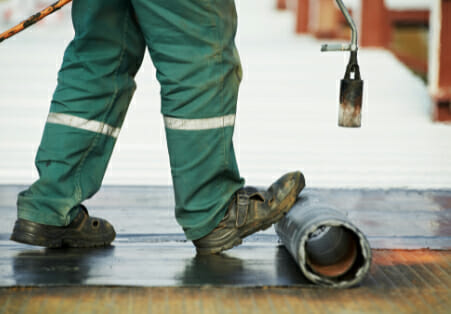
The installation process for EPDM systems begins with thoroughly preparing the existing roof’s surface, ensuring it’s clean, dry, and free of debris. Our Tulsa roofing experts then carefully measure and cut the rubber membrane to fit the specific dimensions of the roof. Full installation involves either fully-adhered systems using specialized bonding adhesives, mechanically-fastened methods, or ballasted techniques, depending on the building’s specific requirements. Proper seam sealing techniques are also crucial to ensure a watertight seal, typically achieved using seam tape or liquid adhesives along all membrane overlaps.

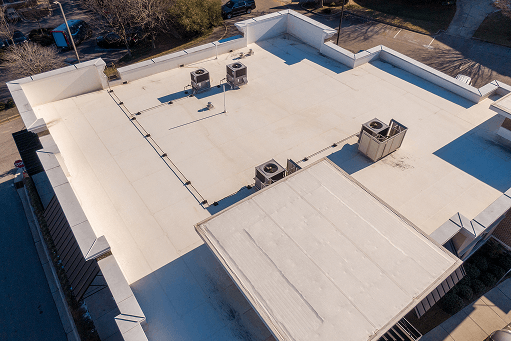
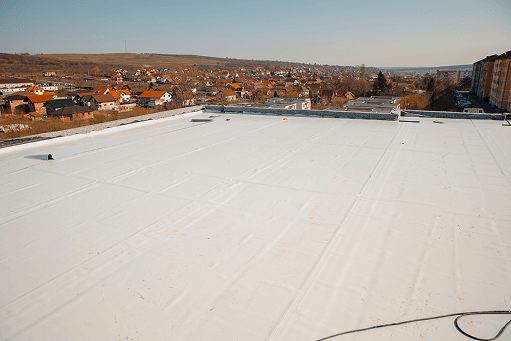
The flat roof rubber replacement process is completed with careful attention to detail at all roof penetrations, edges, and transitions. Commercial rubberized roofing systems installed by experienced contractors provide exceptional performance even in Oklahoma’s extreme weather conditions, from scorching summers to freezing winters.

Flat Roof Replacement Options: Why Rubber Membranes Excel

When considering flat roof replacement options in Tulsa, property owners come face to face with several choices: TPO, PVC, modified bitumen, and EPDM, which are also called rubberized roofs. While each has merits, rubber membranes stand out for several reasons specific to our region’s challenges. Unlike TPO, which can be punctured more easily, EPDM rubber offers superior puncture resistance against Tulsa’s frequent hailstorms. Modified bitumen tends to deteriorate faster under Oklahoma’s intense UV exposure, while rubber membranes maintain their integrity for decades despite constant sun exposure.

Proper drainage is critical for any flat roofing system, particularly with rubberized roofs. Even a minimal amount of standing water can compromise the best rubber roofing membranes over time. Professional installation ensures a minimum 1/4 inch per foot slope on all flat rubber roof replacements, directing water efficiently toward drains. For existing structures with inadequate slope, our Tulsa roofing experts implement tapered insulation systems to create proper watershed and prevent destructive ponding.

EPDM rubber membrane installation outperforms alternatives in our extreme temperature fluctuations, expanding and contracting without cracking or splitting. Commercial rubberized roofing systems also require fewer seams than modified bitumen alternatives, reducing potential points of failure. For Tulsa building owners seeking durable rubber roofing materials that stand up to our unique weather challenges, rubber membranes deliver exceptional value and performance.

Commercial Rubberized Roofing Systems: Making the Right Investment

Commercial buildings in Tulsa have unique requirements that demand specialized consideration when planning a rubberized roof replacement. Load-bearing capacity is crucial, especially when heavy HVAC equipment or solar panel installations are present on the roof. Professional assessment makes sure that the current EPDM rubber membrane installation can support these elements while maintaining a durable structure. Commercial properties also require strategic planning to minimize business disruption during installation, which is why our teams coordinate weekend or after-hours work schedules to ensure your operations continue uninterrupted.

For commercial property owners, rubberized roofing systems represent a significant long-term investment with measurable returns. Energy efficiency gains are substantial, as EPDM’s reflective properties reduce cooling costs during Tulsa’s hot summers. Annual maintenance expenses also decrease dramatically compared to traditional roofing materials, with many commercial rubberized roofing systems only requiring basic inspections and minimal upkeep. Professional replacement also gives you the opportunity to gain extended warranty options not available with DIY or temporary solutions.

The durability of commercial-grade rubber roofing materials translates to fewer replacement cycles over a building’s lifetime. Oklahoma’s severe weather conditions put roofing systems to the test, but properly installed rubberized membranes withstand these challenges with remarkable resilience, protecting your property investment for decades while reducing lifetime ownership costs.

Repair vs. Replacement: Making the Cost-Effective Decision

Property owners often face the challenging decision between repairing their existing rubberized roof or investing in a complete replacement. Several key indicators can help guide this decision. Multiple points of leaks that persist despite repeated repairs suggest that the roofing membrane has deteriorated beyond effective repair. Widespread surface crazing, excessive brittleness, or membrane shrinkage greater than 1/2 inch along perimeters are clear signals that your rubber roof has reached the end of its serviceable life. Additionally, if your roof has undergone numerous patches or repairs across more than 25% of its surface, replacement typically offers better long-term value.

For situations falling in the gray area between minor damage and complete failure, partial replacement options exist. Sectional replacement works well when damage is concentrated in specific areas, allowing Tulsa roofing professionals to remove and replace only the compromised portions while preserving the intact sections. Overlay systems present another middle-ground solution, where a new EPDM membrane is installed over the existing roof after proper preparation, avoiding the expense and disruption of complete tear-off when the underlying structure remains sound.

The age of your existing rubberized roofing system should factor heavily into your decision. While high-quality EPDM installations can last 20 to 30 years, a 15-year-old system with moderate issues might be better served by replacement than continuing to invest in repairs. Our Tulsa roofing experts can provide intensive inspections to help you determine which approach makes the most financial sense for your specific situation.

Selecting Durable Rubber Roofing Materials for Oklahoma’s Climate

When investing in a rubberized roof replacement for your Tulsa property, selecting the right thickness and color of your EPDM membrane significantly impacts its performance and longevity. Standard EPDM membranes come in three main thickness options: 45 mil, 60 mil, and 90 mil. For most residential applications in Tulsa, 60 mil provides an excellent balance of durability and cost-effectiveness, offering reliable protection against our region’s frequent hailstorms and severe weather events. Buildings with minimal foot traffic may perform adequately with 45 mil membranes, while high-traffic commercial roofs or properties in particularly exposed locations benefit from 90 mil options that provide maximum puncture resistance.

Color is another important factor in your roof’s energy performance. Black EPDM membranes absorb heat, which can be beneficial during Oklahoma’s winter months but may increase cooling demands during our hot summers. White or light-colored rubber membranes reflect up to 80% of solar radiation, potentially reducing cooling costs by 20% to 30% during peak summer months in Tulsa. This reflective quality helps combat urban heat island effects and can extend the membrane’s lifespan by minimizing thermal stress and UV degradation.

Oklahoma’s climate presents unique challenges for roofing materials, with temperature swings exceeding 100 degrees throughout the year. Properly selected rubber roofing materials maintain flexibility even during freeze-thaw cycles, preventing the cracking and splitting common with other roofing types. 

Professional Installation vs. DIY: What Tulsa Property Owners Should Know

Rubberized roof replacement requires specialized skills that most property owners simply don’t possess. Professional roofers bring years of experience working with EPDM rubber membranes, ensuring proper adhesion, seaming, and flashing installation. DIY installations often fail prematurely due to improper membrane tensioning, inadequate seam preparation, or incorrect adhesive application. These mistakes can lead to water infiltration along the seams, membrane shrinkage, or complete detachment during Oklahoma’s severe weather events.

When selecting a Tulsa roofing contractor for your rubberized roof replacement, verify that they hold manufacturer certifications for the specific EPDM systems they install. These certifications represent contractors’ skill level and that they received the proper training and can offer extended manufacturer warranties that protect your investment. Ask potential contractors about their flat roof experience specifically, as techniques for sloped roofing don’t transfer directly to commercial rubberized roofing systems.

Request references from previous rubber roof installations in the Tulsa area, and ask about the contractor’s warranty terms. Quality contractors offer workmanship guarantees beyond the manufacturer’s material warranty. While professional installation represents a higher initial investment than DIY approaches, the difference in terms of long-term performance is substantial. Properly installed rubber roofing materials typically last decades longer than amateur installations, making professional installation the wiser financial choice for durable protection.

Trust A. Fricker Roofing and Waterproofing for Your Rubberized Roof Replacement in Tulsa

If you’re facing issues with your current roofing system, such as leaks, damage from severe weather, or aging materials, it may be time to consider a rubberized roof replacement. At A. Fricker Roofing and Waterproofing, we specialize in EPDM rubber membrane installation, providing a durable, weather-resistant roofing solution tailored for the challenging Tulsa climate. Our expert team ensures a seamless installation process, from accurate assessment to professional fitting, reducing disruption to your daily operations.

Opting for a professional rubberized roof installation can protect, and provide your home with enhanced energy efficiency. Don’t let a failing roof impact your building’s integrity. Call us today at (918) 402-7167 to schedule a consultation and learn more about your options. Let A. Fricker Roofing and Waterproofing help you make the best investment for your property’s future.

The Complete Guide to A Rubberized Roof Replacement When It's Time to Make the Change