
Homeowners face a significant decision when selecting between real slate and synthetic slate roofing materials. Understanding the fundamental differences between natural stone slate and man-made composite alternatives helps property owners make informed choices that align with their specific needs and preferences.
Natural slate roof benefits include exceptional longevity and distinctive beauty that comes from quarried stone. This traditional roofing material has protected homes for centuries, offering unmatched durability and timeless appeal. However, synthetic slate shingle durability has improved dramatically in recent years, providing homeowners with more affordable roofing options with similar appearances.
Comparing different types of slate roofs reveals important considerations beyond initial appearance. Weight differences, installation requirements, maintenance needs, and long-term performance vary significantly between these two options. Natural slate requires specialized installation techniques and structural support due to its substantial weight, while synthetic alternatives offer easier handling and broader compatibility with existing roof structures.
Composite slate materials use advanced manufacturing processes to replicate the look of natural stone while addressing practical limitations of traditional slate. These slate roof installation considerations affect both immediate project requirements and future maintenance expectations, making the choice between real and synthetic slate a complex decision that impacts homeowners for decades.
What Makes Natural Slate Special?
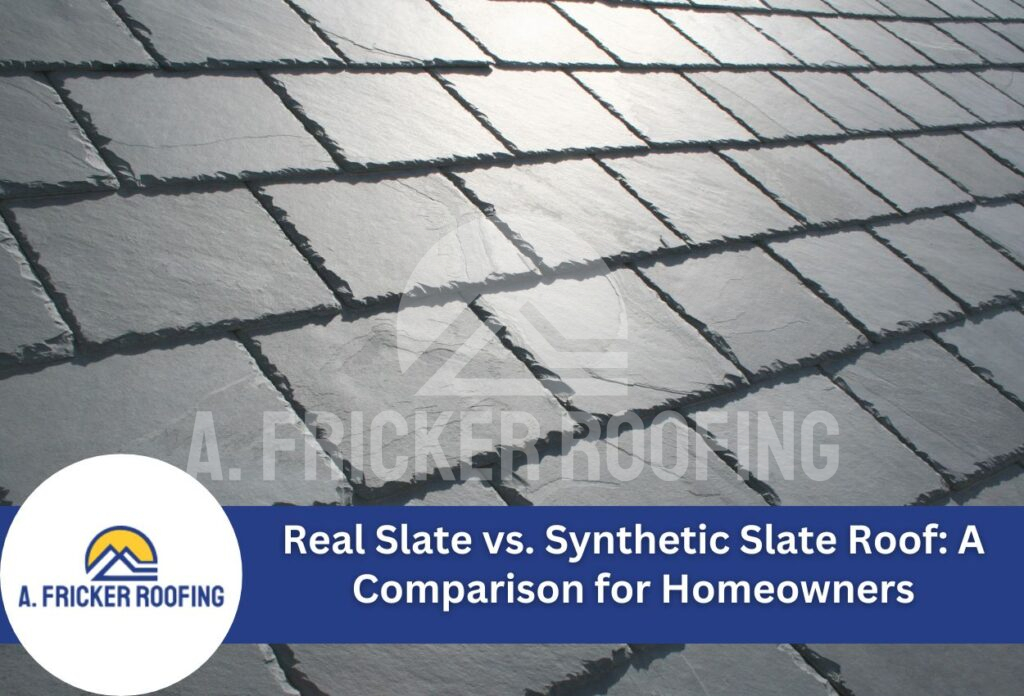
Natural slate stands apart from synthetic alternatives through its authentic geological origins and distinctive characteristics that cannot be replicated in manufactured materials. Genuine stone slate forms over millions of years through metamorphic processes, creating dense layers that provide exceptional weather resistance and structural integrity.
The quarrying process begins deep within mountain deposits where skilled craftsmen extract massive stone blocks. These blocks undergo careful splitting along natural grain lines to create individual roofing tiles that maintain the stone’s inherent strength. Each piece displays unique color variations and textures that reflect the specific mineral composition of its source location.
The benefits of natural slate extend far beyond aesthetic appeal. The material’s low rate of water absorption and resistance to freeze-thaw cycles make it exceptionally durable in harsh weather conditions. Unlike composite slate roofing options, genuine slate develops a natural patina over time that enhances its character rather than indicating deterioration.
The slate roof material comparison reveals that authentic stone possesses superior fire resistance and thermal properties compared to synthetic alternatives. Natural slate’s density provides excellent insulation qualities while remaining completely non-combustible. These inherent characteristics explain why historic buildings worldwide still feature original slate roofs after centuries of exposure to the elements, demonstrating performance standards that synthetic materials continue striving to match.
How Synthetic Slate Measures Up
Modern composite slate alternatives have revolutionized the roofing industry through advanced manufacturing techniques that create convincing replicas of natural stone. Rubber-based synthetic slate combines recycled materials with polymers to produce lightweight tiles that resist cracking and splitting. Plastic composite options utilize high-density polyethylene or polypropylene blends that maintain color stability and dimensional consistency over time.
Fiber-cement slate tiles represent another significant advancement in composite slate roofing options. This material combines Portland cement, sand, and cellulose fibers to create dense, durable tiles that closely mimic natural slate’s appearance. Manufacturing innovations include the use of three-dimensional molds that reproduce authentic stone textures and multi-layered color applications that simulate the look of natural mineral variations that occur in slate.
Synthetic slate shingle durability has improved substantially through enhanced UV-resistant formulas and impact-resistant designs. These composite materials address common problems that occur during slate roof installation by offering consistent sizing, reduced weight, and simplified cutting procedures. Modern synthetic options feature interlocking designs and pre-drilled nail holes that streamline installation while maintaining weather-tight performance.
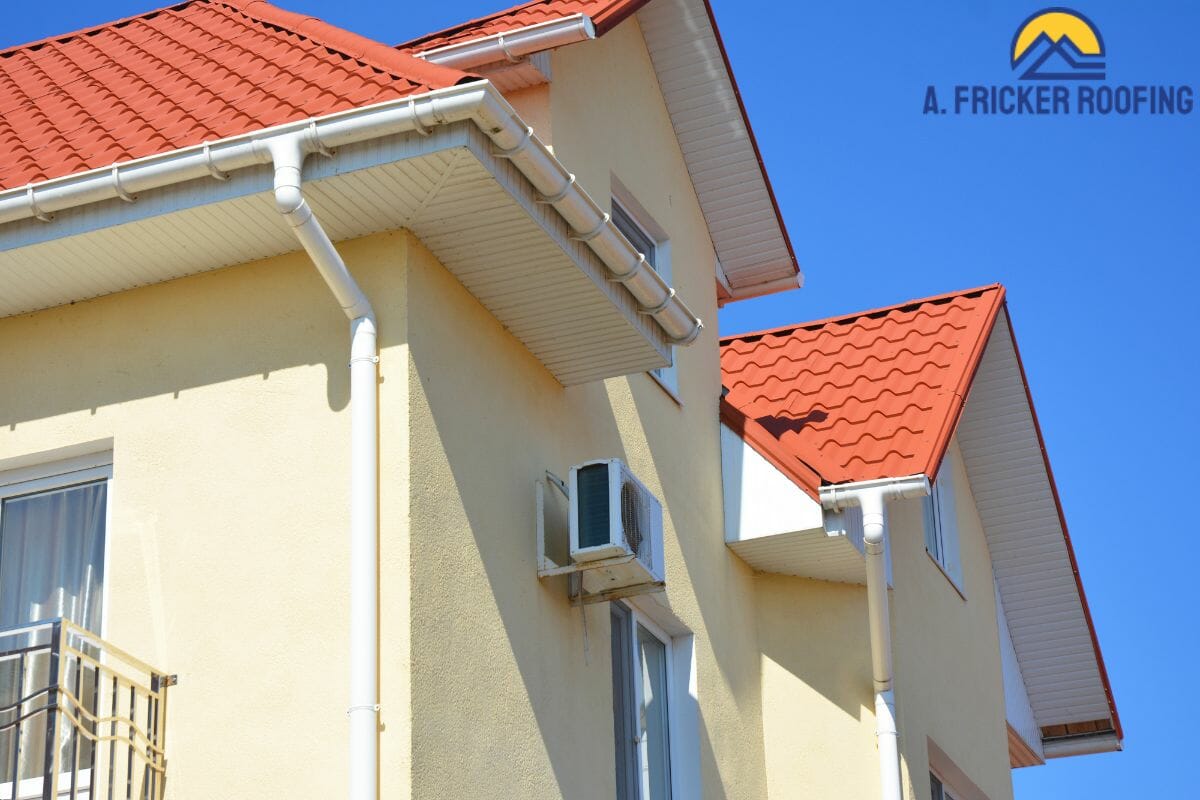
Comparing the different types of slate roofing materials shows synthetic alternatives provide specific advantages in challenging installation scenarios. Composite materials eliminate concerns about structural weight while offering similar wind resistance and weather protection. Advanced manufacturing techniques now produce synthetic slate options with realistic shadow lines, varied surface textures, and authentic color gradations that closely replicate the look of quarried stone from ground level.
Comparing Durability and Lifespan
Natural slate demonstrates exceptional longevity under diverse weather conditions, often lasting 75 to 100 years or more with minimal maintenance. The material’s geological composition provides natural resistance to UV radiation, temperature fluctuations, and moisture penetration that synthetic alternatives struggle to match. Natural slate maintains its structural integrity through decades of freeze-thaw cycles, making it particularly suitable for regions experiencing extreme seasonal variations.
Synthetic slate shingle durability typically ranges from 30 to 50 years depending on material composition and environmental exposure. Composite slate roofing options perform well in moderate climates but may break down quicker in areas with intense UV exposure or significant temperature swings. However, advanced polymer formulas have improved synthetic materials’ resistance to cracking, fading, and thermal expansion that affected earlier generations.
Warranty coverage reflects these performance differences significantly. Natural slate often carries warranties ranging from 50 to 75 years, with some premium products offering lifetime coverage on materials. Synthetic slate warranties typically span 30 to 50 years, though coverage terms vary considerably between manufacturers regarding labor, wind damage, and color retention guarantees.
When it comes to comparing the options in terms of durability, natural stone requires less frequent replacement cycles, potentially offering better long-term value despite a higher initial investment. Composite materials provide more predictable performance as well with clearer replacement schedules, which some property owners prefer for budget planning purposes. However, regardless of choosing synthetic or natural, both options require proper slate roof installation to achieve their maximum lifespan potential.
Installation Requirements and Challenges
Professional roofing contractors encounter significantly different structural demands when working with natural slate versus synthetic alternatives. Real slate installation requires that the structure be extensively evaluated before the project starts, as each square of natural stone typically weighs 800 to 1,500 pounds compared to synthetic materials that weigh 200 to 400 pounds per square.
Composite slate roofing options offer advantages in installation through consistent sizing and simplified cutting procedures. Synthetic materials accommodate standard roofing tools and techniques, allowing contractors to complete projects more efficiently. Natural slate demands specialized equipment including pneumatic slate rippers, manual slate hooks, and diamond-blade wet saws designed specifically for stone cutting applications.
The installation timeline differs between these slate roofing options as well. Synthetic slate installations typically require 3 to 5 days for average residential projects, while natural slate installations often extend 7 to 10 days due to careful handling requirements and precise fitting procedures. Weather sensitivity affects natural slate projects more significantly, as moisture can compromise installation quality.
Whether or not the building needs structural reinforcement is another critical factor in slate roof material comparison. Natural slate frequently requires additional roof deck support, upgraded fastening systems, and enhanced flashing details. Professional expertise becomes essential for proper installation, as improper techniques can lead to cracking, sliding, or premature failure regardless of material quality. Synthetic alternatives reduce these complex factors while maintaining comparable protection against weather.
Maintenance and Repair Considerations
Long-term care requirements differ substantially between natural stone and composite slate materials, affecting both routine maintenance schedules and repair complexity. Natural slate typically requires minimal ongoing maintenance once properly installed, though individual tiles may crack or slip due to thermal expansion, impact damage, or fastener failure over decades of service.
Synthetic slate shingles provide advantages in terms of repair accessibility and replacement procedures. Composite materials are easier to cut, handle, and position during repair work, reducing labor intensity and safety concerns. However, color matching becomes challenging with synthetic options as UV exposure causes colors to gradually fade, which makes new tiles visibly different from weathered sections.
Common issues with natural slate include nail fatigue, where original copper or stainless steel fasteners deteriorate before the stone itself shows wear. Snow guards and ice dam prevention systems require periodic inspection and maintenance as well to prevent damage from materials sliding. Natural slate repairs demand skilled craftsmen familiar with proper installation techniques to maintain weather-tight performance.
These slate roofing materials also fail in different ways as well. Composite slate roofing options may experience edge lifting, thermal cracking, or granule loss over time. Replacement considerations favor synthetic materials due to lower weight and standard sizing, though natural slate’s longevity means fewer replacements overall. A professional assessment can help you identify maintenance priorities and timing for both types of materials, ensuring optimal performance throughout their respective service lives.
Making Your Final Decision
The choice between natural and synthetic slate ultimately depends on weighing multiple factors specific to each home’s unique circumstances and environmental conditions. Climate considerations play a crucial role in comparing slate roofing material options, as extreme temperature fluctuations, heavy precipitation, and intense UV exposure affect material performance differently over time.
Property owners should evaluate their home’s structural capacity alongside budget constraints when comparing composite slate roofing options against natural stone alternatives. Homes built before 1950 often possess the heavy timber framing necessary to support natural slate, while newer construction may require reinforcement or benefit from synthetic slate shingle durability advantages.
Essential questions for roofing contractors include inquiries about structural assessment procedures, warranty coverage, and maintenance requirements specific to each material type. Property owners should request references from recent installations, material certifications, and detailed timelines that account for weather delays and complexity factors associated with slate roof installation considerations.
Key priorities to establish include expected occupancy duration, aesthetic preferences, and long-term maintenance capabilities. Homeowners planning to remain in their property for decades may find natural slate roof benefits justify the higher initial investment. Those seeking predictable performance timelines and simplified maintenance often prefer synthetic alternatives that provide excellent protection while offering more manageable replacement cycles and repair procedures for their specific situation and preferences.
Choose the Best Slate Roofing Material with A. Fricker Roofing and Waterproofing
If you’re choosing between a real and synthetic slate roof, it’s crucial to consider durability, aesthetics, and long-term value. A. Fricker Roofing and Waterproofing specializes in both real and synthetic slate roofing solutions, ensuring top-quality installation and maintenance. Real slate offers unmatched natural beauty and longevity, while synthetic slate provides versatility and cost-effectiveness. Both choices have unique benefits tailored to different needs and preferences.
Understanding these differences can be daunting, but you don’t have to make this decision alone. Contact A. Fricker Roofing and Waterproofing at (918) 402-7167 today to discuss your roofing options and find the perfect match for your home. Our expert team is ready to provide you with the information and services you need to make a confident and informed decision.