
Essential Winter Siding Protection Strategies for Oklahoma Homeowners
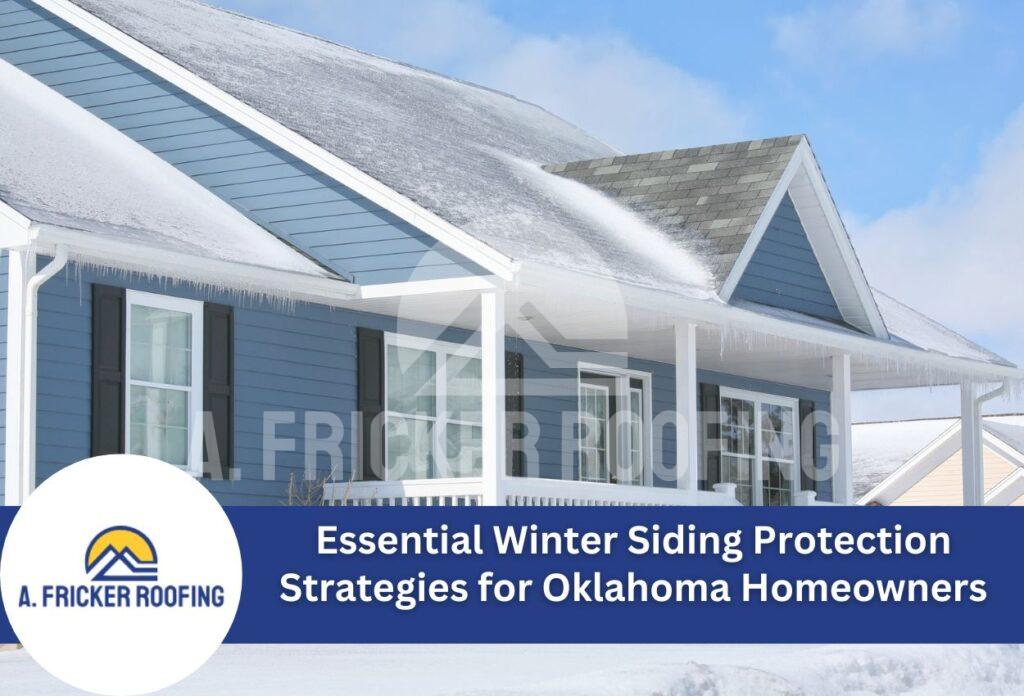

Oklahoma’s unpredictable winter weather poses unique challenges for home siding materials. The state’s climate brings sudden temperature swings, ice storms, and freeze-thaw cycles that can wreak havoc on vinyl, wood, and metal siding throughout the colder months. These dramatic weather shifts cause materials to expand and contract rapidly, leading to cracks, warping, and other damage that becomes visible when spring arrives.
Oklahoma winter siding protection tips are especially crucial when temperatures drop below freezing one day and climb into the 50s the next. This constant fluctuation stresses siding materials beyond their normal limits. Ice storms, common across the region, add weight and moisture that can compromise even the most durable exterior materials. Winter siding maintenance requires understanding these specific weather patterns and their impact on different siding types.
Preventing siding damage in winter starts with recognizing the warning signs and taking action before severe weather hits. Cold-weather siding problems often develop gradually, making early intervention essential for avoiding extensive repairs. Winter weather siding care involves both preventive measures and ongoing monitoring throughout the season to ensure your home remains protected against Oklahoma’s harsh winter conditions.
Common Cold Weather Siding Problems and Quick Solutions
Winter weather exposes several distinct warning signs that indicate siding damage requiring immediate attention. Warping typically appears as boards that bow outward or inward from their original flat position, often caused by moisture infiltration followed by freeze-thaw cycles. Cracking manifests as hairline fractures or larger splits that compromise the protective barrier siding provides. Color fading becomes noticeable when UV reflection off snow accelerates deterioration of surface finishes, while panel separation occurs when fasteners loosen due to repeated expansion and contraction.
Temperature fluctuations common in Oklahoma winters create stress points where these problems typically develop first. Corner joints, window trim connections, and areas where different siding materials meet become vulnerable spots for damage. Homeowners should watch for gaps appearing between panels, paint peeling in unusual patterns, or sections that appear raised or sunken compared to the surrounding areas. These visual cues indicate underlying structural issues that require prompt intervention to prevent extensive damage.
Quick temporary solutions help protect homes until professional repairs can be completed safely in warmer weather. Apply weatherproof caulk to small gaps and cracks to prevent further moisture infiltration. Secure loose panels using temporary fasteners appropriate for your siding material type. Cover damaged sections with plastic sheeting or tarps during severe weather events to minimize additional exposure. Other maintenance tasks include washing the siding to remove dirt, mildew, and debris that can trap moisture against the surface.
However, extensive warping, large cracks spanning multiple panels, or widespread separation requires professional contractor expertise to ensure proper permanent repairs that restore your home and maintain its structural integrity throughout the remaining winter months.
Tips for Preventing Ice and Snow Damage to Your Home’s Exterior
Ice dams and excessive snow accumulation create serious threats to siding during Oklahoma’s harsh winter storms. These formations develop when melting snow refreezes along rooflines and gutters, creating heavy ice buildup that can pull away from siding panels or cause structural stress. The weight of accumulated ice and snow often exceeds what siding materials can safely support, leading to warping, cracking, or complete panel separation from the home’s exterior.
Strategies for managing these winter hazards begin with maintaining proper attic insulation and ventilation to prevent uneven snow melting that creates ice dams. Keep gutters clean and functioning properly to ensure water flows away from siding surfaces rather than freezing against them. Install heating cables along rooflines in problem areas where ice dams frequently form. Remove snow from lower roof sections before it becomes too heavy, but always prioritize personal safety over property maintenance.
Safe removal techniques for ice and snow buildup require patience and the right tools to avoid damaging siding materials. Use plastic shovels or soft-bristled brushes rather than metal tools that can scratch or crack cold siding panels. Work from bottom to top when removing snow to prevent heavy chunks from falling onto lower sections. Never attempt to chip away thick ice formations directly from siding surfaces, as this can cause significant damage. Instead, allow natural melting or use warm water applied gently to gradually dissolve ice buildup. These gentle practices protect your home’s exterior while preventing damage that often results from aggressive removal methods.
Winter Maintenance Tasks That Keep Siding in Top Condition
Establishing monthly inspection routines during winter helps homeowners identify emerging issues before they need major repairs. These regular checks should focus on areas where siding meets rooflines, corners, and foundation connections, where moisture infiltration commonly occurs. Look for signs of ice buildup, new cracks, or panels that have shifted due to freeze-thaw cycles.
During these inspections, examine caulk lines around windows and doors for gaps that may have developed as materials contract in cold temperatures. Check for loose or missing sections that could allow wind-driven moisture to seep behind siding panels. Document any changes from previous inspections using photos or notes to track problems over time. This approach to winter siding maintenance ensures small issues receive attention before weather conditions worsen.
Simple maintenance activities homeowners can safely perform include gently cleaning accessible siding areas to remove salt residue and debris accumulation. Touch up paint on trim pieces where minor chips or scratches have exposed bare wood to moisture. Ensure proper ventilation around foundation areas by clearing snow and ice from vents and drainage systems. Monitor moisture levels in basements and crawl spaces, as excessive humidity can affect siding from behind. These proactive measures for preventing siding damage in winter help maintain your home’s protective barrier while avoiding more extensive repairs that develop when maintenance tasks are postponed until spring.
How to Protect Vinyl Siding from Cold Weather Damage
Vinyl siding, one of the most common siding materials, undergoes significant changes when exposed to freezing temperatures that make it particularly vulnerable during Oklahoma’s coldest months. The material becomes increasingly brittle as temperatures drop, losing the flexibility that normally allows it to expand and contract without damage. This brittleness makes vinyl siding prone to cracking from even minor impacts that would typically cause no harm during warmer weather.
The transformation occurs because cold temperatures cause the vinyl polymers to stiffen, reducing their ability to flex under stress. When combined with Oklahoma’s frequent freeze-thaw cycles, this brittleness creates perfect conditions for crack development. Wind-driven debris, falling ice, or accidental contact can easily fracture cold vinyl panels. Understanding this temperature-related vulnerability helps homeowners take appropriate precautions during winter.
Preventing vinyl siding damage in winter requires specific protective techniques tailored to cold weather conditions. Ensure proper ventilation around the home’s perimeter to prevent ice buildup that can push against siding panels. Avoid any unnecessary contact with siding during cold snaps, including hanging decorations or leaning objects against exterior walls. Manage ice accumulation around the foundation by maintaining proper drainage and removing snow buildup that could create ice dams. Winter weather siding care also involves keeping gutters clear to prevent overflow that can freeze against siding. These prevention strategies help protect your investment while maintaining your home’s exterior appearance throughout Oklahoma’s challenging winter season.
When to Call Professional Contractors for Winter Siding Issues
Certain winter siding problems need immediate professional intervention to prevent catastrophic damage to your home’s structure and interior. Structural damage becomes evident when siding panels pull completely away from exterior walls, creating gaps that expose underlying sheathing or framing materials. Extensive cracking that spans multiple panels or runs vertically through siding sections indicates serious foundation movement or structural settling that requires expert evaluation. Water infiltration behind siding panels is an emergency situation, as trapped moisture leads to mold growth, insulation damage, and potential wood rot within wall cavities.
Additional red flag situations include sagging sections that indicate compromised attachment points, ice damage that has punctured or torn siding materials, and electrical hazards where damaged siding exposes outdoor outlets or fixtures. Any situation involving potential structural instability or safety concerns warrants an immediate professional assessment. These severe cold-weather siding problems often worsen rapidly during Oklahoma’s unpredictable winter conditions, making prompt contractor intervention essential for limiting repair costs and protecting your property.
Selecting qualified local contractors requires verifying their licensing, insurance coverage, and experience with your specific siding material type. As for examples from recent winter repair projects, and confirm availability for emergency services during severe weather. Professional winter siding repairs often depend on weather windows between storms, requiring flexible scheduling and realistic timeline expectations. Qualified contractors understand Oklahoma’s climate challenges and can provide temporary protective measures while waiting for suitable repair conditions, ensuring your home remains protected throughout the season.
Expert Winter Siding Protection Services in Oklahoma
If you’ve noticed any of the common cold-weather siding problems discussed, such as warping, cracking, or color fading, it may be time to call in the professionals. Don’t let winter weather wreak havoc on your home’s exterior. A. Fricker Roofing and Waterproofing specializes in protecting and repairing siding from the harsh Oklahoma winters. We understand the challenges that Oklahoma weather presents and have the expertise to address them effectively.
Before the next freeze, ensure your home is prepared. Call A. Fricker Roofing and Waterproofing at (918) 402-7167 for a comprehensive inspection and tailored maintenance plan. Protect your investment and keep your home looking its best, no matter the weather!