

Basement waterproofing typically takes between 1 day and 2 weeks to complete, depending on the scale of the work and methods used. Interior waterproofing projects often finish faster, with many installations wrapping up in just 24 to 48 hours. Exterior waterproofing requires more extensive excavation and can extend the basement waterproofing process timeline to 7 to 14 days. Emergency repairs or simple sealant applications may only need a few hours, while foundation waterproofing systems that address multiple issues require longer timeframes.
Understanding the basement waterproofing installation steps helps homeowners plan accordingly and set realistic expectations. The duration depends on several factors, including the size of the basement, the severity of water damage, accessibility of the foundation, and weather conditions for exterior work. Interior basement waterproofing duration remains more predictable since it’s less affected by external elements. The chosen waterproofing method significantly impacts completion time, with drainage systems and sump pump installations requiring different timeframes than crack injections or membrane applications. Knowing these variables allows property owners to coordinate schedules, arrange temporary housing if necessary, and minimize disruption to daily routines during the waterproofing process.
Factors That Affect Your Basement Waterproofing Timeline
The size of a basement directly influences how long the waterproofing process will take. Larger basements require more materials, labor, and time to complete interior or exterior installations. The severity of water damage also plays an important role in determining the basement waterproofing process timeline. Minor seepage may only need simple crack repairs, while extensive flooding damage requires drainage solutions that extend the project duration. Existing foundation conditions matter significantly as well. Foundations with structural cracks, deteriorating concrete, or previous failed waterproofing attempts need additional preparation work before new systems can be installed.
Weather conditions substantially impact exterior waterproofing projects. Rain, snow, or frozen ground can delay excavation and membrane installation, sometimes adding days or weeks to the timeline. Soil type around the foundation affects how quickly crews can dig and install exterior drainage systems. Clay-heavy soil is harder to excavate than sandy soil, which can slow progress. Accessibility issues present another challenge that impacts interior basement waterproofing duration. Tight spaces, low ceilings, or limited entry points for equipment make installation more time-consuming and may require specialized tools or techniques to complete the work efficiently.
Interior Waterproofing Methods and Time Requirements
Interior drainage systems typically require 1 to 3 days to install, depending on the basement size and complexity. The process involves breaking a channel into the concrete floor along the perimeter, placing drainage pipes, and covering them with new concrete. Sump pump installation usually takes 4 to 8 hours as part of this system, though standalone sump pump projects can be completed in as little as 2 to 4 hours. Vapor barriers applied to basement walls generally take 1 day for an average-sized basement, making them one of the fastest waterproofing solutions available.
Ifastestr sealants and wall treatments represent the quickest waterproofing options, with most applications finished within several hours to 1 full day. Epoxy or polyurethane crack injections typically take just 2 to 4 hours per treatment area. Waterproof paint or coating applications can be completed in a single day, though proper surface preparation may add additional time. These methods offer faster interior basement waterproofing duration compared to drainage systems because they don’t require extensive concrete work or excavation. The speed of interior solutions makes them attractive for homeowners seeking quick protection against moisture issues without lengthy disruptions to their household routines.
Exterior Waterproofing Methods and Project Length
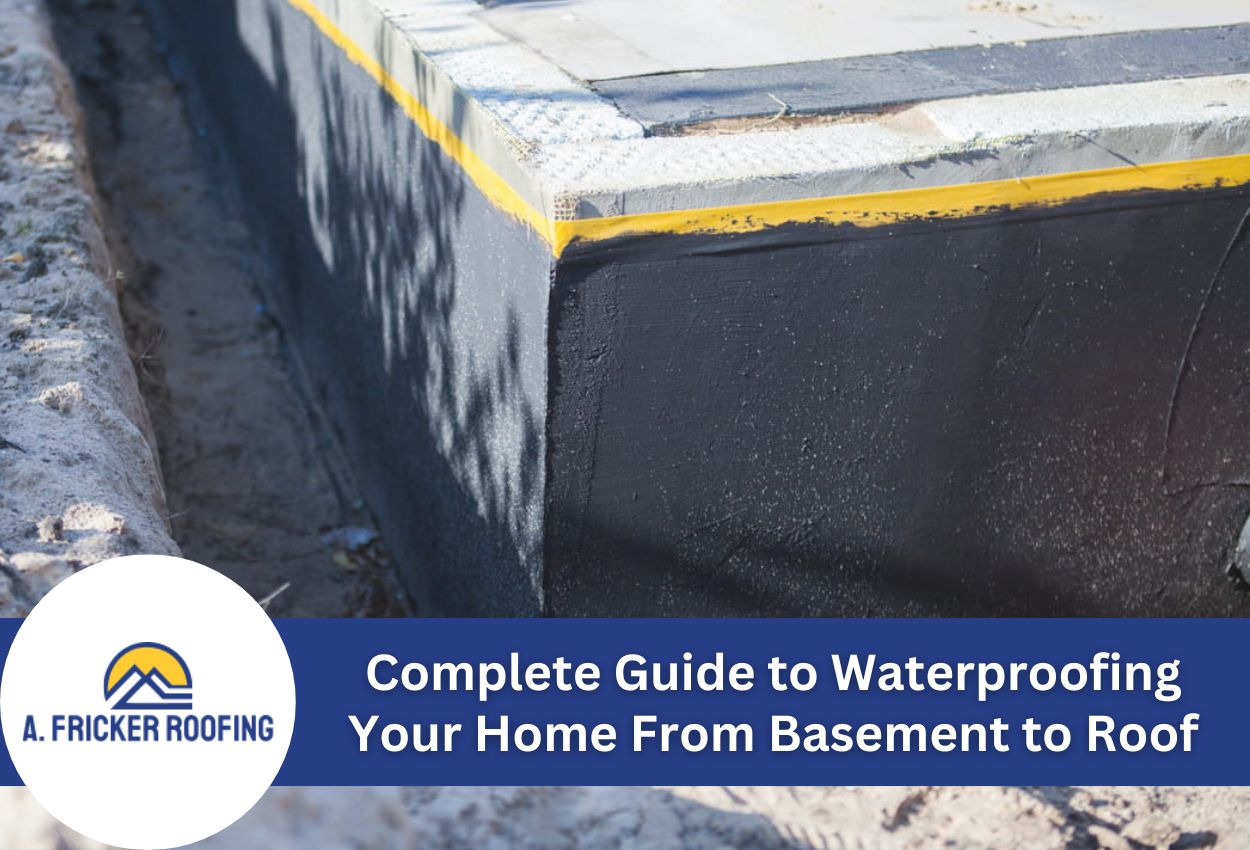
Exterior waterproofing projects typically require 7 to 14 days to complete due to the extensive excavation and multi-stage installation process. The basement waterproofing installation steps for exterior work begin with excavating soil around the foundation perimeter, which alone can take 2 to 5 days, depending on the basement size and soil conditions. Once the foundation walls are exposed, crews clean and prepare the surface, apply waterproof membranes or coatings, and install drainage boards. This membrane application phase generally takes 1 to 3 days as workers ensure complete coverage and proper adhesion to the foundation walls.
Drainage installation represents the longest portion of exterior waterproofing projects. Installing perimeter drain tiles or French drain systems around the foundation typically requires 2 to 4 days, including proper grading and connection to discharge points. After drainage components are secured, crews backfill the excavated area with gravel and soil, compact it properly, and restore landscaping, which adds another 2 to 3 days to the basement waterproofing process timeline. Weather delays can extend these timeframes significantly, as rain interrupts excavation and prevents proper membrane curing. Exterior methods take considerably longer than interior basement waterproofing duration because they involve heavy equipment operation, multiple material applications, and careful restoration work that cannot be rushed without compromising the system’s effectiveness.
A Timeline Breakdown of the Waterproofing Process
The waterproofing process begins with an initial inspection that typically takes 1 to 2 hours. During this phase, contractors assess moisture sources, foundation conditions, and determine the appropriate waterproofing method. Following the inspection, preparation work starts with clearing the work area, protecting belongings, and setting up equipment, which usually requires 2 to 4 hours. Material delivery occurs within 3 to 7 days after project approval, depending on the waterproofing system selected and supplier availability. Some contractors maintain common supplies in stock, which can accelerate this phase for standard installations.
Active installation begins once materials arrive and preparation is complete. For interior systems, drainage work takes 1 to 2 days as crews cut channels, install pipes, and pour new concrete. Barrier application follows, requiring 4 to 8 hours for membrane or sealant placement on walls. Sump pump installation adds another 4 to 6 hours to the basement waterproofing process timeline. Final testing includes running water through drainage systems, checking sump pump operation, and inspecting all sealed areas, which takes 2 to 3 hours. Exterior projects follow a similar progression but with extended timeframes, including 3 to 5 days for excavation, 2 to 3 days for membrane application, and 3 to 4 days for drainage installation and backfilling before final system testing occurs.
Preparing Your Home to Minimize Project Duration
Clearing the basement before waterproofing work begins can reduce the basement waterproofing process timeline by 1 to 2 days. Homeowners should remove stored items, furniture, and personal belongings from the work area at least 48 hours before the scheduled start date. Creating clear pathways to basement access points allows contractors and equipment to move efficiently without obstacles that slow progress. Removing items from walls where interior basement waterproofing systems will be installed prevents delays caused by last-minute relocations during active work hours. Having necessary basement waterproofing products ready and accessible can also help contractors avoid unnecessary delays during the installation process.
Coordinating with waterproofing professionals ahead of the scheduled installation helps identify potential issues that could extend the timeline. Homeowners should ask contractors about the basement waterproofing installation steps specific to their project and confirm what preparation work needs to be completed beforehand. Discussing utility shutoffs, parking arrangements for equipment, and access requirements prevents surprises that interrupt workflow once the project starts. Ensuring contractors can access the foundation perimeter without landscaping or structural obstructions eliminates unexpected delays. Arranging for pets and children to stay away from work areas during installation maintains safety while allowing crews to work at the best possible speed without interruptions that compromise efficiency or quality of the waterproofing system. Homeowners can also consult reliable roofing and waterproofing resources for additional guidance on preparation, maintenance, and long-term moisture protection.
What Happens After Installation and Long-Term Performance
Waterproofing systems require time to reach full effectiveness after installation is complete. Concrete sealants typically need 24 to 72 hours to cure properly before they provide complete moisture protection. Epoxy and polyurethane crack injections cure faster, usually within 12 to 24 hours, though full strength develops over several days. Membrane systems applied to foundation walls need 48 hours of dry conditions to bond correctly and create an impermeable barrier. Interior drainage systems become operational immediately after installation, but the new concrete surrounding drain channels requires 3 to 7 days to cure fully before heavy items can be placed on the floor.
Different waterproofing methods offer varying lifespans that affect how long foundation waterproofing lasts. Exterior membrane systems typically last 10 to 15 years with proper installation, while high-quality drainage systems can function effectively for 20 to 25 years. Interior sealants generally protect for 5 to 10 years before reapplication becomes necessary. Sump pumps require replacement every 7 to 10 years on average, though regular maintenance extends their operational life. Annual inspections help identify issues before they compromise the waterproofing system. Keeping gutters clean, maintaining proper yard grading, and testing sump pumps quarterly ensures the basement waterproofing process timeline investment continues protecting the foundation for decades.
Maintain Your Home’s Structural Integrity with A. Fricker Roofing and Waterproofing
If you’re planning to protect your home from water damage, understanding how long basement waterproofing takes is important. At A. Fricker Roofing and Waterproofing, we specialize in providing thorough and efficient waterproofing solutions. Whether you’re considering interior or exterior waterproofing methods, our expert team ensures minimal disruption and swift completion of projects.
For detailed information on project timelines specific to your home’s needs, call us at (918) 402-7167.
Protect your investment today with A. Fricker Roofing and Waterproofing. We’re here to help ensure your basement remains dry and secure, no matter the season or the reason.