
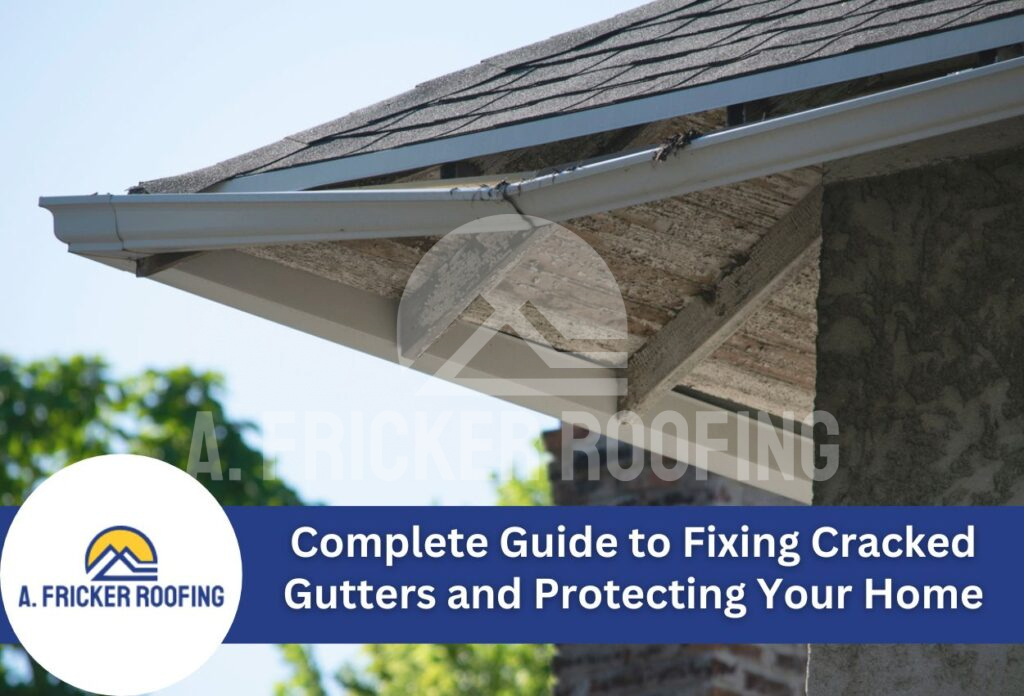
Cracked gutters pose a serious threat to your home’s foundation, landscaping, and structural integrity. When water escapes through damaged sections of your roof drainage system, repair is essential to prevent expensive damage that can spread throughout your property.
Gutter cracks develop from various factors, including age, weather exposure, thermal expansion, and improper installation. Ice damage during winter often creates stress fractures, while UV rays and temperature fluctuations weaken gutter materials over time. Heavy debris accumulation can cause joints to separate and create gaps where water infiltration begins.
Warning signs of gutter damage include visible cracks along seams, water stains on exterior walls, pooling water around your foundation, and separated gutter joints. Small drips during rainstorms often indicate minor issues that can escalate quickly without prompt attention.
Several cracked gutter solutions exist depending on the severity of damage. Simple fixes involve applying gutter sealant to small cracks and gaps, while more extensive repairs may require gutter joint repair or complete section replacement. Understanding how to repair cracked gutters allows homeowners to make the best decisions to protect their investment and maintain proper water drainage around their property.
Identifying Different Types of Gutter Damage and Their Causes
Understanding the specific types of damage affecting your roof drainage system helps determine the most effective solutions. Aluminum gutters commonly develop hairline fractures, particularly where thermal expansion and contraction create stress points. These thin cracks often appear near downspout connections and along straight runs where material fatigue occurs over time.
Vinyl gutters typically experience split joints at connection points where the material becomes brittle from UV exposure and temperature changes. Corner separations are another frequent issue, especially in older installations where inadequate support brackets allow sagging that pulls joints apart. Steel gutters face rust-related deterioration that weakens seams and creates opportunities for leaks to form.
Weather-related factors also contribute to gutter deterioration. Heavy snow creates downward pressure that stresses mounting hardware and joint connections, and rapid temperature fluctuations cause materials to expand and contract repeatedly, eventually weakening seals and creating gaps.
Installation issues often accelerate damage in gutters. Improper slope calculations prevent adequate water flow, leading to standing water that deteriorates materials faster. Insufficient bracket spacing allows excessive sagging between support points, while incorrect joint assembly creates weak spots vulnerable to separation during normal weather cycles.
Tools and Materials Needed for Effective Repairs
Successful gutter crack repair requires specific tools and safety equipment to ensure proper preparation and lasting results. Safety gear is non-negotiable for any repair project, including sturdy ladders rated for appropriate weight loads, non-slip work gloves, and safety glasses to protect against debris during cleaning. A ladder stabilizer prevents gutter damage while providing secure access to problem areas along the roofline.
Basic preparation tools include wire brushes for removing rust and corrosion, putty knives for scraping old sealant material, and measuring tapes to accurately assess crack dimensions. Garden hoses help flush debris from gutters before repairs begin, while drop cloths protect landscaping below work areas. Small hand mirrors assist with inspecting hard-to-reach sections where assessing damage is challenging.
The right sealant depends on the gutter material and the severity of the damage. Silicone-based sealants work effectively on most gutter materials and provide flexible, weather-resistant bonds that accommodate thermal movement. Butyl rubber patches offer superior adhesion for larger crack repairs, while aluminum repair tape creates durable reinforcement for compatible metal gutters.
Specialized materials address specific repair scenarios in gutter joints. Two-part epoxy compounds fill deeper cracks and holes effectively, while flexible caulking guns ensure precise sealant application. Replacement end caps, corner pieces, and joining strips are used when component section replacement becomes necessary to restore optimal roof drainage.
Step-by-Step Process for Sealing Small Cracks and Holes
Surface preparation determines the success of any gutter crack repair effort. Begin by thoroughly cleaning the damaged area with a wire brush to remove rust, dirt, and old sealant residue that prevents proper adhesion. Rinse the section with clean water and allow it to dry before moving to the next step, as moisture interferes with sealant bonding and reduces repair longevity.
Monitoring outdoor temperatures is crucial when applying gutter sealant. Most sealant products require application temperatures between 40 and 85 degrees Fahrenheit for proper curing. Avoid repairs during extreme weather conditions, as high heat accelerates curing, while cold temperatures prevent proper flow and adhesion of the sealant.
Application technique varies depending on crack size and location within the roof drainage system. Small hairline cracks require thin, even beads of sealant applied directly over the damaged area. Press the material firmly into the crack using a putty knife to eliminate air pockets and ensure complete coverage. For gutter joint repair, apply sealant to both surfaces before reassembly to create a watertight finish.
Curing requirements determine when repaired gutters can handle water flow again. Most sealants require 24 to 48 hours for initial cure, though full strength develops over several days. Protect fresh repairs from rain during this period to prevent washout. Regular gutter maintenance should include periodic inspections of sealed areas to verify continued effectiveness and catch potential problems early.
Advanced Repair Techniques for Joint Separation and Large Splits
When minor repairs are inadequate, advanced techniques become necessary to restore the integrity of severely damaged roof drainage systems. Joint separations require complete disassembly of affected connections to clean and prepare surfaces for reassembly. Remove old sealant material completely using appropriate solvents or mechanical scraping to ensure the new materials bond effectively with existing gutter surfaces.
Reinforcement brackets provide additional support for weakened gutter joints where standard connections show signs of repeated failure. Position metal brackets strategically along problem areas, securing them with corrosion-resistant screws that go into solid fascia boards. These brackets distribute stress more evenly and reduce the likelihood of future joint separation in areas prone to movement or excessive water volume.
Large split repairs need patches that restore both strength and water-tight sealing capabilities. Measure damaged sections accurately and cut replacement materials slightly larger than the affected area to ensure complete coverage. Specialized connectors designed for gutter repairs help blend patches invisibly with existing gutter profiles while maintaining proper water flow characteristics.
Material compatibility is critical when implementing these cracked gutter solutions, as dissimilar metals can create galvanic corrosion that accelerates deterioration. Select patch materials and fasteners that match the existing gutters to prevent chemical reactions that compromise long-term durability. Proper application of compatible sealants around patch edges ensures water-tight connections that perform effectively throughout varying weather conditions without requiring frequent maintenance.
When Professional Help is Worth the Investment
Certain warning signs indicate gutter damage has progressed beyond the scope of DIY solutions. Extensive fascia board deterioration around gutter mounting points signals structural problems that require a professional assessment. When multiple sections show separation simultaneously or gutters have pulled away from the roofline, underlying support systems may have failed and need a comprehensive evaluation.
Improper gutter slope is another scenario where professional intervention is necessary. Gutters that consistently hold standing water despite regular cleaning indicate installation errors that affect the entire system. Correcting slope issues requires precise measurements and potentially relocating mounting brackets, tasks that need specialized knowledge of proper drainage calculations and building codes.
Professional services offer significant advantages beyond basic gutter repairs. Licensed contractors provide warranty protection on both materials and workmanship, ensuring repairs meet manufacturer specifications and local building requirements. They possess specialized equipment for safely accessing multi-story installations and can identify related problems like compromised roof edges or inadequate flashing that contribute to gutter failure.
Integration with comprehensive roof maintenance programs is another advantage of working with professionals. Contractors can coordinate gutter repairs with roof inspections, ensuring proper water flow from roof surfaces through the entire drainage system. This holistic approach prevents recurring problems and maintains optimal performance across all components of your home’s water management system.
Preventing Future Gutter Problems Through Regular Maintenance
Following consistent maintenance routines prevents minor issues from worsening and needing extensive repairs. Seasonal inspections scheduled during spring and fall allow homeowners to identify potential problems before winter weather and summer storms create additional stress on roof drainage systems. These routine checks focus on joint integrity, water flow, and early detection of material deterioration that could lead to future failures.
Cleaning schedules tailored to local weather conditions help maintain optimal gutter performance year-round. Properties surrounded by heavy tree coverage require more frequent debris removal to prevent clogs that create standing water and accelerate material breakdown. Regular cleaning reduces the need for repairs by eliminating conditions that promote rust, corrosion, and joint separation in vulnerable areas.
Gutter guards provide long-term protection by reducing debris accumulation while maintaining proper water flow through the drainage system. These protective systems minimize the need for cleaning and reduce wear on gutter materials caused by repeated debris buildup. Quality guard installations complement gutter maintenance programs by addressing the root causes of many common problems.
Coordinating gutter maintenance with roof inspections creates comprehensive protection strategies that address water management holistically. Professional contractors can identify potential issues like damaged flashing or deteriorating roof edges that contribute to gutter problems. This integrated approach prevents recurring cracked gutter issues while extending the overall lifespan of both roofing and drainage system components through proactive care.
Expert Gutter Crack Repair Services in Your Area
If you’ve noticed signs of wear and tear on your gutters, such as cracks or separations, it’s crucial to act quickly to prevent further damage to your home’s drainage system. At A. Fricker Roofing and Waterproofing, we specialize in diagnosing and repairing all types of gutter damage, ensuring your home stays protected from water-related issues. Don’t let small cracks turn into big problems. Our team of experienced professionals uses the latest techniques and high-quality materials to deliver effective and durable solutions.
Whether you need a simple sealant application or extensive gutter joint repair, we are here to help. Call us today at (918) 402-7167 to schedule a consultation and ensure your gutters are in top condition!