
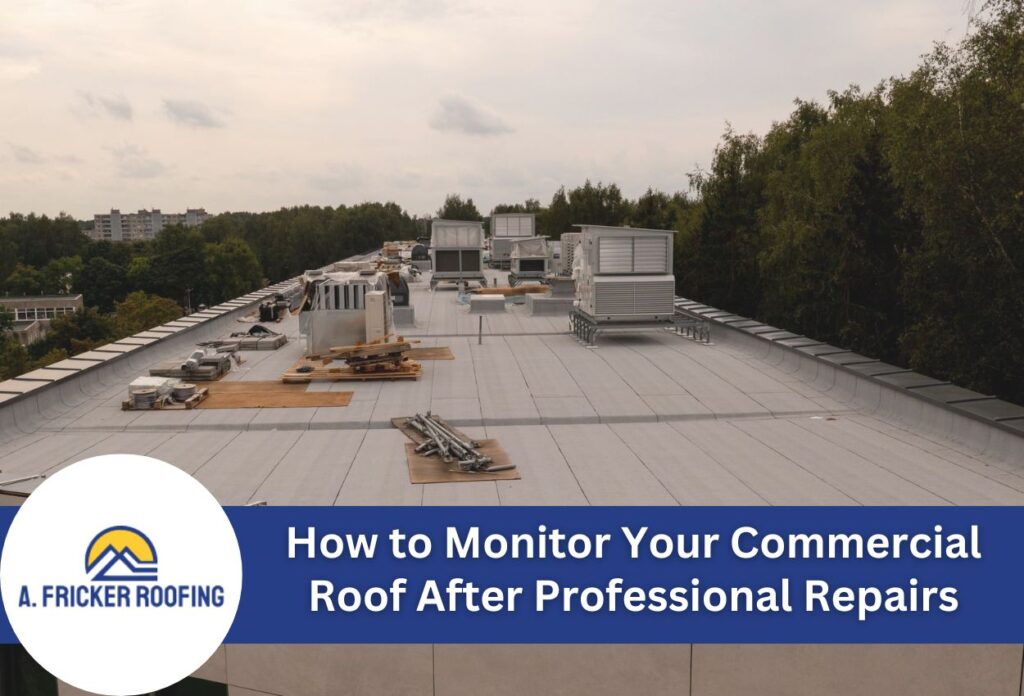

Commercial roof monitoring after repair represents a critical phase that determines whether your investment delivers long-term protection and value. Professional repairs mark the beginning, not the end, of ensuring your commercial property remains secure from weather damage and structural issues.
Post-repair monitoring involves systematically observing repair areas, documenting roof conditions, and early detection of potential problems before they turn into expensive forms of failure. How frequently the roof is inspected becomes essential during the initial months following repair work, as this period reveals how well repairs perform under real-world conditions.
Effective monitoring requires understanding specific signs of roof damage after repair, including subtle changes in drainage patterns, membrane adhesion, and flashing integrity. Best practices for roof maintenance during this phase focus on identifying issues while they remain manageable and affordable to address.
Warranties for commercial roofing materials often require regular monitoring and documentation, making systematic observation both a protective measure and a necessity for compliance. Preventive roof care techniques implemented immediately after repairs can extend the lifespan of the new work along with the existing roofing materials significantly.
Establishing the Right Inspection Schedule for Your Newly Repaired Roof
Creating an effective inspection schedule after commercial roof repairs requires balancing thoroughness with practicality. Professional inspections should occur monthly during the first 3 months following repairs, then quarterly for the remainder of the first year. This schedule for commercial roof inspections allows contractors to identify potential issues while repairs remain under warranty protection.
Oklahoma’s severe weather patterns demand strategic timing for professional assessments. Schedule inspections before spring storm season and after summer heat subsides to catch temperature-related expansion issues. Fall inspections prove essential before winter freeze-thaw cycles begin affecting repair materials.
Between professional visits, property managers should conduct weekly visual checks focusing on the obvious signs of roof damage after repair. Look for standing water near repair areas, loose flashing, or membrane lifting. These routine observations complement professional assessments without requiring specialized expertise.
The best practices for roof maintenance include documenting all observations with photographs and maintaining detailed inspection logs. This approach satisfies commercial roof warranty requirements while creating valuable historical data. Preventive roof care techniques during this monitoring phase help identify minor concerns before they develop into major failures requiring extensive repairs.
Critical Warning Signs That Indicate Your Roof Repair May Be Failing
Recognizing early warning signs of repair failure protects commercial properties from extensive damage and costly emergency interventions. Visual indicators during routine building maintenance often reveal repair performance issues before they become critical problems. Property managers should monitor repair areas for bubbling membranes, edges lifting, or unusual wear patterns that suggest inadequate adhesion or material failure.
Drainage problems around repair zones frequently signal larger issues with the quality of the workmanship or material compatibility. Standing water, altered flow patterns, or new ponding areas indicate potential membrane settlement or improper slope corrections. These signs of roof damage after repair require immediate professional evaluation to prevent water intrusion and structural damage.
Interior warning signs provide crucial information about repair effectiveness and often appear before exterior damage becomes obvious. Water stains, discoloration, or moisture patterns near recently repaired areas suggest a leaking membrane or flashing failures. Temperature variations in ceiling areas can indicate that insulation may have been compromised from undetected leaks.
Commercial roof inspection frequency should increase when warning signs appear, as early intervention prevents minor issues from violating commercial roof warranty requirements. Best practices for roof maintenance include immediate documentation concerning changes and prompt professional assessment. Preventive roof care techniques focus on addressing warning signs before they develop into system failures requiring major reconstruction.
Implementing Effective Daily and Weekly Roof Care Practices
Building owners can perform several safe maintenance tasks that extend repair longevity and prevent minor issues from becoming major problems. Weekly visual inspections from ground level help identify obvious changes around repaired areas without requiring access to the roof. Check for debris accumulation, drainage blockages, or visible membrane damage using binoculars when necessary.
Monthly gutter cleaning and drain maintenance represent essential preventive roof care techniques that protect recent repairs. Clogged drainage systems create standing water that can compromise membrane adhesion and flashing integrity. Remove leaves, branches, and sediment that might redirect the flow of water toward more vulnerable repair zones.
Proper documentation creates valuable maintenance history that supports commercial roof warranty requirements and helps contractors identify recurring issues. Photograph repair areas monthly from consistent angles to track changes over time. Maintain written logs noting weather conditions, observed problems, and completed maintenance activities with specific dates and descriptions.
The best practices for roof maintenance include establishing seasonal checklists that address common points of failure. Document all findings systematically to create comprehensive records that demonstrate compliance with warranty terms. The amount of times you get a commercial roof inspection a year relates to ensuring that nothing gets overlooked while collecting essential data for the building. Regular documentation helps contractors understand how repairs perform under actual conditions and supports future warranty claims when properly maintained records demonstrate consistent care and monitoring efforts.
Understanding Your Commercial Roof Warranty and Compliance Requirements
Whether or not you’ll receive warranty coverage for your commercial roof heavily depends on keeping consistent documentation on the state of the roof and monitoring it frequently. Most roofing contractors require detailed maintenance records to honor repair guarantees, making systematic observation both a protective measure and contractual obligation. Warranty terms typically specify inspection intervals, acceptable maintenance practices, and required documentation standards that property owners must follow.
Regular monitoring directly impacts whether or not a warranty will be valid when issues arise with repaired areas. Contractors evaluate maintenance logs, inspection records, and photographic documentation before approving warranty claims. Commercial roof inspection frequency requirements vary by manufacturer and contractor, but most warranties mandate professional assessments at specified intervals with detailed reporting.
Building code compliance in Tulsa requires ongoing verification that roofing systems continue meeting safety and performance standards after repairs. Proper monitoring helps identify code-related concerns before they result in violations or failed inspections. Regular documentation demonstrates compliance efforts and supports permit requirements for future modifications or repairs.
Signs of roof damage after repair must be addressed quickly to maintain warranty protection and code compliance. Best practices for roof maintenance include maintaining detailed records that satisfy both warranty requirements and local regulations. Preventive roof care techniques implemented through systematic monitoring protect both warranty coverage and regulatory compliance while extending the lifespan of repair investments.
Working Effectively with Roofing Professionals for Ongoing Assessments
Professional roof inspections provide critical insights that building owners cannot obtain through routine visual inspections alone. Preparing your facility for these assessments maximizes the value of contractor visits and ensures comprehensive evaluation of repairs and how they’re holding up. Clear roof access, organized maintenance records, and specific lists of concerns help contractors conduct thorough inspections efficiently.
Roofing professionals use specialized equipment to detect membrane adhesion issues, moisture infiltration, and structural problems invisible during standard observations. These detailed assessments complement regular monitoring activities by providing technical analysis of repair quality and system performance. Commercial roof inspection frequency recommendations from contractors reflect their understanding of specific repair materials and local weather conditions.
Building productive relationships with roofing contractors requires clear communication about expectations, concerns, and budget considerations. Contractors appreciate clients who maintain detailed maintenance logs and can articulate specific observations about roof performance. This collaboration helps identify signs of roof damage after repair early and develops effective preventive roof care techniques tailored to your specific building.
Professional assessments should address commercial roof warranty requirements while evaluating overall system health. The best practices for roof maintenance include scheduling regular contractor visits during good weather and providing access to all areas that need evaluation.
Developing a Long-Term Roof Maintenance Strategy Beyond Initial Repairs
Sustainable roof maintenance extends far beyond the initial repair period and requires continuous strategies that adapt to changing building conditions over time. Commercial properties benefit from flexible approaches to monitoring that intensify during critical periods and adjust based on performance data collected through systematic observation. Long-term roof health depends on recognizing that maintenance needs change as roofing systems age and environmental factors shift.
Performance data gathered during the first year following repairs provides valuable insights for predicting future maintenance requirements. Property managers should analyze seasonal patterns, weather impact data, and repair area performance to identify trends that inform budget planning and maintenance scheduling. This historical information helps optimize commercial roof inspection frequency based on actual building performance rather than generic recommendations.
Future maintenance planning requires understanding how current repair performance indicates broader system health and remaining lifespan. Signs of roof damage after repair often reveal underlying system weaknesses that require proactive attention. Best practices for roof maintenance include developing multi-year maintenance plans that address predicted needs before emergency situations develop.
Strategic maintenance planning supports commercial roof warranty requirements while building comprehensive care programs that extend the overall roofing system’s lifespan. Preventive roof care techniques evolve from reactive repair monitoring to predictive maintenance strategies that address potential issues before they impact building operations or require costly emergency interventions.
Protect Your Investment with A. Fricker Roofing and Waterproofing
If you’re concerned about the longevity and effectiveness of your recent roof repairs, it’s crucial to start monitoring your commercial roof right away. At A. Fricker Roofing and Waterproofing, we understand the unique challenges that Tulsa’s climate poses to roofing systems.
Don’t wait for visible signs of failure. Call A. Fricker Roofing and Waterproofing today at (918) 402-7167 to schedule a professional inspection and discuss the best practices for maintaining your commercial roof. Our expert team is ready to help you develop a tailored inspection schedule that aligns with Oklahoma’s seasonal weather patterns and keeps your roof in top condition.