

Commercial roofs endure constant exposure to harsh weather conditions, temperature fluctuations, and natural wear that can lead to serious structural problems over time. Recognizing the early warning signs of commercial roof failure protects building owners from expensive emergency repairs and significant business disruptions that occur when minor issues turn into major disasters.
Most commercial roofing problems develop gradually, making early detection crucial to maintain a safe and functional building. Water damage, structural deterioration, and energy inefficiency often result from overlooked symptoms that could have been addressed through a quick commercial roof inspection and maintenance program.
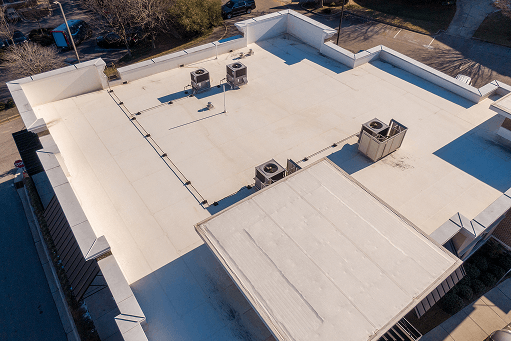
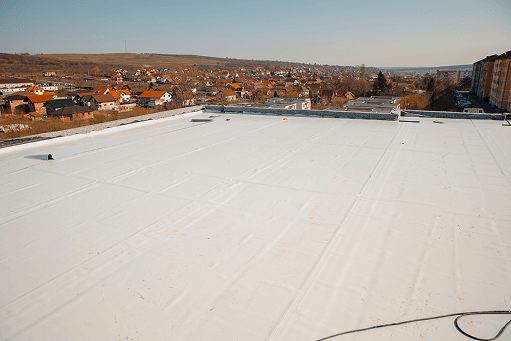
Flat roof problems are unique compared to residential challenges found on sloped roofing systems. Poor drainage, membrane deterioration, and thermal expansion create specific vulnerabilities that require careful monitoring. Understanding the difference between normal aging and serious roof replacement indicators helps property managers make informed decisions about when to schedule repairs or a complete replacement.
Effective roof leak detection involves recognizing both obvious and subtle signs of moisture intrusion, lack of energy efficiency, membrane problems and more.
Visible Water Damage and Leak Patterns
Water damage represents one of the most critical signs of commercial roof failure that requires immediate professional attention. Interior water stains that appear on ceilings, walls, or structural beams indicate that the roofing membrane has been compromised, allowing moisture into the building.
These stains often appear as spots of brown or yellow discoloration along ceiling tiles, and may expand over time as the leak worsens. Sagging or warped tiles suggest prolonged moisture exposure that can weaken structural components and create unsafe conditions. If dripping water occurs during or after storms, there are active leaks in the roof requiring urgent detection and repair services.
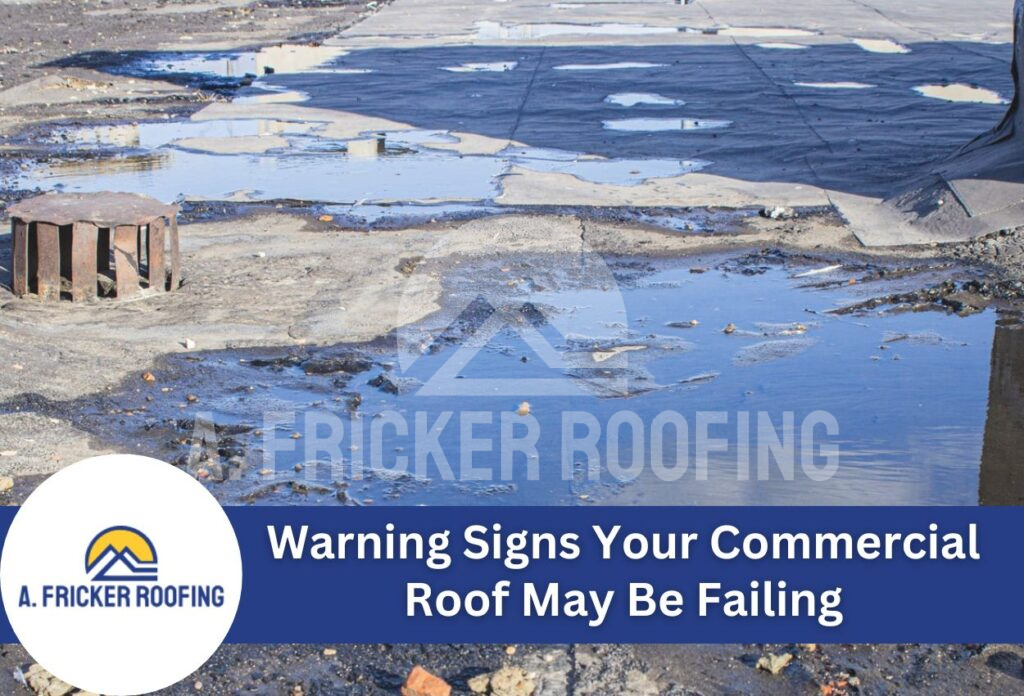
Pooling water on flat roofs is another serious concern for commercial property owners. Standing water that remains more than 48 hours after rainfall indicates drainage system failure or structural settling that’s preventing proper water runoff. This ponding accelerates membrane deterioration and increases the risk of catastrophic roof collapse under excessive weight.
Flat roof problems may get worse during the winter as ice dams develop, freezing trapped water and causing it to expand, leading to additional membrane damage. Property managers should document water damage patterns to help roofing professionals determine whether repairs can address the problem or if roof replacement indicators suggest complete system failure.
Membrane Cracking and Surface Deterioration
Surface deterioration along the roofing membrane creates vulnerable points where moisture can easily enter the building, accelerating the overall aging process of the commercial roofing systems. Visible cracks, splits, and blisters in roofing materials indicate the roofing membrane failed and requires immediate assessment during commercial roof inspections. These openings allow water in that damages insulation, the roof deck, and other interior parts of the building.
Blisters form when trapped moisture or air creates bubbles beneath the membrane surface, weakening the material’s protective abilities. Split seams along membrane edges or joints represent critical points of failure that could compromise the entire roofing system’s waterproofing capabilities.
If granules are missing from the surface of a modified bitumen roofing system, the membrane is likely to become damaged by UV rays that reduces the membrane’s ability to reflect heat and resist leaks. Areas that appear darker than surrounding protected sections and feel rough or sandy when touched. Single-ply membranes that are exposed to this type of damage experience chalking, when powdery texture develops across its surface indicating a chemical breakdown.
Structural Sagging and Support Issues
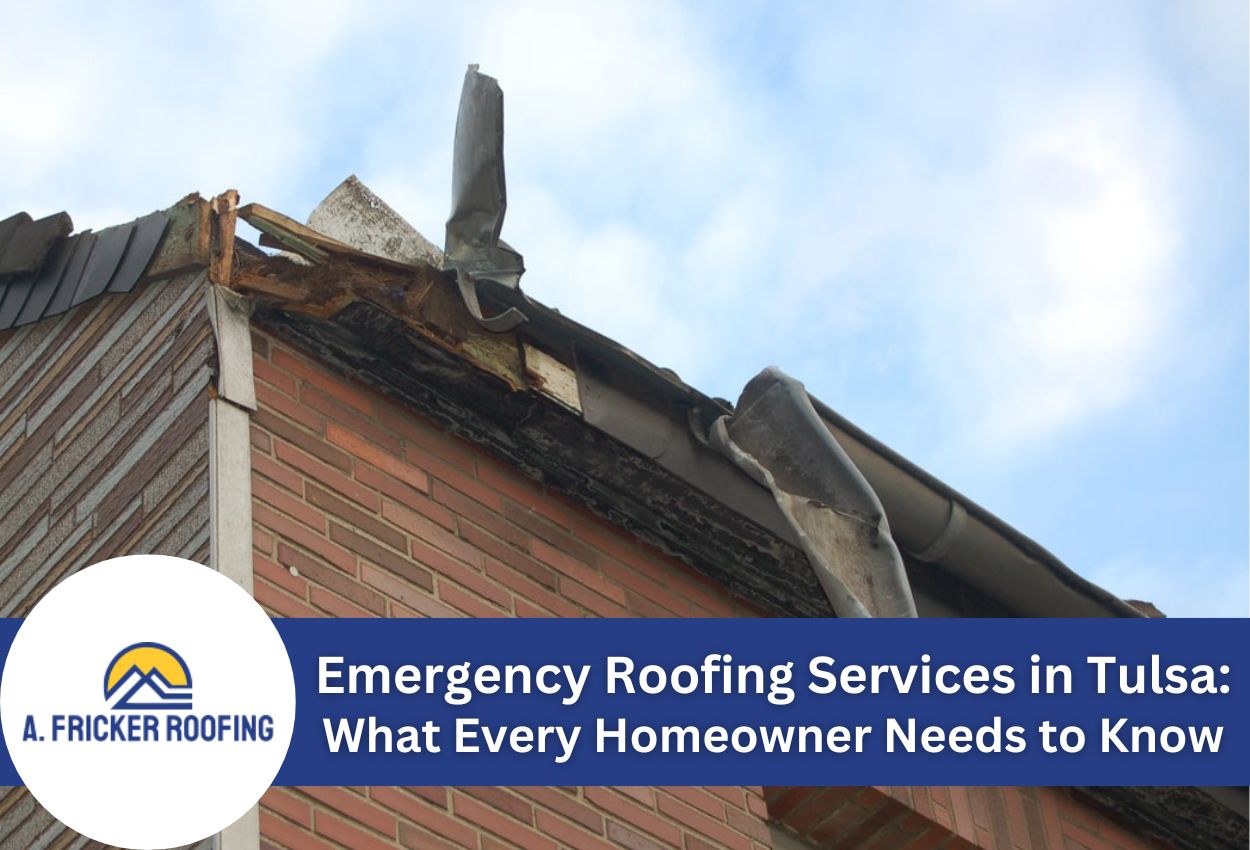
Structural sagging represents one of the most dangerous signs of commercial roof failure that requires immediate professional inspections and intervention. Visible dips, depressions, or uneven areas across the roofing surface indicate compromised structural supports that may no longer handle the weight of the roofing system. These sagging areas often develop gradually as wooden roof decks rot, steel beams corrode, or support columns weaken due to prolonged exposure to moisture or excessive weight.
Separation between different roof sections signals structural movement that compromises the building’s weather protection system. Gaps appearing where roof membranes meet parapet walls, expansion joints, or adjacent sections of the building create direct pathways for water infiltration. This structural shifting often results from the foundation settling, thermal expansion cycles, or deteriorated fastening systems that no longer secure roofing components properly.
A commercial roof inspection should carefully document any areas where the roof appears to pull away from vertical surfaces or shows signs of structural distress. When this sagging continues, water easily accumulates in these areas, creating additional weight that accelerates structural deterioration. This standing water combined with weakened supports creates dangerous conditions that may lead to sudden roof collapse.
Professional roof leak detection services can identify moisture damage affecting structural components before visible sagging occurs. Regular commercial roof maintenance helps monitor structural integrity and prevents minor support issues from becoming catastrophic failures. Property managers observing any structural irregularities should treat these roof replacement indicators as emergency situations requiring immediate professional assessment to ensure building safety.
Drainage System Failures
Drainage system failures create serious threats to a commercial roof by preventing water from leaving the surface. Clogged gutters filled with debris, leaves, or sediment block the normal flow of water and cause backups that force moisture under roofing materials. This water seeps through membrane edges, seams, and flashing details where it damages insulation and structural components beneath the roof deck.
Downspout blockages make drainage problems worse by creating pressure that pushes water backward through the entire gutter system. Overflowing gutters spill water against building walls and the foundation, creating moisture problems that extend beyond the roofing structure itself. Commercial roof inspection processes should evaluate all parts of the drainage system in order to ensure water will properly leave the roof.
Loose pipe joints, cracked drain flanges, or deteriorated sealants around roof drains also allow water to enter directly into the roof deck. These connection failures often occur at the most vulnerable areas where different materials meet and thermal expansion creates stress on sealing compounds.
Changes in Energy Efficiency
Changes to a building’s energy efficiency often provide the earliest signs of commercial roof failure that building managers can detect by checking their utility bill and monitoring interior comfort. Sudden increases in heating and cooling costs typically signal compromised roof insulation caused by moisture or air leaks through damaged portions of the membrane. Leaks saturate insulation materials, dramatically reducing their thermal resistance and forcing HVAC systems to work harder in order to maintain the desired interior temperature.
If temperatures are unevenly distributed throughout commercial buildings, this suggests that there is thermal bridging occurring through wet insulation or gaps in the roof, allowing conditioned air to escape. Cold spots during winter or excessive heat in specific areas during summer indicate locations where the roofing system no longer provides adequate thermal protection. These temperature inconsistencies create uncomfortable working conditions while dramatically increasing energy consumption.
Air leaks through compromised roofing materials allow outdoor air to enter building spaces, overwhelming HVAC systems and creating drafts that affect occupant comfort. To help, commercial roof inspection procedures tend to include thermal imaging surveys that identify heat loss patterns which point to a failed roofing membrane or insulation damage. These thermal assessments reveal problem areas before they become visible through water stains or structural damage.
When to Call Professional Inspectors
Professional commercial roof inspection services provide expertise that untrained building managers cannot match when evaluating complex roofing systems. Annual professional inspections identify developing problems during early stages when repairs remain cost-effective and prevent minor issues from escalating into major roof replacement scenarios. These comprehensive evaluations document roof conditions for warranty claims and insurance purposes while establishing maintenance records that demonstrate proper building care.
Trained inspectors recognize subtle signs of commercial roof failure that building staff typically overlook during routine maintenance activities. Professional roof leak detection equipment locates moisture intrusion within roof assemblies before water damage becomes visible through interior stains or structural deterioration. These specialized assessments evaluate a roofing membrane’s durability, flashing conditions, and drainage system performance using industry-standard protocols that ensure the roof is thoroughly examined.
Emergency situations require immediate professional help when building occupants face potential safety risks from structural damage or extensive water infiltration. Storm damage, sudden leaks, or visible sagging requires an expert evaluation to determine whether the building remains safe for occupancy and what repairs require urgent attention. Professional inspectors can quickly assess flat roof problems and provide emergency stabilization while coming up with comprehensive repair plans.
Commercial roof maintenance programs can benefit businesses from professional oversight that establishes inspection schedules based on roof age, material type, and environmental exposure conditions. Professional inspectors provide objective assessments that help property owners make informed decisions about repairing or replacing the roof, while ensuring compliance with building codes and manufacturer warranty requirements.
Protect Your Investment with A. Fricker Roofing and Waterproofing
If you’ve noticed any of the warning signs of commercial roof failure, such as visible water damage, membrane cracking, or structural sagging, it’s crucial to act quickly to reduce further damage and expensive repairs. At A. Fricker Roofing and Waterproofing, we specialize in diagnosing and resolving all types of commercial roofing issues. Don’t let small issues become major failures that disrupt your business operations and incur significant expenses.
Call us today at (918) 402-7167 for a comprehensive roof inspection and expert consultation. Our experienced team is equipped to handle everything from minor maintenance to full roof replacements.