
How to Schedule Commercial Roof Repair Without Business Disruption

Commercial roof problems need immediate attention, but rushing into repairs without proper planning can create disruptions to daily operations. Business owners and facility managers face the challenge of addressing urgent roofing issues while maintaining productivity and minimizing downtime. The key lies in understanding how to schedule commercial roof repair strategically.
Timing plays a critical role in successful commercial roof work. Weather conditions, business cycles, and contractor availability all influence when repairs should occur. A leaking roof during peak business hours can damage inventory, disrupt customer service, and create safety hazards for employees. However, emergency commercial roof repair situations require different approaches than planned maintenance projects.
The commercial roof repair process involves multiple stages that need to be coordinated. From initial roof inspection scheduling through final project completion, each step affects business operations differently.
Proper scheduling balances urgency with practicality. Understanding seasonal factors, weather patterns, and business demands helps property managers make informed decisions about repair timing.
Recognizing the Warning Signs That Require Professional Roof Repair
Identifying when to schedule commercial roof repair requires understanding both obvious and subtle warning signs that indicate roofing problems. Ponding water represents one of the most visible indicators. Standing water on flat or low-slope commercial roofs creates membrane stress and accelerates deterioration. Interior leaks provide another clear signal that a professional assessment is necessary, as water infiltration can damage inventory, equipment, and the building’s structure.
Membrane damage appears in various forms, including cracks, blisters, and punctures in the roofing material. These issues often signal underlying problems extending beyond surface damage and can compromise the roof’s protective barrier, requiring a prompt evaluation by qualified professionals.
Less apparent warning signs can also indicate serious roofing issues requiring professional diagnosis. Rising energy costs may reflect compromised insulation or air infiltration through damaged roofing systems. Musty odors inside the building often suggest moisture intrusion that has progressed beyond visible signs. Major roof damage typically begins with these subtle indicators that property managers might overlook.
Aging roof systems approaching their expected lifespan require increased attention, even without obvious problems, as emergency commercial roof repair situations often develop when minor issues go unaddressed. Regular roof inspections help spot problems before they worsen, allowing for planned repairs rather than disruptive emergency fixes that interrupt business operations and potentially cost significantly more to resolve.
Planning Your Professional Roof Assessment and Inspection
Arranging a professional roof assessment begins with selecting qualified contractors who understand commercial roofing systems and business operational requirements. The roof inspection should accommodate business hours while thoroughly evaluating all roofing components. Professional inspectors examine membrane conditions, drainage systems, flashing details, and structural elements to identify both visible and hidden problems requiring attention.
During the inspection process, contractors document existing conditions through photographs and detailed notes that support repair recommendations. This comprehensive evaluation identifies immediate safety concerns, structural issues, and preventive maintenance opportunities. The commercial roof repair process relies on accurate assessments that prioritize repairs based on urgency and potential impact on building operations.
Working with contractors to develop repair priorities requires understanding both immediate needs and long-term maintenance requirements. Professional assessments distinguish between emergency repairs requiring immediate attention and scheduled maintenance that can occur during planned downtime. This helps property managers allocate resources effectively while minimizing business disruptions.
Creating comprehensive repair plans addresses current problems while establishing timelines for future commercial roof maintenance. Contractors should provide detailed timelines showing how repairs will progress and when business operations might be affected. Hiring a commercial roofing contractor who understands a business’s priorities ensures repairs proceed efficiently while maintaining daily operations.
Tips for Choosing a Commercial Roofing Contractor
Finding qualified professionals for commercial roof repair requires evaluating specific credentials that distinguish experienced commercial contractors from general roofing companies. Contractors must carry appropriate insurance coverage, including general liability and workers’ compensation protection. These qualifications protect property owners from potential liabilities during repair work while ensuring contractors meet industry standards for commercial roofing systems.
Local experience provides multiple advantages when hiring a commercial roofing contractor. Contractors familiar with regional weather patterns, building codes, and material performance understand challenges specific to commercial roofs in different climates. Specialized experience with particular roofing systems is crucial when repairs involve complex membrane types, modified bitumen, or built-up roofs requiring specific installation techniques and material knowledge.
Evaluating contractor capabilities involves asking detailed questions about project scheduling and business operation considerations. Professional contractors should explain their approach to minimizing disruption during the commercial roof repair process. Questions about crew size, daily work schedules, and coordination with building occupants reveal how contractors plan to maintain productivity while completing necessary repairs.
Contractors should provide realistic completion schedules considering weather patterns, material availability, and project complexity. The estimate should also include differences in the type of service, as emergency roofing situations require immediate responses, while planned maintenance allows for flexible scheduling. Understanding contractor availability during peak seasons helps property managers coordinate repairs with operational demands and avoid delays that extend disruption.
Coordinating Repair Schedules Around Your Business Operations
Scheduling commercial roof repair requires careful analysis of business patterns to identify optimal windows that minimize operational disruption. Low-activity periods present ideal opportunities for major roofing work, whether during seasonal slowdowns, weekend closures, or overnight hours when building occupancy remains minimal. Property managers must evaluate customer traffic patterns, employee schedules, and critical business functions to determine when repairs can proceed with the least impact.
Effective communication with tenants and employees becomes essential when coordinating repair schedules around active business operations. Advance notices should detail planned work schedules, potential noise levels, and any temporary access restrictions that might affect daily routines. Clearly communicating prevents confusion and allows building occupants to adjust their activities around construction schedules, reducing complaints and maintaining positive relationships during the commercial roof repair process.
Developing flexible scheduling arrangements with contractors accommodates the unpredictable nature of roofing work while protecting business interests. Weather delays, unexpected complications, and material delivery issues can extend project timelines beyond original estimates. When hiring a commercial roofing contractor, establishing contingency plans for weather-related delays ensures work can resume quickly when conditions improve without disrupting other scheduled business activities.
However, keep in mind that while planned commercial roof maintenance benefits from flexible scheduling, emergency commercial roof repair situations may require immediate action regardless of business operations.
Handling Emergency Commercial Roof Repairs When Time is Critical
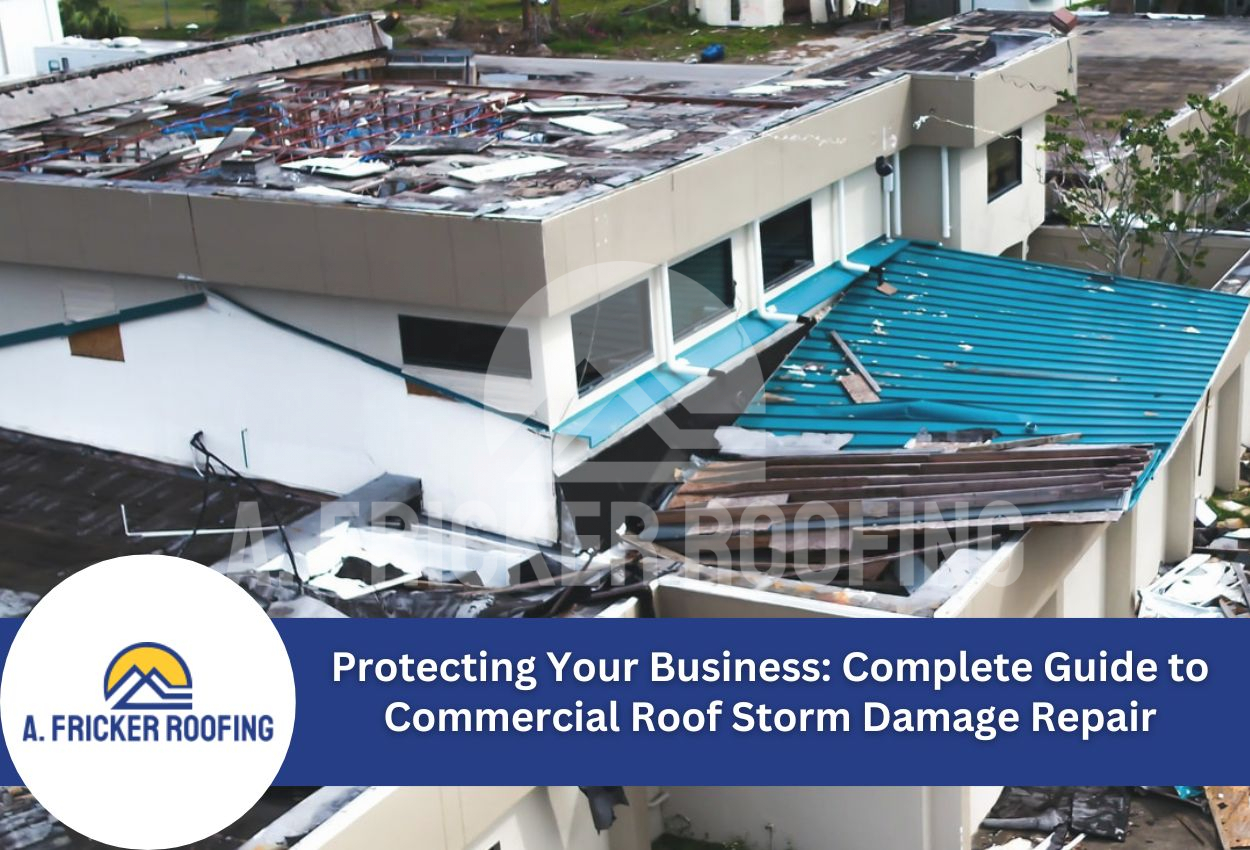
Emergency situations require quick action to prevent extensive property damage and business disruption. When critical roof problems arise, the first step involves securing the affected area to prevent further damage while arranging a professional assessment. Temporary solutions such as tarping damaged sections or redirecting water drainage can provide essential protection until permanent repairs commence. Roofing emergencies need a swift response, but safety must never be compromised during urgent interventions.
Determining whether emergency repairs can proceed immediately depends on several critical factors, including weather conditions, contractor availability, and the extent of damage discovered. Simple repairs such as patching small punctures or sealing minor leaks may be completed quickly when conditions permit. However, extensive damage requiring membrane replacement or structural repairs typically requires temporary protective measures until full repairs can be properly scheduled and executed.
The commercial roof repair process differs significantly between emergency and planned maintenance. Emergency repairs focus on immediate damage control and weather protection, while comprehensive repairs address underlying causes and long-term performance. Hiring a commercial roofing contractor during emergencies requires verifying their ability to respond quickly while maintaining quality standards under pressure.
Regular roof inspections and proactive maintenance significantly reduce the risk of emergency repair needs. Property managers who maintain relationships with local contractors and emergency contact information can minimize damage and restore their building more efficiently when urgent roofing problems arise.
Maintaining Your Investment Through Ongoing Commercial Roof Care
Protecting a commercial roofing investment extends far beyond completing initial repairs, requiring ongoing maintenance that preserve roof performance and prevent future problems. Follwing regular maintenance schedules with qualified contractors ensures minor issues are fixed before major repair are needed. This approach to commercial roof maintenance significantly extends the roof’s lifespan while reducing long-term costs associated with emergency commercial roof repairs.
Professional maintenance schedules typically include biannual inspections that assess membrane conditions, drainage functionality, and flashing integrity. These scheduled evaluations allow contractors to identify developing problems during early stages when repairs remain manageable and less disruptive to business operations. Roofing work becomes more predictable and cost-effective when maintenance schedules guide repairs compared to emergency situations.
Creating comprehensive roof management plans involves developing long-term strategies that address both immediate maintenance needs and future replacement planning. These plans should include periodic inspection schedules, preventive treatment applications, and budget allocations for anticipated repairs over the roof’s expected lifespan. Effective planning considers seasonal maintenance requirements, such as pre-winter inspections and post-storm assessments that protect against weather-related damage.
When hiring a commercial roofing contractor for ongoing maintenance, establishing service agreements provides priority scheduling and consistent pricing for routine maintenance activities. When regular roof inspection scheduling becomes routine rather than reactive, property managers can budget maintenance costs predictably while maintaining optimal roof performance throughout the system’s service life.
Expert Commercial Roof Repair from A. Fricker Roofing and Waterproofing
Recognizing the need for timely and professional roof repair is crucial to maintaining your commercial property’s integrity and functionality. At A. Fricker Roofing and Waterproofing, we understand the importance of minimizing downtime in your business. That’s why we offer flexible scheduling and efficient service to address your roofing needs without significant disruption.
Whether you’re dealing with leaks, damage from weather events, or general wear and tear, our team is equipped to assess and fix your roofing issues promptly. Don’t wait for the damage to worsen, which can lead to increased repair costs and operational setbacks. Contact A. Fricker Roofing and Waterproofing today at (918) 402-7167 to schedule a professional roof inspection and ensure your business is protected.