

Leading Roofing Contractor in Oklahoma
Storm Damage Roof Repair in Wagoner, OK
4.9 Stars - Based on 708 User Reviews
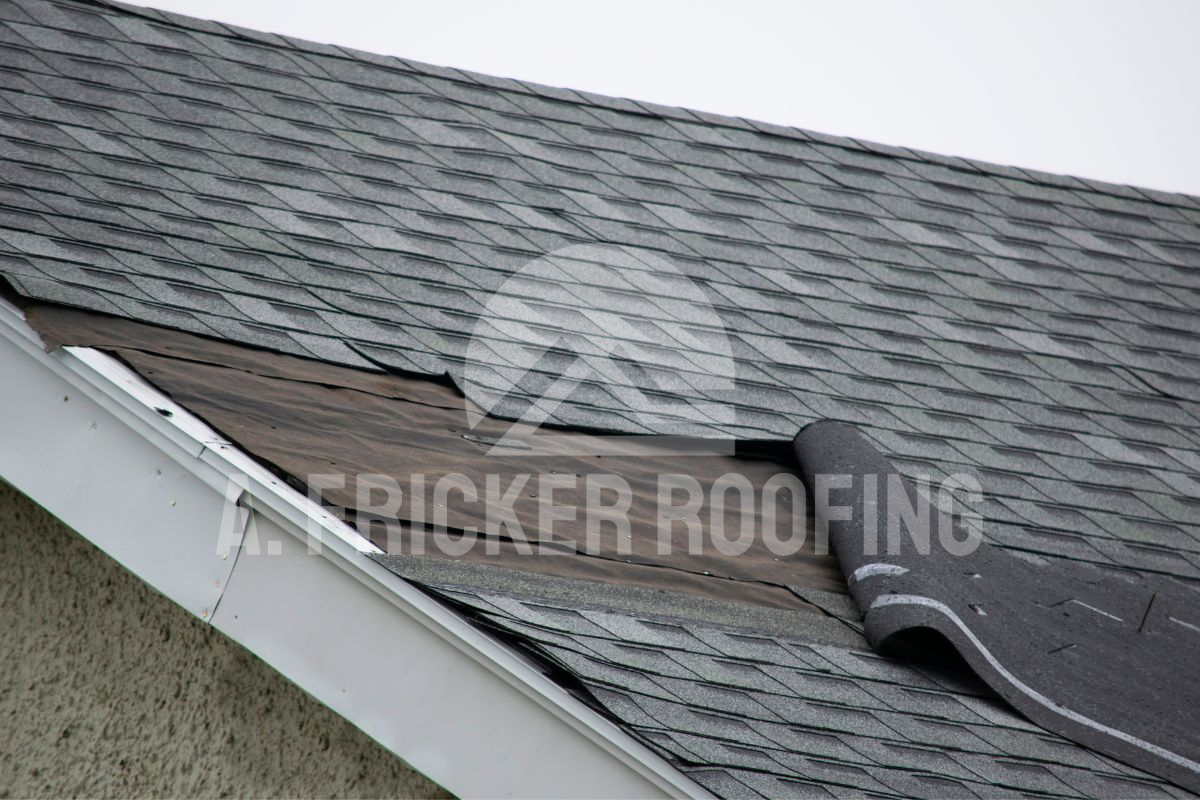
Wagoner sits squarely in a part of northeastern Oklahoma where severe weather is not rare. Spring storms roll through with strong winds, large hail, and heavy rain that can tear shingles loose, bend flashing away from the roof deck, and crack the seals around pipe vents in a matter of minutes. The area's position in tornado alley means homeowners here deal with this kind of weather regularly, and the roofs that take the hit are almost always asphalt shingle systems. What makes storm damage tricky is that the worst of it is not always visible from the ground. Missing shingles are obvious, but lifted flashing, bruised shingle surfaces, and small gaps around vent boots can let water into your home quietly until you notice a stain on the ceiling or paint bubbling on a wall.
That is where A. Fricker Roofing and Waterproofing steps in. Serving Wagoner and the surrounding communities in Wagoner County, the team understands how local weather patterns wear on residential roofs and what to look for after a storm passes through. A complete roof inspection after a wind or hail storm can reveal damage that would otherwise go unnoticed until the next round of rain makes it impossible to ignore. Getting ahead of that damage protects your home, your ceilings, and the structural integrity of the roof itself before a small repair turns into a much larger project.
How Storm Damage Roof Repair Works in Wagoner, OK
Storm damage tends to create uncertainty fast, especially when you cannot see what changed from the ground. Here is how A. Fricker Roofing and Waterproofing structures the process from initial contact through completion.
- Step 1: Roof Condition Review
A technician gets on the roof to assess the full system, not just isolated trouble spots. That includes shingles, flashing, vent boots, gutters, and any transitions where water intrusion typically begins. We look for edge lifting, broken shingle sections, hail bruising, flashing failures, and other signs of impact that can compromise performance. The goal is to identify both obvious and hidden damage. - Step 2: Findings Breakdown and Guidance
Once the inspection is complete, the results are explained in straightforward terms. You are shown what was affected, what remains stable, and what it means for the overall condition of the roof. If the issue is limited in scale, that is stated directly. Recommendations are based strictly on what the roof actually shows. - Step 3: Repair Plan and Written Estimate
A defined repair plan is prepared, outlining the specific work required. This includes what will be addressed, why it is necessary, and how it connects back to the inspection findings. A clear written estimate is provided before any work begins, and any changes discovered during repair are discussed before moving forward. - Step 4: On-Site Repair Work
Repairs are completed using materials matched to the existing roofing system. This may include replacing damaged shingles, correcting flashing issues, or repairing failed vent components. Most storm-related repairs are completed within a single visit or short work window, depending on severity. - Step 5: Final Check and Review
After the work is finished, the repaired areas are inspected again to confirm proper sealing and completion. The crew walks you through what was done so you have a clear understanding of the repair and the current condition of your roof heading into the next weather cycle.
Spotting Storm Roof Damage in Wagoner, OK
Not all storm damage announces itself right away. Some of the most serious problems on Wagoner roofs start as small, easy-to-miss issues that only become obvious after the next round of rain soaks through. Knowing what to look for, both on the roof and inside your home, helps you catch damage before it has a chance to spread.
| Damage Type | Where It Shows Up | Why It Matters |
|---|---|---|
| Missing or torn shingles | Roof surface, visible from the yard | Exposes the underlying deck to direct rain |
| Granule loss on asphalt shingles | Shingle surface, gutters, downspouts | Signals shingle breakdown and reduced protection |
| Cracked or lifted flashing | Roof edges, valleys, pipe vents | One of the most common entry points for leaks |
| Damaged vent boots | Around pipe vents on the surface of the roof | Cracked seals allow water to track into the attic |
| Interior staining or bubbling paint | Ceilings and walls inside your home | Often, the first visible sign of an active roof leak |
Spring and early summer bring the heaviest storm exposure for Wagoner homeowners, making that window the right time to schedule a roof inspection. A free post-storm inspection can identify damage that never shows up from ground level, and catching it early keeps a manageable repair from growing into something far more involved.
Asphalt Shingle Matching and Replacement
When shingles are missing or too damaged to leave in place, we replace them with materials that match your existing roof in color, profile, and weight. A clean match keeps your roof looking right and performing the way it was designed to.
Flashing Repair and Resealing Around Roof Gaps
Storm winds pull flashing away from chimneys, valleys, and pipe vents, and once that seal breaks, every rainstorm after becomes a risk. We repair or replace damaged flashing and reseal around all roof gaps so those spots stop being the weak link in your roof's protection.
Emergency Tarping for Exposed Roof Decking
If a storm leaves a section of your roof open before a full repair can be completed, we can tarp the affected area to keep additional rain from reaching your roof deck, insulation, and interior. In northeastern Oklahoma's storm season, that kind of fast response can be the difference between a contained repair and a much bigger problem.
Gutter and Downspout Damage Repair
High winds and heavy hail don't stop at the shingles. Bent, cracked, or detached gutters affect how water drains away from your roof and foundation after a storm. We check and address gutter damage as part of storm repair, so your whole roofline is working the way it should.

Get Storm Damage Repaired Right in Wagoner, OK
Northeastern Oklahoma's storm season puts real pressure on residential roofs, and the effects don't always show up immediately. Temperature changes across the year can weaken seals and make shingles brittle, so damage from a single storm can become more serious the longer it sits open. Getting a roof inspection after a wind or hail storm gives you a clear picture of what your home actually needs, whether that turns out to be a quick repair or something more involved. Either way, you are in a better position knowing than guessing.
A. Fricker Roofing and Waterproofing has worked with Wagoner homeowners through the kind of storms this area sees regularly. If you think your roof may have taken a hit, reaching out for an inspection is a straightforward first step. The team will give you an honest look at what is there and walk you through your options without pressure. When you are ready to talk, A. Fricker Roofing and Waterproofing is ready to help.
Frequently Asked Questions
Got questions about your roof? We’ve got answers. From maintenance tips to insurance claims and repair timelines, our FAQ section covers the most common concerns homeowners have. Get informed and make confident decisions about protecting your home.
Does storm damage always show up right after the storm, or can it take time to appear?
Some damage is immediate and obvious, but a lot of what Wagoner storms leave behind takes weeks or even months to surface. A hail strike can bruise an asphalt shingle and break down its protective layer without knocking it loose, and that kind of damage typically does not become a visible leak until rain hits the same spot again. Cracked flashing and lifted shingle edges work the same way, staying hidden until water finds its path through. That is why getting a roof inspection shortly after a storm matters, rather than waiting to see if something shows up on its own.
My neighbor's roof looks fine after the same storm. Why would mine be damaged?
Storm damage in Wagoner is rarely uniform, even on the same street. Wind direction, the age of your shingles, the pitch of your roof, and how well your flashing was originally sealed all play into how your home holds up compared to the one next door. Older shingles that have already lost granule coverage are far more vulnerable to hail and wind than newer material, so two roofs that look similar from the curb can respond to the same storm very differently. What your neighbor's roof shows on the surface tells you very little about what is happening on yours.
What parts of the roof are most likely to fail first after a Wagoner storm?
Flashing and vent boots tend to be the first spots to give way, and they are also the easiest to overlook. In northeastern Oklahoma, the combination of strong winds and temperature swings across the year puts repeated stress on the seals around pipe vents, roof edges, and valleys long before a storm ever hits. When a serious wind or hail storm comes through, those already-stressed seals are the first to crack or lift. Shingle loss gets most of the attention after a storm, but a failed vent boot or a section of lifted flashing near a chimney can send water into your attic just as effectively.
We love hearing from our customers!
You don’t have to listen to what we say about the company, check out what others are saying!




schedule a consultation
Contact Form
allow us to earn your business!
