

Leading Roofing Contractor in Oklahoma
Emergency Roof Repair in Wagoner, OK
4.9 Stars - Based on 708 User Reviews
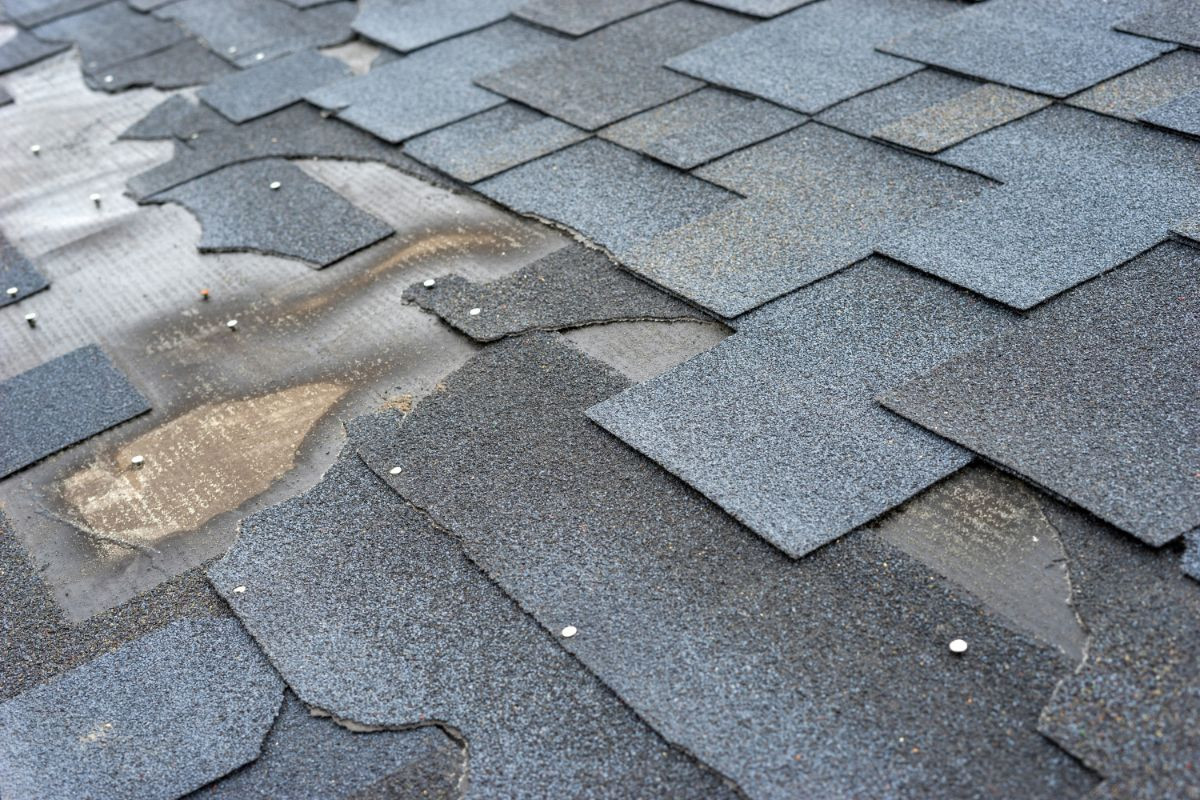
Wagoner sits right in the path of some of Oklahoma's most intense storm activity. From spring hailstorms that roll through from April into June to straight-line winds that can gust past 75 mph, the weather here puts roofs under serious pressure year-round. Add in heavy rain that can arrive any season, plus summer highs in the 90s followed by near-freezing winter lows, and roofing materials take a beating that most other regions never see. When a storm moves through and leaves behind missing shingles, cracked flashing, or a section of roof that's suddenly exposed, the clock starts ticking. Water finds its way in quickly, and what starts as a small problem can lead to damaged roof decking, soaked insulation, and ceiling stains that are far more expensive to fix than the original roof damage.
That's exactly the situation A. Fricker Roofing and Waterproofing is built to handle. Serving Wagoner and the surrounding areas of Wagoner County, the team responds quickly to storm damage because delays cost homeowners more in the long run. A professional inspection after a severe storm catches the damage you can see and the damage you can't, including bruised shingles and compromised flashing that won't hold up under the next round of heavy rain. Getting a licensed, insured contractor on-site quickly means your home gets the protection it needs before conditions get worse.
How Emergency Roof Repair Works in Wagoner, OK
Storm damage can leave your roof vulnerable to additional leaks, so a clear emergency repair process helps you understand what happens from the first call through the final review.
- Step 1: Emergency Damage Assessment
Once you contact us, we move quickly to evaluate the condition of your roof. A roofer checks visible damage from the ground and other safe vantage points, looking for signs of storm impact and determining whether water is actively entering the home. This initial assessment helps establish what requires immediate attention. - Step 2: Temporary Weather Protection
If the storm has left an opening that allows water inside, we secure the affected area with temporary protection such as a heavy-duty tarp. The goal is to limit additional exposure while the permanent repair is being planned. Temporary measures are not a substitute for permanent repairs, so we explain what needs to happen next to restore the roof properly. - Step 3: Detailed Storm Damage Inspection
After the immediate threat has been addressed, we conduct a closer inspection of the roofing system. Shingles, flashing, vents, valleys, and the roof deck are evaluated for both visible and less obvious damage. We look for conditions such as missing granules, bruising, or other signs of storm impact that may not be apparent from the ground. - Step 4: Targeted Repair Planning
We review the inspection findings with you and explain which areas require attention, which can continue as they are, and why. If the damage is limited to a small section of flashing or a few shingles, we recommend addressing those specific areas rather than expanding the job unnecessarily. The repair plan is based on what the roof actually needs. - Step 5: Final Review and Preventive Guidance
After the repairs are complete, we inspect the finished areas and walk through the work with you. We explain what was repaired and provide practical guidance on what to monitor after future storms, including signs of damage around the roof and conditions in the attic that may warrant further attention.
Common Emergency Roof Damage in Wagoner, OK
Oklahoma storms can hit hard and fast, and the damage they leave behind is not always obvious from the ground. Knowing which parts of your roof are most likely to fail after a severe storm helps you understand what a roofer is looking for and why quick action matters.
| Damage Type | Common Cause | Urgency Level |
|---|---|---|
| Missing or displaced shingles | High wind gusts during spring and summer storms | High: exposed roof decking allows water in fast |
| Cracked or lifted flashing | Hail impact and wind at vents, valleys, and edges | High: gaps at flashing are a top source of leaks |
| Granule loss and shingle bruising | Hailstones compressing and weakening asphalt | Moderate to high: accelerates failure under rain |
| Damaged or open roof valleys | Wind-driven rain and debris buildup during storms | High: valleys channel large volumes of water |
| Punctures or openings in the roof deck | Falling limbs or wind-driven debris | Urgent: immediate tarping required to stop water |
After any significant storm, getting a professional on your roof quickly is the right call. Slippery surfaces and structural instability after storm damage make DIY roof access genuinely dangerous. A licensed roofer can spot the damage that is not visible from the ground, including bruised shingles that look fine on the surface but will fail under the next round of heavy rain. The sooner a complete inspection happens, the sooner your home is properly protected.
Flashing, Vent and Valley Repairs
The areas where roofing materials meet metal, like vent collars, pipe boots, and drip edges, are where water gets in first during heavy rain. Emergency repairs to these spots use compatible sealants and properly fitted metal to restore a watertight seal that holds up through the next storm.
Shingle Replacement for Wind and Hail Damage
Missing, cracked, or dislodged shingles leave your roof deck exposed to whatever Oklahoma throws at it next. Replacement shingles are matched as closely as possible to your existing roof to restore coverage quickly and protect the roof decking underneath from moisture exposure.
Gutter and Downspout Damage Addressed on the Same Visit
Hail and debris from severe storms frequently crack, dent, or separate gutters and downspouts from the roofline, which causes water to back up and push under the edge of your roof. Catching and correcting this damage during the same emergency visit keeps water moving away from your home the way it should.
Attic and Interior Moisture Check
Water that gets in during a storm does not always show up on the ceiling right away. A quick check of the attic space for wet insulation, water stains, and signs of poor ventilation helps confirm whether moisture has already reached the interior, so nothing gets missed before the repair is called complete.
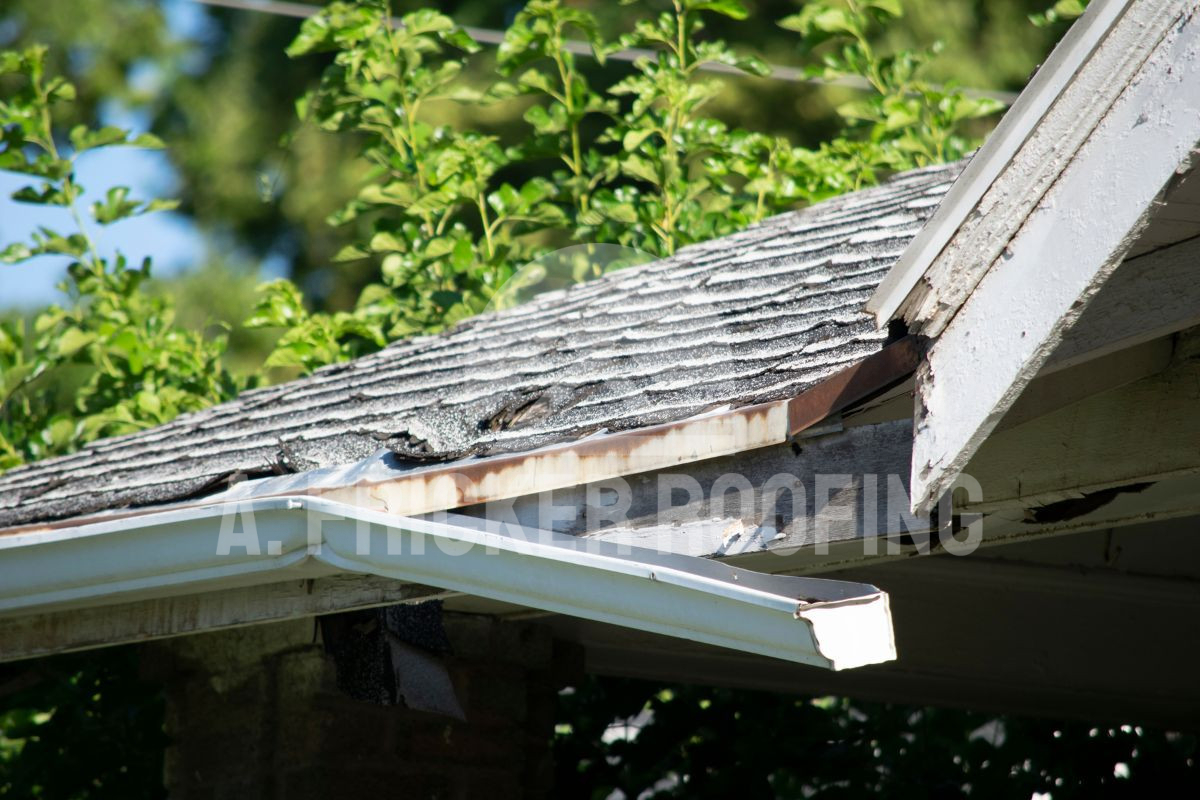
Get Emergency Roof Repairs Handled in Wagoner, OK
Living in this part of Oklahoma means severe weather is not rare: it is something you plan around. When a storm causes real damage, getting a licensed roofer on your roof quickly protects your home from the kind of water damage that turns a straightforward repair into a much larger project. Addressing the problem fast also means your family is not left waiting under a compromised roof while the next round of storms builds up to the west.
A. Fricker Roofing and Waterproofing is ready to help homeowners throughout the Wagoner area get their roofs back in solid shape after the weather does its worst. If you have visible damage, missing shingles, or just something that does not look right after a recent storm, reaching out sooner rather than later is always the right call. The team is here when you need them.
Frequently Asked Questions
Got questions about your roof? We’ve got answers. From maintenance tips to insurance claims and repair timelines, our FAQ section covers the most common concerns homeowners have. Get informed and make confident decisions about protecting your home.
How do I know if my roof has hidden damage after a hailstorm, even if nothing looks broken from the ground?
Hail can bruise and compress asphalt shingles without visibly cracking them, and that kind of damage is nearly impossible to spot from ground level. The granule surface looks mostly intact, but the asphalt underneath is weakened and will fail much faster under the next heavy rain. A roofer who knows what to look for can identify soft spots, thin areas, and granule loss patterns that signal real trouble before a leak shows up inside your home.
Wagoner gets severe storms fast and without much warning. What should I do in the first few minutes after my roof is damaged?
Stay inside and away from any area where water is actively coming in, then document what you can see from inside your home, including ceiling stains, wet insulation visible from an attic hatch, and any exterior damage visible through a window. Do not go on the roof yourself: wet shingles and compromised roof decking create real fall risks, especially right after a storm passes. Call a licensed roofer as soon as it is safe to do so, and let them handle everything from the ground up.
Are there times of year in Wagoner when I should be especially ready for an emergency repair call?
Spring is the highest-risk stretch, with hail activity picking up from April through June and severe thunderstorms capable of bringing damaging winds and large hail on short notice. That said, Oklahoma storms do not follow a neat calendar, and roof damage from wind and rain can happen well into fall and winter. Having your roof inspected before March, when storm activity tends to build, gives you a clear picture of any existing weak spots before they get tested by the worst weather of the year.
We love hearing from our customers!
You don’t have to listen to what we say about the company, check out what others are saying!





schedule a consultation
Contact Form
allow us to earn your business!
