
Leading Roofing Contractor in Oklahoma
Commercial Roof Inspection in Wagoner, OK
4.9 Stars - Based on 1106 User Reviews
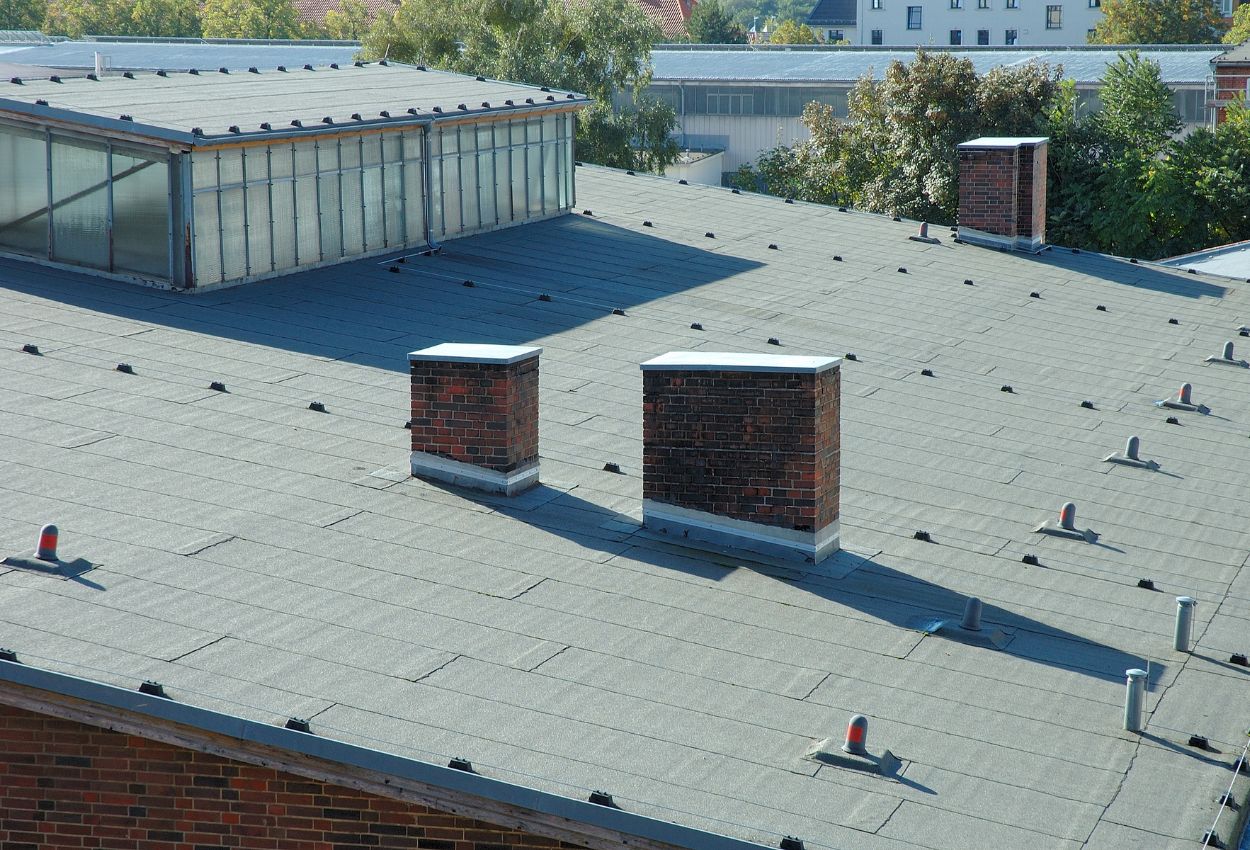
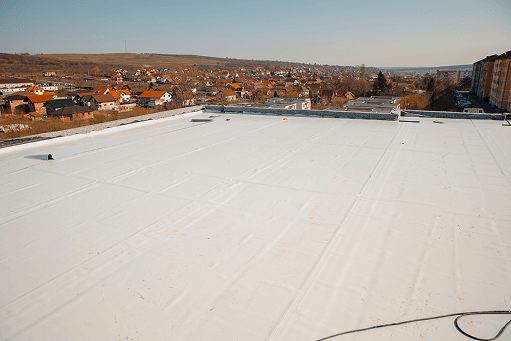
Wagoner sits squarely in Tornado Alley, and that location brings serious weather challenges for anyone responsible for a commercial building. Between the heavy spring storms, hailstorms, punishing summer heat, and the constant expansion and contraction that come with wide temperature changes throughout the year, commercial roofs here take a beating that most people underestimate until something goes wrong. Flat and low-slope roofs, which are the most common systems on commercial properties in this area, are especially vulnerable to ponding water, membrane stress, and flashing failures that develop quietly over time and show up as expensive problems later.
A complete commercial roof inspection gives you a clear picture of where your roof stands before a small issue turns into a major repair. A. Fricker Roofing and Waterproofing works with building owners and property managers throughout Wagoner, OK, inspecting the full system from interior ceilings and walls out to the membrane, flashings, gaps, and drainage points. That kind of thorough look matters here because the local weather does not give roofs much of a break, and catching a failing seam or compromised flashing early is far better than discovering it mid-storm.
Scheduling inspections in spring and fall lines up well with Wagoner's weather calendar, giving your facility a chance to recover from winter and prepare for the heat and storm season ahead. After significant wind or hail storms, an inspection is equally important since fasteners, membrane surfaces, and parapet walls can sustain damage that is not immediately visible from the ground.
How Our Commercial Roof Inspection Works in Wagoner, OK
A commercial roof inspection is most useful when you understand how each stage contributes to the final assessment. Here is how A. Fricker Roofing and Waterproofing conducts the inspection process from the initial scheduling through the final review.
- Step 1: Inspection Planning and Site Access
The process begins by coordinating a time that works with your facility's schedule to help reduce interruptions to daily operations. Roof access locations, safety considerations, and any concerns identified before the visit are reviewed so the inspection can be carried out efficiently and with a clear focus. - Step 2: Interior Evaluation
Before accessing the roof, the interior of the building is examined for evidence of water intrusion. Ceilings, walls, and other accessible areas are checked for staining, moisture, or signs of active leaks. Observations made inside the building help direct additional attention to corresponding areas during the exterior inspection. - Step 3: Roofing System Assessment
The roof is then inspected from edge to edge, including the membrane, flashing, gaps, seams, parapet walls, drainage components, and exposed fasteners where applicable. On flat and low-slope roofing systems, special attention is given to areas where water may collect, membrane damage, biological growth, and movement caused by thermal expansion, weather exposure, or storm-related impacts. - Step 4: Inspection Results Review
After the assessment is complete, the inspection findings are explained in straightforward language. Conditions that require attention are identified, while areas that remain in good serviceable condition are also noted. Recommendations are based on the observed condition of the roof and are limited to work that is justified by the inspection. - Step 5: Maintenance and Repair Planning
The final stage focuses on the appropriate next steps based on the inspection results. Whether the roof requires repairs, routine monitoring, or no immediate action, the recommendations are prioritized so you have a clear understanding of your roof's current condition and can plan future maintenance or repairs accordingly.
What Gets Checked During Inspections in Wagoner, OK
A complete commercial roof inspection covers far more than a quick walk across the surface. Wagoner's weather puts every part of a roofing system under real stress throughout the year, and the issues that cause the most damage are often the ones that are easy to miss without knowing exactly where to look.
| Inspection Area | What We Look For | Why It Matters Here |
|---|---|---|
| Membrane Surface | Punctures, tears, and blistering | Hail and equipment traffic create direct entry points for water |
| Seams and Flashings | Separation, lifting, and sealant failure | Temperature changes cause materials to expand and contract, loosening seams over time |
| Gaps and Joints | Gaps around pitch pockets, expansion joints, and crickets | Unsealed gaps are among the most common leak sources on flat roofs |
| Drainage Points | Blockages, biological growth, and ponding areas | Wagoner's humidity encourages algae and moss growth that clogs drains quickly |
| Parapet Walls and Transitions | Cracked sealants and compromised wall connections | Failed sealants allow water to work behind fixtures and into the building structure |
Fasteners on metal roofing systems also get a close look, especially after high-wind storms, since screws and rivets can loosen or back out under wind pressure in ways that are not visible from the ground. Each of these areas connects to the others, and a trained eye is what keeps minor findings from becoming expensive repairs.
Roof Deck Moisture Check
Beyond what is visible on the surface, we check the roof deck for trapped moisture that can quietly cause rust, corrosion, and structural weakening over time. In Wagoner's humid conditions, this kind of hidden moisture buildup is one of the more serious threats to a commercial roof's long-term stability.
Biological Growth Identification
Algae and moss thrive in the heat and humidity common to this part of Oklahoma, and both can block drainage systems and hold moisture against the surface of the roof long after a storm passes. We identify and document any biological growth so you know exactly where your drainage is at risk before ponding becomes a recurring problem.
Post-Storm Fastener and Mechanical Attachment Review
High-wind storms in Tornado Alley put real stress on the screws, rivets, and mechanical fasteners that hold metal roofing systems together. We take a close look at these connection points after storms to confirm nothing has backed out or loosened in ways that would not be obvious from ground level.
Code Compliance Verification
Oklahoma building codes set specific standards for commercial roofing systems, and falling out of compliance can create legal and liability issues for property owners and managers. We note any areas during the inspection where the current condition of your roof may not meet local code requirements, so you have that information before it becomes a problem.
Schedule a Commercial Roof Inspection in Wagoner, OK
Wagoner's weather keeps building owners on their toes year-round. The combination of heavy seasonal rainfall, intense summer heat, and the natural stress that wide temperature changes put on roofing materials means flat and low-slope systems here rarely get a long stretch of easy conditions. Staying ahead of that with routine inspections in spring and fall protects your facility, reduces the risk of unplanned repairs, and extends the useful life of the roofing system you have already invested in.
If your last inspection was more than a year ago, or if your property came through a recent storm season without a follow-up look, now is a reasonable time to get that scheduled. A. Fricker Roofing and Waterproofing is familiar with the demands commercial properties in the Wagoner area face and is ready to give your roof a complete, honest inspection. Reach out when you are ready, and we will take it from there.
Frequently Asked Questions
Got questions about your roof? We’ve got answers. From maintenance tips to insurance claims and repair timelines, our FAQ section covers the most common concerns homeowners have. Get informed and make confident decisions about protecting your home.
Does my commercial roof need to be inspected after every storm, or only after major ones?
Not every storm warrants a full inspection, but high-wind storms and hail should always quick one regardless of how the storm looked from the ground. In Wagoner, hail can dimple or puncture membrane surfaces in ways that are not visible until water is already working its way through, and wind can back out fasteners on metal systems without leaving any obvious exterior sign. If your area saw quarter-sized hail or sustained winds that caused visible damage nearby, getting an inspection scheduled quickly is the right call.
My building has a flat roof that drains fine right now. Why would I need an inspection if there are no obvious problems?
Drainage looking fine during dry weather is one of the more misleading indicators of roof health on flat systems. Ponding issues, blocked drains, and failing seams often stay hidden until a heavy rainstorm reveals them, and by that point, the water has usually already reached the deck. Wagoner's combination of humidity and intense seasonal heat creates conditions where biological growth and trapped moisture can weaken a roof well before any interior leak shows up.
What parts of a commercial roof are most likely to fail first in this area, and why?
Seams and flashings are typically the first areas to show trouble on commercial roofs in this region, because the wide temperature swings between summer and winter push materials through repeated expansion and contraction that gradually loosen connections. Parapet wall transitions and gaps like expansion joints and pitch pockets are close behind, since their sealants degrade faster under UV exposure and heat stress than the main membrane surface does. Knowing where these vulnerabilities tend to develop first is exactly why a trained inspector starts with those areas rather than doing a general surface walk.
We love hearing from our customers!
You don’t have to listen to what we say about the company, check out what others are saying!


schedule a consultation
Contact Form
allow us to earn your business!
