

Leading Roofing Contractor in Oklahoma
Storm Damage Roof Repair in Tulsa, OK
4.9 Stars - Based on 1107 User Reviews
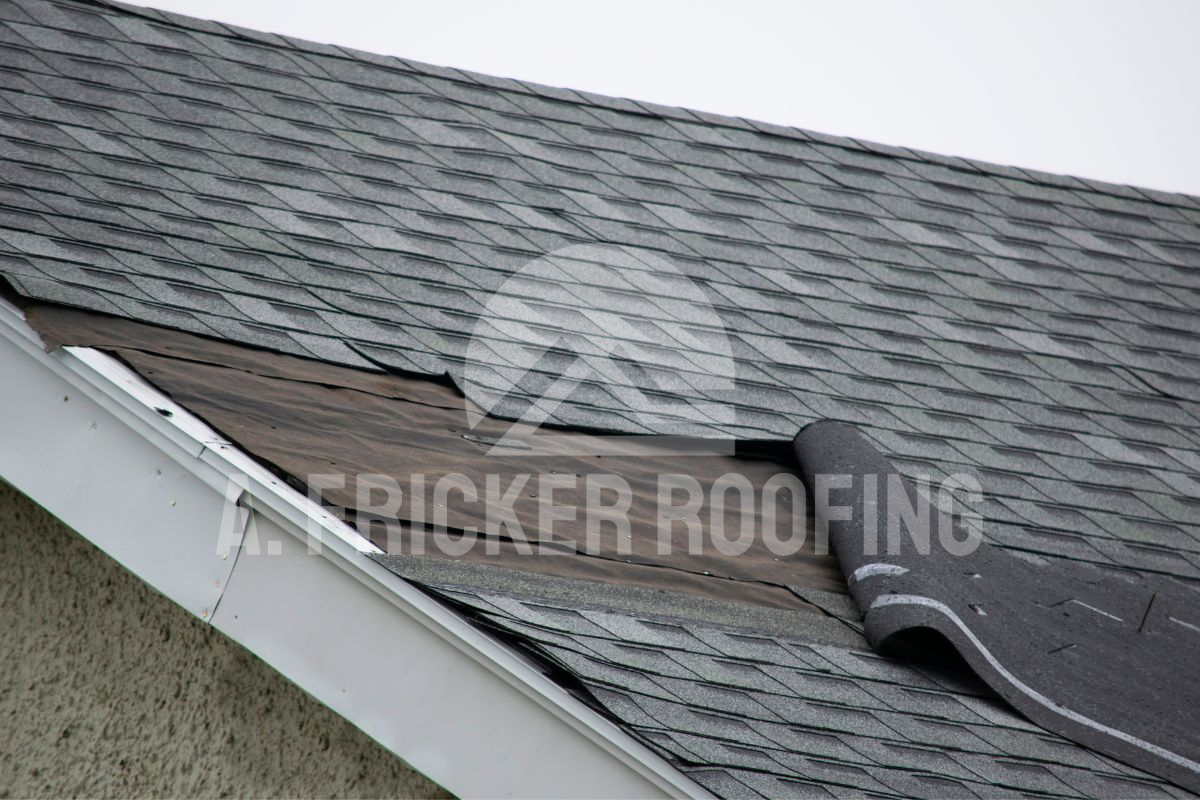
Tulsa sits squarely in one of the most active storm corridors in the country, and your roof takes the brunt of it year after year. Spring and summer bring powerful thunderstorms capable of dropping large hail and driving winds that tear at shingles, bend flashing, and leave fasteners and seams on metal roofs vulnerable to leaks. What makes storm damage particularly tricky here is that it often isn't obvious from the ground. Missing granules, lifted shingle tabs, and small punctures can go unnoticed for weeks, quietly allowing water to work its way into your home while the damage underneath gets worse.
A. Fricker Roofing and Waterproofing works with Tulsa homeowners to find damage early and repair it correctly before it turns into something far more expensive. Whether your roof took a hit from hail, high winds, or repeated storm exposure over a rough season, the repair process starts with a thorough inspection of the full roofing system, including shingles, flashing, seams, gutters, and any areas where water is likely to collect or pool.
Tulsa's winter temperature swings add another layer of urgency to all of this. A roof that came through storm season with even minor damage is far more likely to fail when cold weather stresses the materials. Getting repairs handled before that window arrives protects your home and keeps a manageable problem from becoming a structural one.
How Storm Damage Roof Repair Works in Tulsa, OK
Storm damage can leave homeowners wondering what condition their roof is really in and what needs to happen next. Understanding the process ahead of time helps make the situation easier to navigate. Here is how A. Fricker Roofing and Waterproofing handles storm damage roof repairs from the initial evaluation through project completion.
- Step 1: Detailed Roof Assessment
The first step is a thorough inspection of the roofing system and related exterior components. We examine shingles, flashing, seams, gutters, fasteners, and other areas where storm-related damage commonly occurs. Because hail and wind damage are not always visible from the ground, special attention is given to vulnerable sections that often experience problems first after severe weather. - Step 2: Damage Findings and Repair Options
After the inspection, we review the condition of the roof with you and explain what was discovered. We identify damaged areas, discuss any vulnerable sections, and explain the available repair options in straightforward terms. If the issue can be resolved with a simple repair, we focus on that solution rather than recommending unnecessary work. - Step 3: Repair Planning and Written Proposal
Once the repair needs have been determined, we prepare a detailed written proposal outlining the work involved. This includes the repairs being performed, materials being used, and project costs. For larger repairs, permit considerations and applicable code requirements are reviewed during the planning process so expectations are clearly established before work begins. - Step 4: Roof Repair Execution
The repair work is completed using materials appropriate for the existing roofing system and local weather conditions. Attention is given to proper sealing, secure installation, and restoring the roof's ability to withstand wind and moisture exposure. Most standard storm damage repairs can be completed during a single visit. - Step 5: Final Inspection and Customer Review
After repairs are complete, we perform a final inspection to verify that all work has been completed properly. We then review the repaired areas with you, explain what was addressed, and answer any remaining questions so you have a clear understanding of the completed project and the condition of the roof moving forward.
What Storm Damage Really Looks Like in Tulsa, OK
Storm damage does not always announce itself with an obvious hole or a collapsed section. In Tulsa, some of the most serious problems start small and stay hidden until water has already worked its way deeper into the roofing system. Knowing what to look for and where helps you act before a minor repair turns into a major one.
| Damage Type | Where It Shows Up | Why It Gets Missed |
|---|---|---|
| Wind-lifted shingle tabs or missing sections | Roof edges, ridges, and valleys | Often not visible from the ground |
| Granule loss on asphalt shingles | Field of the roof and gutters | Looks like normal wear until leaks start |
| Hail impacts at flashing and seams | Around vents, chimneys, and valleys | Small dents and cracks are easy to overlook |
| Fastener and seam failure on metal roofs | Lap joints and gap points | Leaks develop slowly before becoming obvious |
Tulsa's warm-season storms create concentrated demand for repairs, and roofs that already have any of these issues are the most vulnerable when winter temperature changes put additional stress on weakened materials. Catching these problems early keeps the scale of work manageable and, for larger repairs, gives you time to work through any permit review or code compliance steps that Tulsa requires before work begins.
Impact-Resistant Replacement Materials
When shingles, flashing, or metal panels need to be replaced after storm damage, we use materials rated for high wind uplift and impact resistance, meeting Oklahoma code standards, including ASCE 7 requirements. This matters because a roof that has already taken one hit is worth protecting with materials that hold up better the next time severe weather rolls through Tulsa.
Flashing Repair and Resealing at Vulnerable Points
Storm damage frequently compromises the flashing around chimneys, vents, skylights, and valleys, areas where leaks develop quietly long before they show up on your ceiling. Repairing and resealing these transition points is a core part of every storm repair we complete, not an add-on.
Gutter and Downspout Condition Check
Hail that damages your shingles almost always leaves its mark on gutters and downspouts too, denting the metal and potentially knocking drainage paths out of alignment. We check these as part of your storm repair so water moves off your roof the way it should, instead of backing up against your fascia boards or foundation.
Permit and Code Compliance Handling for Larger Repairs
When storm damage goes beyond a few shingles and affects structural parts of your roof, Tulsa requires permit review before work begins, sometimes including framing details, roof pitch documentation, and drainage specifications. We manage that process on your behalf so the repair is done right and fully up to code, with no loose ends if you ever sell your home or file a claim.

Get Storm Damage Repaired Right in Tulsa, OK
Tulsa's storm season is long, and roofs here take repeated hits from hail, wind, and driving rain before most homeowners realize anything is wrong. Left unaddressed, even minor post-storm damage can quietly grow into something far more expensive once temperature swings in the colder months stress materials that are already compromised. Getting repairs handled while the damage is still manageable protects your home, keeps costs predictable, and gives you confidence heading into the next round of rough weather.
A. Fricker Roofing and Waterproofing is ready to help you understand exactly what your roof needs and take care of it correctly. If you have questions or want to schedule an inspection after a recent storm, reach out to the team serving the Tulsa area, and they will walk you through the next steps without any pressure.
Frequently Asked Questions
Got questions about your roof? We’ve got answers. From maintenance tips to insurance claims and repair timelines, our FAQ section covers the most common concerns homeowners have. Get informed and make confident decisions about protecting your home.
Can storm damage from a few months ago still be worth repairing, or is it too late to do anything about it?
It is rarely too late to repair storm damage, and addressing older damage is often more urgent than homeowners expect. Tulsa's winter temperature swings put added stress on roofing materials that are already weakened, meaning a small problem from last spring can accelerate quickly once cold weather arrives. Getting an inspection done, even well after a storm, gives you a clear picture of what you are dealing with before conditions make it worse.
Does the type of roofing material on my home affect how storm damage shows up after a Tulsa hailstorm?
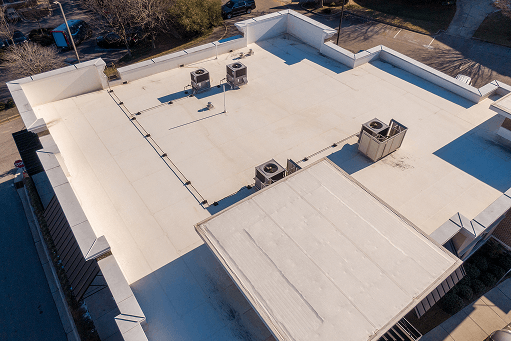
Yes, and the differences matter when it comes to knowing where to look. Asphalt shingles tend to show granule loss and lifted or missing tabs, while metal roofs are more likely to develop leaks at fasteners and seams rather than showing obvious surface damage. Tile and flat roofing systems fail differently still, so a repair approach that works for one material type will not necessarily apply to another. Knowing your type of roof helps a contractor focus the inspection on the spots most likely to cause problems.
If my repair turns out to be larger than expected, does that change what permits or approvals are needed in Tulsa?
It can, and this is something most homeowners do not think to ask up front. In Tulsa, repairs that go beyond surface shingles and affect structural parts of the roofing system can trigger permit review, which may include documentation of roof pitch, framing details, and drainage direction. The scale of required paperwork depends on how extensive the damage turns out to be, which is why it helps to work with a contractor who factors that possibility into the plan from the start rather than discovering it mid-project.
We love hearing from our customers!
You don’t have to listen to what we say about the company, check out what others are saying!



schedule a consultation
Contact Form
allow us to earn your business!
