

Leading Roofing Contractor in Oklahoma
Emergency Roof Repair in Tulsa, OK
4.9 Stars - Based on 708 User Reviews
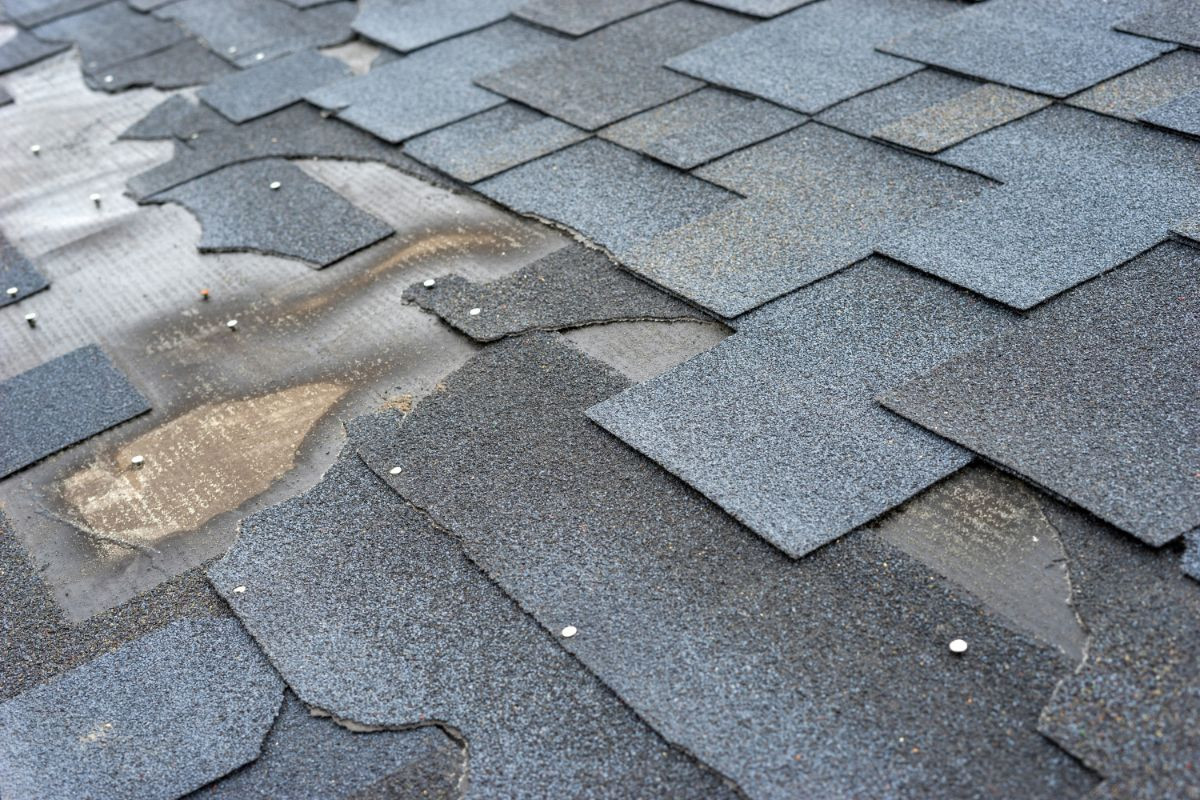
Tulsa sits in one of the most hail-prone regions in the country, and if you've lived here long enough, you already know what that means. Spring storms roll through fast, dropping hailstones that crack shingles, knock loose granules, and leave your roof vulnerable before you've had time to grab a raincoat. Add in the severe windstorms, the heavy rainfall that pushes past 50 inches in some years, and the temperature changes that cause roofing materials to expand and contract season after season, and it's easy to see why so many Tulsa homeowners find themselves dealing with a roof problem that needs attention right now, not next week.
The real danger isn't just the storm itself. It's what happens in the hours and days after, when water finds its way through a cracked shingle or a piece of lifted flashing and starts working its way into your home. Mold can set in quickly in Tulsa's humid conditions, and what starts as a small leak can quietly become a much bigger problem inside your walls and ceilings.
A. Fricker Roofing and Waterproofing has been working in this market and understands how Tulsa's weather patterns create urgent, real situations for homeowners. When your roof takes a hit, you need a crew that knows local conditions, responds quickly, and gets your home protected with the right materials and methods, not a temporary patch that won't hold through the next storm.
How Emergency Roof Repair Works in Tulsa, OK
Storm and hail damage can affect more than the immediately visible areas, making a careful evaluation important before repairs begin. A. Fricker Roofing and Waterproofing focuses on identifying the source of the damage, protecting the home, and completing the necessary repairs based on the actual condition of the roof.
- Step 1: Initial Damage Evaluation
The response begins with a review of the damage affecting your property. We examine the reported concerns, assess visible impacts from the storm, and identify areas involving shingles, flashing, vents, or possible water entry points that require attention during the inspection. - Step 2: Temporary Roof Protection
When storm damage leaves areas exposed, temporary protection is installed to help limit additional water intrusion. Properly secured coverings are used when needed to shield the affected sections while the full repair plan is being determined. - Step 3: Detailed Roof Examination
After the roof has been stabilized, we complete a thorough evaluation of the damaged areas and surrounding components. This includes checking roofing materials, flashing details, vent areas, and other locations where storm conditions may have caused issues that are not immediately noticeable. - Step 4: Repair Recommendations and Completion
The inspection results are reviewed with you so you understand what was found and which repairs are necessary. If the damage is isolated, we recommend addressing only those areas. Once the repair plan is approved and materials are available, the required work is completed to restore the affected sections of the roof. - Step 5: Final Repair Review
After the work is finished, we go over the completed repairs and explain what was addressed during the service. We also identify conditions that may need attention in the future, so you have a better understanding of how to monitor your roof after future storms.
Recognizing Roof Damage Warning Signs in Tulsa, OK
Knowing what to look for after a storm can make the difference between catching a problem early and dealing with serious interior damage weeks later. Tulsa's combination of frequent hail, high winds, and repeated temperature changes throughout the year puts roofs under stress that isn't always visible from the ground. Here are the warning signs that tell you something needs attention right away.
- Water stains or bubbling paint on ceilings and walls after a storm are often the first sign that a leak has already reached your interior
- Missing, cracked, or dented shingles are common after hailstorms, and even small dents can signal that granule protection has been compromised
- Granule buildup in gutters points to shingles breaking down faster than expected, a frequent result of Tulsa's repeated heating and cooling cycles
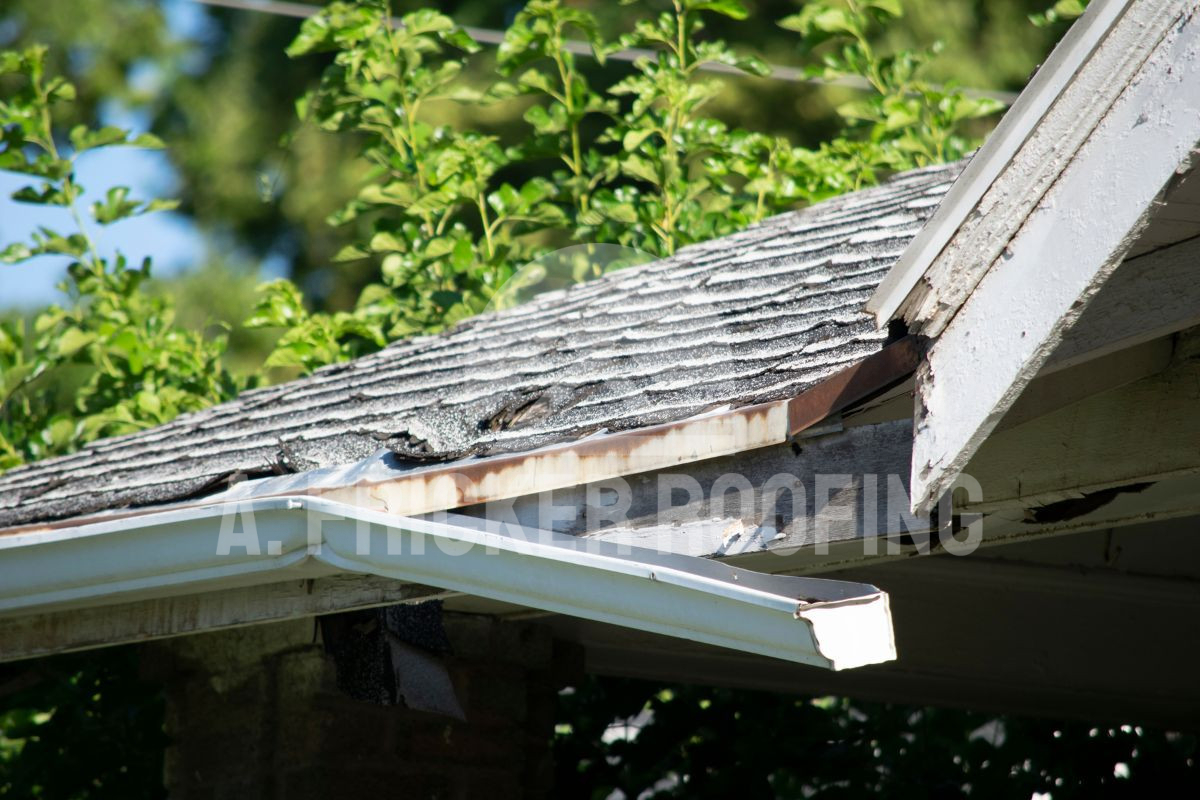
- Rust stains or visible gaps around flashing at chimneys, vents, and skylights create easy entry points that get worse quickly in wet conditions
- Soft spots or sagging areas on the surface of the roof indicate water has already reached the roof decking beneath and needs to be addressed before structural damage spreads
- Fallen tree debris resting on the roof after high winds should be removed quickly, as the weight and moisture trapped beneath can accelerate damage
If you notice any of these signs after a storm, document everything with photos before touching anything. Getting a professional inspection scheduled quickly gives you the clearest picture of what actually needs to be repaired.
Hail-Specific Shingle Repair
Tulsa sees hailstorms peak in April and May, and the damage they leave behind goes beyond what's visible to the naked eye. Cracked fiberglass mats, bruised granule surfaces, and compromised shingle edges all get addressed directly, not covered over, so the repair holds through the next round of severe weather.
Flashing, Resealing, and Replacement
Chimneys, vent pipes, and skylights are common leak sources because the flashing around them takes a beating from temperature changes and wind-driven rain. During emergency repair, any flashing that has lifted, corroded, or pulled away from the surface of the roof gets resealed or replaced with properly fitted material to close off those entry points for good.
Debris Removal and Roof Deck Protection
High winds in Tulsa frequently send tree limbs onto roofs, and leaving that debris in place traps moisture and adds weight that can compromise the roof decking underneath. Emergency repair includes clearing fallen material and checking the roof deck for soft spots or damage before any new materials go down on top.
Moisture Mitigation for Interior Areas
When water has already made it inside, stopping the leak is only part of the job. Tulsa's humidity means mold can take hold faster than most homeowners expect, so addressing moisture in affected interior areas is treated as part of the emergency response, not an afterthought.
Get Emergency Roof Repairs Completed in Tulsa, OK
Tulsa's weather doesn't follow a predictable schedule, and roof damage rarely waits for a convenient time. The longer a compromised roof sits unaddressed, the more opportunity water has to work deeper into your home's structure, your ceilings, your walls, and eventually into areas that are far more expensive to fix than the original roof damage. Taking action quickly is the most practical thing a homeowner can do to protect their investment in their property and avoid repairs that grow well beyond the roof itself.
A. Fricker Roofing and Waterproofing is familiar with what homes in the Tulsa area face after a serious storm and is ready to respond when you need it. If you've spotted damage or something just doesn't look right after recent weather, reach out and let the team take a look. Getting a professional on the roof sooner rather than later is the straightforward next step toward knowing exactly where things stand.
Frequently Asked Questions
Got questions about your roof? We’ve got answers. From maintenance tips to insurance claims and repair timelines, our FAQ section covers the most common concerns homeowners have. Get informed and make confident decisions about protecting your home.
Can a temporary tarp hold up if another storm hits before the permanent repair is done?
A properly installed commercial-grade tarp, anchored and sealed correctly, is designed to hold through additional rain and wind. The key difference is in how it is secured: a tarp that is loosely laid or weighted down with makeshift materials can shift or lift during high winds, which are common in Tulsa. When installed by a professional using proper anchoring methods, temporary protection does its job until the permanent repair can be completed.
How do I know if the leak source is actually where the water is showing up inside my home?
Water rarely travels straight down, and what looks like a ceiling stain directly below a vent or seam is often entering the roof from a different spot entirely. This is one of the most common misdiagnoses homeowners make after a storm. In Tulsa, flashing around chimneys, vents, and where roof planes meet tends to be the actual entry point, even when the visible damage is somewhere else on the roof. A thorough inspection traces the water path back to its true source rather than just patching whatever is most visible.
Does hail damage always look obvious after a storm, or can it be easy to miss?
Hail damage can be surprisingly subtle, especially on asphalt shingles where a hit may leave a bruise or dent that is hard to spot from the ground or even up close without knowing what to look for. In Tulsa, where small hailstones are just as common as large ones, impacts that seem minor can still crack the fiberglass mat beneath the granule surface and reduce how long that shingle holds up against rain. Granule loss in gutters or dark spots on the shingle surface are early indicators that often go unnoticed until a future storm pushes water through.
We love hearing from our customers!
You don’t have to listen to what we say about the company, check out what others are saying!




schedule a consultation
Contact Form
allow us to earn your business!
