
Leading Roofing Contractor in Oklahoma
Commercial Roof Replacement in Tulsa, OK
4.9 Stars - Based on 1107 User Reviews
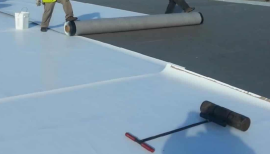
Tulsa puts commercial roofs through a lot. Summers push temperatures into the 90s, winters drop into the 20s, and in between, the region sees around 40 inches of rain annually, along with some of the most active hail seasons in the country. That kind of weather variation creates constant stress on flat and low-slope roofing systems, which are the dominant style across Tulsa's warehouses, retail strips, and industrial corridors. When those roofs are also pushing several decades old, as many in west Tulsa are, the combination of age and weather exposure makes full replacement less of an option and more of a necessity.
A commercial roof replacement done right addresses more than the surface layer. It allows property managers and building owners to correct underlying issues, improve energy performance, and install materials built to handle Tulsa's specific weather patterns. At A. Fricker Roofing and Waterproofing, that kind of complete approach is the standard. The team understands what local roofs face year after year and brings that knowledge to every project, from initial inspection through final installation.
Choosing the right roofing system matters just as much as the decision to replace. Tulsa's temperature changes and heavy spring rains need materials that can flex, seal, and hold up under wind uplift without failing prematurely. Getting that match right is where experience with this specific market makes a real difference for your facility and your tenants.
How Commercial Roof Replacement Works in Tulsa, OK
Replacing a commercial roof is a major project, and having a clear understanding of the process ahead of time helps you plan for your property, occupants, and day-to-day operations with confidence.
- Step 1: Existing Condition Inspection
Before discussing replacement options, we perform a full evaluation of the existing roofing system. We assess the condition of the membrane, flashing details, seams, drainage components, and any areas affected by leaks or long-term wear. This inspection helps identify underlying concerns and establishes the foundation for the project plan. - Step 2: Honest Recommendation
Once the assessment is complete, we review the results with you and discuss the most practical path forward. If the roof still has remaining service life and repairs can provide a reliable solution, we will explain that option. When replacement is the better long-term choice, we outline the reasons so you can make an informed decision based on the roof's actual condition. - Step 3: Options, Specifications, and Detailed Quote
If replacement is recommended, we review roofing systems that align with your building's design, operational requirements, and maintenance goals. We explain the differences between available systems, discuss expected performance, and provide a detailed proposal outlining project specifications, materials, and scheduling considerations. This allows you to evaluate the project with a complete understanding of what is included. - Step 4: Professional Installation
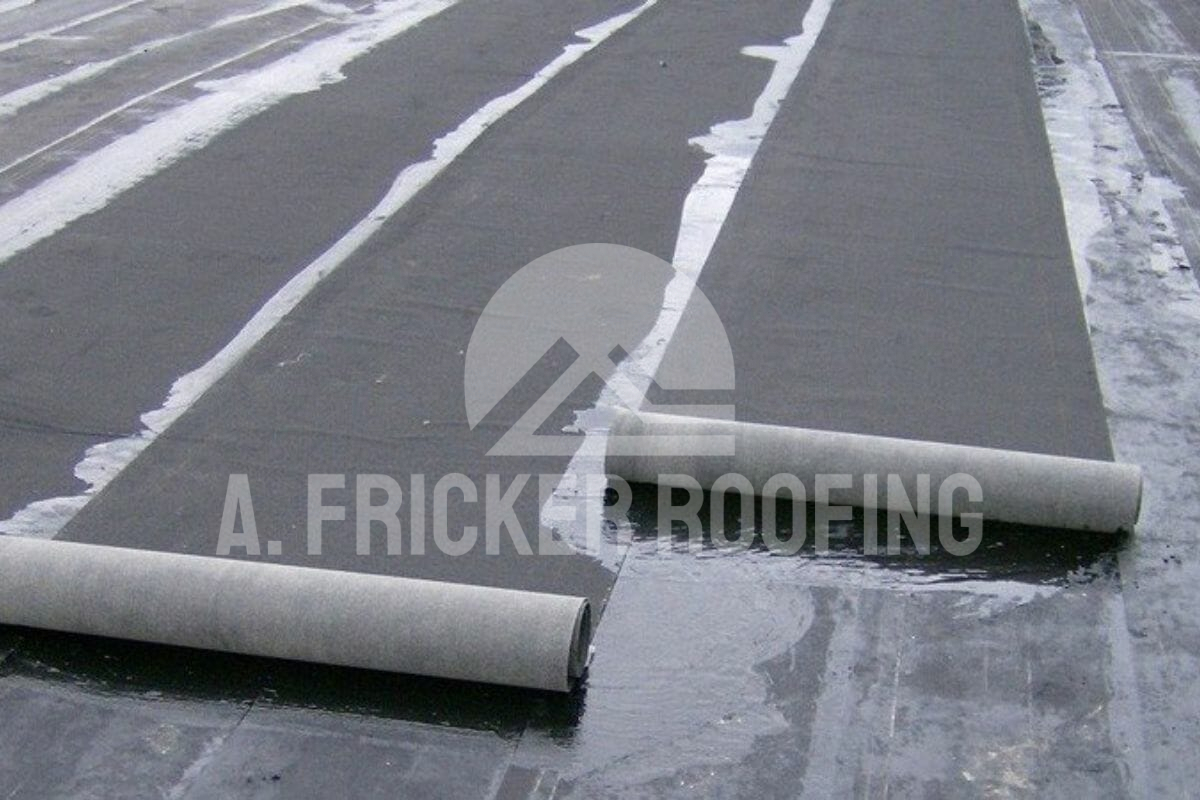
After planning is finalized, the existing roofing materials are removed, and the roof deck is evaluated before installation begins. Any deficiencies discovered during this phase are addressed before the new system is installed. The replacement is completed according to manufacturer specifications, with careful attention given to flashing transitions, drainage design, and other details that contribute to long-term performance. - Step 5: Quality Assurance and Final Walkthrough
Upon completion, the finished roof undergoes a final review to verify that all installation requirements have been met. We walk through the project with you, review the completed work, and answer any questions about the new system. The project is not considered complete until you have a clear understanding of what was installed and how it is designed to perform moving forward.
Roofing Material Options in Tulsa, OK
Choosing the right roofing system for your facility starts with understanding how different materials hold up against Tulsa's specific weather conditions. Temperature changes, heavy spring rains, high winds, and active hail seasons all play a role in determining which system makes the most sense for your building type and roof slope.
| Roofing System | Best Suited For | Key Advantage in Tulsa |
|---|---|---|
| TPO Membrane | Flat and low-slope commercial roofs | Reflects heat in summer and resists wind uplift on large roof decks |
| EPDM Membrane | Low-slope retail and industrial buildings | Flexible under temperature changes and seals seams effectively against heavy rain |
| Built-Up Roofing (BUR) | Warehouses with foot traffic exposure | Multi-layer construction resists fire and handles physical wear over time |
| Metal Roofing | Gable or hip-style commercial structures | Standing seam design holds up well against Tulsa's frequent hailstorms |
Each system comes with trade-offs, and the right choice depends on your building's specific needs. A facility with regular rooftop access has different priorities than a retail strip dealing with ponding water after heavy spring storms. Getting the right material match upfront protects your investment and reduces the likelihood of premature failure down the road.
Roof Deck Reinforcement Repair
Once the old roofing is removed, what's underneath doesn't always look the way it should. Decades of moisture exposure on Tulsa's older commercial buildings can leave the roof deck weakened, and any rot or damage gets corrected before new materials go down, so the replacement system has a solid foundation to perform against.
Flashing Installation at Every Gap and Edge
Seams and surface materials get a lot of attention, but flashing is where many commercial roofs actually fail. Every gap, parapet wall, HVAC curb, and roof edge gets properly flashed during installation to keep Tulsa's heavy spring rains and wind-driven water from finding a path into your facility.
Drainage Configuration for Flat and Low-Slope Roofs
Flat and low-slope commercial roofs are especially vulnerable to ponding water, which accelerates membrane wear and puts unnecessary weight on the structure. Proper drainage layout is built into the installation to move water off your roof efficiently after the heavy storms this region delivers throughout the year.
Permitting and Code Compliance for Tulsa Commercial Projects
Commercial roof replacements in Tulsa require local permits, and the permitting process includes inspections at specific stages of the project. A. Fricker Roofing and Waterproofing handles that process as part of the job so your replacement meets code requirements, and your property avoids liability issues tied to unpermitted work.
Plan Your Commercial Roof Replacement in Tulsa, OK
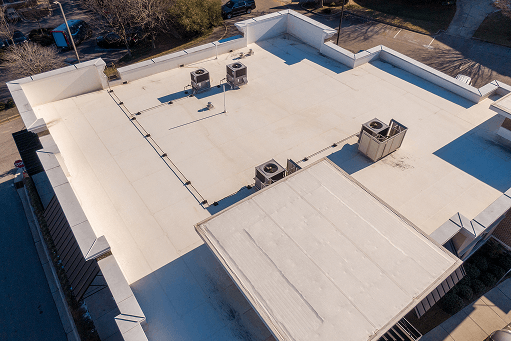
Tulsa's weather doesn't ease up on commercial roofing systems, and buildings that have already absorbed years of heat cycles, spring storms, and hail are working against a narrowing window before problems add up. Replacing your roof before that happens protects your facility, keeps your tenants and operations undisturbed, and removes the ongoing cost of patching a system that has run its course. Timing the project for late spring or early fall also gives new materials the best conditions to set properly, which matters for long-term performance.
A. Fricker Roofing and Waterproofing works with property owners and facility managers across the Tulsa area who want a straightforward process and a roof that holds up. If you're ready to get a closer look at your current system or want to talk through your options, reach out, and the team will take it from there.
Frequently Asked Questions
Got questions about your roof? We’ve got answers. From maintenance tips to insurance claims and repair timelines, our FAQ section covers the most common concerns homeowners have. Get informed and make confident decisions about protecting your home.
Does Tulsa's hail activity affect which roofing material makes the most sense for my building?
It absolutely does, and it's one of the first things worth factoring into your material selection. Tulsa sits in a region that sees frequent and sometimes severe hail, which rules out certain membrane options or, at a minimum, changes how they should be specified. Impact-resistant membranes and standing seam metal systems tend to hold up better over time in this market, particularly for facilities with large exposed roof decks where damage can accumulate across multiple storm seasons.
What happens if the deck underneath my old roof is in worse shape than expected once the tear-off starts?
This is more common than most building owners anticipate, especially on Tulsa's older commercial stock, where moisture has had decades to work its way into the roof decking. When deck damage is found during tear-off, that work gets addressed before any new materials go down. The scale and cost of that repair depend on how widespread the damage is, which is why getting a clear picture of your deck condition during the open roof stage matters as much as the membrane selection itself.
Is there a time of year when scheduling a commercial replacement in Tulsa actually makes a meaningful difference in how the roof performs?
Yes, and it goes beyond just avoiding bad weather during installation. Roofing membranes seal and bond most effectively when temperatures are moderate, and Tulsa's summers push heat into ranges that can interfere with that process on large flat roof installations. Late spring and early fall tend to give new systems the best conditions to set correctly, which has a real effect on the seam’s long-term structural integrity and performance rather than just making the job easier for the crew.
We love hearing from our customers!
You don’t have to listen to what we say about the company, check out what others are saying!



schedule a consultation
Contact Form
allow us to earn your business!
