

Leading Roofing Contractor in Oklahoma
Commercial Roof Inspection in Tulsa, OK
4.9 Stars - Based on 1107 User Reviews
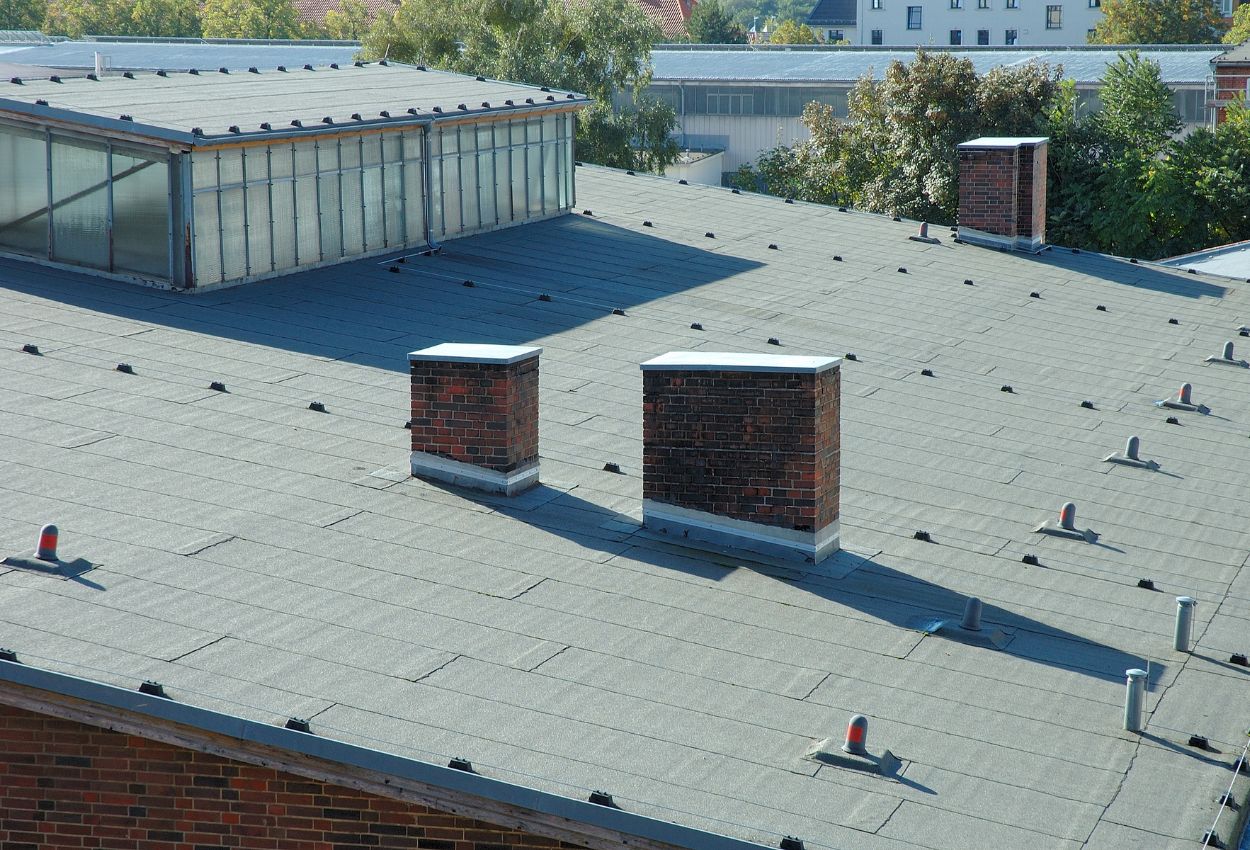
Tulsa's weather keeps building owners on their toes year-round. Spring brings hailstorms that bruise roofing membranes and loosen flashing seals. Summer brings relentless heat and humidity that accelerate wear and encourage algae growth. Fall fills drains with debris just before freezing temperatures arrive, and winter brings ice, sleet, and freezing rain that can work into seams and cause leaks without a single inch of snow accumulating. On top of all that, Oklahoma's temperature swings are unlike those in most parts of the country, where conditions can drop from mild to freezing within a single day. For flat and low-slope commercial roofs, which are common across the Tulsa metro, these conditions create real vulnerabilities that build quietly over time before showing up as serious damage inside your facility.
A thorough roof evaluation gives you a clear picture of where your roof stands before small issues become expensive repairs. At A. Fricker Roofing and Waterproofing, we inspect commercial properties throughout Tulsa with a detailed understanding of what local weather actually does to roofing systems. We know where to look for the problems that are easy to miss, including hidden moisture under insulation, stressed expansion joints, and drainage points that are one heavy sleet storm away from backing up onto your roof’s surface.
Staying ahead of these issues protects your property, your tenants, and your business operations before a minor concern turns into a major disruption.
How Our Commercial Roof Inspection Works in Tulsa, OK
A commercial roof inspection is more useful when the process is clearly defined before it begins. Here is how we handle a full inspection from initial scheduling through the final recommendations.
- Step 1: Inspection Scheduling and Site Coordination
The process begins by aligning the inspection with your facility’s operating schedule to reduce disruption to tenants and daily operations. Roof access points, rooftop equipment such as HVAC units or signage, and any site-specific requirements are confirmed in advance so the inspection can proceed efficiently on arrival. - Step 2: Full Roofing System Evaluation
The entire surface of the roof is inspected in a structured manner. This includes the membrane, seams, fasteners, flashing, expansion joints, and drainage systems such as gutters and downspouts. Gaps, vents, and equipment mounting points are also evaluated due to their impact on water movement and potential vulnerability points within the roofing system. - Step 3: Condition Documentation
All findings are recorded using photographs and written notes to create a complete record of the roof’s condition. This includes issues such as ponding water risk, clogged drainage paths, flashing concerns, and surface wear that may not yet be visible from inside the building. The documentation provides a reliable reference for maintenance planning. - Step 4: Inspection Review and Recommendations
Once the inspection is complete, the results are explained in clear, direct language. Roof areas in good condition are identified as such, and any issues requiring attention are explained along with the reasoning behind each recommendation. Guidance is based strictly on observed conditions rather than a predetermined service scale. - Step 5: Maintenance Planning and Inspection Timing
The final step focuses on what comes next. If repairs are needed, priorities are outlined so decisions can be made efficiently. Recommended timing for future inspections is also provided, typically aligned with seasonal changes or after significant weather, to help maintain consistent roof performance over time.
Best Times to Schedule Roof Inspections in Tulsa, OK
Timing your commercial roof inspection correctly makes a real difference in what gets caught and when. Tulsa's seasonal shifts each bring their own set of risks, and inspecting at the right points in the year means you stay ahead of the problems most likely to affect flat and low-slope roofs in this region.
| Season | Primary Inspection Focus | Key Risk Factors |
|---|---|---|
| Spring | Hail bruising, flashing seals, the membrane’s structural integrity | Hailstorms can thin membranes without visible tearing, accelerating UV wear over time |
| Summer | Heat-related membrane wear, algae, and moss growth | High humidity traps moisture against roofing surfaces and promotes organic growth |
| Fall | Drain clearing, debris removal, and expansion joint condition | Clogged drains ahead of sleet season lead to ponding water and ice backup on flat roofs |
| After Severe Weather | The fastener’s structural integrity, seam condition, equipment mounts | High winds and hail can loosen fasteners and compromise flashing seals quickly |
Most commercial properties benefit from two scheduled inspections per year, one in spring and one in fall, with a follow-up any time a significant storm moves through. Staying consistent with this schedule helps you catch issues like hidden moisture under insulation, stressed expansion joints, and granule loss before they create serious problems inside your facility.
Moisture Detection Below the Surface
Visual checks only tell part of the story on flat and low-slope commercial roofs. We use hand-held moisture meters to detect hidden moisture trapped under insulation layers, which is a common issue in Tulsa's humid conditions, where water can sit undetected for months before showing up as a leak inside your facility.
Rooftop Equipment and Gap Review
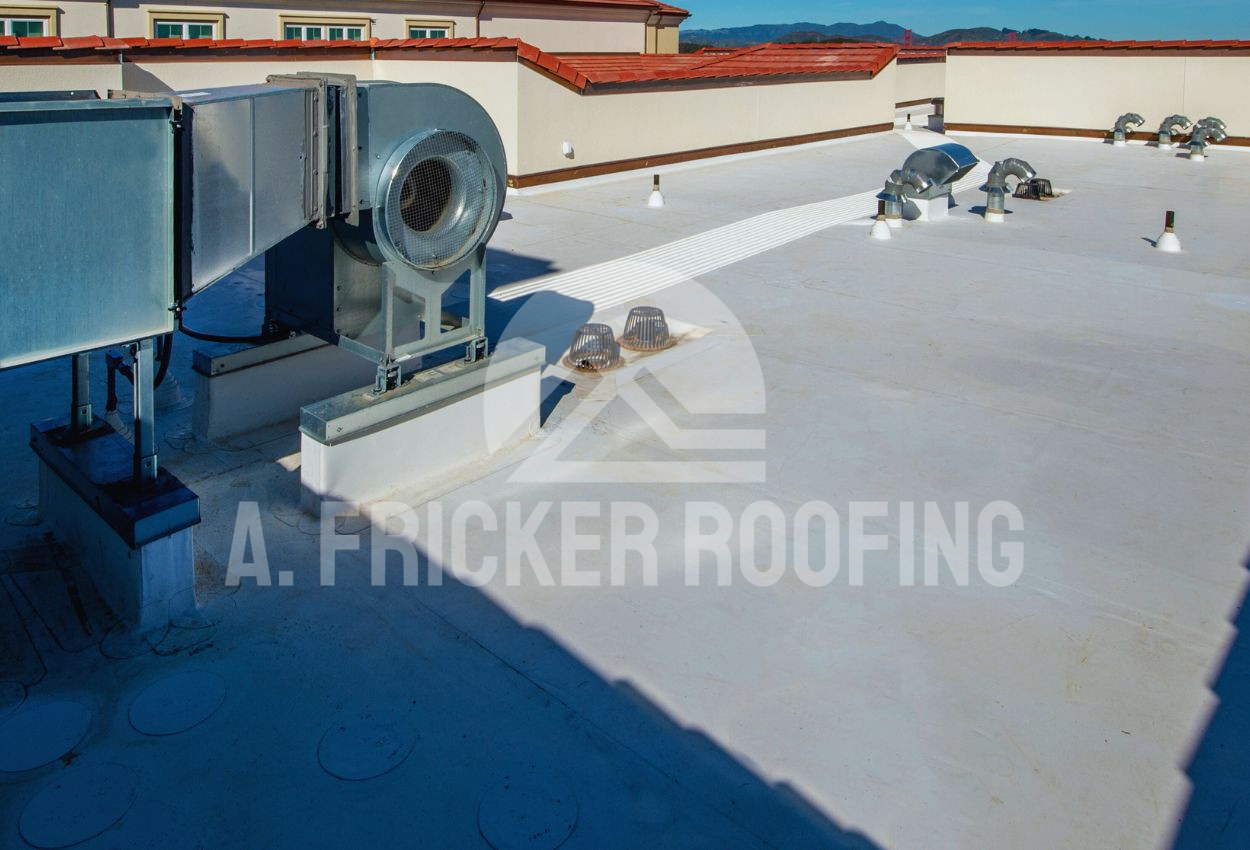
HVAC units, signage, vents, and other rooftop installations create potential weak points where membranes are cut or penetrated. We inspect the mounts, seals, and surrounding membrane around every piece of equipment on your roof to confirm nothing is obstructing drainage or creating an entry point for water.
Expansion Joint and Fastener Condition Check
Oklahoma's rapid temperature swings put real stress on the structural parts of a commercial roof, particularly expansion joints and fasteners that shift and contract with every weather cycle. We check these areas specifically because loose fasteners and compromised joints are among the more common causes of flashing failures on Tulsa commercial buildings.
Drainage System Functionality Review
Gutters, downspouts, and interior drains are inspected for blockages, damage, and proper flow direction to make sure water moves off your roof efficiently. On flat commercial roofs in Tulsa, a single clogged drain can lead to ponding water that adds weight to the roof deck and accelerates membrane wear long before a leak becomes visible.
Schedule a Commercial Roof Inspection in Tulsa, OK
Tulsa's weather cycle is hard on commercial roofs, and the effects tend to build gradually across seasons before they become visible problems inside your facility. Keeping up with routine inspections is one of the more practical ways to protect your property, extend the life of your roofing system, and avoid the kind of repairs that disrupt your business operations. Fall is a smart time to get on the schedule before winter ice and sleet arrive, and spring is ideal for catching anything that developed during the colder months.
If it has been a while since your last inspection, or if a recent storm has you wondering about your roof's condition, A. Fricker Roofing and Waterproofing is ready to take a look. We serve commercial property owners across the Tulsa area and are familiar with the roofing challenges that come with operating in this region. Reach out when you are ready, and we will work around your schedule to get it done.
Frequently Asked Questions
Got questions about your roof? We’ve got answers. From maintenance tips to insurance claims and repair timelines, our FAQ section covers the most common concerns homeowners have. Get informed and make confident decisions about protecting your home.
Why do flat commercial roofs in Tulsa seem to have more problems after sleet than after heavy snow?
Sleet is denser and more penetrating than snow, and it flows into drains, seams, and low spots before refreezing in place. On flat and low-slope roofs, the ice buildup blocks drainage and adds concentrated weight to specific areas rather than spreading evenly across the surface. Tulsa sees far more freezing rain and sleet storms than heavy snowfall, which makes this pattern a recurring issue for commercial buildings in the area rather than a rare occurrence.
Can hail damage a commercial roof without leaving any visible tears or punctures?
Yes, and this is one of the more common issues we find on Tulsa commercial roofs after spring storm season. Hail can bruise and thin a roofing membrane without breaking through it immediately, but that weakened area becomes much more vulnerable to UV exposure and foot traffic over the following months. By the time a leak appears inside your facility, the membrane has often been degrading at that spot for an entire season or longer.
How do rooftop HVAC units affect the overall condition of a commercial roof over time?
Equipment mounts create gaps in the membrane that require tight seals to keep water out, and those seals are under constant stress from Oklahoma's wide temperature swings. Heavy units can also shift slightly over time, pulling at the surrounding membrane and creating gaps that are easy to miss during a surface-level walkover. Drainage patterns matter here too, since large units positioned poorly can redirect water toward low spots or block internal drains from doing their job effectively.
We love hearing from our customers!
You don’t have to listen to what we say about the company, check out what others are saying!



schedule a consultation
Contact Form
allow us to earn your business!
