

Leading Roofing Contractor in Oklahoma
Emergency Roof Repair in Stillwater, OK
4.9 Stars - Based on 1106 User Reviews
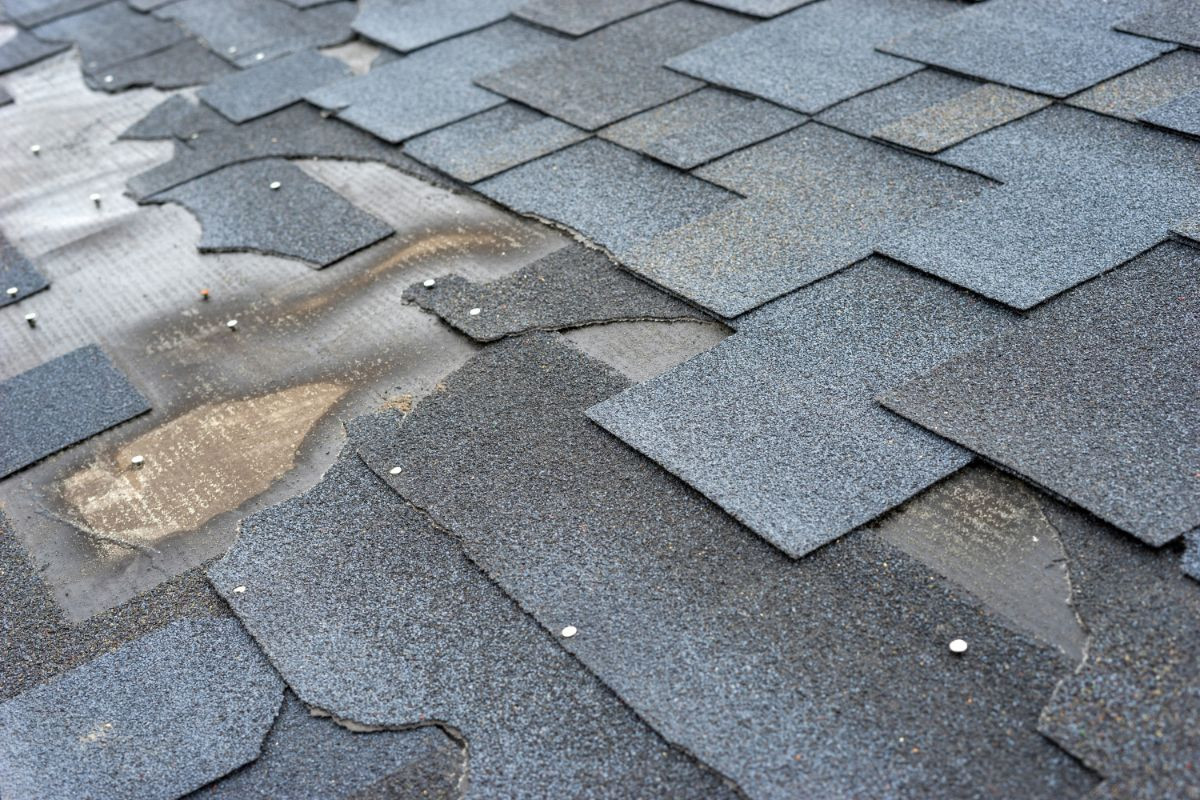
Stillwater sits squarely in Tornado Alley, and the weather here does not go easy on roofs. Spring storms roll through with hail and strong winds, summer brings temperatures that push well into the 90s, and winter drops lows near freezing. That constant cycle of heat, cold, and severe weather puts real stress on roofing materials year after year. When you factor in 36 to 40 inches of annual precipitation on top of that, even a small unaddressed problem (a few missing shingles, bent flashing around a vent, or a lifted ridge) can let water into your home fast. Left alone, that moisture leads to damaged roof decking, rotted framing, and mold growth inside your walls and ceilings.
That is exactly why a fast, knowledgeable response matters so much after a storm or sudden roof failure. A. Fricker Roofing and Waterproofing has worked with Stillwater homeowners through all kinds of roofing emergencies, from hail damage that strips away shingle granules to wind damage that peels back flashing and opens up entry points for water. The team understands how quickly conditions here can go from manageable to serious, and that experience shapes how every emergency call is handled.
Whether you are dealing with an active leak, visible sagging, or storm damage you just discovered, getting a licensed professional on your roof quickly is the most important step you can take to protect your home and your investment in your property.
How Emergency Roof Repair Works in Stillwater, OK
Roof emergencies require a fast response, and understanding what happens after you call can make a stressful situation easier to manage. Here is exactly how A. Fricker Roofing and Waterproofing handles emergency roof repairs from the initial response through the completed repair.
- Step 1: Immediate Response and Triage
When you contact us, we mobilize quickly to evaluate the situation and identify the most urgent concerns. We assess active leaks, storm damage, and any areas where water is entering your home so we can determine what needs immediate attention to help prevent additional damage. - Step 2: Temporary Stabilization and Protection
Before permanent repairs begin, we secure exposed areas of the roof to reduce the risk of further leaks. Depending on the damage, this may include installing heavy-duty protective tarps, securing loose flashing, and covering exposed roof decking or other vulnerable areas. These temporary measures help protect your home while the permanent repair plan is prepared. - Step 3: Full Roof Inspection
Once the roof has been stabilized, we complete a detailed inspection of the entire roofing system. We examine shingles, flashing, roof gaps, valleys, and the roof deck to determine the full extent of the damage, including issues that may not be visible from the ground. This allows us to recommend the appropriate long-term solution based on the roof's actual condition. - Step 4: Permanent Repair
After reviewing our findings with you, we explain the recommended repairs and answer any questions before work begins. If the damage is limited, we complete a targeted repair using materials and installation methods that match the existing roofing system. If more extensive damage is present, we explain why a larger repair or replacement may be the better long-term solution. - Step 5: Quality Verification and Final Walkthrough
After the repair is complete, we inspect the finished work to verify the damaged areas have been properly restored. We walk through the completed repairs with you, explain what was done, answer your questions, and point out any areas that should be monitored following future storms so you have a clear understanding of your roof's condition and the work that was completed.
Repair or Replace: Your Options in Stillwater, OK
One of the hardest parts of an emergency is figuring out whether you need a targeted repair or something more involved. The answer usually comes down to how far the damage has spread and what condition the rest of your roof is in. Understanding the general breakdown can help you have a more informed conversation with your contractor when the crew arrives.
| Damage Type | Common Cause in Stillwater | Likely Scale of Work |
|---|---|---|
| Missing or lifted shingles | High winds during spring storms | Targeted shingle repair, same day |
| Bent or separated flashing | Wind stress around vents and chimneys | Flashing resecured or replaced |
| Granule loss across shingles | Hail impact wearing down surface material | Repair or replacement depending on spread |
| Damage across multiple slopes | Severe storm or large hailstorm | Partial to full roof replacement |
Emergency labor in this area generally runs between $98 and $178 per hour, reflecting the cost of immediate response versus standard scheduling. A repair that stays small is almost always less expensive than one that sits untreated while moisture works its way into your roof decking and framing. Getting a crew out quickly is the most direct way to keep the scale of work manageable.
Material Compatibility for Stillwater's Temperature Swings
When replacement shingles or patches are installed during an emergency, the materials have to account for how much they will expand and contract as temperatures shift from near freezing in winter to well over 90 degrees Fahrenheit in summer. Using the right materials and fastening methods keeps a repair from lifting again after the first hot stretch or cold snap.
Flashing Repairs Around Vents & Chimneys
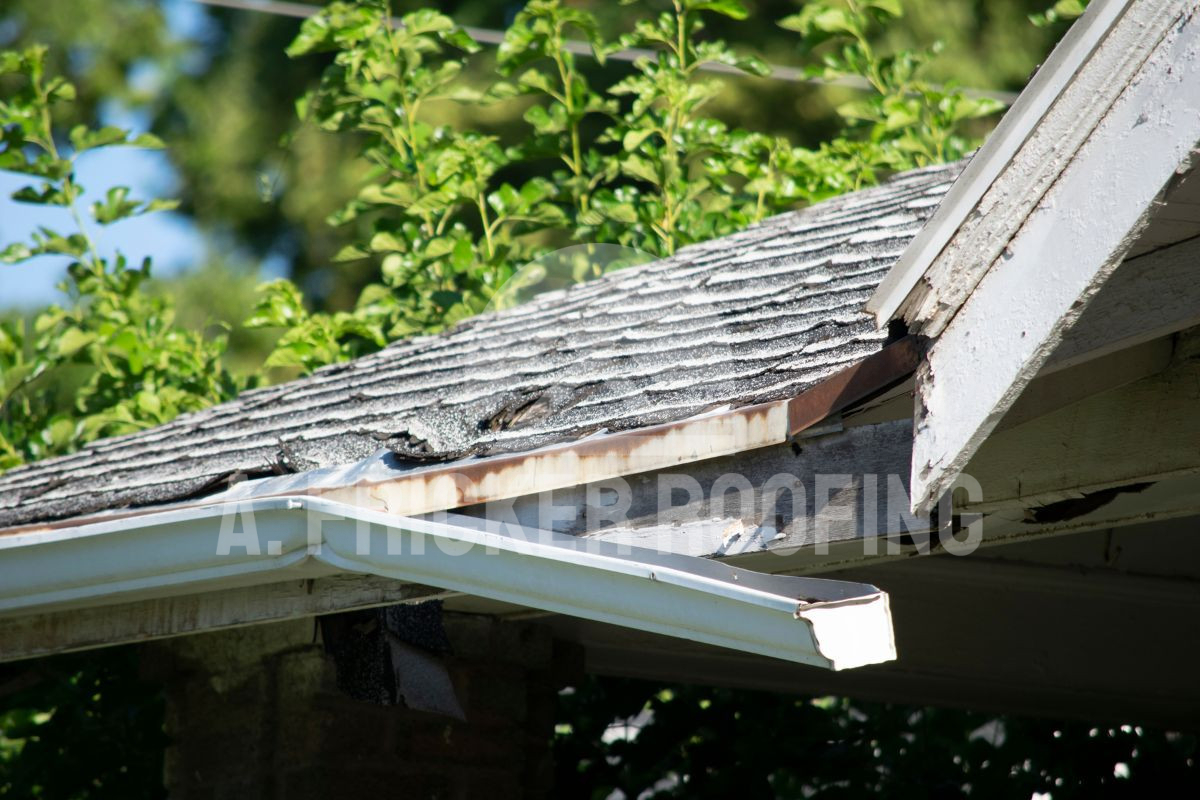
Bent or pulled-away metal flashing around roof gaps is one of the most common ways water finds its way inside a Stillwater home after a windstorm. Emergency repair work includes resecuring or replacing damaged flashing at these points so those gaps are fully sealed, not just temporarily covered.
Heavy-Duty Tarping Rated for Heat & Wind Exposure
Standard tarps can fail quickly under the combination of high winds and summer heat that Stillwater regularly sees. The 10 to 12 mil polyethylene tarps used during emergency stabilization are rated to hold up under those conditions, giving your interior real protection while a permanent repair is scheduled.
Granule Loss & Hail Damage Identification
Hail damage does not always look dramatic from the ground, but granule loss left unaddressed leaves shingles exposed to UV breakdown and moisture. During your emergency visit, the crew identifies where hail impact has stripped away surface material so the full scale of damage is understood before any repair work is completed.
Get Emergency Roof Repairs Handled in Stillwater, OK
Stillwater's mix of spring storms, summer heat, and freezing winter temperatures puts roofing materials through a serious workout every year. When something fails suddenly, the gap between calling a contractor quickly and waiting even a day or 2 can mean the difference between a straightforward repair and a much larger, more expensive project. Catching damage early and getting it fixed right protects your home, keeps your costs down, and helps you avoid the kind of interior damage that takes far longer to resolve than the roof issue itself.
A. Fricker Roofing and Waterproofing is ready to respond when you need help fast. Homeowners throughout the Stillwater area can count on the team to take a look, give honest answers, and get their roof back in solid shape. If you have an active leak, visible damage, or something about your roof that just does not look right after a storm, reaching out sooner rather than later is always the right call.
Frequently Asked Questions
Got questions about your roof? We’ve got answers. From maintenance tips to insurance claims and repair timelines, our FAQ section covers the most common concerns homeowners have. Get informed and make confident decisions about protecting your home.
Why do I keep finding dark granules in my gutters after a storm, and should I be worried?
Those granules are the protective surface layer on your asphalt shingles, and hail is the most common reason they end up in your gutters here in Stillwater. Once that layer wears away, the shingle underneath is exposed to UV rays and moisture, which speeds up deterioration fast. It is one of the clearest signs that your roof took a hit worth having a professional look at, even if you cannot see obvious damage from the ground.
My roof looks fine from the outside, but I have a water stain on my ceiling. Where is the leak actually coming from?
Water rarely travels in a straight line, so the stain on your ceiling often appears several feet away from where the leak actually enters. In Stillwater, bent or separated flashing around chimneys and vents is one of the most common hidden entry points, especially after a windstorm. A crew needs to get on the roof and trace the path back to the source, because patching the wrong spot will not stop the water.
If I can only afford to fix part of the damage right now, which repairs should be handled first?
Flashing failures and any open gaps in the roof deck should always come first, because those are the spots where water gets in the fastest and causes the most damage to your framing and interior. Missing shingles are a close second, particularly on slopes that take the brunt of Stillwater's spring storms. Prioritizing those repairs buys time and keeps the overall scale of work from growing while you plan next steps.
We love hearing from our customers!
You don’t have to listen to what we say about the company, check out what others are saying!


schedule a consultation
Contact Form
allow us to earn your business!
