

Leading Roofing Contractor in Oklahoma
Storm Damage Roof Repair in Skiatook, OK
4.9 Stars - Based on 708 User Reviews
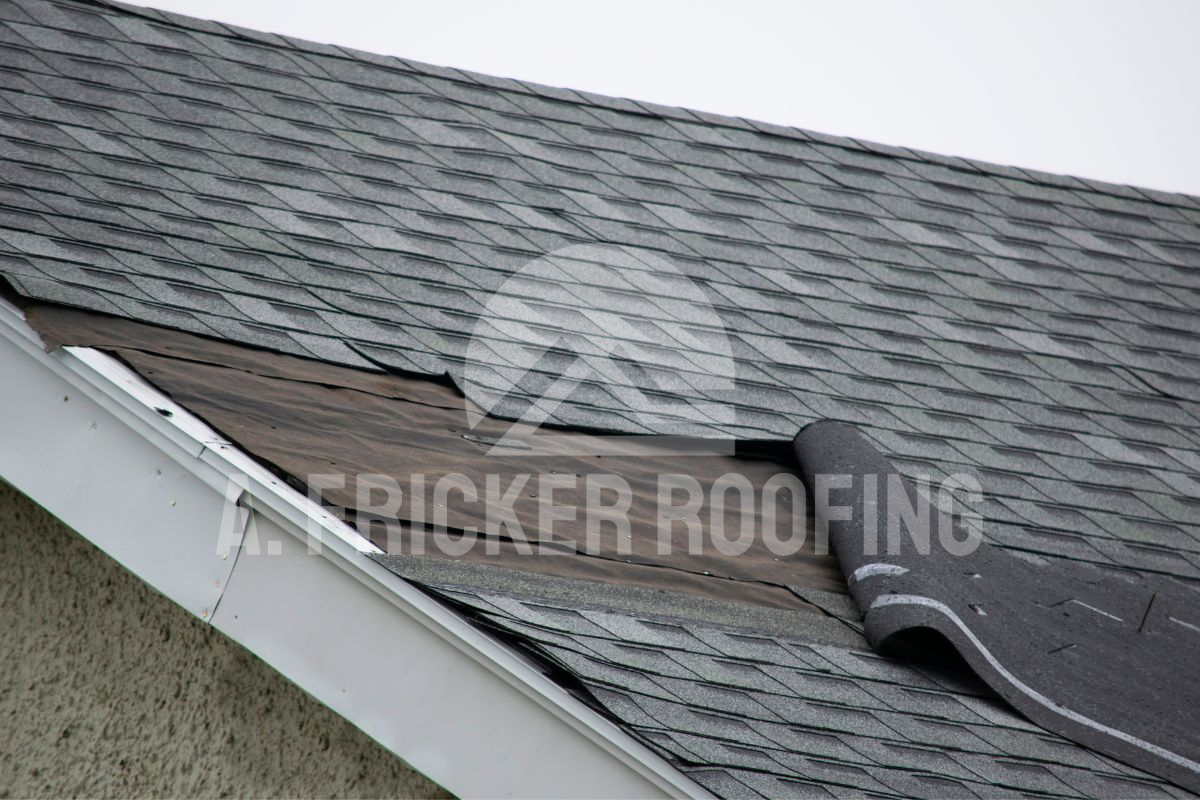
Northeastern Oklahoma is no stranger to violent weather, and Skiatook sits right in the middle of it. Spring and early summer bring severe thunderstorms with strong winds, large hail, and heavy rain that can strip shingles, damage flashing, bend gutters, and leave roof decking exposed in a matter of minutes. What makes storm damage especially tricky in this area is that the worst of it is often hidden. Hail can crack or loosen shingles without leaving obvious signs from the ground, and small gaps in flashing or lifted edges can let water in well before you notice anything inside your home. With Oklahoma summers pushing temperatures into the 90s, that kind of undetected damage deteriorates fast once heat and sun get to work on already weakened materials.
Quick repairs after a storm are not just about fixing what you can see. They are about stopping a small problem from turning into water damage inside your attic, along your ceilings, or deep into your roof structure. A. Fricker Roofing and Waterproofing works with homeowners across the Skiatook area to inspect roofs after major weather and handle repairs quickly, whether that means replacing missing shingles, resealing damaged flashing, repairing soffits and fascia boards, or addressing compromised roof edges. Getting a professional set of eyes on your roof after a storm is the most direct way to protect your home and your investment in it.
How Storm Damage Roof Repair Works in Skiatook, OK
If you’ve just come through a storm, the uncertainty afterward can be the hardest part. Here is how A. Fricker Roofing and Waterproofing handles the repair process from start to finish.
- Step 1: Roof Inspection
A roofer gets on the roof to evaluate everything that cannot be seen from the ground. That includes shingles, flashing, soffits, fascia boards, gutters, attic vents, and roof edge details. We look for signs like lifted materials, impact marks, failed seals, and areas where wind or hail may have compromised protection. A close inspection is what reveals the true condition of the system. - Step 2: Findings Review and Guidance
After the inspection, the results are explained in clear, direct language. You are shown what damage exists, how it likely occurred, and what it means for the roof as a whole. If the issue is limited enough for a small repair, that is the recommendation given. Suggestions are based strictly on what is actually present. - Step 3: Repair Outline and Written Estimate
Before any work begins, a defined repair plan is provided that outlines what will be fixed and why. This includes materials involved, the affected areas, and what the repair is intended to resolve. The written estimate is reviewed with you so there are no unclear expectations or last-minute changes. - Step 4: On-Site Repair Work
Repairs are completed using materials that match and integrate with the existing roofing system. Work may involve replacing damaged shingles, correcting flashing issues, securing roof edges, or addressing damaged soffit and fascia board components. Most storm-related repairs are completed within a single workday, depending on severity. - Step 5: Final Verification and Walkthrough
Once repairs are complete, the work is reviewed on-site to confirm everything is properly sealed and secure. The crew walks you through what was completed so you have a clear understanding of the repair and the current condition of your roof going forward.
Common Storm Roof Issues in Skiatook, OK
After a significant storm moves through the Skiatook area, the damage left behind can range from obvious to completely hidden. Wind and hail affect different parts of your roof in different ways, and knowing what to watch for helps you understand why a full inspection matters even when things look fine from your driveway.
| Storm Damage Type | Common Cause | Why Quick Repair Matters |
|---|---|---|
| Missing or lifted shingles | High wind uplift along roof edges and ridges | Exposed roof decking absorbs rain quickly and deteriorates fast in summer heat |
| Cracked or bruised shingles | Hail impact, especially on older or sun-weakened material | Cracked shingles lose their waterproofing and allow leaks to develop gradually |
| Damaged or separated flashing | Wind-driven debris or pressure shifts during severe storms | Flashing failures around vents, chimneys, and edges are a leading source of interior leaks |
| Soffit and fascia board damage | Wind and windborne debris | Damaged soffits create openings for moisture and pests to reach your attic structure |
| Compromised roof edges and gutters | Wind uplift and debris impact | Poor drainage after a storm accelerates the deterioration of already weakened areas |
One thing worth keeping in mind is that some of the most serious storm damage is not visible from the ground. A close inspection after a major storm is the only reliable way to catch subtle hail strikes, lifted edges, or flashing gaps before they lead to leaks inside your home.
Shingle Granule Loss and Surface Deterioration
Hail and heavy wind don't always crack a shingle outright. Sometimes they knock loose the granules that protect the surface underneath, leaving shingles thin and vulnerable to Oklahoma's intense summer sun. Replacing or reinforcing those affected shingles before the heat gets to the exposed material is one of the more time-sensitive parts of storm repair.
Attic Vent and Roof Gap Repairs
Attic vents, pipe boots, and other roof gaps are common weak points after a storm because the seals around them can shift or crack under wind pressure and hail impact. Repairing these areas is included in storm damage work because even a small gap at a gap point can channel water directly into your attic structure.
Spot Repairs Versus Full Section Replacement
Not every storm calls for replacing large portions of your roof, and part of what A. Fricker Roofing and Waterproofing determines the most targeted fix that still holds up long-term. Wherever damage is contained to a specific area, a focused spot repair keeps costs down and gets your roof back to full function without unnecessary work.
Temporary Stabilization for Exposed Areas
When storm damage leaves roof decking exposed or flashing separated, protecting those areas right away is important, especially heading into the next round of rain that northeastern Oklahoma's spring and summer seasons regularly deliver. Temporary stabilization of open areas is part of the repair process when conditions require it, keeping your home protected while full repairs are completed.

Get Storm Damage Repaired in Skiatook, OK
Oklahoma weather does not give roofs much of a break. Between hail season in spring, heavy summer rain, and the temperature changes that come with each passing season, a roof that took a hit during a storm is working against the clock. Delaying repairs after storm damage means letting heat, UV exposure, and the next round of rain work on materials that are already weakened. Taking care of it quickly protects your home, keeps the scale of the repair manageable, and helps you avoid the kind of interior damage that turns a straightforward fix into something much larger.
If your roof took a hit recently or you are not sure what a storm left behind, A. Fricker Roofing and Waterproofing is ready to help. A thorough inspection is the right place to start, and from there, you will have a clear picture of what your roof needs and what to expect from the repair. Reach out whenever you are ready.
Frequently Asked Questions
Got questions about your roof? We’ve got answers. From maintenance tips to insurance claims and repair timelines, our FAQ section covers the most common concerns homeowners have. Get informed and make confident decisions about protecting your home.
How soon after a storm should I get my roof inspected in Skiatook?
The sooner the better, especially during spring and early summer when the next storm system can roll in within days. Exposed or weakened areas left open to rain and Oklahoma's intense summer heat deteriorate faster than most homeowners expect. Even if your roof looks fine from the ground, getting a professional inspection done within a few days of a significant storm is the best way to catch hidden damage before it turns into something bigger.
Does it matter if a storm produced small hail rather than large hail?
It does, and this is something many homeowners overlook. Smaller hail can still knock granules loose from shingles and leave the surface underneath exposed, even when it causes no visible cracking. On a roof that has already been through several Oklahoma summers, that kind of surface damage adds up quickly once heat and UV get to the thinned-out material. A close inspection after any hail storm is worth doing, regardless of how large the stones were reported to be.
Can a storm cause roof damage even if there was no hail and the wind speeds seemed moderate?
Yes, and this surprises a lot of people. Wind does not have to reach extreme speeds to lift shingle edges, pull at flashing, or separate sealed seams, particularly on roofs where materials have already been softened by years of temperature changes and sun exposure. Northeastern Oklahoma's storm systems also bring rapid pressure shifts that can stress a roof in ways that are not always obvious until rain finds its way in. If a storm produced sustained wind or heavy rain, a roof inspection is a reasonable step even without confirmed hail.
We love hearing from our customers!
You don’t have to listen to what we say about the company, check out what others are saying!




schedule a consultation
Contact Form
allow us to earn your business!
