

Leading Roofing Contractor in Oklahoma
Residential Roof Inspection in Skiatook, OK
4.9 Stars - Based on 708 User Reviews
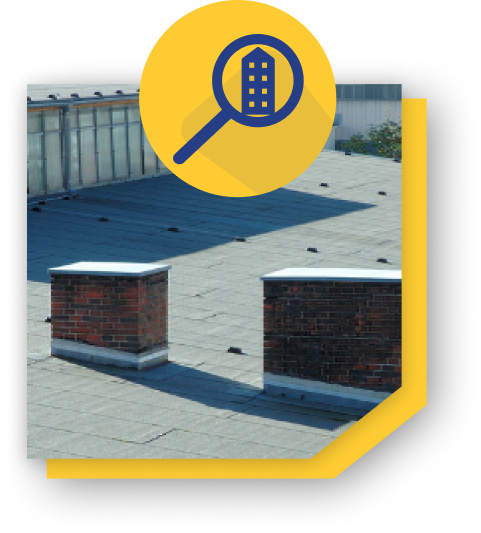
Living in northeastern Oklahoma means your roof takes a beating year-round. Skiatook sits in a humid zone where spring thunderstorms roll through with hail and high winds, summers bring intense heat that causes roofing materials to expand and crack, and winter temperature changes put stress on anything that's already showing wear. With around 50 inches of rain spread across the year and a real potential for severe weather each spring, roofs here don't get much of a break. That kind of exposure adds up, and what starts as a few missing granules or a small soft spot in the underlayment can quietly turn into a leak that damages your ceilings, insulation, and structural framing.
A professional residential roof inspection gives you a clear picture of where your roof stands before small problems become expensive ones. A. Fricker Roofing and Waterproofing knows this market well, and that means knowing what to look for on homes that have weathered years of Oklahoma storms. Loose shingles, damaged flashing around chimneys and vents, blocked drainage, moss or algae buildup trapping moisture, and signs of wind uplift are all part of what a complete inspection covers.
Skiatook's humid conditions make proper ventilation just as important as the shingles themselves, and that's something a trained eye will catch where a surface glance won't.
How a Roof Inspection Works in Skiatook, OK
Knowing what to expect before someone climbs on your roof makes the whole process easier. Here is exactly how A. Fricker Roofing and Waterproofing handles a residential roof inspection from start to finish.
- Step 1: Scheduling and Access Coordination
You choose a time that fits your schedule, and we confirm access to the roof, attic, and exterior areas like gutters and downspouts. The goal is to arrive prepared without requiring extensive setup on your end. - Step 2: Thorough Inspection of Roof and Related Systems
We examine the entire roofing system, including shingles, flashing at gaps, ridges, valleys, and any sections showing wear or prior repairs. Drainage components and attic ventilation are reviewed alongside the surface of the roof, since airflow and water movement directly affect performance. Areas with moss, algae, soft spots, or granule loss are checked closely. - Step 3: Condition Mapping and Record Creation
Findings are organized by location so each section of the roof is clearly accounted for. Photos and notes are tied to specific areas, separating active issues from general wear. This creates a structured record you can reference later rather than a broad summary. - Step 4: Honest Evaluation and Recommendations
We explain the condition of the roof in practical terms. If no action is needed, that is stated clearly. If repairs or maintenance are appropriate, we outline what should be addressed and why, based on the observed condition. - Step 5: Clear Next Steps
You leave with a defined understanding of your roof’s current state and what actions, if any, should follow. Whether that involves scheduling work or simply monitoring certain areas over time, the next steps are clearly established.
What Roof Inspections Catch in Skiatook, OK
Oklahoma weather doesn't give roofs much downtime, and that consistent exposure means problems can develop in ways that aren't obvious from the ground. A complete residential roof inspection looks at every part of your roofing system, not just the surface, so nothing gets missed between visits.
- Shingle condition: Curling edges, missing granules, cracking from heat expansion, and signs of wind uplift all point to shingles that are losing their ability to protect your home.
- The Flashing’s Structural integrity: Flashing around chimneys, vents, and roof transitions is one of the first places leaks develop, especially after high wind or temperature swings.
- Moss, algae, and debris buildup: Skiatook's humidity creates ideal conditions for organic growth that traps moisture against roofing materials and accelerates wear over time.
- Underlayment and roof decking: Soft spots or sagging beneath the surface often signal moisture damage that has been building longer than the surface suggests.
- Gutters and drainage: Blocked or pulling gutters interrupt water flow and push moisture back toward the roofline, leading to damage along fascia boards and eaves.
- Attic ventilation: Poor airflow drives up heat in summer and contributes to ice buildup in winter, both of which shorten the life of your roofing materials from the inside out.
Catching these issues early, especially after a strong storm season, is the difference between a straightforward repair and a much larger project down the road.
Hail Impact and Wind Damage Documentation
After a spring storm moves through Skiatook, your roof may show damage that isn't visible from the ground but still affects how well it protects your home. We document hail strikes, granule loss patterns, and signs of wind uplift in detail so you have a clear, accurate record of your roof's condition following severe weather.
Inspection Frequency Guidance Specific to Your Roof
Not every home needs the same inspection schedule. Based on your roof's age, material type, and recent weather exposure, we give you a straightforward recommendation on how often your roof should be checked, so you're not under-inspecting an older system or over-scheduling on a newer one in solid shape.
Moisture and Ventilation Interaction Review
In a humid climate like northeastern Oklahoma, how well your roof breathes matters just as much as how well it sheds water. We look at how your ventilation and moisture barriers are working together, because a roof that traps heat and humidity from the inside ages faster than one exposed to the same weather conditions outside.
Aging Roof Condition Benchmarking
Skiatook has a lot of established homes with roofing systems that have been through years of Oklahoma weather, and knowing where your roof falls on the wear scale helps you plan. We give you an honest read on how much useful life your roof likely has left, so you can make informed decisions about repairs versus longer-term planning before a problem forces your hand.

Schedule Your Residential Roof Inspection in Skiatook, OK
Oklahoma's weather patterns put real, ongoing stress on residential roofing, and homes in Skiatook deal with that year after year. The combination of seasonal storms, heat, humidity, and periodic winter temperature changes means even a relatively newer roof can develop issues that add up quietly over time. Getting your roof inspected regularly keeps you ahead of that process, so you're making decisions based on actual conditions rather than guesswork. Fall is a natural window to schedule, giving you time to address anything before winter settles in, though an inspection is worthwhile anytime you're unsure where things stand.
A. Fricker Roofing and Waterproofing is ready to take a complete look at your roof and give you a straight answer on what's working, what needs attention, and what can wait. If you're ready to get a clearer picture of your roof's condition, reaching out is a simple first step.
Frequently Asked Questions
Got questions about your roof? We’ve got answers. From maintenance tips to insurance claims and repair timelines, our FAQ section covers the most common concerns homeowners have. Get informed and make confident decisions about protecting your home.
Does my roof really need to be inspected even if I haven't noticed any leaks inside the house?
By the time water shows up on your ceiling, the damage has usually been building for a while. Shingles can lose protective granules, flashing can pull away from chimneys, and underlayment can soften well before a single drop makes it inside your home. A roof inspection catches those conditions early, before they reach the point where interior damage is already done.
How does Skiatook's spring storm season affect when I should schedule an inspection?
Northeastern Oklahoma's spring storm pattern means hail and high winds can move through in a single afternoon and leave behind damage that looks minor from the ground but has actually compromised your shingles or flashing. Scheduling an inspection shortly after a significant storm, rather than waiting until your next routine check, gives you an accurate picture of your roof's condition while the damage is fresh and before it has a chance to develop further. This is especially relevant for older roofing systems that have less margin for absorbing impact.
What does attic ventilation have to do with how long my shingles last?
Most homeowners focus entirely on the exterior of the roof, but what's happening inside the attic directly affects how the roofing materials above it hold up. In Skiatook's humid summers, a poorly ventilated attic traps heat that bakes shingles from underneath and accelerates cracking and curling far faster than weather exposure alone would cause. Checking ventilation is a standard part of a complete roof inspection and often reveals a straightforward fix that extends the life of an otherwise sound roof.
We love hearing from our customers!
You don’t have to listen to what we say about the company, check out what others are saying!



schedule a consultation
Contact Form
allow us to earn your business!
