

Leading Roofing Contractor in Oklahoma
Emergency Roof Replacement in Skiatook, OK
4.9 Stars - Based on 708 User Reviews
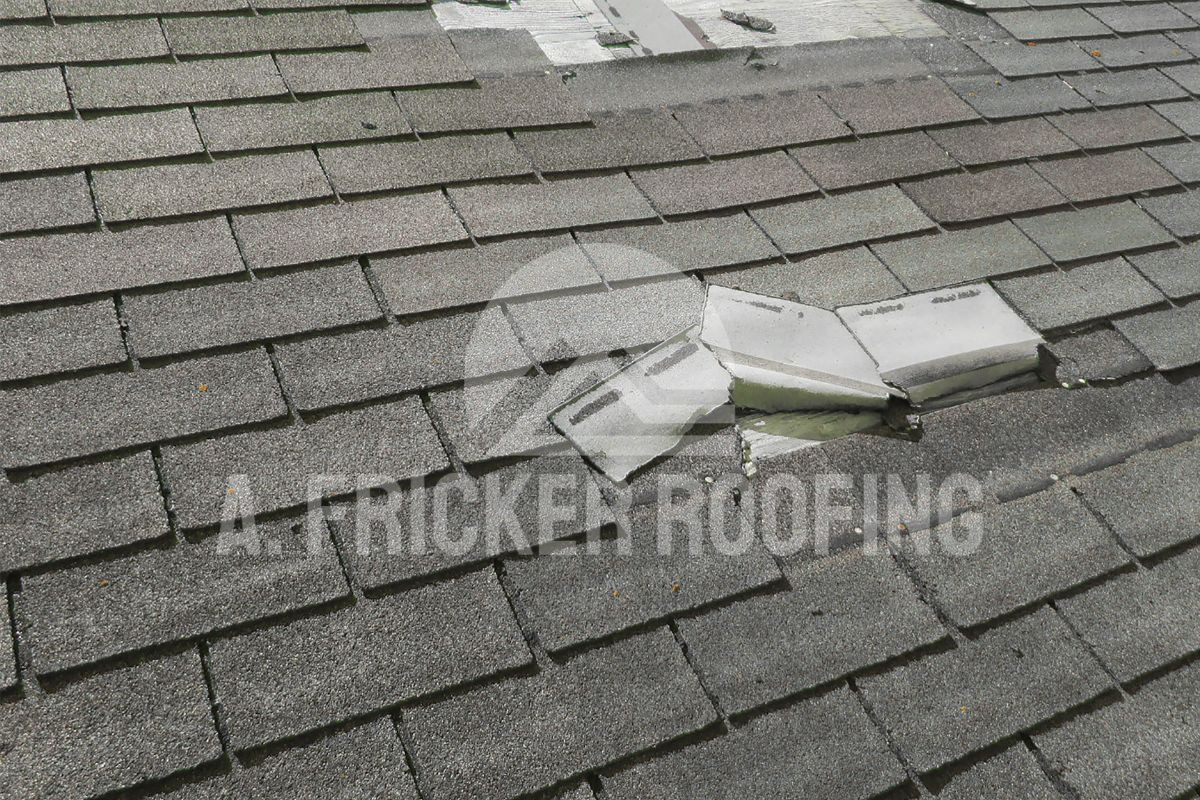
Skiatook sits squarely in northeast Oklahoma's severe weather corridor, where spring storms roll through with little warning and leave behind damage that isn't always easy to spot from the ground. Hail and high winds tend to arrive together, and when they do, asphalt shingles can suffer bruising, granule loss, and edge lift that quietly weakens the roof long before a visible leak shows up inside. With rain falling on roughly 80 or more days each year, a roof that's already been compromised by a storm doesn't have much time to wait.
That's where A. Fricker Roofing and Waterproofing comes in. Serving homeowners across Skiatook and the surrounding area, the team understands what local weather patterns do to roofs season after season. Spring and early summer bring the heaviest storm activity, but the work doesn't stop there. Temperature changes from cold mornings to hot afternoons put extra stress on already-damaged materials, and winter snow and ice can turn a compromised roof into a serious problem before spring arrives. Emergency roof replacement isn't just about patching what's visible. It's about protecting your home from what the next storm is already preparing to do.
How Emergency Roof Replacement Works in Skiatook, OK
A roof that is actively failing requires immediate attention, but the replacement still needs to be based on a close look at the damage and the condition of the existing roof.
- Step 1: Assess the Immediate Condition
The first visit focuses on identifying active leaks, exposed sections, storm damage, and other conditions that could allow the problem to spread. This initial assessment establishes the urgency of the situation and determines whether temporary protection is needed before a more detailed inspection can be completed. - Step 2: Protect the Exposed Areas
If water is entering the home or sections of the roof are open to the weather, temporary protection is installed as needed. Covering vulnerable areas helps limit additional moisture exposure while the permanent replacement is being planned. - Step 3: Examine the Roof in Detail
Once the immediate exposure has been controlled, the affected portions of the roof are inspected closely. Shingles, flashing, vents, gutters, edges, and other components are evaluated for signs of wind or hail damage. Conditions that are not apparent from the ground are also considered when determining how much of the roof requires replacement. - Step 4: Determine and Complete the Permanent Solution
The inspection findings are reviewed with you before permanent work begins. If a repair can reasonably restore the roof, that option is explained. When replacement is necessary, the work is planned around the actual condition of the roof and the materials appropriate for the home, then completed after the details are approved. - Step 5: Review the Completed Replacement
After installation, the finished roof is inspected and reviewed with you. The team explains what was replaced, answers your questions, and identifies any areas that should be monitored after future storms so you understand the condition of the new roof before the project is closed out.
Storm Damage Warning Signs in Skiatook, OK
Not all roof damage announces itself with a drip from the ceiling. In this part of Oklahoma, some of the most serious storm damage stays hidden until the next heavy rain makes it impossible to ignore. Knowing what to look for after a storm can help you catch problems before they spread.
- Granule loss on shingles: After a hailstorm, you may notice dark, bare patches where shingles have lost their protective coating. This is a sign the shingle mat has been weakened, even if no water is coming in yet.
- Lifted or curled shingle edges: High winds can break the seal between shingles, leaving edges raised and vulnerable to the next storm.
- Dented or bent gutters and vents: Hail that bruises shingles almost always leaves marks on gutters, ridge vents, and other roof parts. Damage here often signals shingle damage that is not visible from the ground.
- Soft spots or sagging sections: These point to roof decking that has absorbed water, which can follow repeated storm exposure over multiple seasons.
- Interior ceiling stains: Water marks or discoloration inside your home often mean a roof leak has already been active long enough to spread beyond the entry point.
Winter conditions can make any of these problems worse quickly. Ice buildup and temperature changes put extra stress on storm-damaged roofs, so fall is a good time to get a complete inspection before cold weather sets in.
Full Roof Deck and Underlayment Replacement
When storm damage has allowed water into your roofing system, the roof decking and underlayment often absorb moisture long before the damage is obvious from inside. Every emergency replacement includes removing deteriorated roof decking and installing fresh underlayment so the new surface has a solid, dry base to bond to.
Flashing Replacement at All Gaps
Chimneys, vents, and roof edges are common failure points after hail and wind storms, and damaged flashing at these spots is one of the fastest ways a new roof can develop leaks. Flashing at every gap and edge is replaced as part of the job, not left behind from the original installation.
Hail-Rated Shingle Installation
In a part of Oklahoma where hailstorms follow one after another across storm seasons, the shingles going on your home matter. Impact-resistant shingles designed to handle the kind of hail Skiatook regularly sees are installed to give your new roof a better chance of holding up through the next round of severe weather.
Proper Ventilation Verified at Installation
Ridge vents and intake ventilation are checked and corrected during replacement because poor airflow shortens shingle life and traps heat and moisture in the attic. With summer temperatures pushing into the 90s and winter cold following close behind, a balanced ventilation system helps your new roof hold up under Skiatook's full range of weather conditions.
Get Your Emergency Roof Replaced in Skiatook, OK
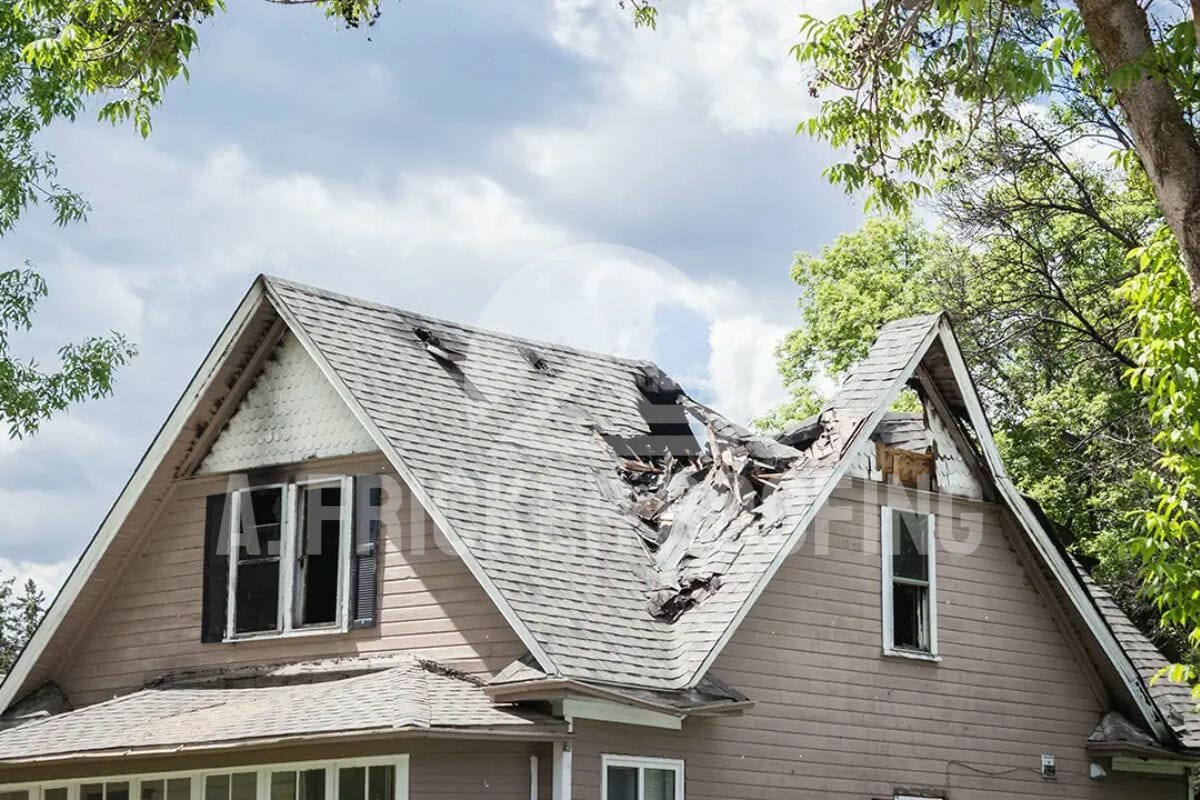
Skiatook's weather doesn't give roofs much of a break. Between heavy spring storms, summer heat that pushes into the 90s, and winter conditions that can make existing damage worse before you even realize it's there, a compromised roof doesn't stay manageable for long. Getting a full replacement done correctly and without delay protects your home from the kind of interior damage that turns a roof problem into a much bigger repair project down the road.
A. Fricker Roofing and Waterproofing is ready to help when you need it most. If your roof has been damaged by a recent storm or you have noticed any of the warning signs covered on this page, reaching out sooner gives you more options and better outcomes. The team is here to answer your questions and walk you through what comes next, with no pressure and no guesswork.
Frequently Asked Questions
Got questions about your roof? We’ve got answers. From maintenance tips to insurance claims and repair timelines, our FAQ section covers the most common concerns homeowners have. Get informed and make confident decisions about protecting your home.
Does Skiatook require a permit for emergency roof replacement, and does that slow things down?
Yes, Skiatook does have a permit and application process, and a full roof replacement typically requires one. In practice, this does not have to delay emergency work. Temporary stabilization can go on right away while permit paperwork is handled, so your home stays protected while everything moves through the proper channels.
My roof looked fine after the last hailstorm. How do I know if it actually needs a full replacement versus a repair?
Hail damage in this part of Oklahoma is often invisible from the ground. What looks like a normal surface can have fractured shingle mats underneath, which hold water instead of shedding it. A hands-on inspection is the only reliable way to know whether the damage calls for targeted repairs or a full replacement, and that distinction matters a lot for how the roof performs through the next storm season.
If a storm damages my roof in late fall, is it too late in the year to get it fully replaced in Skiatook?
Fall replacements are common in this area, and waiting through winter on a damaged roof is usually the worst option. Skiatook averages around 9 inches of snow per year, and even moderate ice or temperature changes can push an already-weakened roof past the point of holding. Getting the work done before deep winter sets in gives the new materials time to seal properly and keeps a manageable problem from getting worse before spring.
We love hearing from our customers!
You don’t have to listen to what we say about the company, check out what others are saying!




schedule a consultation
Contact Form
allow us to earn your business!
