
Leading Roofing Contractor in Oklahoma
Commercial Roof Repair in Skiatook, OK
4.9 Stars - Based on 708 User Reviews
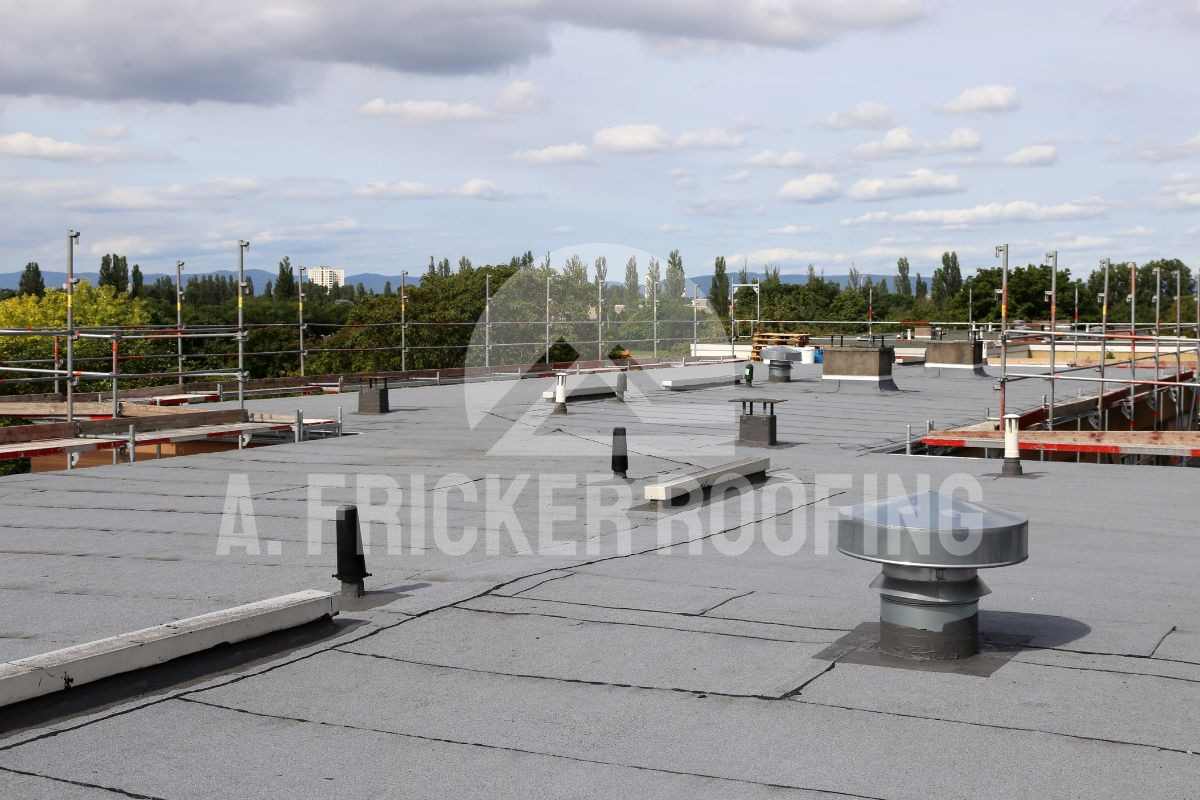
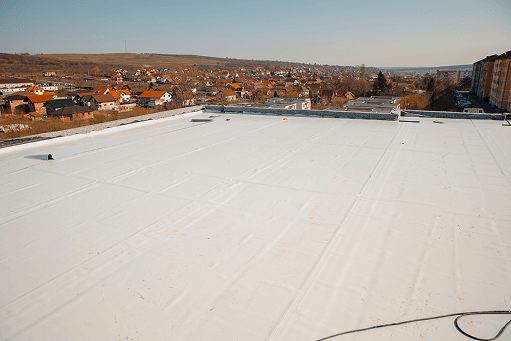
Skiatook sits squarely in tornado alley, and the weather here does not go easy on commercial buildings. Between summer heat that pushes well into the 90s, winters that drop into the 20s, and consistent precipitation throughout the year, your roof is under constant pressure. Flat and low-slope roofs, the most common design across commercial properties in this area, are especially vulnerable. Rubber and tar surfaces expand and contract with temperature changes, and over time, that movement opens up cracks, loosens seams, and breaks down flashing around pipes and edges. Wind-driven rain and hail make things worse, forcing water into the smallest gaps and turning a minor drip into a serious problem inside your facility.
That is where A. Fricker Roofing and Waterproofing comes in. Serving the Skiatook area, the team understands exactly what local weather conditions do to commercial roofing systems and how to address those issues with repairs that hold up. Whether your property is showing water stains on interior ceilings, bubbling around vents, or visible damage along seams and flashing, getting a professional inspection done quickly protects your building and keeps your tenants and operations from being disrupted. Delaying repairs on flat roofs rarely saves money, it usually expands the scale of work needed and puts more of your property at risk.
How Commercial Roof Repair Works in Skiatook, OK
Understanding the process ahead of time helps reduce uncertainty, especially when your property depends on consistent operation and controlled repair timelines.
- Step 1: Problem Inspection
A technician visits your property to inspect the surface of the roof, seams, flashing, pipe collars, and any areas where water intrusion may be occurring. On flat and low-slope roofing systems, the inspection includes a full surface walk to identify issues that are not visible from ground level. This establishes an accurate baseline before any repair decisions are made. - Step 2: Diagnosis and Options Discussion
Once the inspection is complete, the findings are explained in clear terms. You are told what is causing the issue and what practical repair options exist. If the damage is isolated and a limited repair is sufficient, that is the recommendation provided. - Step 3: Scale of Work and Quote
After a course of action is selected, a written job scale is prepared that defines exactly what will be repaired and how. The description is specific, so there is no confusion about what is included before work begins. - Step 4: Professional Repair
Repairs are completed using materials matched to the existing flat or low-slope roofing system. Work is scheduled and executed to minimize disruption, with most standard repairs completed within a short timeframe, depending on the extent of the issue. - Step 5: Quality Verification and Walkthrough
Once repairs are finished, the work is reviewed to confirm proper completion. You are then walked through the repaired areas so you can see what was addressed and ask any final questions before the job is closed out.
Warning Signs for Commercial Roof Repair in Skiatook, OK
Catching a problem early on a flat or low-slope roof can be the difference between a straightforward repair and a much larger project. Rubber and tar roofing systems give you signals when something is wrong, and knowing what to look for helps you act before the damage spreads deeper into your building.
- Water stains on interior ceilings or walls: Discoloration inside your facility almost always points to an active or recent leak, even if the roof looks fine from below.
- Bubbling or blistering on the surface of the roof: Trapped moisture beneath the membrane causes bubbles to form, weakening the surface and creating new leak points over time.
- Cracked or separated flashing: Pipe flashing and edge flashing take a beating from temperature changes, and gaps there are a direct path for water to enter.
- Standing water or soft spots: Flat roofs should drain within a day or 2 after rain. Persistent pooling or soft areas underfoot signal drainage problems or underlying damage.
- Visible seam separation: Open or lifting seams along roof sections allow wind-driven rain to work underneath the membrane and spread moisture across a wider area.
Scheduling a professional inspection twice a year, ideally in spring and fall, helps you catch these issues before a minor repair turns into a much bigger expense.
Flat Roof Patching and Membrane Repair
Rubber and tar membranes on flat commercial roofs develop cracks, tears, and open seams over time, especially after Skiatook's temperature swings push materials past their limits. A. Fricker Roofing and Waterproofing addresses these failures directly, applying compatible patching materials that bond to the existing surface and restore a watertight seal without requiring a full replacement.
Pipe and Chimney Flashing Repair
Flashing around roof gaps like pipes, vents, and chimneys is one of the most common failure points on commercial roofs in this area, particularly after windstorms and seasonal temperature changes. Repairing or replacing deteriorated flashing closes off direct entry points for water and keeps the surrounding membrane from taking on additional stress.
Edge and Seam Sealing
Roof edges and seams are the areas most exposed to wind-driven rain, which is a real concern for Skiatook properties sitting in tornado alley. Properly resealing lifted or separated edges and seams stops water from working underneath the membrane and spreading damage well beyond the original problem area.
Drainage Correction for Flat Surfaces
Standing water on a flat or low-slope commercial roof accelerates material breakdown and adds weight that the structure is not designed to carry long-term. Addressing drainage issues as part of the repair process, whether that means clearing blocked drains or correcting minor slope problems, keeps water moving off your roof the way it should after every rain.

Reduce Long-Term Repair Costs in Skiatook, OK
Northeast Oklahoma weather is hard on commercial roofing year-round, and flat and low-slope systems feel that pressure more than most. Keeping up with repairs protects your facility from the kind of damage that quietly spreads before it shows up on a ceiling or disrupts your tenants. Spring and fall are both good windows to get work done, with more predictable conditions that let materials cure and seal properly. Staying ahead of small issues is almost always less expensive than addressing what those issues become when left alone.
A. Fricker Roofing and Waterproofing works with building owners and property managers in the Skiatook area to keep commercial roofs in reliable shape without unnecessary upsells or complicated processes. If you have noticed something worth a closer look, or if it has simply been a while since your roof was inspected, reaching out is a straightforward first step. The team is ready to take a look and give you a clear picture of where things stand.
Frequently Asked Questions
Got questions about your roof? We’ve got answers. From maintenance tips to insurance claims and repair timelines, our FAQ section covers the most common concerns homeowners have. Get informed and make confident decisions about protecting your home.
Does Oklahoma's severe weather season affect how quickly repairs need to be scheduled?
It does, and timing matters more than most building owners realize. Spring in Skiatook brings a backlog of storm-related repair requests, so if your roof took damage from wind or hail, getting on a contractor's schedule quickly helps you avoid longer waits as that need builds. Repairs left open heading into another round of storms risk significantly more water getting into your facility before anyone can get back on the roof.
Are there permit requirements for commercial roof repairs in Skiatook?
For most standard patching and flashing repairs, permits are not typically required, but larger job scales may fall under Oklahoma’s commercial compliance requirements. The threshold depends on the extent of the repair rather than the type of roofing material. A reputable contractor will let you know upfront whether your specific repair triggers any permitting steps before work begins.
Why do flat roof seams tend to fail faster than the rest of the membrane surface?
Seams are where two sections of membrane meet, and that joint is naturally more vulnerable to the repeated expansion and contraction that Skiatook's temperature swings cause throughout the year. Wind gets under lifted edges and peels them further, and once water finds its way beneath the membrane at a seam, it can travel a considerable distance before showing up as a visible problem inside your building. Keeping seams sealed and inspected regularly is one of the most direct ways to extend the life of a flat commercial roof.
We love hearing from our customers!
You don’t have to listen to what we say about the company, check out what others are saying!



schedule a consultation
Contact Form
allow us to earn your business!
