

Leading Roofing Contractor in Oklahoma
Storm Damage Roof Repair in Jenks, OK
4.9 Stars - Based on 708 User Reviews
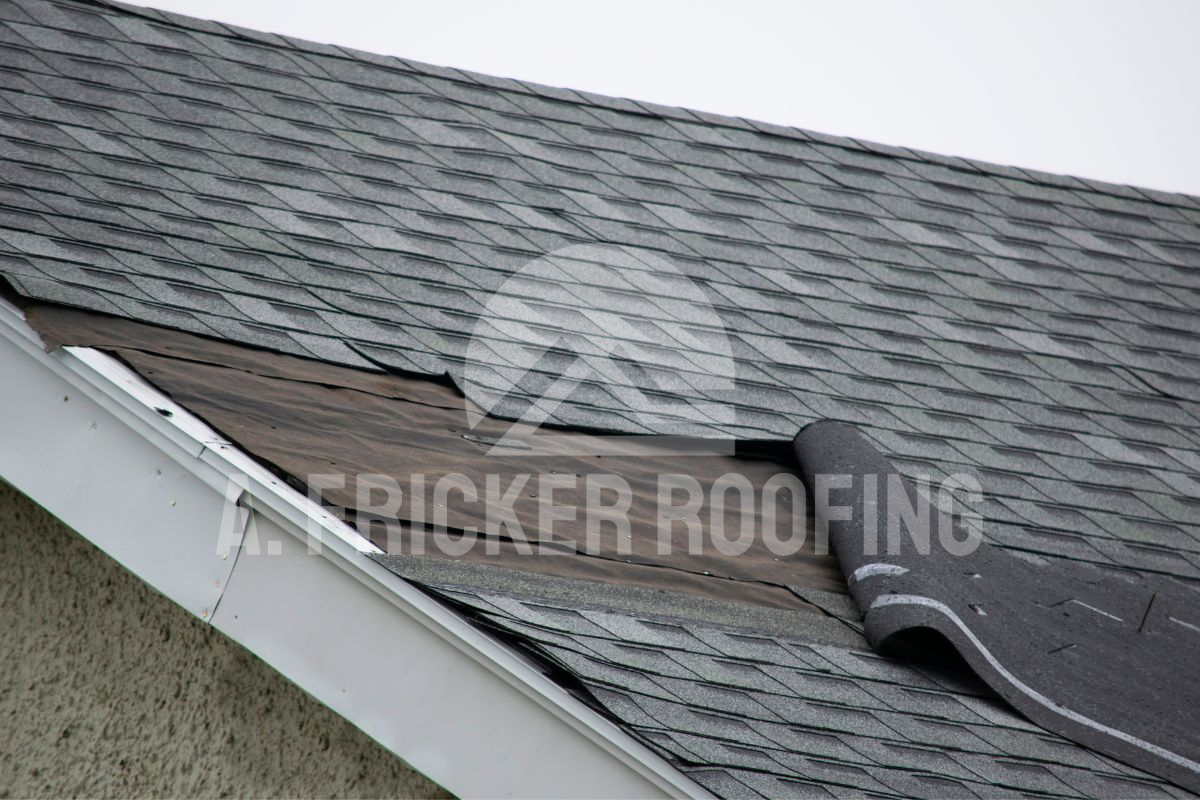
Jenks sits right in the path of some of northeastern Oklahoma's most active storm corridors, and homeowners here know that spring can shift from calm to severe in a matter of minutes. Hail and high winds are the biggest threats to residential roofs in this area, and the combination can do more damage than it looks like from the ground. A shingle that appears mostly intact might have lost its granule coating from hail impact, and wind-lifted edges create openings where heavy rain moves in fast. With Jenks receiving around 50 inches of rainfall annually, a compromised roof doesn't stay a minor problem for long.
After a storm passes, the damage doesn't always announce itself with obvious holes or missing shingles in the yard. Cracked flashing around pipe vents, loosened edges near the eaves, and subtle bruising across the shingle surface can all lead to leaks before you notice anything inside your home. That's where having a local contractor who knows what to look for makes a real difference. A. Fricker Roofing and Waterproofing works with Jenks homeowners to identify exactly what the storm affected and get the right repairs done before the next round of weather arrives.
Storm damage on asphalt shingle roofs often affects specific sections rather than the entire surface, which means a focused, accurate inspection matters as much as the repair work itself. Catching the problem early protects your ceilings, insulation, and interior finishes from the kind of water damage that turns a straightforward roofing repair into a much larger project.
How Storm Damage Roof Repair Works in Jenks, OK
Storm damage can create a lot of uncertainty, but understanding the repair process helps remove some of that stress. Here is how A. Fricker Roofing and Waterproofing approaches storm damage roof repairs from the first inspection through the final review.
- Step 1: Roof Condition Assessment
The process begins with a detailed inspection of the roof and surrounding components affected by the storm. We examine shingles, flashing, vents, eaves, roof edges, and other important areas to identify both obvious and less visible damage. If the storm only impacted a specific section of the roof, we pinpoint the location and determine the conditions that led to the damage. - Step 2: Damage Review and Repair Recommendations
After the inspection is complete, we explain our findings in straightforward terms. We discuss which areas were affected, the significance of the damage, and the repair options available. When the damage can be resolved with a localized repair, we focus on that solution rather than recommending more extensive work than necessary. - Step 3: Repair Proposal and Project Details
Once the repair needs have been identified, we prepare a written proposal outlining the work required. The document details the repairs being performed, the materials involved, and the associated costs. This ensures you have a clear understanding of the project before any work begins. - Step 4: Storm Damage Restoration
The approved repairs are completed with attention focused on the specific areas impacted by the storm. Damaged roofing components are repaired or replaced as needed to restore the roof's ability to protect the home. Most standard storm repair projects can be completed during a single visit while maintaining a clean and organized work area throughout the process. - Step 5: Final Review and Repair Confirmation
After the work is complete, we perform a final inspection of all repaired areas to verify everything has been addressed properly. We then walk through the completed repairs with you, explain what was done, and answer any remaining questions so you have a clear understanding of the finished work.
Warning Signs of Storm Roof Damage in Jenks, OK
After a strong storm rolls through Jenks, the visible damage on the ground is only part of the picture. Asphalt shingle roofs can take a real beating from hail and wind while still looking mostly fine from the street. Knowing what to look for helps you catch problems early, before the next rainstorm turns a small repair into a much bigger one.
| Damage Type | Where to Look | Why It Matters |
|---|---|---|
| Hail bruising or granule loss | Shingle surface across all slopes | Weakens shingle protection and accelerates wear |
| Missing or lifted shingle tabs | Edges, ridgeline, and open sections | Creates direct openings for water entry |
| Cracked or separated flashing | Around vents, chimneys, and pipe boots | Common source of leaks, even when shingles look intact |
| Damaged eaves or fascia boards | Roof edges and gutter connection points | Wind-driven rain can leak behind damaged boards |
| Interior water stains | Ceilings, attic, and areas near vents | Signals an active leak that needs immediate attention |
Storm damage in Jenks often affects one section of a roof rather than the whole surface. A focused inspection after severe weather catches these localized issues before interior damage follows.
Hail Impact Repair on Asphalt Shingles
Hail doesn't just dent shingles, it strips away the granule layer that protects the asphalt underneath from sun and rain. We replace affected shingles and address any underlying roof decking that took impact damage, so your roof holds up through the next storm season instead of continuing to deteriorate quietly.
Flashing Repair and Resealing at Vulnerable Points
The areas where your roof meets a chimney, vent pipe, or wall are the first places leaks develop after storm damage, even when surrounding shingles look fine. We repair and reseal damaged flashing at these connection points using materials matched to your existing roof, closing off the gaps that storms create.
Wind Damage Repair Along Roof Edges and Ridgelines
High winds tend to target the edges, corners, and ridgeline of a roof, lifting shingles, loosening ridge caps, and separating the starter course that keeps water from wicking underneath. Repairing these areas correctly keeps wind-driven rain from getting behind the surface and reaching your roof decking or interior structure.
Gutter and Fascia Board Repair Tied to Storms
Heavy storms in the Jenks area regularly pull gutters loose and damage the fascia boards they attach to, creating a gap where water runs behind the roofline instead of draining away from your home. Addressing these repairs alongside the roof itself keeps water moving where it should and protects the edge of your roof from ongoing exposure.

Get Storm Damage Roof Repair Done in Jenks, OK
Oklahoma's spring and early summer weather can be relentless, and even a roof that looks solid after a storm may have taken more damage than the surface shows. Getting repairs done while the problem is still contained protects your ceilings, insulation, and interior finishes from the kind of follow-on damage that builds quietly between storms. A repaired roof going into the heat of summer is a better situation than a compromised one waiting for the next round of severe weather to expose what was missed.
A. Fricker Roofing and Waterproofing has worked with homeowners throughout the Jenks area through seasons of hail and wind, and we know how to find what storms leave behind. If you have questions about what your roof looks like after recent weather, reaching out for an inspection is a straightforward next step. We are happy to take a look and give you a clear picture of where things stand.
Frequently Asked Questions
Got questions about your roof? We’ve got answers. From maintenance tips to insurance claims and repair timelines, our FAQ section covers the most common concerns homeowners have. Get informed and make confident decisions about protecting your home.
Why does hail damage sometimes not show up as a leak right away in Jenks homes?
Hail strips granules from the shingle surface and leaves the asphalt layer exposed, but that underlying material can hold up for weeks or even months before it fails under sun and rain. In Jenks, where summer heat follows spring storm season, the UV exposure speeds up the breakdown significantly. By the time a leak appears inside your home, the shingle damage is often well past the point where a simple repair would have been enough.
What parts of a roof are most likely to get missed after a wind storm in this area?
Pipe boot seals and the flashing tucked along wall transitions are easy to overlook because they don't look dramatic from the ground, but wind pulls at the edges of those seals and can separate them enough to let water in. Soffit vents are another spot that takes wind damage without obvious visual cues at street level. A complete inspection after any significant wind event should include these areas, not just the open shingle field where damage is easier to spot.
Can storm damage be limited to just one section of a roof even after a severe storm?
Yes, and this is actually very common with the hail and wind patterns that move through the Tulsa metro corridor. A storm traveling in a particular direction can put the bulk of its force on one slope or one side of a roof, while the opposite side takes little to no impact. This is useful to know because it means you may only need targeted repairs rather than work across the entire roof, but it also means a thorough inspection of the affected section matters more than a quick surface-level look from the driveway.
We love hearing from our customers!
You don’t have to listen to what we say about the company, check out what others are saying!




schedule a consultation
Contact Form
allow us to earn your business!
