

Leading Roofing Contractor in Oklahoma
Commercial Roof Replacement in Glenpool, OK
4.9 Stars - Based on 1107 User Reviews
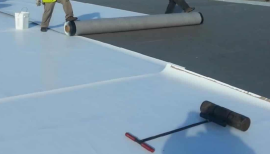
Glenpool sits in a weather corridor that puts commercial roofs through a real workout every year. Summer pushes temperatures into the 90s, spring brings heavy rains and hail, and winds can gust past 60 mph during storm season. Many of the commercial buildings in this area, warehouses, retail strips, and office buildings, were constructed during the oil boom decades and are now 20 to 40 years old. Roofs on those structures were not built for today's energy needs or today's weather, and when aging seams and low-slope membranes start to fail, the result is leaks, ponding water, and disruptions to business operations that can't afford downtime.
A full commercial roof replacement done right does more than stop leaks. It restores the structural integrity of your facility, improves energy performance, and protects your tenants and daily operations from the kind of weather Glenpool delivers year after year. A. Fricker Roofing and Waterproofing works specifically with commercial property owners in this area, and that local experience matters when you're selecting materials and planning a replacement around your business schedule rather than around what's convenient for the contractor.
The conditions here also introduce challenges that aren't common in every market. Airborne residue from nearby refinery activity can break down standard roofing membranes faster than normal wear, which shortens replacement cycles and makes material selection more important than it might be elsewhere.
How Commercial Roof Replacement Works in Glenpool, OK
A roof replacement is a significant decision, and knowing what happens at each stage makes it easier to plan around your operations and schedule.
- Step 1: Existing Condition Inspection
We start by getting on your roof and reviewing the full system, including the membrane, seams, flashing, drainage points, and any areas showing signs of ponding or deterioration. We also look at the condition of the underlying deck, where accessible, to understand whether any structural concerns need to be addressed before replacement begins. This gives a complete picture of the roof’s condition before any decisions are made. - Step 2: Honest Recommendation
After the inspection, we explain what we found and whether a full replacement is actually necessary. If targeted repairs can extend the life of the current system, we will explain that clearly. If replacement is the correct long-term solution, we walk through the reasoning so the decision is based on condition, not pressure. - Step 3: Options, Specifications, and Detailed Quote
If replacement is the right path forward, we review appropriate roofing systems for your building and its exposure conditions. We explain how each option performs and what is included in the full scale of work. A detailed written quote is provided so the full job scale is clear before any work is scheduled. - Step 4: Professional Installation
Once work begins, the crew follows the agreed installation plan while maintaining site organization and safety. Materials are installed according to manufacturer requirements, and work is sequenced to keep the building protected throughout the process. Disruption is managed as the project progresses. - Step 5: Quality Assurance and Final Walkthrough
After installation is complete, the finished roof is inspected and reviewed with you. We verify key details such as seams, flashing, and drainage performance. Any final questions are addressed before the project is closed out.
Material Options for Commercial Roofs in Glenpool, OK
Choosing the right roofing material for your facility matters more here than in many other markets. Airborne residue from nearby refinery activity, spring hail, and significant temperature changes throughout the year all influence how long a roof will actually last before the next replacement cycle.
| Material Type | Best Suited For | Local Consideration |
|---|---|---|
| TPO Single-Ply Membrane | Low-slope and flat commercial roofs | UV-resistant and chemically stable: resists airborne hydrocarbon degradation better than standard asphalt membranes |
| EPDM Rubber Membrane | Large flat roofs on warehouses and industrial buildings | Flexible under temperature changes: handles Glenpool's seasonal expansion and contraction well |
| Metal Standing Seam | Newer office parks and retail centers | Durable against hail impact: often selected after spring storm damage triggers a full replacement |
| Modified Bitumen | Built-up roof replacements on older structures | Familiar system for oil boom era building: compatible with cool roof coatings to reduce HVAC needs |
For facilities over 15,000 square feet, Oklahoma permitting requires an engineered drainage plan, something we incorporate into the project from the beginning rather than treating it as a separate step. Phased installation is available for occupied retail or industrial properties where keeping operations running during replacement is a priority.
Roof Deck Preparation
Before any new membrane goes down, the existing deck is inspected for soft spots, rot, or structural damage that would undermine a new roof from day 1. On older Glenpool facilities built during the oil boom era, this step often uncovers hidden deck deterioration that needs to be corrected before the replacement can hold up long-term.
Reflective Coating and Energy Performance Options
Glenpool's long summers put real pressure on commercial HVAC systems, and a roof replacement is the right time to add a high solar reflectance finish that reduces heat transfer into your building. This upgrade can meaningfully cut cooling costs year over year and is especially relevant for larger facilities with significant exposure to direct sun.
Gap and Flashing Details
Every pipe, vent, HVAC unit, and rooftop fixture is a potential leak point if the surrounding flashing isn't sealed correctly during replacement. We treat each gap as a separate detail, not an afterthought, because that's where most failures start on low-slope commercial roofs after a few years of thermal movement and wind stress.
Wind Uplift and Attachment Standards
With gusts reaching past 60 mph during the Oklahoma storm season, how a membrane is fastened to your roof deck matters as much as the material itself. Your replacement is installed to meet local wind resistance requirements, using fastening patterns and edge terminations designed to keep the system intact when severe weather moves through.
Plan Your Commercial Roof Replacement in Glenpool, OK
Glenpool's weather puts consistent pressure on commercial roofing systems year after year, and older facilities in the area are reaching the point where replacement is no longer something to defer. Acting before a failing roof creates tenant disruptions or forces emergency decisions, giving you more control over scheduling, material selection, and keeping your operations running during the process. Fall and spring tend to be favorable windows for installation here, with moderate temperatures that support proper material curing and allow crews to work efficiently without the full pressure of summer heat.
If you manage or own a commercial property in the Glenpool area and your roof is showing signs of age, seam failure, or ponding, A. Fricker Roofing and Waterproofing is a straightforward call to make. We work around your schedule, handle the permitting details, and give you a clear picture of what the project involves before any work begins. Reach out when you're ready to get a closer look at what your facility actually needs.
Frequently Asked Questions
Got questions about your roof? We’ve got answers. From maintenance tips to insurance claims and repair timelines, our FAQ section covers the most common concerns homeowners have. Get informed and make confident decisions about protecting your home.
Does the refinery activity near Glenpool actually affect what roofing material I should choose for my building?
Yes, and it's one of the more overlooked factors in this market. Airborne hydrocarbons from nearby refinery operations break down standard asphalt-based membranes faster than typical UV and weather exposure would on their own, which can shorten your roof's service life noticeably. Single-ply systems like TPO are chemically stable enough to hold up better under those conditions, making them a practical choice for facilities in this area rather than just a general recommendation.
What happens to my building permit if my roof is larger than 15,000 square feet?
Oklahoma's commercial permitting process requires an engineered drainage plan for roofs that exceed that threshold, which means your replacement involves more than a standard permit pull. The drainage plan accounts for water flow, slope, and sediment that can accumulate from the surrounding terrain during heavy spring rains. Working with a contractor who builds that requirement into the project from the start keeps the permitting process from stalling your timeline or adding unexpected steps mid-project.
How does spring hail in Glenpool affect the timing of a commercial roof replacement decision?
Spring storms here regularly produce hail in the one to 2-inch range, and that kind of impact can push a roof that was borderline into full replacement territory, especially on older low-slope membranes that are already experiencing seam stress. The tricky part is that hail damage on flat commercial roofs isn't always visible from the ground, ponding and hidden soft spots often show up during an inspection after a storm rather than through obvious surface damage. Getting a thorough inspection done after a significant hailstorm gives you an accurate picture of where your roof actually stands before the next storm season arrives.
We love hearing from our customers!
You don’t have to listen to what we say about the company, check out what others are saying!



schedule a consultation
Contact Form
allow us to earn your business!
