
Leading Roofing Contractor in Oklahoma
Commercial Roof Repair in Glenpool, OK
4.9 Stars - Based on 1107 User Reviews
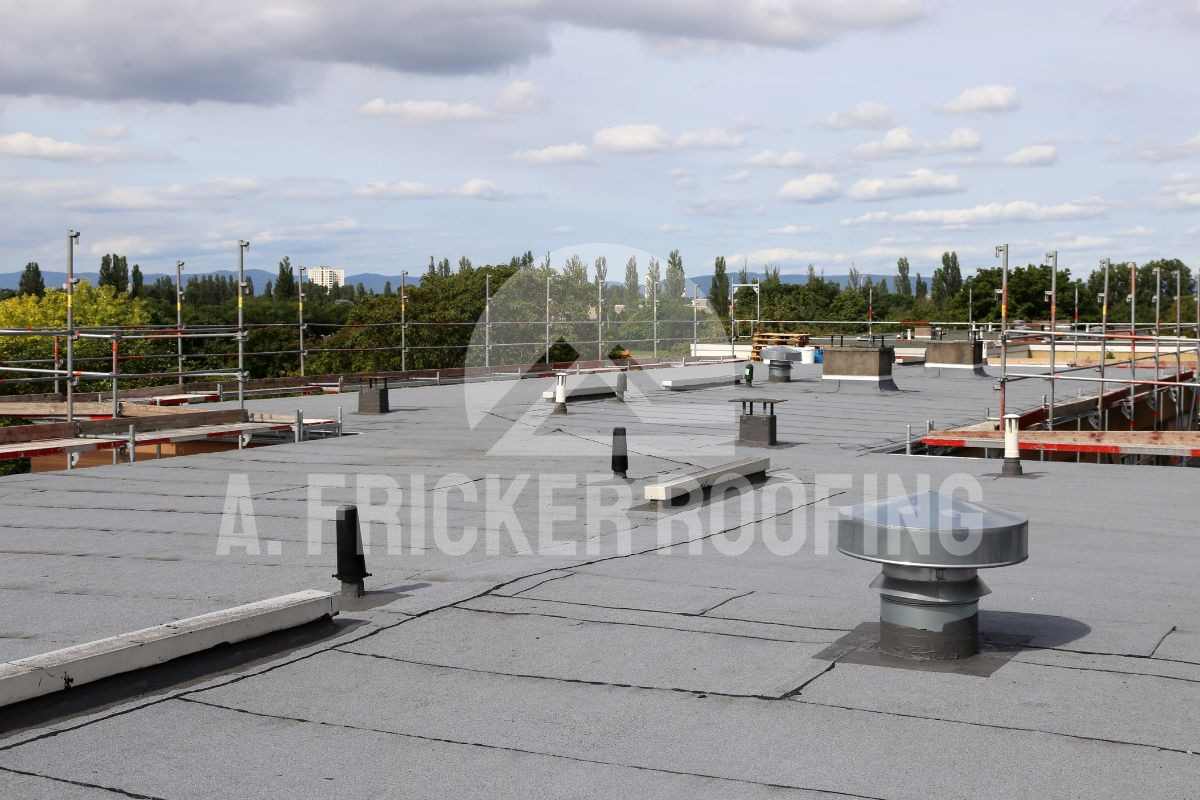
Glenpool sits in a weather corridor that puts commercial roofs through a serious workout every year. Summers push temperatures into the 90s, winters drop into the low 30s, and the repeated expansion and contraction that happens in between works against seams, flashing, and membrane edges over time. Add in around 40 inches of annual rainfall, heavy spring storms, and Oklahoma's well-known high winds and hail, and you have conditions that expose every weak point on a flat or low-slope commercial roof. For the warehouses, retail buildings, and office structures common throughout the Glenpool area, those weak points tend to show up around HVAC gaps, drainage areas, and older seams on metal or membrane roofs that were installed during the construction boom of the 1980s and 1990s.
Letting small problems sit rarely works in your favor. A separated seam or a deteriorated flashing detail might seem minor until a spring downpour finds its way through, and by then the damage has moved well past the surface of the roof and into your facility. Quick repairs to your commercial roof protect your property, keep tenants comfortable, and help building owners avoid the kind of interior damage that disrupts business operations for far longer than a repair would.
A. Fricker Roofing and Waterproofing works directly with property owners and managers in Glenpool to inspect commercial roofs and deliver repairs that hold up to local weather conditions, using materials and methods matched to the specific roof type and age of your building.
How Commercial Roof Repair Works in Glenpool, OK
Knowing what to expect from start to finish makes the whole process easier, especially when you're managing a facility and can't afford surprises.
- Step 1: Problem Inspection
We start by getting on the roof and looking closely at the areas giving you trouble, along with the surrounding surfaces, seams, flashing, gaps, and drainage points. This is a thorough assessment designed to identify both the visible issue and any contributing factors. If repairs are the appropriate solution, we'll tell you that from the start. - Step 2: Diagnosis and Options Discussion
Once we understand the situation, we explain our findings in straightforward terms. You'll know what is causing the problem, what needs to be addressed, and whether there are different repair approaches worth considering. Recommendations are based on the actual condition of the roof, not a predetermined outcome. - Step 3: Repair Planning and Project Expectations
Before work is scheduled, we review the repair strategy, expected timeline, and any site-specific considerations that may affect the project. This includes coordinating access to the building, identifying any operational concerns, and making sure everyone understands how the work will be carried out from start to finish. - Step 4: Professional Repair
Repairs are completed under conditions that allow materials to perform properly and integrate with the existing roofing system. Whether the work involves seam restoration, flashing repairs, membrane patching, or drainage corrections, every step is completed with long-term performance in mind. - Step 5: Quality Verification and Walkthrough
After the repair is finished, we inspect the completed work and review the results with you. Documentation of the repaired areas is provided, and we explain what was corrected, how the repair was performed, and any observations that may be useful for future maintenance planning.
Common Commercial Roof Repair Issues in Glenpool, OK
Glenpool's weather puts specific pressure on specific parts of a commercial roof. Understanding where problems tend to start, and why, helps you catch them earlier and make smarter decisions about repairs before minor issues become expensive ones.
| Issue | Common Cause | Why It Matters |
|---|---|---|
| Seam separation on membrane roofs | Repeated temperature changes and wind stress | Open seams let water migrate beneath the membrane, expanding damage quickly |
| Deteriorated flashing around HVAC units | Thermal movement and aging sealants | Gaps around gaps are a primary entry point for wind-driven rain |
| Ponding water near drains | Debris buildup and low spots on flat surfaces | Prolonged standing water erodes membrane edges and accelerates wear |
| Corrosion on older metal roofs | Mismatched patch materials and humidity cycles | Mismatched repairs speed up deterioration and can affect warranty coverage |
| Granule loss on coated surfaces | Hail impact and Oklahoma's heavy storm patterns | Unprotected metal loses UV resistance, requiring quick recoating |
Spring and fall are the best windows for addressing these repairs. Moderate temperatures allow adhesives and seam welds to bond correctly, and getting ahead of winter or heavy spring rains means you're not reacting to an active leak under the worst conditions. A complete inspection twice a year gives you the clearest picture of where your roof stands before each tough season arrives.
Seam Reinforcement with Heat-Welded Repairs
On membrane roofs, loose or separating seams get reinforced using heat-welded methods that create a durable bond rather than a surface-level patch. This approach holds up to the wind stress and temperature swings that Glenpool roofs face repeatedly throughout the year, reducing the chance of the same seam opening up again after the next heavy storm.
Gap Sealing Around Mechanical Equipment
HVAC units, vents, and other roof gaps get sealed with flexible materials designed to move with the roof during temperature changes without cracking or pulling away. Proper sealing at these points is one of the most effective ways to stop leaks before they reach interior ceilings or walls in your facility.
Drain Clearing and Membrane Edge Protection
Debris-clogged drains are addressed as part of the repair process on flat and low-slope roofs where standing water causes the most damage. Keeping drainage paths clear and protecting membrane edges from prolonged moisture exposure helps extend the life of the repair and reduces wear between visits.
Material Matching for Metal Roof Repairs
On older metal roofs, repair materials are matched to the original roof as closely as possible to avoid the accelerated corrosion that comes from mixing incompatible metals or coatings. For buildings from Glenpool's 1980s and 1990s construction period, this kind of precise material matching makes a real difference in how long the repair holds and how the roof weathers over time.

Get Your Commercial Roof Repaired in Glenpool, OK
Oklahoma's weather doesn't ease up between seasons, and commercial roofs in the Glenpool area carry the full weight of that reality year after year. Staying ahead of repairs, particularly during spring and fall when conditions favor proper bonding and curing, means you're protecting your facility on your schedule rather than reacting to a leak that's already working its way inside. For building owners and property managers, that kind of proactive approach reduces long-term costs, keeps tenants comfortable, and extends the life of a significant asset.
When you're ready to have your roof inspected, or you've already spotted something that needs attention, A. Fricker Roofing and Waterproofing is ready to help. We'll take a close look at what you're dealing with, walk you through the options in plain terms, and get the work done with materials suited to your specific roof. Reach out whenever you're ready.
Frequently Asked Questions
Got questions about your roof? We’ve got answers. From maintenance tips to insurance claims and repair timelines, our FAQ section covers the most common concerns homeowners have. Get informed and make confident decisions about protecting your home.
Does the age of a commercial roof in Glenpool affect what type of repair is possible?
It can, especially on metal and membrane roofs installed during the building boom of the 1980s and 1990s. Older roofs sometimes have material compositions that limit which repair methods will bond correctly or hold up over time. That's one reason we inspect the existing roof surface carefully before recommending an approach, so the repair works with what's there rather than against it.
Why do HVAC gaps seem to be the first place leaks show up on flat commercial roofs?
Rooftop mechanical equipment creates a challenge because the roof membrane and the equipment itself expand and contract at different rates as temperatures shift. Over time, that movement breaks down sealants and pulls flashing away from the surface, leaving gaps that wind-driven rain exploits almost immediately. On Glenpool's flat and low-slope commercial roofs, these gap points are among the most active areas for wear and should be checked at least twice a year closely.
Is spring really the better time to schedule commercial roof repairs, or does that just fill contractor schedules faster?
Spring timing is genuinely about material performance, not just scheduling. Adhesives and heat-welded seams need moderate temperatures to bond and cure the way they're designed to, and Glenpool summers can get hot enough to compromise that process. Catching repairs before heavy spring rains arrive also means you're addressing damage before it gets tested by the season most likely to turn a small problem into a larger one.
We love hearing from our customers!
You don’t have to listen to what we say about the company, check out what others are saying!



schedule a consultation
Contact Form
allow us to earn your business!
