
Leading Roofing Contractor in Oklahoma
Commercial Roof Repair in Collinsville, OK
4.9 Stars - Based on 1107 User Reviews
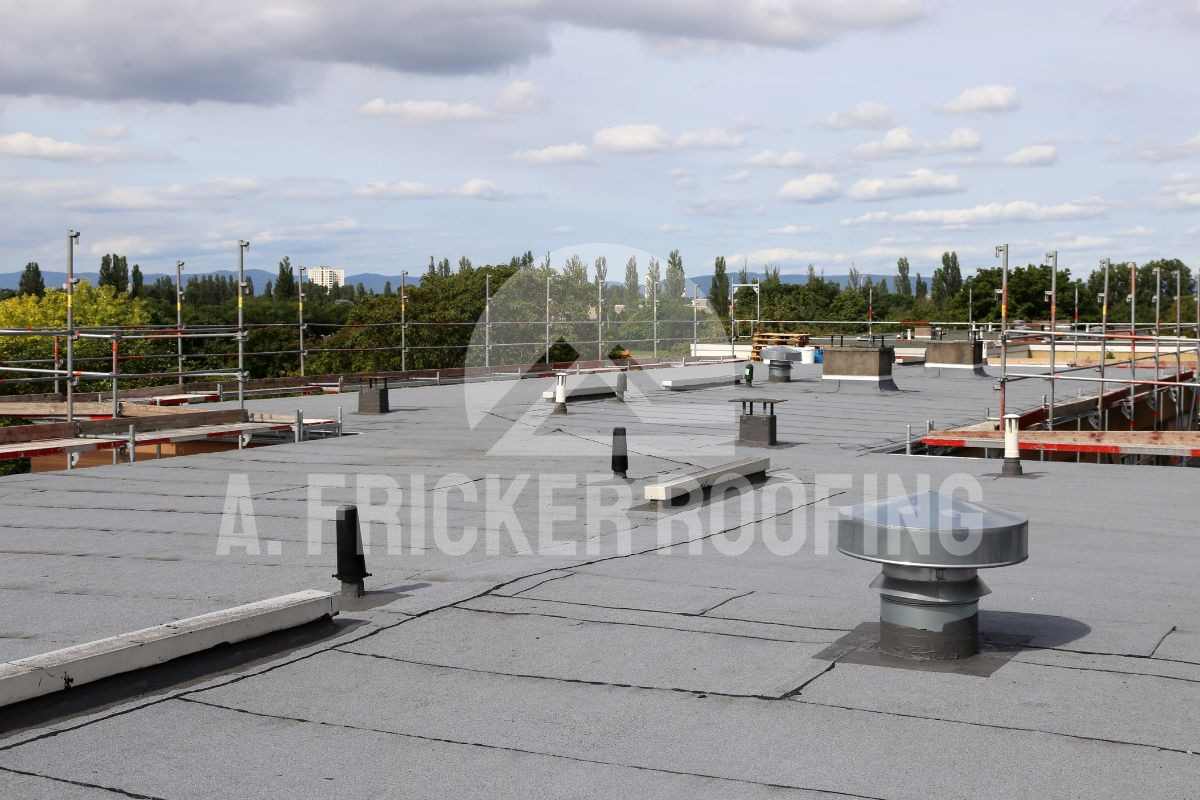
Running a commercial property in Collinsville means dealing with weather that does not go easy on roofing systems. Summers push temperatures into the 90s, winters drop into the 20s, and the region sees around 40 inches of rain annually. That kind of range puts real stress on flat roofs, seams, and membranes over time. Add in the high winds and hail that roll through the Tulsa metro corridor, and it becomes clear why so many local building owners end up dealing with leaks, lifted seams, and ponding water before they expected to. When those problems go unaddressed, even briefly, the damage moves inside and starts affecting inventory, equipment, and the people working in your facility.
That is where professional roof repair for commercial buildings makes the difference. A contractor who knows Collinsville knows the roofing systems common here, whether that is TPO or modified bitumen on a retail strip, built-up roofing on an older warehouse, or a metal roof on an industrial building that needs a liquid-applied coating to buy more years of service life. A. Fricker Roofing and Waterproofing works with building owners and property managers throughout this area, bringing the kind of local familiarity that helps identify what your roof actually needs rather than guessing at a fix from the outside. Fast response and accurate repairs protect your tenants, your operations, and your investment in the property you manage.
How Commercial Roof Repair Works in Collinsville, OK
Knowing what to expect before work begins makes the whole process easier to manage, especially when your facility and tenants are involved.
- Step 1: Problem Inspection
A technician walks the roof and inspects the full surface, including seams, membrane edges, drains, flashing, and any areas showing visible wear or damage. Drainage performance, ponding areas, and other common trouble spots are evaluated to determine the source and extent of the problem. - Step 2: Diagnosis and Options Discussion
Once the inspection is complete, we explain what is causing the issue and what solutions make sense. You'll understand the condition of the roof, the urgency of the repair, and the available options before any decisions are made. If the repair is more limited than expected, we will tell you that directly. - Step 3: Repair Approach and Scheduling Plan
Before work begins, we review how the repair will be carried out, including the areas being addressed, anticipated site access needs, and the expected project timeline. For occupied facilities, we also discuss how the work will be coordinated to reduce interruptions to tenants, staff, and daily operations. - Step 4: Professional Repair
Our crew completes the repair efficiently, whether that involves seam restoration, membrane patching, flashing repairs, or drainage corrections. The work is performed with attention to both roof performance and minimizing disruption to your property. - Step 5: Quality Verification and Walkthrough
After the repair is finished, we perform a final inspection and review the completed work with you. We verify that the repaired areas are functioning as intended and explain any observations or recommendations for future monitoring.
Common Commercial Roof Issues in Collinsville, OK
Collinsville's weather puts commercial roofing systems through a real workout year after year. Temperature changes between summer and winter cause materials to expand and contract, seams to shift, and protective layers to break down faster than most property managers expect. Knowing which problems show up most often helps you catch them early before they turn into something much larger.
| Common Issue | Typical Cause | Repair Priority |
|---|---|---|
| Ponding water on flat roofs | Clogged or slow-draining roof drains, often from leaf and debris buildup | High: prolonged standing water accelerates membrane wear |
| Lifted or separated seams | High winds loosen TPO, PVC, or modified bitumen membrane edges | High: open seams allow water to reach the roof deck quickly |
| Cracking in built-up roofing layers | Repeated thermal expansion and contraction across Oklahoma's seasonal temperature changes | Moderate to high: depending on crack depth and location |
| Flashing failures around edges and gaps | Weather exposure and material aging over time | Moderate: failed flashing is a frequent source of interior leaks |
| Surface deterioration on metal roofs | Oxidation and long-term weather exposure on aging industrial structures | Moderate: liquid-applied coatings can restore the surface’s structural integrity |
Most of these issues are straightforward to repair when caught early. Scheduling an inspection after high winds or following the spring hail season gives you a clear picture of where your roof stands before minor problems quietly get worse.
Seam Resealing on TPO, PVC, and Modified Bitumen Systems
Windstorms in the Collinsville area are hard on membrane seams, and a lifted or separated seam does not heal on its own. Proper resealing restores the watertight bond along those edges and keeps water from reaching the roof deck underneath your facility.
Drain Clearing and Drainage Restoration
Flat commercial roofs in this area collect leaf debris and sediment from surrounding open land, and clogged drains are one of the fastest ways to end up with standing water that wears down your membrane. Clearing and restoring proper drainage is a targeted repair that protects the surface from the kind of prolonged moisture exposure that shortens roof life significantly.
Liquid-Applied Coating for Aging Metal Roofs
For older industrial and warehouse structures where a full replacement is not yet necessary, liquid-applied coatings offer a practical way to restore the structural integrity of the surface and extend service life by several years. This approach addresses oxidation and surface wear without the disruption or expense of tearing off and replacing the entire system.
Oklahoma Building Code Compliance for Repair Scale
Commercial roof repairs beyond a certain size require permits in Oklahoma, and materials used must meet structural and wind uplift standards for the region. Working with a contractor familiar with those requirements means your repair is done correctly from a code standpoint, which matters when it comes time to sell, lease, or refinance your property.

Get Commercial Roof Repairs Done Right in Collinsville, OK
Oklahoma's seasonal swings are not going to let up, and flat roofs, aging membranes, and metal systems in this area will keep showing wear as the years add up. Addressing repairs quickly protects your tenants, reduces the risk of disruption to daily operations, and helps you get more useful life out of the roofing system you already have. If spring or fall lines up with your schedule, those milder windows are worth taking advantage of before summer heat or winter cold complicates access and slows the work down.
A. Fricker Roofing and Waterproofing works with building owners and property managers throughout Collinsville on exactly these kinds of repairs. If your roof has been showing signs of wear or you want a clear picture of where things stand, reaching out is a straightforward first step. We are happy to take a look and give you honest information about what your facility actually needs.
Frequently Asked Questions
Got questions about your roof? We’ve got answers. From maintenance tips to insurance claims and repair timelines, our FAQ section covers the most common concerns homeowners have. Get informed and make confident decisions about protecting your home.
Why do flat commercial roofs in Collinsville seem to develop problems faster than roofs in other regions?
The combination of heavy spring rainfall, intense summer heat, and cold winters creates a cycle of expansion and contraction that puts constant stress on flat roof membranes and seams. Collinsville also sits in a corridor prone to high winds that gradually work at membrane edges and flashing details year after year. Flat roofs by design rely entirely on proper drainage to manage that rainfall, so when drains slow or clog, the resulting standing water accelerates wear faster than most property managers realize until visible damage appears.
Does the type of business inside my building affect how urgently a roof repair should be scheduled?
It does, and this is something worth thinking through before a problem develops. Facilities storing inventory, equipment, or serving customers directly face much higher stakes from a slow or delayed repair than a building with more forgiving interior use. A warehouse storing materials or a retail space with open business hours has less margin for interior exposure than an office building, where a bucket in the corner buys a little more time. Knowing the risk level inside your facility helps prioritize how quickly a repair needs to move from inspection to completed work.
How does hail damage on a commercial roof differ from what you can see from the ground?
Most hail damage on commercial roofing systems is not visible from ground level, especially on flat or low-slope roofs where the surface is out of sight entirely. On membrane systems like TPO or modified bitumen, hail impact can bruise or puncture the surface in ways that look minor but allow water to migrate under the membrane over time. Built-up roofing with a gravel surface can mask impact damage even further, since the gravel shifts around and covers the affected spots. A roof inspection after any significant hailstorm is the only reliable way to know what you are actually dealing with before that hidden damage shows up as an interior leak.
We love hearing from our customers!
You don’t have to listen to what we say about the company, check out what others are saying!



schedule a consultation
Contact Form
allow us to earn your business!
