
Leading Roofing Contractor in Oklahoma
Commercial Roof Inspection in Collinsville, OK
4.9 Stars - Based on 1107 User Reviews
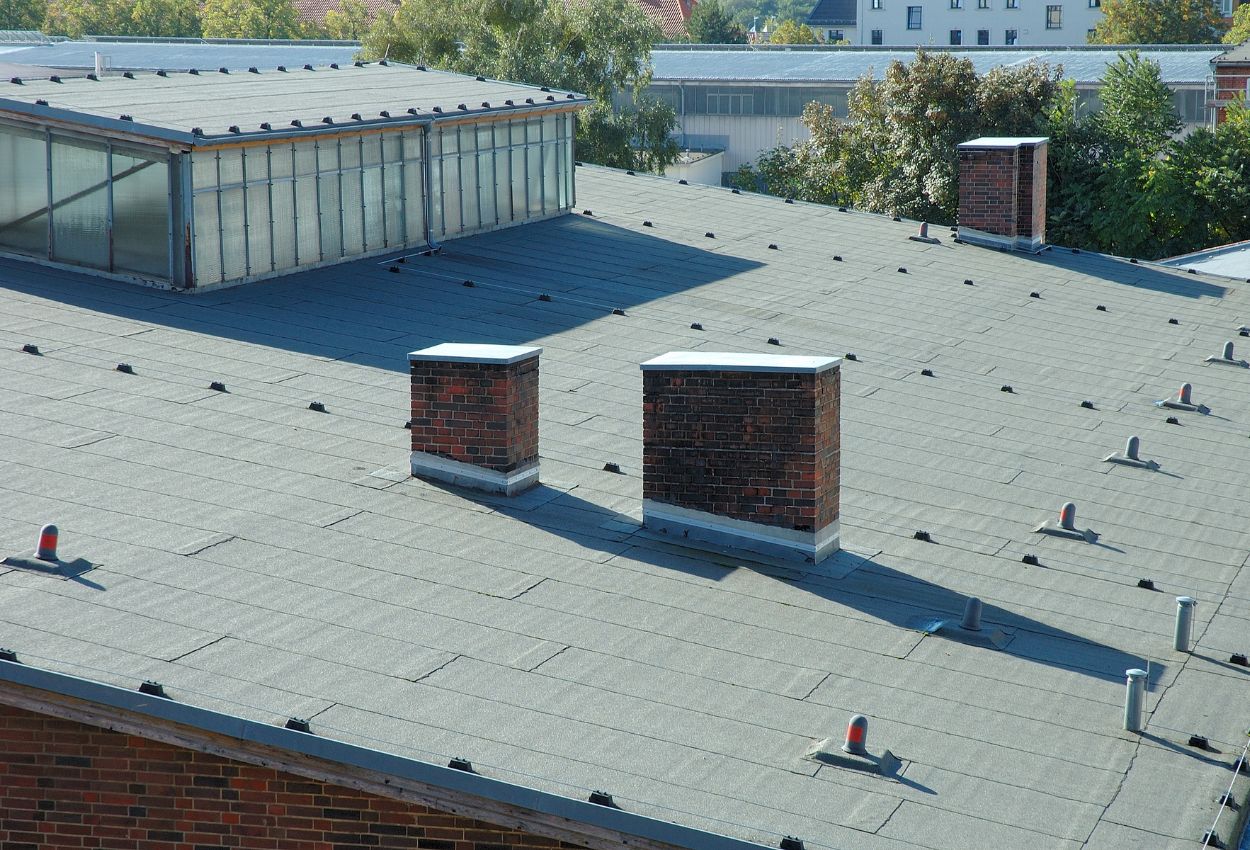
Collinsville sits in a part of Oklahoma where the weather rarely gives commercial roofs a break. Summers push temperatures into the 90s, winters drop into the 20s, and the repeated temperature changes in between cause roofing materials to expand and contract in ways that slowly work against seams, flashings, and membranes. Add in the region's roughly 50 inches of annual rainfall, high humidity, and a well-earned reputation for hail and high-wind storms, and you have conditions that can quietly turn a small roofing issue into a significant repair bill. For building owners and property managers, the risk is not just damage to the roof itself. It's the leaks, ponding water, and structural stress that follow when problems go undetected.
A complete commercial roof inspection gives you a clear picture of where your roof stands before those problems have a chance to grow. A. Fricker Roofing and Waterproofing works with commercial properties throughout the Collinsville area, inspecting everything from roof edges and drainage systems to membrane seams, gaps, and rooftop equipment. The goal is to catch what is not visible from the ground: early seam failures, debris-clogged drains, biological growth blocking drainage, and surface wear that signals deeper issues. With the right inspection on the right schedule, you protect your facility and avoid the kind of surprises that disrupt business operations and strain maintenance budgets.
How a Commercial Roof Inspection Works in Collinsville, OK
A commercial roof inspection is easier to plan for when you understand what each stage involves before the inspection begins. Here is how A. Fricker Roofing and Waterproofing performs the process from the initial scheduling through the final review.
- Step 1: Access Planning and Inspection Preparation
The inspection begins by coordinating a visit that works with your facility's operating schedule. Roof access points, interior areas that may require evaluation, rooftop equipment locations, and any ladder or roof hatch requirements are confirmed in advance. Addressing these details beforehand helps the inspection proceed safely and efficiently. - Step 2: Complete Roofing System Evaluation
Once access is established, the entire roofing system is inspected. The evaluation includes the membrane, flashing, gaps, seams, roof edges, drainage components, and rooftop mechanical equipment where present. The inspection also looks for standing water, debris accumulation, membrane deterioration, vegetation or biological growth, and areas that may indicate underlying roof deck issues requiring additional attention. - Step 3: Inspection Records and Condition Summary
All observations are organized into a documented record using photographs and written notes. Each condition is identified by its location, apparent severity, and visible characteristics to provide a full overview of the roof's current state and to support future maintenance planning. - Step 4: Condition Assessment and Repair Guidance
After the inspection is complete, the findings are reviewed in straightforward language. Areas requiring maintenance or repair are identified, while components that remain in serviceable condition are also noted. Recommendations are based solely on the conditions observed during the inspection, with explanations provided for each suggested course of action. - Step 5: Maintenance Strategy and Future Planning
The final discussion focuses on prioritizing any recommended work and establishing an appropriate inspection schedule for the property. Factors such as seasonal weather, storm exposure, roof age, and maintenance history are considered when discussing future inspections, so building owners and property managers have a practical plan for ongoing roof management.
What Gets Inspected on Commercial Roofs in Collinsville, OK
A complete commercial roof inspection covers far more than a quick look at the surface. In Collinsville, specific local conditions make certain parts of your roof especially vulnerable, and knowing what gets examined helps you understand the full value of a thorough inspection.
- Membrane surface: We look for punctures, cracks, and bubbling or open seams, which are common on flat commercial roofs and create direct entry points for water if left unaddressed.
- Drainage systems and slope: Clogged drains from debris and overhanging trees are a persistent issue here. We verify that drains are clear and that the roof slopes correctly to prevent ponding water, which weakens membranes over time.
- Flashings and gaps: Flashings around HVAC units, vents, and pitch pockets are checked for separation, rust, or improper pitch that allows water to collect at transitions.
- Biological growth: Moss, algae, and fungi thrive in the region's humidity. We identify growth patterns that block drainage or accelerate membrane deterioration.
- Roof deck and structural firmness: Soft or spongy spots underfoot signal moisture saturation in insulation layers that a visual check alone cannot confirm.
- Roof edges and expansion joints: Edge conditions and expansion joints are inspected for proper sealing, since failures here allow water to migrate beneath the membrane.
For most commercial roofs around 20,000 square feet, this process takes roughly one hour. Seasonal inspections in spring and fall are a solid baseline, with additional checks recommended after hail or high-wind storms, given Collinsville's weather patterns.
Hail and Wind Damage Detection
Collinsville sees frequent hailstorms that can damage fasteners, granule surfaces, and flashings in ways that aren't obvious until water is already getting in. We specifically look for hail impact patterns and wind uplift on roofing materials so damage gets identified and addressed before it adds up to something far more expensive.
Rooftop Equipment Stability Check
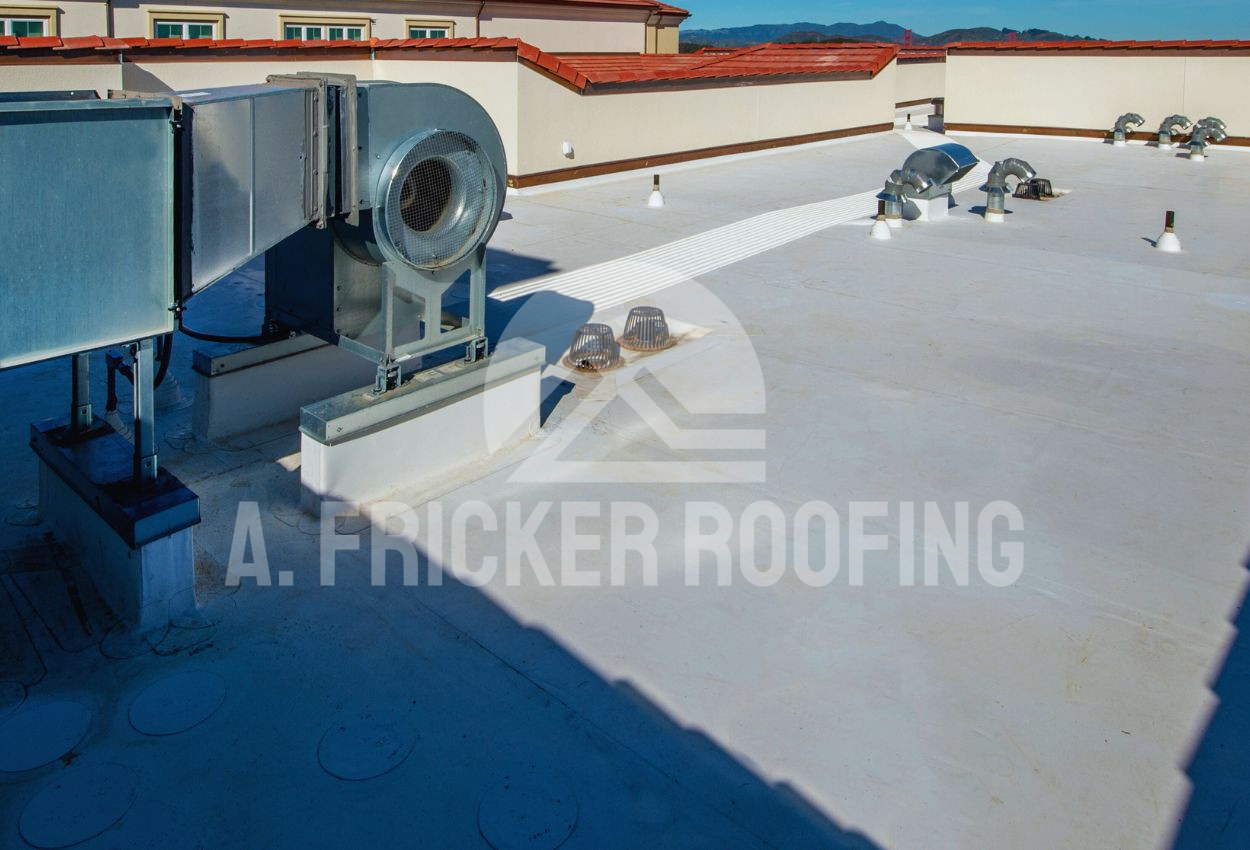
HVAC units, signage, and other rooftop installations create gap points and added weight that affect the surrounding membrane and flashings over time. We check each piece of equipment for secure mounting and inspect the areas around it for wear or separation that building owners often don't notice until a leak shows up inside the facility.
Post-Construction and Post-Installation Verification
If your roof has had recent work done, a follow-up inspection confirms that materials were installed correctly and that pitch pockets and expansion joints are properly configured to move water off the surface. This step protects your investment in the work you have already paid for and catches installation issues while they are still straightforward to correct.
Inspection Frequency Guidance Specific to Your Property
Not every commercial roof needs the same inspection schedule, and we tailor our recommendations based on your roof's age, current condition, and how often Collinsville's storms tend to impact your area of town. You leave with a clear, realistic inspection plan rather than a generic schedule that may leave your property under-monitored or over-serviced.
Schedule a Commercial Roof Inspection in Collinsville, OK
Oklahoma's weather puts consistent pressure on commercial roofs year after year. The seasonal swings, humidity, and storm activity common to this area mean that small issues, a lifted flashing, a slow drain, a seam starting to separate, rarely stay small for long without someone catching them early. Keeping your facility on a regular inspection schedule is one of the more practical ways to protect your property, extend the life of your roof, and avoid repairs that interrupt operations at the worst possible time.
A. Fricker Roofing and Waterproofing is familiar with what commercial roofs in Collinsville face and knows what to look for before problems get out of hand. When you are ready to get a clear picture of your roof's condition, we are straightforward to reach and ready to help.
Frequently Asked Questions
Got questions about your roof? We’ve got answers. From maintenance tips to insurance claims and repair timelines, our FAQ section covers the most common concerns homeowners have. Get informed and make confident decisions about protecting your home.
How does Collinsville's hail activity affect how often my commercial roof should be inspected?
Collinsville sits in a part of Oklahoma that sees hail regularly enough that a standard twice-a-year schedule may not be sufficient on its own. After any significant hailstorm, a follow-up inspection is worth scheduling even if the roof looks fine from the ground, because impact damage to fasteners, seams, and flashings often doesn't show itself until water has already found a way in. Think of spring and fall inspections as your baseline, with storm-triggered checks as a standing part of your maintenance plan.
What role do overhanging trees play in the condition of a commercial roof?
Trees close to a building deposit debris onto the surface of the roof consistently, and that debris tends to collect at drains and in low spots where water already wants to sit. Over time, clogged drains lead to ponding, and standing water breaks down membranes far faster than weather exposure alone. During an inspection, we flag debris accumulation and drainage blockages that trace directly back to nearby tree coverage, which is a factor many property managers don't connect to roof deterioration until the damage is already underway.
What does a soft or spongy spot on a commercial roof actually mean for the structure underneath?
When a section of roof feels soft underfoot, it typically means moisture has worked its way into the insulation layer beneath the membrane, saturating it in a way that visual checks alone won't catch. That saturated insulation loses its thermal value, adds weight to the roof assembly, and keeps the roof decking below it damp over time, which can lead to structural deterioration if it goes unaddressed. Identifying these areas during an inspection gives you the information needed to act before the damage spreads to the roof decking or support structure below.
We love hearing from our customers!
You don’t have to listen to what we say about the company, check out what others are saying!



schedule a consultation
Contact Form
allow us to earn your business!
