

Leading Roofing Contractor in Oklahoma
Storm Damage Roof Repair in Claremore, OK
4.9 Stars - Based on 708 User Reviews
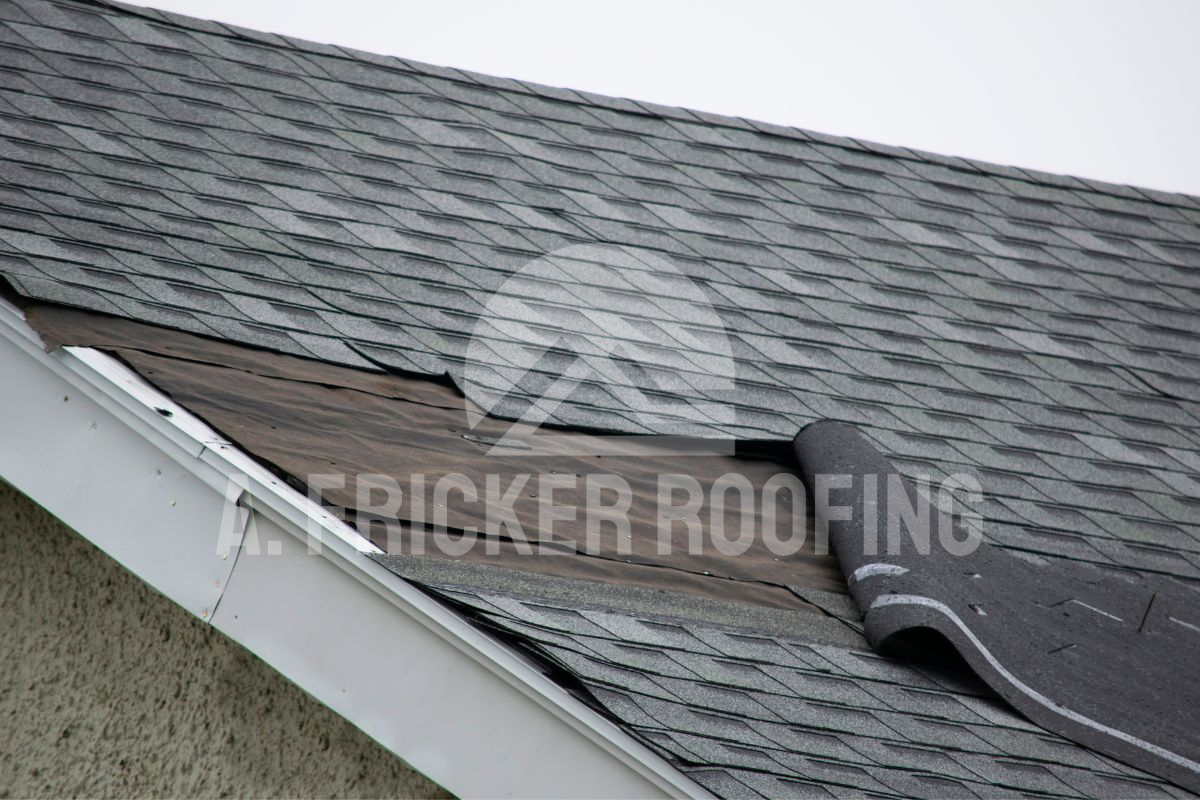
Claremore sits in a part of northeast Oklahoma where severe weather is not a rare event but a regular part of life. Spring and early summer bring the heaviest storms, with hail and high winds capable of tearing shingles loose, cracking flashing, and leaving small openings that let water work its way inside fast. Heavy rain does not give a damaged roof much time before a minor problem becomes a wet ceiling or soaked insulation. Then summer heat moves in, and any shingles already lifted or cracked from a storm start to deteriorate faster than they would otherwise. The combination of repeated storm exposure and wide temperature changes through the year puts roofing systems here under more stress than in calmer climates.
That stress shows up in predictable ways: granule loss on shingles, dented or separated flashing around pipe vents and roof edges, debris punctures, and water stains spreading across ceilings and walls. Older homes in established Claremore neighborhoods can be especially vulnerable because pre-existing wear sometimes hides storm damage until the next round of rain makes it obvious. A. Fricker Roofing and Waterproofing works with homeowners across Claremore and the surrounding Rogers County area to inspect roofs after severe weather, identify the full scale of damage, and get repairs completed before moisture has a chance to spread further into the structure.
How Storm Damage Roof Repair Works in Claremore, OK
Storm damage can happen without warning, and understanding the repair process ahead of time helps remove uncertainty when problems arise. Here is how A. Fricker Roofing and Waterproofing handles storm damage roof repairs from the initial inspection through the final review.
- Step 1: Roof Damage Evaluation
We begin by assessing the roof as soon as possible after storm activity. Shingles, flashing, roof gaps, gutters, and other exposed components are examined for signs of wind, hail, or debris-related damage. If water stains or active leaks are present inside the home, we investigate the roofing system to identify where moisture is entering. - Step 2: Condition Review and Repair Recommendations
After the inspection, we explain our findings in clear, straightforward terms. Damaged sections are identified along with areas that remain serviceable and portions of the roof that are performing as expected. If the damage is limited to a specific area, we focus on the repairs needed rather than recommending unnecessary work. - Step 3: Project Planning and Written Estimate
Once the repair requirements have been determined, we prepare a detailed written proposal outlining the work involved. This includes the affected areas, materials being used, and the repairs necessary to restore the roof. A clear estimate is provided so you know exactly what the project entails before scheduling begins. - Step 4: Storm Damage Repair Work
The repair process is completed based on the type and extent of the storm-related damage. Missing or damaged shingles are replaced, compromised flashing is repaired or exchanged, and vulnerable areas are addressed to help prevent future water intrusion. Most repairs can be completed within a few hours to a single day, depending on project requirements. - Step 5: Final Inspection and Project Review
After the repairs are complete, we perform a final inspection to verify that all work has been completed correctly. We review the completed repairs with you, confirm that damaged areas have been addressed, and ensure the roof is ready to continue protecting the home from future weather conditions.
Spotting Storm Roof Damage in Claremore, OK
After a storm moves through, knowing what to look for can help you act before a small problem turns into a bigger one. Some signs are obvious from the ground, but others take a trained eye to catch, especially on older homes where existing wear can blend with fresh damage.
- Shingles in the yard or on the ground: Wind-torn shingles are one of the clearest signs your roof took a hit and needs quick attention.
- Granule loss on shingles: Heavy hail can strip the granule coating from asphalt shingles, leaving them vulnerable to heat and moisture. Check your gutters and downspout discharge areas for gritty buildup.
- Dented or cracked flashing: Hail and airborne debris frequently damage the metal flashing around pipe vents, roof edges, and gaps. Cracked or separated flashing is a direct path for water to get under your roof.
- Debris impact areas: Tree limbs and windblown material can puncture shingles or dent softer roof parts like gutters and fascia boards. Even a small puncture lets rain in fast.
- Interior staining on ceilings or walls: Water stains inside your home after a storm often point to an active roof opening. The longer moisture sits, the more it spreads into drywall and insulation.
If widespread damage is present, a full replacement may be a better path than patching. Photographing damage before repairs begin is also useful if you plan to file an insurance claim.
Temporary Protection While You Wait for Repairs
When a storm leaves a significant opening in your roof, waiting for a full repair window is not always an option. We can apply emergency tarping to protect your home from additional rain and moisture until the permanent repair work is complete.
Roof Decking and Underlayment Attention
Storm damage often goes deeper than the shingles on top. If water has reached the roof decking or underlayment beneath, we address those layers directly so your new shingles have a solid, dry surface to sit on.
Flashing Repair and Resealing Around Roof Gaps
Pipe vents, chimneys, and roof edges are common weak points where storm damage accelerates existing seal failures. We repair or replace damaged flashing and reseal those transitions to close off the spots most likely to let water in.
Gutter and Fascia Damage from Debris Impact
Hail and windblown tree limbs frequently damage gutters and fascia boards along the roofline, and leaving those unaddressed can direct water back toward your home's foundation and siding. We include these areas in the scale of storm repair work so the full edge of your roof is protected, not just the field of shingles.

Get Storm Damage Repaired in Claremore, OK
Northeast Oklahoma's weather does not let up, and a roof that came through one storm season with minor damage may not hold up as well through the next. Heat, wind, and repeated wet and dry cycles work on any weak spot that did not get attention after the last severe storm. Taking care of storm repairs while the damage is still limited keeps your home protected and avoids the kind of repair bills that come with moisture that has had time to spread into the structure below the surface of the roof.
A. Fricker Roofing and Waterproofing is ready to help homeowners across Claremore and the Rogers County area get their roofs back in solid shape after a storm. If you have noticed anything after recent weather or just want a trained set of eyes on your roof before the next storm season, reach out, and we will take it from there.
Frequently Asked Questions
Got questions about your roof? We’ve got answers. From maintenance tips to insurance claims and repair timelines, our FAQ section covers the most common concerns homeowners have. Get informed and make confident decisions about protecting your home.
Can hail damage a roof even if the storm did not seem that severe?
Yes, and this catches a lot of Claremore homeowners off guard. Hail does not have to be golf ball-sized to strip granules off asphalt shingles or crack the sealant around flashing. Smaller stones hitting repeatedly across a roof surface can cause enough hidden damage that the next round of heavy rain reveals the problem in the form of ceiling stains or active leaks.
Why do some roof repairs in Claremore require more than just replacing shingles?
Storm damage rarely stops at the shingle surface. If water got through quickly, which it tends to do during the heavy rain common in this part of northeast Oklahoma, the roof deck or underlayment beneath may already be wet or weakened. Replacing shingles over compromised roof decking leaves the new material without proper support, which shortens how long the repair holds and creates the same problem again down the road.
Is there a better or worse time of year to have storm roof repairs done in Claremore?
The timing matters more than most people realize. Repairs made during summer heat need to account for how high temperatures affect material handling and seal curing, while repairs left until late fall can be complicated by cooler nights that slow adhesive bonding. The more important factor, though, is not to delay: in Claremore's climate, a damaged roof sitting through even a few weeks of summer heat can see lifted or cracked shingles deteriorate faster than they would in a milder season.
We love hearing from our customers!
You don’t have to listen to what we say about the company, check out what others are saying!




schedule a consultation
Contact Form
allow us to earn your business!
