

Leading Roofing Contractor in Oklahoma
Emergency Roof Repair in Claremore, OK
4.9 Stars - Based on 708 User Reviews
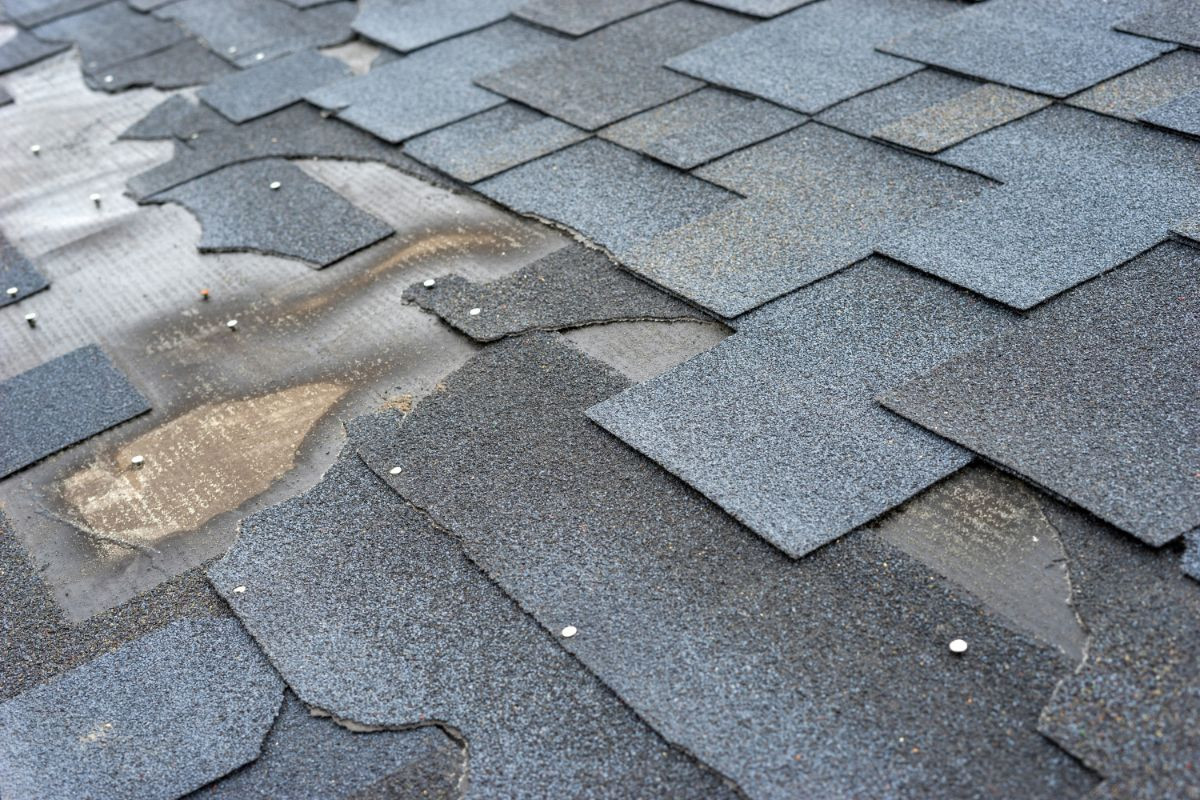
Claremore sits right in the path of some of Oklahoma's most unpredictable weather. Spring storms roll through with little warning, bringing hail, high winds, and heavy rain that can tear shingles loose, crack flashing, and leave your roof open to water in a matter of minutes. The area sees around 50 inches of rainfall each year, and a good portion of that arrives in wind-driven bursts that push water into places your roof was never meant to handle.
Add in summer heat that bakes roofing materials for months, and winter temperature changes that cause shingles to expand and contract repeatedly, and it becomes clear why roofs here take a beating over time. Older roofs are especially vulnerable, and when a storm hits, the damage rarely waits for a convenient time to show up. That kind of weather demands a fast, knowledgeable response. A leak that starts small after a storm can work its way into your attic, your insulation, and eventually your ceilings before you even realize how far the water has traveled.
A. Fricker Roofing and Waterproofing works with Claremore homeowners to stop that damage quickly, securing your roof with tarping or board-up services when needed and making permanent repairs as soon as conditions allow. The goal is to protect your home and your investment before a manageable problem becomes something far more expensive to fix.
How Emergency Roof Repair Works in Claremore, OK
Emergency roof damage requires fast action, but understanding each stage of the repair process helps you know what to expect after you make the call. Here is exactly how A. Fricker Roofing and Waterproofing handles emergency roof repairs from the initial response through the final walkthrough.
- Step 1: Immediate Response and Triage
When you contact us, we work quickly to assess the condition of your roof and identify the most urgent concerns. We look for visible storm damage, active leaks, exposed areas, and any conditions that could allow more water into your home. This initial evaluation helps determine what needs immediate attention before a complete inspection is performed. - Step 2: Temporary Stabilization and Protection
If the damage has left areas of the roof exposed, we take steps to protect your home while permanent repairs are being planned. This may include securing tarps, stabilizing damaged sections, or sealing vulnerable areas such as flashing, pipe boots, and valleys. The goal is to limit additional leaks and protect the interior of your home. - Step 3: Full Inspection Once Stabilized
After the roof has been secured, we perform a detailed inspection of the damaged areas and surrounding components. We check the roofing materials, flashing, roof decking, and areas where moisture may have moved into the structure. If drying or additional attention is needed due to water exposure, we explain the next steps clearly before moving forward. - Step 4: Permanent Solution Planning and Execution
Once the full condition of the roof is understood, we review the recommended repairs and explain why they are needed. If a targeted repair is enough to restore the affected area, we will tell you that directly. After approval, our team completes the permanent repair using materials and methods that properly restore the damaged sections of your roof. - Step 5: Prevention Guidance and Follow-up
After the repair is complete, we review the finished work with you and explain what was addressed. We also point out any areas that may require attention in the future and provide straightforward guidance on what to monitor. You leave with a clear understanding of the repair and the overall condition of your roof.
Common Emergency Roof Issues in Claremore, OK
Claremore's storm patterns tend to cause the same types of roof damage again and again. Knowing what to watch for after a severe storm can help you act quickly and protect your home before a small problem spreads.
- Lifted or missing ridge caps: High winds frequently target the ridge line first, leaving the peak of your roof exposed to rain and wind-driven moisture.
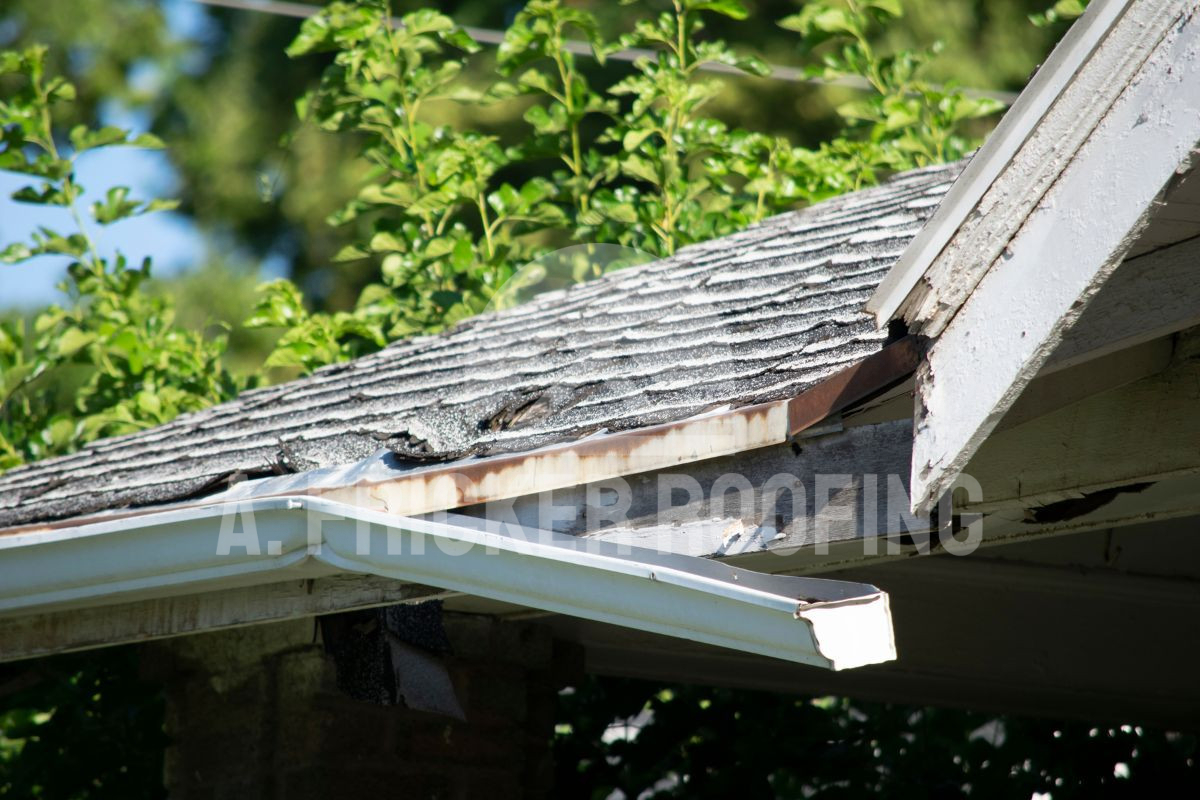
- Storm-blown shingle sections: Straight-line winds and tornadoes can peel back entire shingle sections, opening the roof decking to water almost immediately.
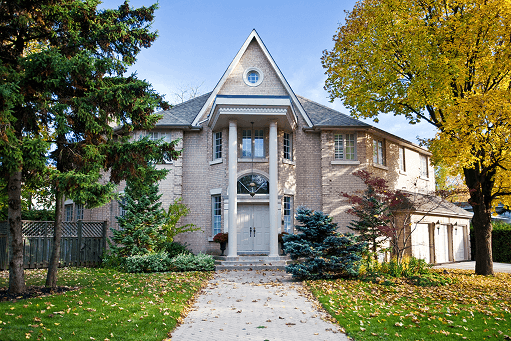
- Flashing failures at gable transitions: Older brick ranch homes around Claremore are particularly prone to hidden flashing separations that only become obvious during wind-driven rain.
- Leaking pipe boots and valleys: These gaps are common failure spots and often the first place water enters your home after a storm hits.
- Moisture deep in the structure: After a significant storm, water can travel well past the surface, soaking insulation and roof decking and creating conditions for mold if not dried out properly.
- Granule loss and surface wear: Finding granules collecting near your gutters or noticing uneven shingle texture can mean your roof is less equipped to handle the next storm than it looks.
Variable wind exposure across Claremore's neighborhoods means two homes can experience very different levels of damage from the same storm, so never assume your roof escaped unharmed just because nearby homes did.
Targeted Repairs for Wind-Specific Damage Patterns
Claremore's spring storm season brings straight-line winds and tornado-strength gusts that damage roofs in ways that differ from standard wear. We address wind-specific failures like shingle blow-off, separated ridge flashings, and lifted sections that leave the roof deck exposed, repairs that require matching your existing roofing materials as closely as possible so the finished result holds up and looks right.
Sealing Against Wind-Driven Rain at Vulnerable Roof Edges
Drip edges, rakes, and eave transitions are common entry points when rain arrives sideways during a storm. As part of the emergency repair, we reseal and secure these perimeter areas to keep wind-driven water from working underneath your roofing materials and into the structure below.
Professional Moisture Drying After Leaks
When water gets past your roof’s surface during a storm, it rarely stops at the roof deck. Professional drying of affected framing, insulation, and interior spaces is part of the emergency repair process because trapped moisture leads to mold and structural decay that becomes far more expensive to address later.
Material Compatibility and Blend Matching
Emergency repairs on older Claremore homes require careful attention to material selection so patched areas do not stand out or perform differently than the surrounding roof. We match shingle style, weight, and color as closely as available materials allow, protecting both the function and the appearance of your home.
Get Emergency Roof Repairs Done in Claremore, OK
Oklahoma weather does not give you much warning, and a roof that takes a hit during a storm can go from a minor leak to a serious interior problem faster than most homeowners expect. Acting quickly after damage occurs protects your home, keeps repair costs lower, and gives you confidence that your roof can handle whatever the next storm brings. The sooner a damaged roof gets secured and properly repaired, the less likely you are to face expensive follow-up work down the road.
A. Fricker Roofing and Waterproofing is here to help Claremore homeowners get their roofs back in solid shape without the stress or confusion. If you have noticed damage after a recent storm or spotted warning signs like stained ceilings or granules collecting near your gutters, reaching out sooner rather than later is always the right call. When you are ready, we are glad to take a look.
Frequently Asked Questions
Got questions about your roof? We’ve got answers. From maintenance tips to insurance claims and repair timelines, our FAQ section covers the most common concerns homeowners have. Get informed and make confident decisions about protecting your home.
Why do some Claremore neighborhoods seem to get worse roof damage than others during the same storm?
The terrain around Claremore creates pockets of variable wind exposure, meaning a storm tracking in one direction can hit certain streets much harder than others just a few blocks away. Elevation changes, tree coverage, and the orientation of your home on the lot all play a role in how much force your roof actually absorbs. This is why a neighbor's roof can come through a storm fine while yours takes a direct hit, so it is always worth having your roof checked after severe weather even if the surrounding area looks untouched.
What happens to older brick ranch homes in Claremore during wind-driven rain that would not happen on a newer house?
Brick ranch homes common to this area often have gable-end transitions where the flashing between the masonry and the roof deck can separate over time without any visible sign from the ground. During a standard rain, these separations may not cause any trouble, but when rain arrives sideways at storm speed, water is pushed directly into those gaps and straight into the wall cavity or attic. It is one of the more overlooked failure points in emergencies, and it often goes unnoticed until the ceiling stains appear well after the storm has passed.
Is there a point where temporary tarping is not enough to protect a home until permanent repairs can be scheduled?
Yes, and it depends on how much of the roof deck is exposed and what the weather forecast looks like in the days following the damage. A tarp handles a limited area of open roof well under typical conditions, but if roof decking is missing, severely warped, or soaked through, water can still work around or beneath the covering during the next rainfall. In those situations, partial repairs to the roof deck or additional layers of protection are done at the same time as the tarping so your home stays secure while full repairs are being planned.
We love hearing from our customers!
You don’t have to listen to what we say about the company, check out what others are saying!



schedule a consultation
Contact Form
allow us to earn your business!
