

Leading Roofing Contractor in Oklahoma
Commercial Roof Inspection in Claremore, OK
4.9 Stars - Based on 708 User Reviews
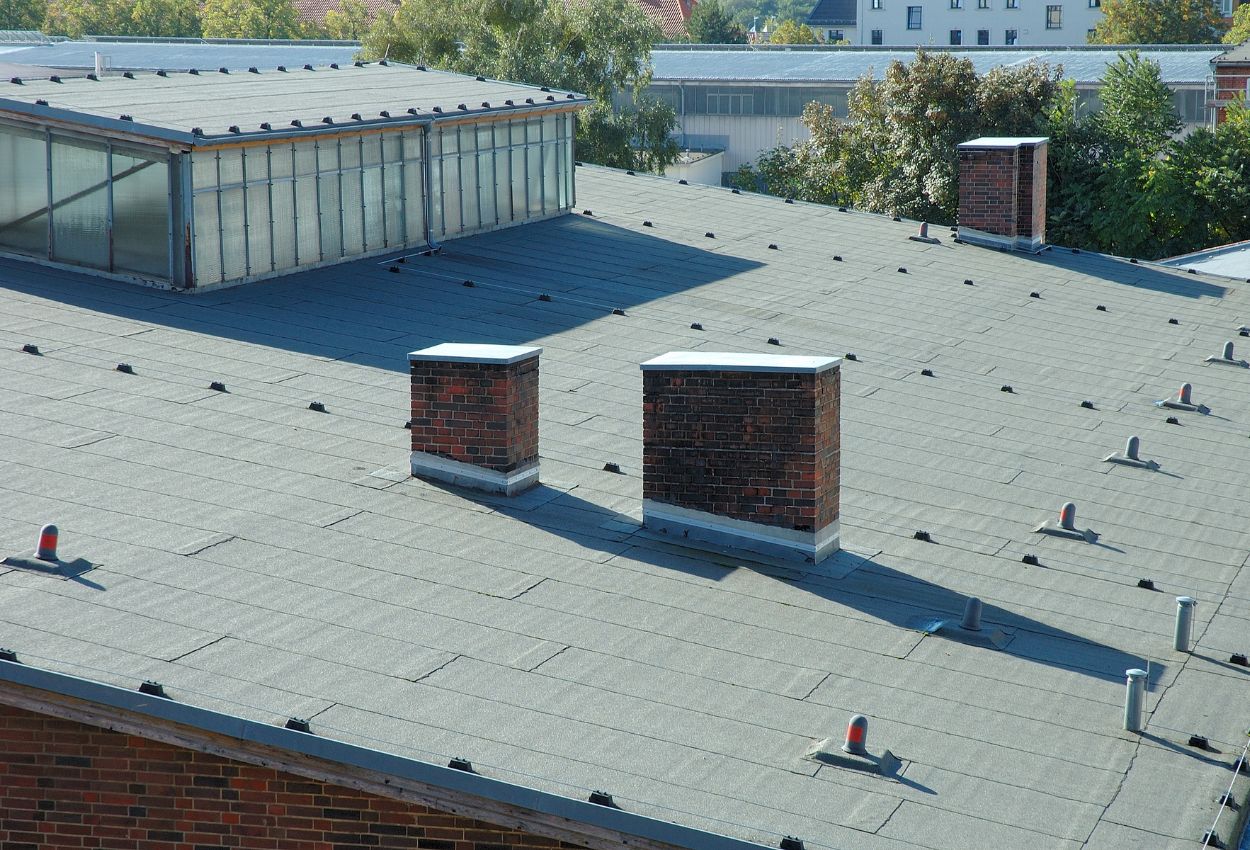
Claremore sits in a part of Oklahoma where the weather does not give commercial roofs much of a break. Fast-moving cold fronts can drop temperatures by 40 degrees or more within a single day, putting real stress on roofing membranes and accelerating cracking over time. Add in the roughly 50 inches of rain the area sees each year, along with regular hailstorms and stretches of intense summer heat, and you have conditions that quietly wear down even well-built commercial roofing systems. When building owners wait too long to act, what starts as a small seam gap or a slow drain can turn into significant interior damage affecting tenants, equipment, and day-to-day business operations.
A complete commercial roof inspection gives you a clear picture of exactly where your roof stands before small problems become expensive ones. At A. Fricker Roofing and Waterproofing, we work with building owners and property managers across Claremore who need straightforward answers about the condition of their roofs, not vague estimates or guesswork. Whether you are scheduling a routine annual inspection or following up after a recent hailstorm, getting a thorough look at your roof is the most practical way to protect your property and keep operations running without interruption.
How Our Commercial Roof Inspection Works in Claremore, OK
A commercial roof inspection is more valuable when you know how the process unfolds before the inspection begins. Here is how the inspection progresses from the initial scheduling through the final review of the findings.
- Step 1: Inspection Scheduling and Site Preparation
The process starts by coordinating an inspection time that fits your facility's operating schedule. Roof access procedures, entry requirements, and on-site points of contact are confirmed in advance so the inspection can be completed efficiently while minimizing disruption to building occupants and daily operations. - Step 2: Building Interior Assessment
The inspection begins inside the building with an evaluation of ceilings, walls, and other accessible areas for evidence of water intrusion. Following signs of moisture from the interior can help identify leak locations and direct closer examination of corresponding areas on the roof during the exterior assessment. - Step 3: Full Roof Evaluation
After the interior review, the surface of the roof is inspected in detail. The assessment includes the roofing membrane, seams, flashing, gap flashings, expansion joints, drainage components, roof edges, and other important details. Areas prone to standing water, accumulated debris, membrane deterioration, weather-related damage, and other visible deficiencies are carefully evaluated across the entire surface of the roof. - Step 4: Inspection Documentation and Condition Review
All observations are documented with photographs and written notes to provide a record of the roof's current condition. The inspection results are explained in straightforward language, with recommendations based solely on the conditions observed. When no repairs are warranted, that conclusion is communicated just as clearly. - Step 5: Maintenance Planning and Follow-Up Guidance
The final discussion focuses on the appropriate next steps for the roof. Whether the inspection identifies maintenance priorities, repair needs, or no immediate concerns, the findings are reviewed so building owners and property managers have a clear understanding of the roof's condition and can make informed planning decisions.
What We Look for During Inspections in Claremore, OK
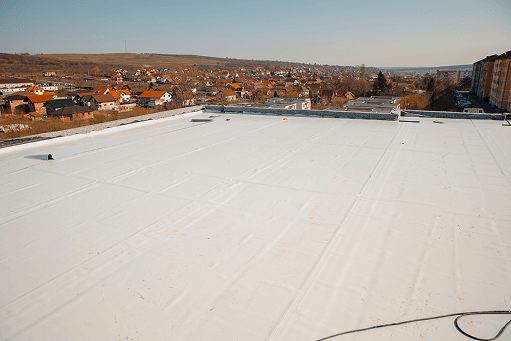
Flat and low-slope commercial roofs in Claremore face a specific set of stress points that show up repeatedly across TPO, EPDM, modified bitumen, and built-up systems. Knowing exactly where problems tend to develop helps you understand what our inspection findings mean for your facility and why certain areas get closer attention than others.
- Membrane condition: We look for bubbles, cracks, punctures, and tears across the full surface of the roof, paying close attention to areas where hail impact or prolonged heat exposure tends to cause the most wear.
- Seam adhesion: Gaps, peeling edges, or lifting seams are among the most common sources of leaks on commercial roofs and require careful inspection along every seam line.
- Flashing around gaps: Vents, curbs, pitch pockets, and perimeter edges are inspected for rust, misalignment, and corrosion that allow water to work its way beneath the membrane.
- Expansion joints and crickets: These areas experience movement as buildings shift and temperature changes stress the structure, which can open cracks or cause bulging over time.
- Drainage systems: Internal drains, gutters, and downspouts are checked for clogs or blockages that lead to ponding water, a condition that weakens membranes and encourages mold growth.
- Roof edges and perimeter materials: High winds in Claremore frequently lift perimeter materials, exposing insulation and creating entry points for water if not caught early.
- Ventilation: Adequate airflow is confirmed to allow moisture to evaporate and prevent long-term mold or mildew buildup beneath the roofing system.
Each of these areas tells part of a larger story about your roof's overall condition, and catching problems in any one of them early keeps repairs manageable and protects your building from the inside out.
Post-Storm Hail Damage Identification
Oklahoma hailstorms can leave punctures, tears, and surface bruising across a commercial roof membrane that are easy to miss without a trained eye. Identifying this damage quickly after a storm is the difference between a straightforward repair and a much larger problem down the road.
Roofing System Type Compatibility Check
Not every repair method or maintenance approach works the same across TPO, EPDM, modified bitumen, and built-up roofing systems. Part of your inspection includes confirming that your existing system is holding up as expected and that any future work will be compatible with your specific type of roof.
Code Compliance Review
Oklahoma building codes set specific requirements for commercial roofing systems, and a licensed contractor understands exactly what your roof needs to meet local standards. Knowing your roof is up to code protects your facility from liability and keeps you from surprises during future permitting or property transactions.
Written Condition Record for Your Property Files
Every inspection produces a documented record of your roof's current condition, including photos and notes you can reference for future planning or contractor conversations. Having that record on file gives you a reliable baseline to track how your roof ages over time and helps you make informed decisions about maintenance budgets.
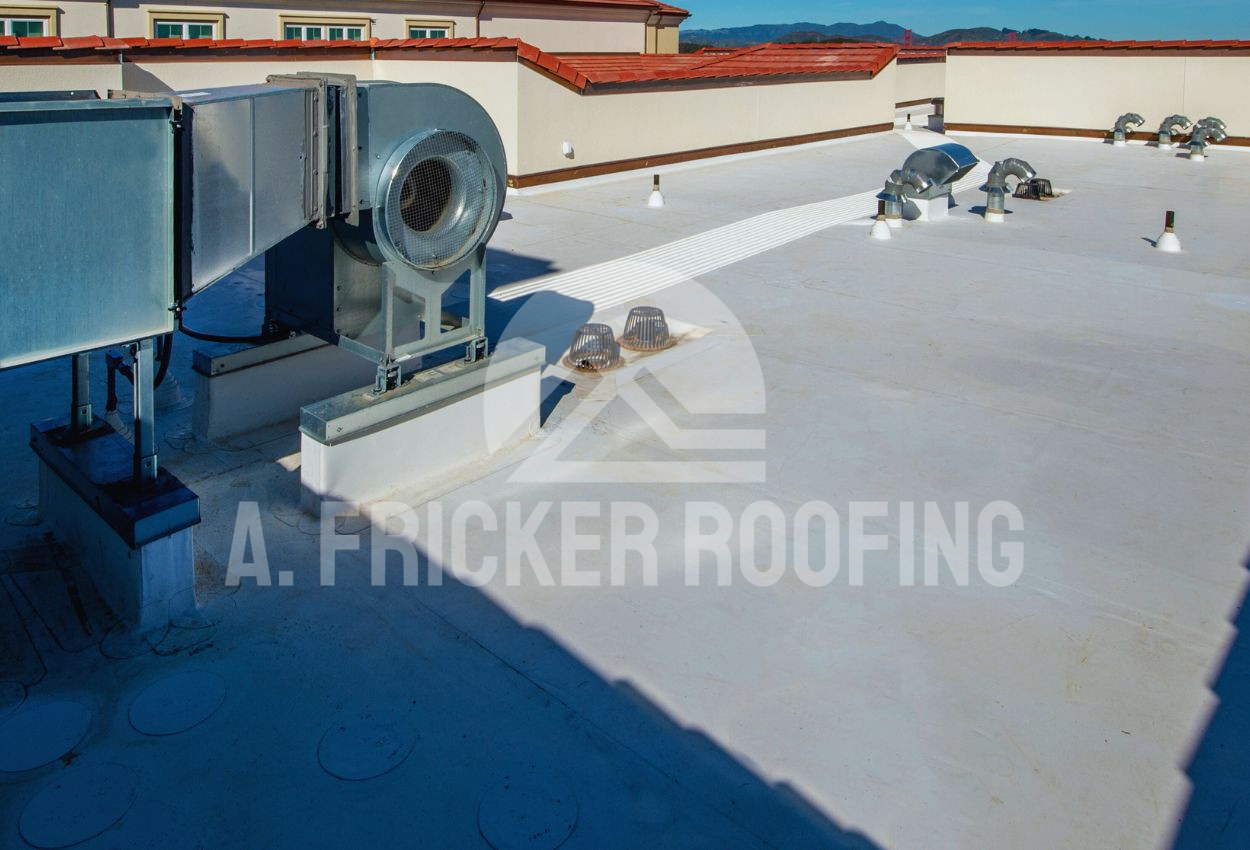
Schedule a Commercial Roof Inspection in Claremore, OK
Oklahoma weather keeps commercial roofing systems under steady pressure year-round. Temperature swings, heavy rainfall, and periodic hailstorms add up over time, and flat or low-slope roofs tend to show the effects before building owners realize there is an issue. Catching those early signs through a routine inspection extends the life of your roofing system, reduces long-term repair costs, and keeps your facility running without unexpected disruptions to tenants or daily operations.
A. Fricker Roofing and Waterproofing works with building owners and property managers across the Claremore area who want straightforward answers about their roofs. If you are ready to schedule an inspection or have questions about what the process looks like for your facility, reach out, and we will help you get the information you need.
Frequently Asked Questions
Got questions about your roof? We’ve got answers. From maintenance tips to insurance claims and repair timelines, our FAQ section covers the most common concerns homeowners have. Get informed and make confident decisions about protecting your home.
How do Oklahoma's fast-moving cold fronts specifically affect commercial roofing membranes in Claremore?
When temperatures drop dramatically in a matter of hours, roofing membranes contract rapidly, putting stress on seams and any areas where the material is already showing wear. Over several seasons, this repeated expansion and contraction can cause cracking and seam separation that would not show up as quickly in more stable climates. That is one reason building owners in Claremore benefit from inspections in both fall and spring, not just after obvious storms.
Should I schedule an inspection before or after a tenant moves into my commercial building?
Getting an inspection before a new tenant takes occupancy gives you a documented baseline of the roof's condition, which protects you from disputes later if a leak develops and questions arise about when damage actually occurred. It also lets you address any existing issues before they become a tenant concern or interfere with business operations in the space. Having that written record on file from day one is a practical step most building owners overlook until a problem comes up.
Does flat roof ponding water in Claremore cause problems even when it eventually drains on its own?
Yes, because even water that drains within a day or 2 leaves behind sediment, organic material, and prolonged moisture exposure that weakens the membrane over time. Repeated ponding accelerates wear in the same spots, and the added weight stresses the roof deck in ways that are not always visible until the damage is significant. An inspection can identify whether your drainage system is keeping up with Claremore's heavy rain storms or gradually falling behind in ways that will matter later.
We love hearing from our customers!
You don’t have to listen to what we say about the company, check out what others are saying!



schedule a consultation
Contact Form
allow us to earn your business!
