

Leading Roofing Contractor in Oklahoma
Storm Damage Roof Repair in Catoosa, OK
4.9 Stars - Based on 708 User Reviews
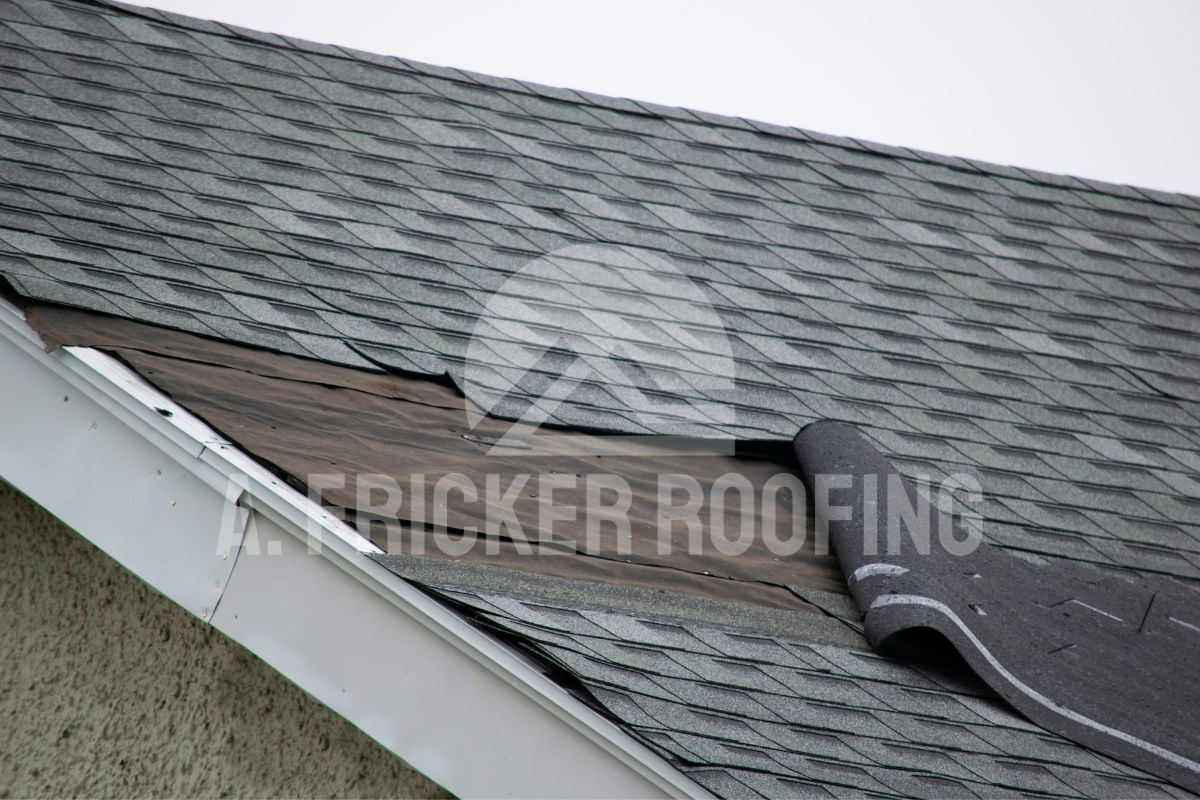
Catoosa sits right in the heart of severe weather country. Spring storms roll through fast, bringing hail, heavy rain, and wind gusts strong enough to lift shingles, crack flashing, and leave gaps where water can work its way in. The problem is that a lot of this damage is easy to miss from the ground. Impact bruising from smaller hailstones, granule loss, or a slightly lifted ridge cap can all look fine at a glance but quietly allow leaks to develop over the following weeks. In a climate where late spring rain keeps coming, and humidity stays high, that kind of hidden damage tends to get worse before most homeowners realize anything is wrong.
Getting the right repairs done quickly, by someone who knows what to look for after a Catoosa storm, makes a real difference in how long your roof holds up. A. Fricker Roofing and Waterproofing works with homeowners across the area to inspect storm-affected roofs and handle repairs that protect the existing system, whether that means replacing lifted shingles, resealing flashing, fixing damaged ridge caps, or addressing areas where granule loss has left the underlying material exposed. When only parts of your roof are affected, targeted repairs done right can extend the life of your entire roof and keep your home dry through whatever the next storm season brings.
How Storm Damage Roof Repair Works in Catoosa, OK
Storm damage is not always obvious from the ground, particularly when hail or wind leaves behind smaller issues that can develop into leaks later. A. Fricker Roofing and Waterproofing checks the roof for visible and less obvious damage, then recommends repairs based on what the inspection actually reveals.
- Step 1: Inspect the Roof for Storm-Related Damage
We examine the roof for damage to shingles, flashing, ridge caps, and vents, along with lifted edges and areas where granules have been lost. Hail can leave bruising that is difficult to spot from the ground, while small gaps around flashing may allow water inside without creating an obvious exterior opening. The inspection helps uncover these conditions before repairs are planned. - Step 2: Explain What the Inspection Reveals
Our findings are reviewed with you in straightforward terms, including the areas that need attention and those that remain in good condition. When damage is limited to certain sections, we identify those areas specifically rather than recommending repairs that are not supported by the inspection. - Step 3: Establish the Repair Details
Before any work begins, you receive a clear outline of the recommended repairs and what each part of the job involves. This gives you a defined understanding of which areas will be addressed and prevents unexpected additions from being introduced after the work is underway. - Step 4: Repair the Storm Damage
Depending on the conditions found, repairs may involve replacing lifted or cracked shingles, resealing flashing, addressing areas with granule loss, and closing gaps caused by the storm. Most standard repairs are completed within a few hours to 1 day, depending on the amount of damage that needs to be addressed. - Step 5: Inspect the Completed Repairs
The repaired areas are checked before we leave to verify that the work has been completed and the affected areas are properly sealed. We then review the repairs with you, explain what was addressed, and point out anything worth monitoring as the roof is exposed to future Oklahoma weather.
What Storm Damage Looks Like in Catoosa, OK
Storms in this part of Oklahoma can leave behind damage that ranges from obvious to nearly invisible. Knowing what to look for after a severe storm helps you catch problems before they turn into leaks inside your home. Some of the most serious damage after a hail or windstorm is hidden in places that are easy to overlook without getting up on the roof.
| Damage Type | Common Cause | Why It Matters |
|---|---|---|
| Granule loss on shingles | Hail impact or strong wind | Exposes the underlying material to sun and rain |
| Lifted or curling shingles | High wind gusts | Creates gaps where water can get underneath |
| Impact bruising | Smaller hailstones | Weakens the shingle surface without visible cracking |
| Flashing gaps or breaks | Wind stress or seal failure | Allows water to enter around vents, ridges, and edges |
| Damaged ridge caps | Wind lifting along the peak | Leaves the highest and most exposed area unprotected |
In a humid environment like Catoosa, any opening left behind after a storm becomes a path for moisture to work into the roofing system. Warm-season storms tend to be followed by more rain, so even minor damage can lead to bigger problems quickly if it goes unaddressed.
Shingle Replacement With Material Matching
When storm damage affects only part of your roof, the replacement shingles need to match the existing surface in weight, profile, and color as closely as possible. A mismatched repair can leave your roof more vulnerable at the transition points and affect the overall appearance of your home.
Flashing Repair and Resealing Around Roof Gaps
Vents, chimneys, skylights, and roof edges are common spots where storm-stressed flashing pulls away or cracks the surrounding seal. Repairing and resealing these areas is a standard part of storm damage repair because even a small gap here can allow water to reach the roof decking below.
Roof Deck Inspection While the Roof Is Open
Once damaged shingles or flashing are removed, the roof decking beneath gets a close look for soft spots, rot, or moisture damage that may have developed before or during the storm. Catching and addressing roof deck issues at this stage prevents a much bigger and more expensive problem later.
Permit-Ready Repairs That Meet Local Code
Roofing work in Catoosa can require a building permit depending on the scale of repairs, and working with a contractor who understands local requirements keeps your project on the right side of Rogers County building standards. Permit-compliant repairs also protect you when it comes time to sell your home or verify that work was done correctly.

Get Your Storm Damage Repaired in Catoosa, OK
Warm-season storms in this part of Oklahoma have a way of moving through fast and leaving behind damage that is not always obvious right away. Shingles that look intact from the ground can have hidden bruising, and small flashing gaps can let moisture reach your roof deck long before you notice anything inside the house. Catching and repairing that kind of damage quickly protects your home and helps you avoid far more expensive repairs down the road, especially heading into the wetter stretch of late spring and early summer.
A. Fricker Roofing and Waterproofing is familiar with how storms affect roofs across Catoosa and the surrounding area. If your home took a hit this storm season, or if you just want to know where things stand, reaching out is a simple first step. A thorough roof inspection is the best way to know for certain what your roof needs and what it does not.
Frequently Asked Questions
Got questions about your roof? We’ve got answers. From maintenance tips to insurance claims and repair timelines, our FAQ section covers the most common concerns homeowners have. Get informed and make confident decisions about protecting your home.
Does my roof need attention even if I did not see any obvious damage after the storm?
Yes, and this is one of the most common situations homeowners in Catoosa face after a severe thunderstorm. Hailstones under an inch can bruise shingles without leaving a visible mark from the ground, and wind near 60 mph or higher can lift shingle edges just enough to break the seal without tearing them off completely. Those kinds of issues only show up as leaks weeks later, often after the next round of rain moves through.
Can storm damage affect my roof in spots that were already showing wear before the storm hit?
Absolutely, and older or aging sections of a roof are typically the first places where storm damage takes hold. A shingle that was already losing granules or a flashing seal that had started to pull away does not take much wind or hail to push it into full failure. This is one reason a post-storm inspection looks at the condition of the entire roof, not just the areas with the most obvious impact.
Why does storm damage in Catoosa sometimes affect more than one section of the roof even when the storm seemed to pass quickly?
Severe thunderstorms in northeastern Oklahoma often shift direction as they move through, which means wind and hail can strike different roof slopes at different angles during a single storm. A storm that looks like it hit from one direction at street level may have driven rain and debris under shingle edges on multiple sides of the roof. That is why a complete inspection after any significant storm matters, rather than checking only the side of the house that took the most visible hit.
We love hearing from our customers!
You don’t have to listen to what we say about the company, check out what others are saying!




schedule a consultation
Contact Form
allow us to earn your business!
