

Leading Roofing Contractor in Oklahoma
Residential Roof Repair in Catoosa, OK
4.9 Stars - Based on 708 User Reviews
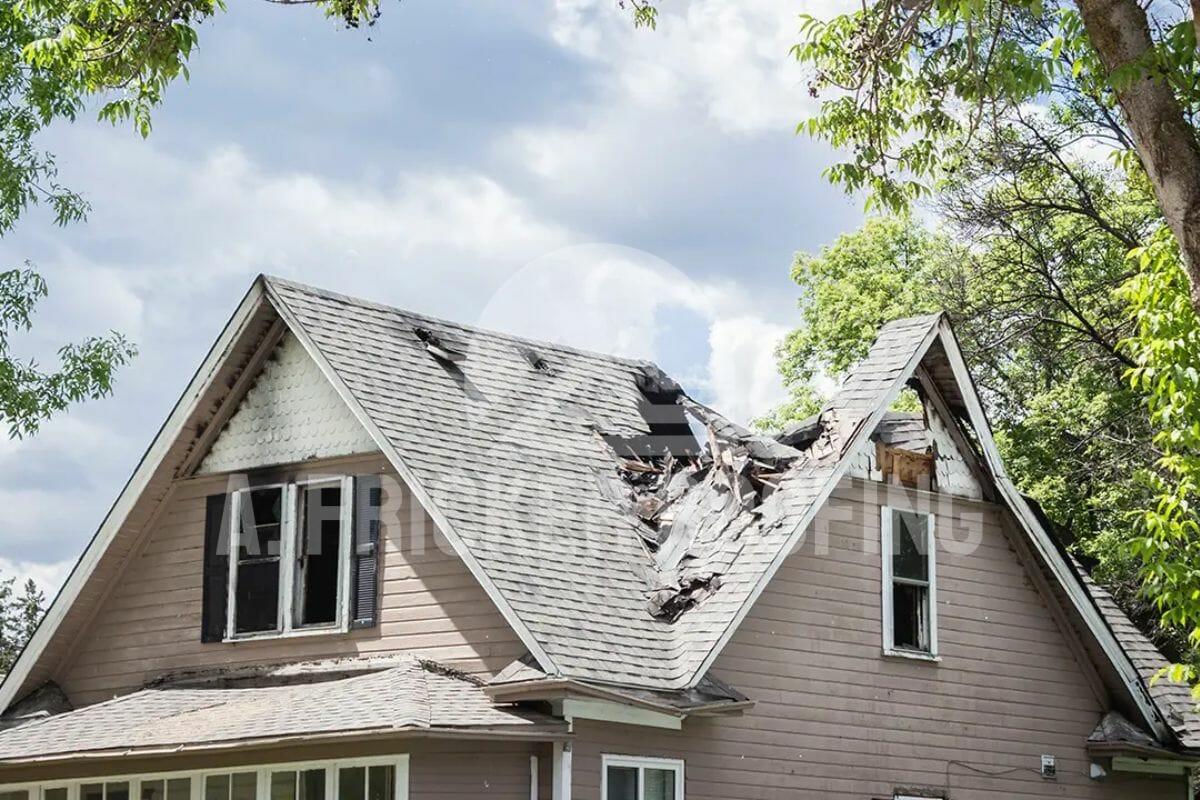
Living in Catoosa means your roof takes a beating year after year. Northeast Oklahoma weather is not gentle, and Rogers County sits right in the path of storm systems that bring heavy rain, strong winds, and hail more often than many homeowners expect. When those storms roll through, they lift shingle tabs, crack seals, and leave flashing loose in ways that are not always visible from the ground. Left unchecked, even minor damage can let water find its way in before the next round of rain arrives.
The challenge is that this area does not get just one type of severe weather. A single storm can bring high winds and hail together, which means your roof may be dealing with several kinds of damage at once. Older roofs are especially vulnerable because worn shingles and aging seals have less give. Areas like eaves, valleys, and ridge lines tend to show problems first, and those are exactly the spots where small gaps turn into leaks that spread fast.
A. Fricker Roofing and Waterproofing works with Catoosa homeowners who want straight answers about what their roof actually needs. Whether you noticed a problem after a recent storm or you have not had your roof looked at in years, getting a proper inspection before the next heavy rain season is one of the smartest things you can do to protect your home.
How Residential Roof Repair Works in Catoosa, OK
Roof repairs can range from a small localized issue to damage that affects a larger section of the roof. A. Fricker Roofing and Waterproofing evaluates the condition first, explains the available approach, and completes only the work the roof actually requires.
- Step 1: Examine the Roof’s Condition
A close inspection gives us the information needed to identify the source of the problem. We check shingles, flashing, eaves, valleys, and ridge lines for lifted tabs, cracked seals, and other conditions that may allow water into the home. This helps determine whether the issue you noticed is isolated or part of a larger concern. - Step 2: Explain the Findings and Repair Options
With the problem identified, we explain what we found in straightforward terms and discuss the appropriate way to address it. When damage is limited to one area, we make that clear. If a targeted repair is sufficient, we explain why a full replacement is not needed rather than recommending work beyond what the roof requires. - Step 3: Define the Repair and Pricing
The planned repair is laid out before any work is scheduled, including what needs to be addressed and what the job will cost. Recommendations are based on the inspection findings, with the work limited to what is actually necessary to resolve the identified problem. - Step 4: Complete the Repair
Most residential roof repairs in Catoosa take anywhere from a few hours to a full day, depending on the extent of the damage. Throughout the work, our crew takes care around your home and leaves the work area clean after the repair is finished. - Step 5: Check the Completed Work
The repaired areas receive a final review before we leave to make sure everything is sealed and secure. We also go over the completed work with you, explaining what was addressed and what to keep an eye on as you monitor the roof going forward.
Common Roof Repair Issues in Catoosa, OK
Northeast Oklahoma’s storm patterns put residential roofs through a lot, and the damage does not always show up in obvious ways. Knowing what to look for after a storm can help you catch problems early before they turn into something much harder to fix.
| Damage Type | Common Cause | Where to Check |
|---|---|---|
| Lifted or missing shingles | Strong winds and thunderstorm outflow | Ridge lines, eaves, and roof edges |
| Cracked or bruised shingles | Hail impact during severe storms | Flat roof sections and exposed field areas |
| Broken flashing seals | Wind stress and temperature changes | Valleys, pipe boots, and roof gaps |
| Granule loss | Repeated hail strikes or aging shingles | Gutters and downspouts after storms |
| Active leaks or water stains | Combined wind and hail damage left unrepaired | Attic roof decking and interior ceilings |
Hail and wind rarely arrive separately in this part of Rogers County, so your roof may show several of these issues at once after a major storm. Checking your attic and gutters after severe weather gives you early clues that something is wrong before visible damage appears inside your home. Catching these problems in spring or early fall, before the wettest stretch of the year hits, keeps small repairs from becoming much larger ones.
Shingle Replacement for Impact and Wind Damage
When hail cracks shingle surfaces or wind breaks the seal between tabs, individual shingles can be replaced without touching the rest of the roof. This targeted approach addresses the specific damaged area and restores your roof’s ability to shed water properly before the next storm arrives.
Flashing Repair and Resealing
Flashing around pipe boots, chimneys, and valleys is one of the first places water gets in when seals break down from wind stress or temperature changes. Repairing or resealing flashing at these gap points closes off the entry paths that cause interior water stains and attic damage.
Roof Decking Repair for Storm-Softened Areas
If hail or a long-standing leak has weakened the wooden roof decking beneath your shingles, new surface material will not hold properly without addressing what is underneath first. Replacing soft or damaged roof decking sections before new shingles go down gives the repair a solid foundation that holds up over time.
Valley and Ridge Line Reinforcement
Valleys channel large volumes of rainwater off your roof, and ridge lines take the most direct wind exposure during storms. Reinforcing these high-stress areas with proper materials and secure attachment helps your roof handle Catoosa’s combined hail and wind storms without developing new weak points.
Get Your Roof Repaired Right in Catoosa, OK
Catoosa’s weather keeps residential roofs under steady pressure through much of the year. Between the wet stretch that runs through late spring and early summer and the temperature swings that stress shingle seals from one season to the next, small damage tends to move quickly if it goes unaddressed. Getting repairs handled before the heaviest rain arrives protects your home from the kind of water damage that quietly spreads through attic roof decking and ceilings before you ever notice a stain inside.
A. Fricker Roofing and Waterproofing is familiar with what Catoosa roofs go through and how to fix what the weather leaves behind. If you have spotted something that does not look right, or you just want a set of experienced eyes on your roof before the next storm season, reaching out is a good place to start. We are happy to take a look and give you a straight answer about what your roof actually needs.
Frequently Asked Questions
Got questions about your roof? We’ve got answers. From maintenance tips to insurance claims and repair timelines, our FAQ section covers the most common concerns homeowners have. Get informed and make confident decisions about protecting your home.
Is it worth repairing my roof if it already has some age on it, or should I just replace it?
Age alone does not determine whether a repair makes sense. If the damage is limited to a specific area and the rest of the roof is still structurally sound, a targeted repair is often the right call and can add several more years of service. A thorough inspection will tell you whether the roof has enough life left to justify the repair or whether replacement would be the better investment at this point.
Does Catoosa require a permit for roof repairs, or is that only for full replacements?
Permit requirements in Catoosa generally apply to full replacements, but the specifics can depend on the scale of the work being done. For smaller targeted repairs, a permit is typically not required, though it’s always worth confirming with the city before work begins. Your roofing contractor should be familiar with what is required locally and can help clarify what applies to your specific job.
Why do my shingles keep lifting near the eaves and edges even after repairs?
Repeated lifting in those areas usually points to an underlying attachment or ventilation issue rather than just storm damage. Poor attic ventilation traps heat and moisture that can weaken the bond between shingles and the roof decking over time, making edges more vulnerable every time strong winds come through. Addressing the root cause alongside the surface repair keeps the same problem from returning after the next storm.
We love hearing from our customers!
You don’t have to listen to what we say about the company, check out what others are saying!



schedule a consultation
Contact Form
allow us to earn your business!
