

Leading Roofing Contractor in Oklahoma
Residential Roof Inspection in Catoosa, OK
4.9 Stars - Based on 708 User Reviews
Catoosa sits in northeastern Oklahoma where the weather does not stay quiet for long. Summers push temperatures into the 90s, winter brings freezing nights and occasional snow, and the area sees around 40 to 42 inches of rain annually. Layered on top of that, Rogers County sits in a corridor where hail and strong winds are a regular part of storm season. Hail as small as around 1 inch can damage shingles, and winds over about 50 mph are enough to lift or lose them entirely. For homeowners, that combination means roof damage is not always dramatic or obvious. Loose flashing, cracked sealant, and granule loss can develop quietly after a storm and go unnoticed until water finds its way inside.
Homes in Catoosa tend to be older, with many built around 1985 or earlier. A roof on a home that age has been through decades of Oklahoma weather, and the wear adds up in ways that are easy to miss from the ground. Lifted ridge caps, failing seals around chimneys and vents, and shingle damage on the windward side of a roof often require a trained eye to catch early. A professional residential roof inspection gives you a clear picture of where your roof stands before a small problem turns into an expensive repair.
A. Fricker Roofing and Waterproofing works with Catoosa homeowners who want routine inspections and those who have questions after a storm. The goal is the same in both cases: find what the roof needs now so you can make informed decisions and protect your investment in your property.
How a Residential Roof Inspection Works in Catoosa, OK
Knowing what to expect from start to finish makes the whole process easier and puts you in control of decisions about your home.
- Step 1: Scheduling and Access Coordination
You contact A. Fricker Roofing and Waterproofing, and we find a time that works for your schedule. We ask a few basic questions upfront, like your home's age and whether you've noticed anything unusual, so we arrive prepared. Getting access to the full roof and attic area helps us do a complete job from the start. - Step 2: Thorough Inspection of the Roofing System
We inspect the entire surface of the roof, including shingles, flashing around chimneys and vents, ridge caps, drip edges, and drainage points. We look for granule loss, lifted or missing shingles, cracked sealant, and any areas where water could get in. We also check spots that are easy to miss from the ground but often show the earliest signs of trouble. - Step 3: Documentation of Findings
As we work through the inspection, we document what we find with notes and photos. This gives you a clear record of your roof's current condition. If there are problem areas, you will see exactly where they are and what they look like. - Step 4: Honest Evaluation and Recommendations
We walk you through what we found in plain language. If the roof is in good shape, we tell you that. If repairs are needed, we explain what they are and why. We only recommend work that is actually required, nothing more. - Step 5: Clear Next Steps
You leave the conversation knowing exactly where things stand. If no work is needed, we let you know what to watch for going forward. If repairs make sense, we outline your options so you can decide with confidence.
What Gets Inspected on Your Catoosa, OK Roof
A complete residential roof inspection covers more than a quick look at the surface. Catoosa homes face real storm exposure year after year, and damage tends to hide in specific spots that require a closer look than you can get from your driveway.
- Shingle condition: Checking for granule loss, cracked or curling edges, lifted sections, and impact bruising from hail
- Flashing around gaps: Inspecting seals at chimneys, vents, and skylights where cracked or lifted flashing is a common entry point for leaks.
- Ridge caps and edges: Looking for loose or displaced caps along the ridge line and drip edges that have pulled away from the roofline
- Windward-facing sections: Paying close attention to areas that take the most direct hit from Oklahoma storm winds, where shingle damage often appears first
- Gutters and drainage: Checking for granule buildup, blockages, and any sign that water is not moving away from the home properly
- Attic and interior indicators: Looking for moisture, daylight gaps, or staining that signals a problem the surface alone may not reveal
For older homes, which make up a large share of Catoosa's housing, these inspection areas carry extra weight. A roof that has been through decades of Oklahoma weather deserves a closer look, and catching small failures early keeps minor issues from becoming expensive ones.
Inspection Frequency Guidance for Your Specific Roof
After the inspection, you'll get a clear recommendation on how often your roof should be checked going forward based on its age and current condition. Roofs on older Catoosa homes, especially those past the 20-year mark, often benefit from annual checks rather than the standard twice-a-year schedule.
Post-Storm Timing Recommendations
Beyond routine spring and fall inspections, A. Fricker Roofing and Waterproofing can help you identify the right time to schedule a follow-up inspection after bad hail or wind storms. Because damage from storms in this area is not always visible right away, knowing when to call matters as much as knowing what to look for.
Written Record of Roof Condition Over Time
The documentation from each inspection gives you a baseline you can reference for future inspections, repair decisions, or when you sell your home. For a Catoosa home in the $180,000 to $230,000 range, having a clear record of roof upkeep supports your investment in your property over the long term.
Ground-Level Limitations Addressed
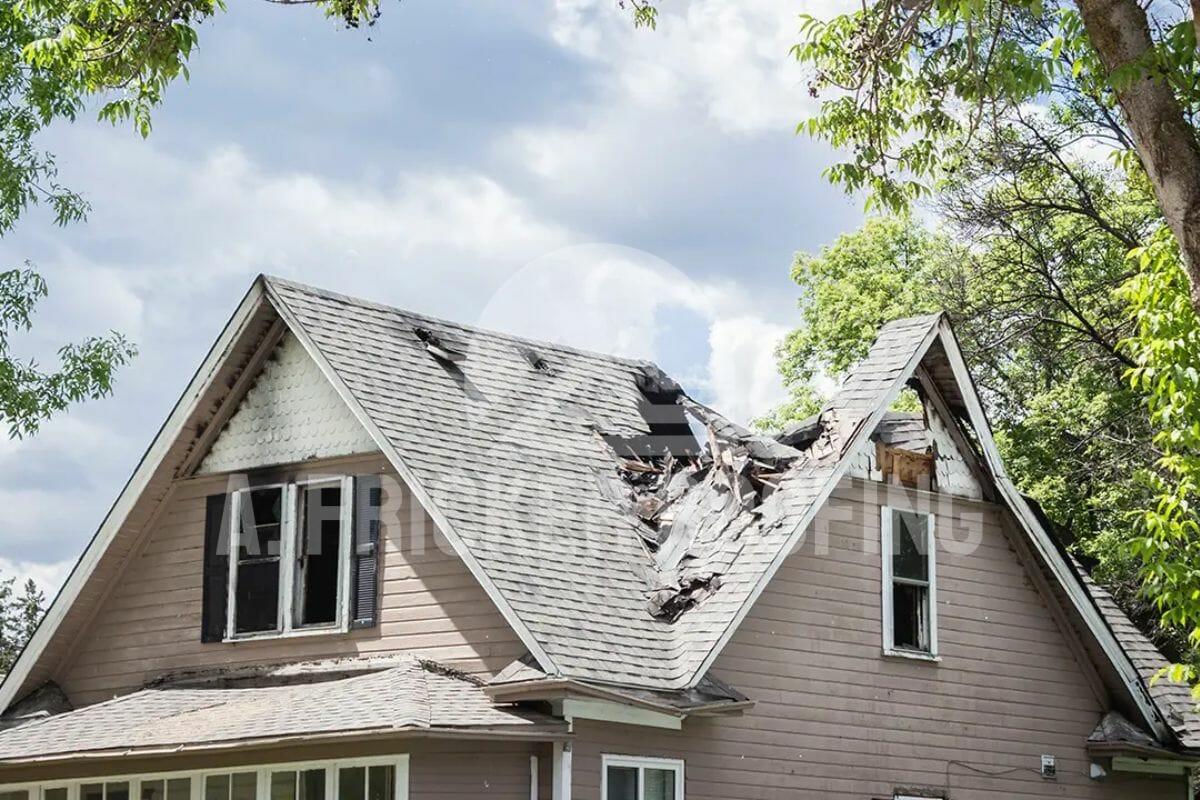
Some of the most telling signs of roof trouble, including loose ridge caps, failing vent seals, and hail bruising on shingle surfaces, are nearly impossible to spot without getting on the roof. A hands-on inspection covers the areas that a walk around your yard simply cannot reach.
Schedule Your Residential Roof Inspection in Catoosa, OK
Homes in this part of northeastern Oklahoma take a beating year after year, and the damage that matters most is often what you cannot see from the ground. A residential roof inspection gives you an honest look at where things stand so you are not caught off guard when the next round of heavy rain or strong winds rolls through. For a home that represents years of investment in your property, knowing your roof is in good shape is worth a lot more than finding out it was not after the fact.
If your home is overdue for a routine inspection or you want a closer look after recent weather, A. Fricker Roofing and Waterproofing is ready to help. Reach out when you are ready, and we will get something on the schedule that works for you.
Frequently Asked Questions
Got questions about your roof? We’ve got answers. From maintenance tips to insurance claims and repair timelines, our FAQ section covers the most common concerns homeowners have. Get informed and make confident decisions about protecting your home.
Does my roof really need an inspection if the storm seemed minor and I don't see any damage inside?
Yes, and this is one of the most common situations where hidden damage gets missed. Hail bruising, cracked sealant, and lifted flashing often do not produce visible leaks right away, sometimes taking weeks or even months before water works its way inside. In Rogers County, where repeated storm exposure is common, getting a professional look after any bad hail or wind storm is worth it even when everything appears fine from inside your home.
How does my roof's age change what an inspector is looking for in Catoosa?
An older roof, especially one past the 20-year mark, gets a closer look at areas where materials have had more time to break down, like sealant around gaps, the bond between shingle layers, and flashing that has expanded and contracted through years of Oklahoma temperature changes. These failure points tend to develop gradually and may not show obvious outward signs until they are well past the point of a simple fix. For homes built in the 1980s or earlier, which are common in Catoosa, that level of detail during an inspection can make a real difference in catching problems while they are still manageable.
What should I do to prepare my home before a roof inspector arrives?
The most helpful thing you can do is make sure the attic is accessible before the inspector gets there, since interior moisture, daylight gaps, and staining visible from inside are some of the clearest signs of a problem. If you have noticed anything unusual, like a soft spot on the ceiling, a draft near a roofline wall, or granules collecting in your gutters, write it down so you can mention it at the start. Clearing vehicles from the driveway also helps the inspector get a full view of the roofline before going up.
We love hearing from our customers!
You don’t have to listen to what we say about the company, check out what others are saying!



schedule a consultation
Contact Form
allow us to earn your business!
