

Leading Roofing Contractor in Oklahoma
Emergency Roof Repair in Catoosa, OK
4.9 Stars - Based on 708 User Reviews
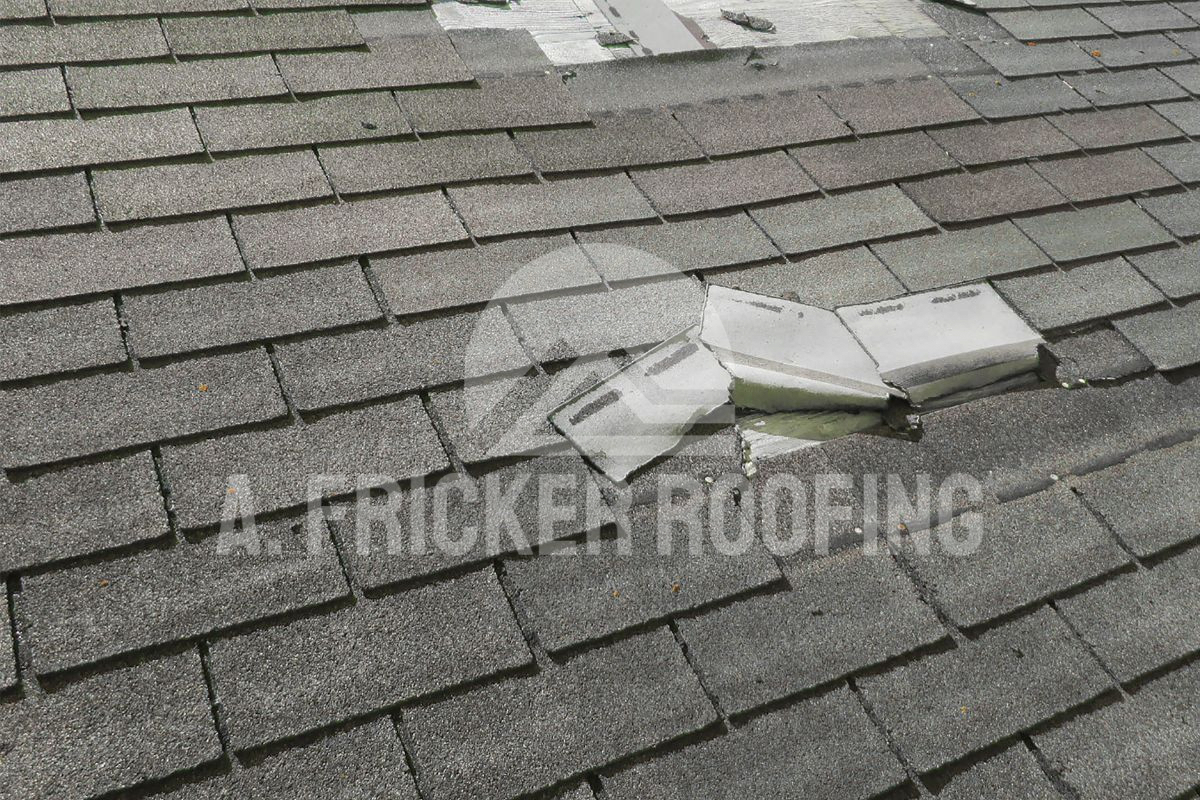
Catoosa sits right in the path of some of northeastern Oklahoma’s most demanding weather. Spring brings heavy rain and hail-producing storms that can strip shingles, crack flashing, and leave underlayment exposed in a matter of minutes. Summer heat in the 90s beats down on roofing materials month after month, and winter temperature changes put stress on sealed edges and gaps that were already worn. With the area sitting along the Tulsa metro’s east side in open, wind-exposed terrain, storm damage here tends to hit harder than in more sheltered neighborhoods. When a storm rolls through and your roof takes a hit, every hour you wait can turn a minor leak into a much bigger problem inside your home.
That kind of weather demands a fast response from someone who knows what to look for and how to stop the damage from spreading. A. Fricker Roofing and Waterproofing provides emergency roof repair for homeowners in Catoosa dealing with missing shingles, failed flashing, storm punctures, fallen limb damage, and active leaks. The process starts with getting your roof stabilized quickly, which often means temporary tarping to protect the interior while a complete repair plan is put together. From there, the work moves toward a lasting fix that addresses not just the visible damage but the areas around vents, valleys, and roof edges where water tends to find its way in after severe weather.
How Emergency Roof Repair Works in Catoosa, OK
When a damaged roof is allowing water into your home, the immediate priority is limiting additional damage while determining what the roof actually needs. A. Fricker Roofing and Waterproofing addresses the urgent problem first, then moves into a thorough inspection and permanent repair.
- Step 1: Respond to the Immediate Problem
Our response begins with determining what caused the damage and where the roof has been compromised. Whether the issue involves a hail strike, missing shingles, a fallen limb, or failed flashing, we focus first on the areas that could allow additional water into the home. - Step 2: Contain Active Leaks and Exposed Areas
When the roof is leaking or exposed to the weather, we use tarping and temporary sealing to help protect the interior while the permanent repair is planned. Temporary measures are intended to limit additional damage until the underlying roof problem can be properly addressed. - Step 3: Inspect the Affected Roof Areas
Once the immediate concern has been contained, we examine the affected areas in greater detail. Shingles, underlayment, flashing, vents, valleys, and roof edges are checked for damage and potential sources of water entry. Our findings are documented and explained before permanent repairs begin. - Step 4: Complete the Necessary Permanent Repair
The inspection findings determine what work is actually needed. When damage is limited to one area, we focus the repair there rather than recommending unnecessary work. Repair or replacement work is completed in accordance with applicable permitting requirements and the conditions identified during the inspection. - Step 5: Review the Repair and Discuss What to Monitor
After the repair is complete, we review the finished work with you and identify areas that may warrant additional attention after future severe weather. This includes vulnerable areas around roof openings and edges. We explain what was repaired and why so you have a clear understanding of the completed work.
Common Storm Damage Signs in Catoosa, OK
Knowing what storm damage actually looks like on your roof can help you act quickly when severe weather moves through. Catoosa’s open terrain and exposure to strong spring thunderstorms mean damage can range from obvious missing shingles to subtle failures that are easy to miss until water is already getting inside your home.
| Damage Type | Common Cause | Urgency Level |
|---|---|---|
| Missing or cracked shingles | High-wind uplift or hail impact | High: exposed underlayment leaks fast |
| Granule loss on shingles | Hail strikes or repeated impact | Moderate: shortens remaining roof life |
| Failed or lifted flashing | Wind-driven uplift at edges and transitions | High: water enters along seams quickly |
| Punctures or tears | Fallen limbs or wind-blown debris | High: open roof needs immediate cover |
| Leaks around vents or valleys | Seal failure after storm stress | Moderate to high: hidden damage gets worse over time |
Some of these problems are visible from the ground, but others require a hands-on inspection to find. Ridge damage and underlayment exposure, for example, are easy to overlook after a storm but can allow water to reach your ceilings and walls before you notice anything is wrong inside.
Temporary Tarping & Leak Containment
When your roof is open to the elements, the interior of your home is at risk every minute it stays that way. Heavy-duty tarping is applied quickly to stop active leaks and protect ceilings, walls, insulation, and anything else water could reach while permanent repairs are being planned.
Shingle & Underlayment Replacement
Missing, cracked, or wind-lifted shingles leave the underlayment exposed to Catoosa’s frequent rain and summer heat, which breaks it down fast. Emergency repairs include replacing damaged shingles and addressing any compromised underlayment beneath them so the roof deck stays protected.
Flashing Repair at High-Risk Transition Points
Flashing failures around chimneys, vents, skylights, and roof valleys are one of the most common entry points for water after a storm. Failed or lifted flashing is re-secured and resealed to close off those gaps before they allow water to track deep into your roofing system.
Fallen Limb & Impact Damage Repair
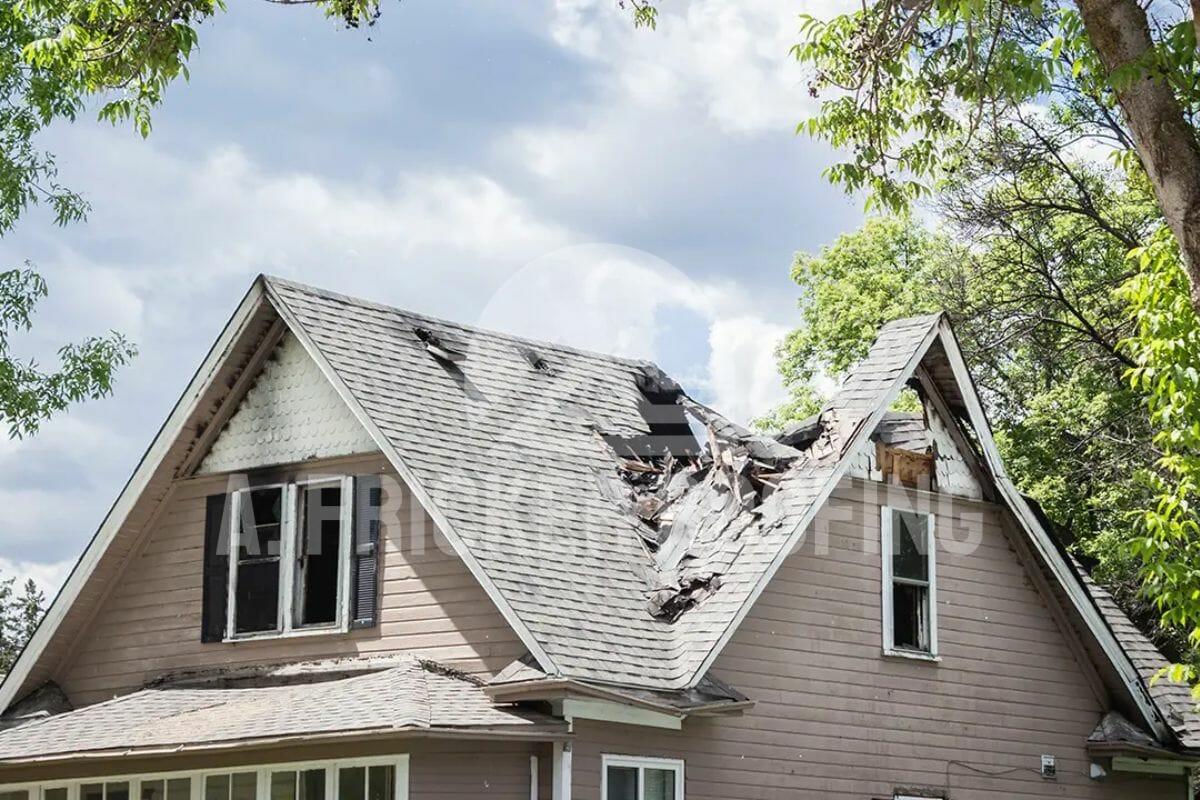
Fallen trees and wind-driven debris can tear through shingles, crack the roof deck, and leave open punctures that need immediate attention. Impact damage repairs address both the visible surface and any structural concerns beneath it, so the fix holds up through the next round of severe weather.
Get Emergency Roof Repair Done Right in Catoosa, OK
Roofs in this part of northeastern Oklahoma take a beating year after year. The combination of wet springs, humid summers, and cold winters means your roof rarely gets a long break from stress. Acting quickly after damage shows up is one of the most practical things you can do to protect your home and avoid repairs that grow far more expensive the longer water is allowed to work its way in. A fast response now almost always means a smaller, simpler fix than the one waiting for you if you delay.
A. Fricker Roofing and Waterproofing is ready to help homeowners in this part of the Tulsa metro get their roofs stabilized and repaired the right way. Whether you are dealing with an active leak, visible storm damage, or something you are not quite sure about, reaching out is the right first step. Contact us when you are ready and we will take it from there.
Frequently Asked Questions
Got questions about your roof? We’ve got answers. From maintenance tips to insurance claims and repair timelines, our FAQ section covers the most common concerns homeowners have. Get informed and make confident decisions about protecting your home.
Does Catoosa's open terrain actually make storm damage worse than what my neighbors in Tulsa see?
It can, yes. Properties along the Tulsa metro’s east side, especially in areas without dense tree lines or neighboring structures for wind breaks, tend to take the full force of thunderstorm outflow winds. That means shingles, flashing, and roof edges can experience more uplift pressure than roofs in more sheltered suburban settings, so damage after a strong spring or summer storm is often more severe than it looks from the ground.
If emergency stabilization is done first, does that mean I will need a separate permit before the permanent repair can start?
Temporary tarping and initial leak containment are typically done without a permit because they are protective measures, not structural changes. However, once the scale of the permanent repair is determined, permit-compliant work is required in Catoosa before that repair or any replacement moves forward. Knowing this ahead of time helps you understand why there can be a short gap between stabilization and the start of the permanent fix.
What parts of my roof are most likely to fail silently after a hail storm, even if everything looks fine from the street?
Granule loss is the big one. Hail can knock a noticeable amount of protective granules off your shingles without cracking or displacing them, and from the ground the roof can look completely intact. Over time, that granule loss accelerates wear on the shingle surface and exposes the underlying material to Catoosa’s summer heat and frequent rain. Valleys, vent collars, and low-slope transition points are also places where storm stress creates small seal failures that rarely show up as active leaks until weeks or months later.
We love hearing from our customers!
You don’t have to listen to what we say about the company, check out what others are saying!



schedule a consultation
Contact Form
allow us to earn your business!
