

Leading Roofing Contractor in Oklahoma
Storm Damage Roof Repair in Broken Arrow, OK
4.9 Stars - Based on 708 User Reviews
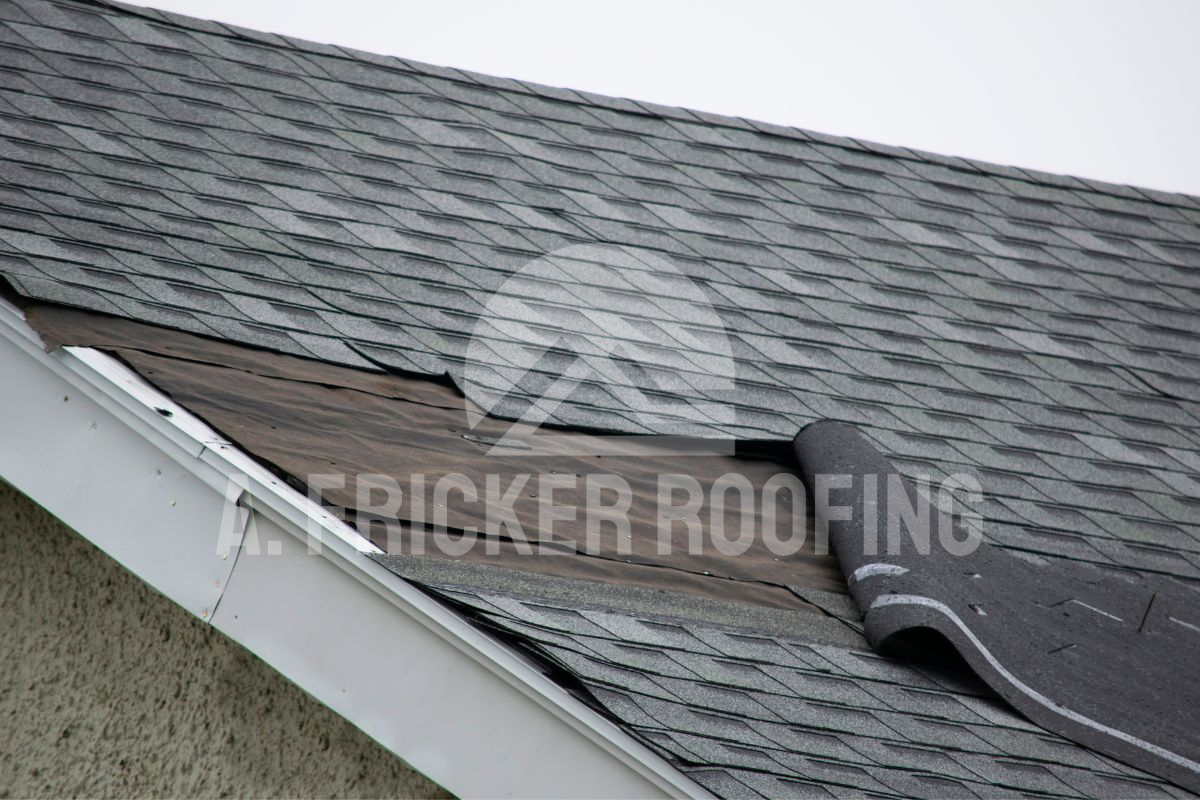
Broken Arrow sits in one of the most storm-active parts of the country, and if you've lived here through a few spring seasons, you already know what that means. Strong thunderstorms roll through northeast Oklahoma with little warning, bringing hail, high winds, and heavy rain that can leave your roof in worse shape than it appears from the ground. A storm that passes in 20 minutes can lift shingle tabs, crack flashing, knock granules loose, and leave your roof vulnerable to the next round of rain, all without leaving an obvious hole you can spot from the driveway.
That hidden damage is what makes storm repair in this area so important to take seriously. Hail bruising, lifted edges near ridge caps, and damaged pipe boots rarely cause an immediate leak, but they create weak points that get worse with every rainstorm that follows. Left alone, what starts as minor surface damage can quietly work its way into your attic, insulation, and interior finishes before you notice anything inside the house.
A. Fricker Roofing and Waterproofing works with Broken Arrow homeowners after severe weather to inspect their roofs thoroughly, identify damage that isn't always visible, and complete repairs that protect your home against whatever the next storm season brings. This is the kind of work that requires someone who understands local weather patterns and knows exactly where to look on an asphalt shingle roof after a northeast Oklahoma storm.
How Storm Damage Roof Repair Works in Broken Arrow, OK
Dealing with storm damage is easier when you understand how the repair process works from beginning to end. Here is how A. Fricker Roofing and Waterproofing approaches storm damage roof repairs from the initial assessment through the final review.
- Step 1: Full Damage Assessment
The first step is a detailed inspection of the roofing system to identify both visible and less obvious storm-related issues. We examine shingles, ridge caps, flashing, pipe boots, vents, soffits, and gutters for signs of hail impacts, wind damage, granule loss, lifted materials, and other conditions that may not be noticeable from the ground. This allows us to identify concerns that could develop into larger problems if left unaddressed. - Step 2: Findings Review and Repair Guidance
After the inspection is complete, we review the condition of the roof with you and explain what was discovered. Damaged areas are identified, along with any sections that remain in good condition. If repairs are limited to a specific portion of the roof, we focus on those needs rather than recommending work that is not supported by the roof's condition. - Step 3: Repair Plan and Detailed Estimate
Once the necessary repairs have been identified, we prepare a written outline explaining the work to be completed. This includes the areas being repaired, the materials involved, and the associated costs. If documentation of the storm damage is needed for personal records, that information can be provided during this stage as well. - Step 4: Roof Restoration Work
Repair work is completed based on the type and extent of the storm damage present. Damaged roofing materials are repaired or replaced using products compatible with the existing asphalt shingle system. The focus throughout the process is restoring proper weather protection and ensuring repaired areas are sealed against water intrusion. Most repairs can be completed within a few hours to a full day. - Step 5: Final Inspection and Customer Review
After the repair work is finished, we perform a final inspection of all completed areas to verify everything has been addressed properly. We then review the completed repairs with you, answer any remaining questions, and confirm the roof is ready to continue protecting the home through future weather conditions.
Where Storm Damage Hides in Broken Arrow, OK
After a strong northeast Oklahoma storm, the damage your roof has taken is not always where you expect it. Hail and high winds tend to compromise specific areas of an asphalt shingle system first, and those spots often show no obvious signs from the ground until a later rainstorm turns a small weakness into a real leak.
| Roof Area | Common Storm Damage | Why It Matters |
|---|---|---|
| Ridge caps | Lifted or displaced cap shingles from wind uplift | Exposed ridge allows water to track down into the deck below |
| Valleys | Granule loss and shingle cracking from concentrated hail impact | Valleys channel runoff, so damage here accelerates leak risk |
| Flashing around vents and chimneys | Loose or bent flashing from wind pressure | Gaps at gaps are among the most direct paths for leaks |
| Pipe boots | Cracked rubber collars from hail strikes | Even small cracks let water follow the pipe into the attic |
| Shingle edges | Lifted tabs along eaves and rakes | Wind-driven rain gets underneath, wetting the deck and insulation |
Catching damage in these areas early protects your attic, insulation, and interior finishes from the kind of secondary water damage that builds quietly between storms. Broken Arrow's spring and early summer storm season often brings repeated severe weather in a short window, so what seems like minor surface damage after one storm can add up quickly if it goes unaddressed before the next one arrives.
Hail Bruising and Granule Loss Repair
Hail strikes can knock granules off shingles and leave soft spots in the mat underneath without punching through the surface entirely. Repairing these areas before the next rainstorm is important because exposed asphalt degrades quickly in the Oklahoma heat, shortening the life of the surrounding shingles that weren't directly hit.
Wind-Damaged Ridge Cap Replacement
Ridge caps take the brunt of high winds and are one of the first parts of an asphalt shingle roof to lift or separate during a severe storm. Replacing damaged ridge caps with material matched to your existing shingle system closes off the top of your roof and keeps water from tracking down into the deck below.
Flashing Resealing and Refastening
Wind pressure can pry flashing loose around chimneys, vents, and skylights, even when the surrounding shingles look untouched. Resealing and refastening displaced flashing eliminates one of the most direct leak paths on your roof, especially heading into Broken Arrow's wet spring and early summer storm season.
Soffit and Gutter Repair After Wind Impact
Strong storms in northeast Oklahoma frequently damage soffits and gutters along with the roof itself, and leaving those areas in poor shape affects how well your home sheds water after repairs are done. Addressing storm impact to these connected exterior parts as part of the repair keeps your entire roofline working together the way it should.

Get Storm Damage Repaired Right in Broken Arrow, OK
Northeast Oklahoma's storm season doesn't give roofs much of a break, and the damage from one storm can quietly add up before the next one arrives. Getting repairs done properly after severe weather protects your home from the kind of secondary water damage that works its way into attic insulation and interior finishes long before you notice anything from inside. The sooner damaged shingles, flashing, and ridge caps are addressed, the better position your roof is in heading into the rest of the season.
A. Fricker Roofing and Waterproofing is ready to help homeowners in the area get their roofs back in solid shape after storm damage. If you have questions about what you saw after a recent storm or just want someone to take a close look, reaching out to the team is a straightforward first step.
Frequently Asked Questions
Got questions about your roof? We’ve got answers. From maintenance tips to insurance claims and repair timelines, our FAQ section covers the most common concerns homeowners have. Get informed and make confident decisions about protecting your home.
How soon after a storm should I have my roof inspected in Broken Arrow?
Getting an inspection scheduled within a few days of a severe storm is a smart move, especially during spring when another round of storms can follow quickly. Broken Arrow's active storm season means damage from one storm rarely sits in isolation for long, and a second hail or wind storm on an already weakened roof accelerates the problems significantly. The sooner a roofer gets eyes on your shingles, ridge caps, and flashing, the more options you have before the next system moves through.
Can hail from a storm that seemed minor actually cause real damage to my roof?
Yes, and this is one of the things homeowners in this area are often surprised to learn. Hail doesn't need to be golf-ball-sized to bruise shingles, knock granules loose, or crack the rubber collar around a pipe boot. Smaller hail hitting at the right angle and speed, which happens often in northeast Oklahoma thunderstorms, can compromise shingles that still look intact from the ground and hold together fine until rain starts getting underneath them.
My neighbor's roof looks fine after the same storm, so why does mine have damage?
Wind direction, roof pitch, the age of your shingles, and even the orientation of your roof plane all affect how much impact a storm delivers to any one surface. Two homes on the same street can come through the same storm very differently, depending on how the hail tracked and which side of the roof caught the wind. The condition of your shingles before the storm also plays a role, since older granule-worn shingles absorb impact damage more readily than newer material in good shape.
We love hearing from our customers!
You don’t have to listen to what we say about the company, check out what others are saying!




schedule a consultation
Contact Form
allow us to earn your business!
