
Emergency roofing situations strike without warning, leaving homeowners scrambling to protect their property from further damage. Whether facing storm damage, sudden leaks, or structural failure, understanding what to expect during emergency roofing services can help reduce stress and lead to a swift resolution. Emergency roofers prioritize calls based on severity, safety concerns, and the immediate threat to property.
When contacting emergency roof repair services, contractors typically respond faster than standard appointments, often arriving within hours rather than days. The emergency roof repair process begins the moment you make that crucial phone call. Professional roofing contractors understand that urgent roof damage requires immediate attention to prevent leaks, structural deterioration, and safety hazards.
Most emergency roofer response times depend on weather conditions, call volume, and the nature of the damage. A storm damage roof assessment becomes a priority for multiple properties when entire neighborhoods are affected by severe weather. Initial phone consultations help contractors determine the urgency level and dispatch appropriate crews with the necessary equipment.
Emergency roofing services include temporary roof protection measures to stabilize the situation before permanent repairs can begin. These protective steps prevent additional water intrusion and structural damage while comprehensive solutions are planned and executed during safer weather conditions.
How Fast Emergency Roofers Respond to Your Call
Emergency roofer response time depends on several factors that contractors must consider when prioritizing calls. Most professional roofing companies aim to respond within a few hours during normal conditions, though severe weather events can extend this timeframe, depending on call volume and safety conditions.
Weather severity plays the primary role in determining how quickly urgent roofing services can reach your property. During active storms, contractors must wait for safe working conditions before dispatching crews. Wind speeds, lightning activity, and precipitation levels directly impact when emergency roof repair teams can safely access damaged roofs without endangering personnel.
Professional roofing contractors have specific protocols to manage multiple emergency calls during peak periods. They prioritize based on immediate safety threats, extent of water intrusion, and structural integrity concerns. Properties with active interior flooding or compromised structural elements receive priority over situations where temporary roof protection measures can effectively contain damage.
Regional proximity and crew availability also influence response times for emergency roofing services. Companies that maintain on-call teams during storm seasons and high-risk weather periods generally have faster deployment. The storm damage roof assessment process begins immediately upon arrival, allowing contractors to quickly install protective measures and develop repair strategies.
During widespread storm events affecting multiple properties simultaneously, contractors often provide initial stabilization visits before returning for complete repairs once conditions improve and materials become available.
Initial Roof Damage Assessment and Safety Evaluation
The professional inspection process begins immediately upon arrival as emergency roofing contractors conduct comprehensive evaluations to identify all areas of damage and potential hazards. Trained professionals systematically examine the entire roof structure, including obvious damage sites and less visible areas that could present future problems. This thorough storm damage roof assessment covers structural integrity, leak points, and current safety concerns that could endanger occupants or workers.
Emergency roofers utilize specialized equipment and techniques to detect hidden damage that untrained eyes might miss. Moisture meters identify water infiltration patterns, while thermal imaging cameras reveal compromised insulation areas. Professional contractors assess not only visible damage but also examine surrounding materials for potential weakness or deterioration that could lead to additional problems.
Documentation during the emergency roof repair process serves dual purposes for insurance claims and repair planning. Contractors photograph damage from multiple angles, create detailed written reports describing affected areas, and document the scope of necessary repairs. This helps streamline insurance processing while providing accurate estimates for permanent repair work.
Safety evaluations are important throughout the assessment phase as contractors identify hazards that could affect both occupants and repair crews. Structural instability, exposed electrical components, and compromised walking surfaces receive immediate attention. Emergency roofer response protocols include implementing temporary roof protection measures to secure dangerous areas while repair plans are developed for comprehensive restoration work.
Immediate Temporary Protection Measures
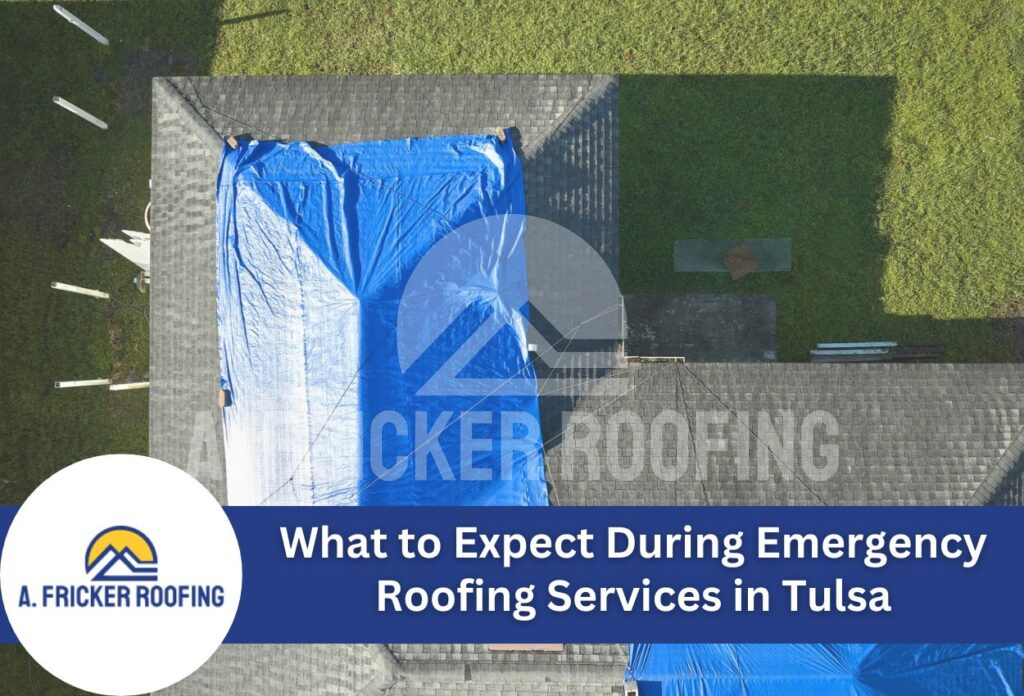
Once the initial assessment is complete, emergency roofing contractors immediately implement protective measures to prevent additional water damage and secure the property. These temporary roof protection measures serve as critical barriers against the elements while permanent repairs are planned and materials are sourced. Professional emergency roofers carry specialized equipment and materials specifically designed for rapid deployment in urgent situations.
Emergency tarping is one of the most common and effective methods for providing immediate protection against water intrusion. Heavy-duty tarps, typically made from reinforced polyethylene or vinyl materials, are strategically positioned to cover damaged areas while allowing proper drainage. Contractors secure these protective barriers using specialized fastening systems that won’t cause additional damage to compromised roofing materials. The emergency roof covering process prioritizes complete coverage of exposed areas to prevent water from reaching interior spaces.
Interior protection steps complement exterior tarping efforts by safeguarding belongings and structural elements already at risk. Emergency roofers often coordinate with property owners to move valuable items away from affected areas and position buckets to capture any water that may still leak inside. Plastic sheeting protects furniture and flooring from moisture damage while fans and dehumidifiers help control humidity levels in affected spaces.
Professional urgent roofing services include securing loose materials and debris that could cause additional damage during later weather events. Contractors remove damaged shingles, flashing, and other compromised components that might become projectiles in strong winds. These comprehensive temporary measures create stable conditions that allow property owners to focus on insurance coordination and permanent repair planning.
Communication Throughout the Emergency Repair Process
Effective communication is essential during professional emergency roofing service, ensuring property owners remain informed throughout every stage of the repair process. Professional contractors clearly communicate from the initial assessment through project completion, providing regular updates about findings, progress, and any unexpected developments that may arise during repairs.
During the storm damage roof assessment phase, experienced contractors explain their findings in straightforward terms, helping property owners understand the extent of damage and necessary repair steps. They provide realistic timeline expectations based on weather conditions, material availability, and the complexity of required work. Emergency roofers discuss both temporary roof protection measures and long-term permanent solutions, helping property owners make the right decisions about their repair options.
Documentation sharing is a crucial component as contractors provide detailed reports, photographs, and repair estimates that property owners need for insurance claims. Professional emergency roof repair services include comprehensive written assessments that clearly outline damage scope, recommended repairs, and associated timelines. This detailed documentation helps eliminate confusion and provides transparency throughout the entire process.
Post-Emergency Inspection and Long-Term Planning
After emergency roofing contractors complete initial protective measures, they schedule follow-up inspections to evaluate the effectiveness of temporary repairs and develop detailed plans for permanent restoration. These post-emergency assessments typically occur within a few days of initial temporary roof protection measures to ensure all emergency repairs are performing as intended and no additional damage has occurred.
Professional follow-up inspections involve thorough examinations of all emergency repair work, checking for proper adhesion of temporary materials, adequate drainage patterns, and structural stability. Emergency roofers monitor the weather resistance of temporary measures while documenting any areas requiring adjustment or reinforcement. This evaluation process ensures that urgent fixes continue protecting the property until permanent repairs can begin.
Comprehensive repair planning begins during these follow-up visits as contractors develop detailed timelines for completing permanent restoration work. Professional emergency roofing service includes creating prioritized repair schedules that address the most critical structural elements first while coordinating material procurement and crew availability. Contractors consider seasonal weather patterns, material lead times, and insurance approval processes when establishing realistic completion timelines.
Long-term prevention strategies are integral components of the permanent repair planning process, as experienced contractors identify underlying vulnerabilities that contributed to the damage. Storm damage roofing services extend beyond immediate repairs to include recommendations for enhanced materials, improved drainage systems, and structural reinforcements that reduce future emergency risks. These comprehensive solutions help property owners avoid repeated emergency roofing situations while ensuring their investment provides lasting protection against future storms.
The Emergency Repair Work Itself
Emergency roofing contractors perform different types of repairs depending on weather conditions and the severity of damage discovered during the assessment. Immediate repairs focus on stopping water intrusion and securing the structure against further damage, while comprehensive restoration work gets scheduled for later completion when weather conditions improve. The emergency roof repair process prioritizes individual safety and property protection over aesthetic concerns during active weather events.
Critical repairs performed immediately include patching holes, securing loose materials, and reinforcing compromised structural elements that pose immediate threats. Emergency roofers address active leaks using specialized sealants and patching materials designed for emergency applications. These urgent roofing services focus on creating watertight barriers that can withstand ongoing weather conditions while permanent fixes are planned.
Weather considerations significantly influence how contractors adapt their approach during emergency roofing service calls. High winds, precipitation, and lightning determine which repair techniques can be safely implemented. Professional contractors carry weather-resistant materials and tools specifically designed for adverse conditions, allowing them to perform essential repairs even during challenging weather situations.
Extensive repairs requiring specialized materials, complex installations, or optimal weather conditions get scheduled for later completion once immediate threats are neutralized. Emergency roofer response protocols include creating detailed repair schedules that prioritize work based on urgency and weather windows. Roof assessments continue throughout the repair process as contractors identify additional work that may be needed once temporary roof protection measures are removed.
Need Immediate Roofing Help in Tulsa? Contact A. Fricker Roofing and Waterproofing Now!
If you’re experiencing a roofing emergency, don’t wait! At A. Fricker Roofing and Waterproofing, we understand the urgency when it comes to storm damage or sudden leaks. Our team is ready to provide fast, efficient emergency roofing services to secure your property and prevent further damage. Whether it’s emergency tarping or a comprehensive damage assessment, we prioritize your call and respond swiftly to your needs.
Remember, the sooner you address roofing damage, the better you can protect your home and belongings. Don’t hesitate to call us at (918) 402-7167 for immediate assistance. A. Fricker Roofing and Waterproofing is your trusted partner in Tulsa for all emergency roofing needs. Act now to secure your home!