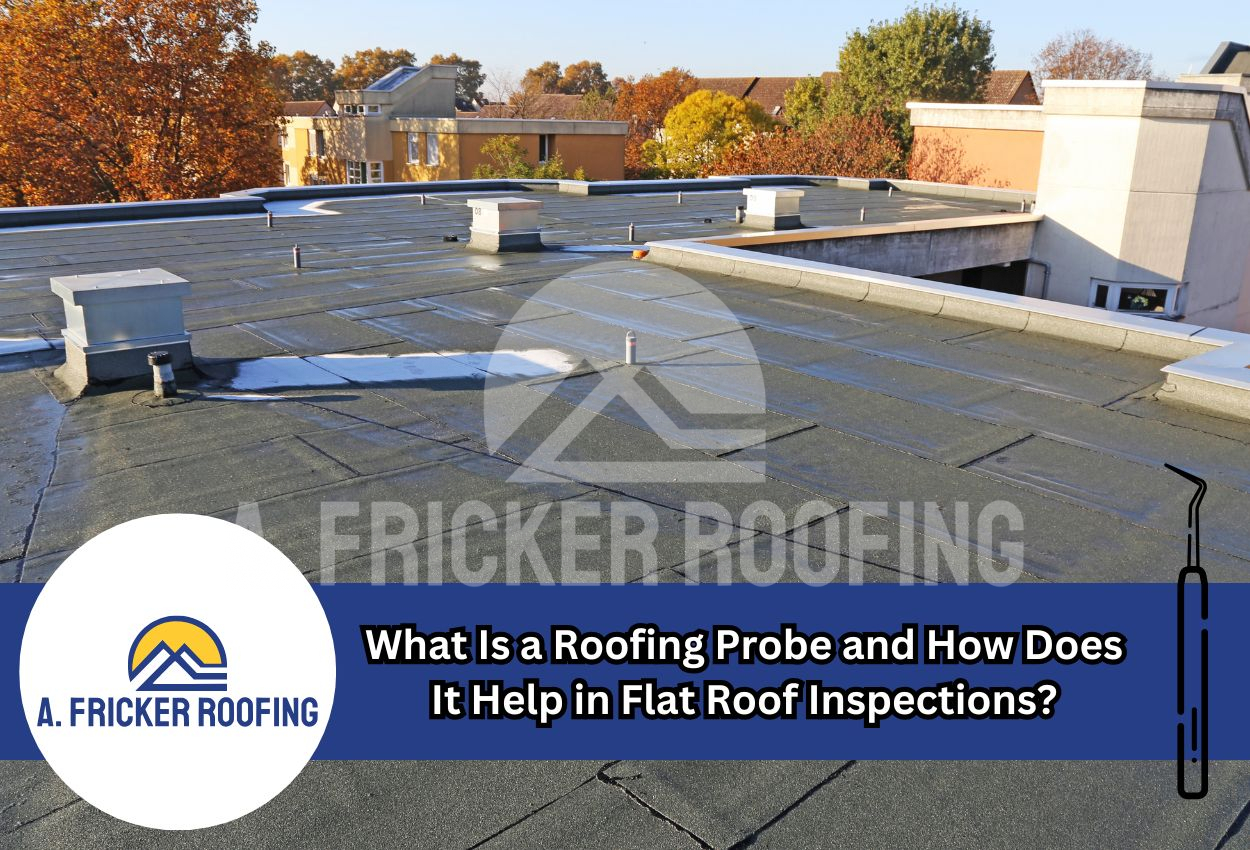

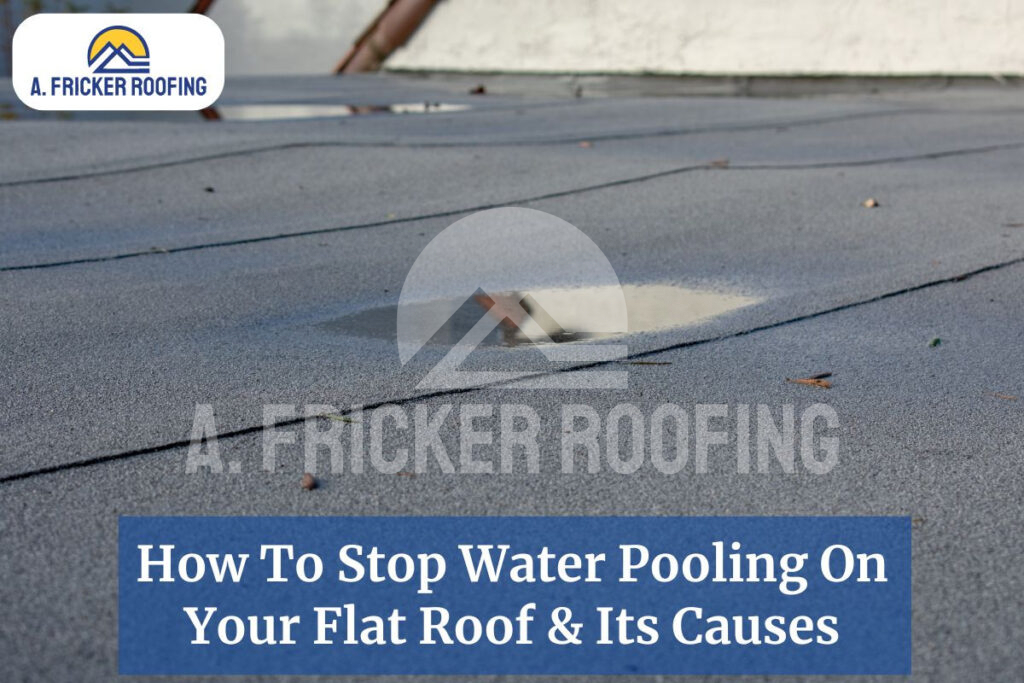
Most of the residential homes in Oklahoma have a pitched roofing system. But in recent years, flat roofing systems have been growing in popularity. Many new homeowners are opting for a flat roof design, thanks to their modern look and efficient use of space. Even modern architects are also recommending flat roofs for new construction projects.
While there are numerous benefits, before you decide to make the change to a flat roofing system, you should know about the problems they can develop, especially the most common, which is pooling water.
Key Takeaways: How To Stop Water Pooling On Your Flat Roof
- 48-Hour Rule: Water remaining on your flat roof longer than 48-50 hours after rainfall officially qualifies as ponding water requiring professional inspection.
- Top Culprit: Clogged drains cause 40-45% of premature flat roof failures—clear debris regularly, especially during Oklahoma’s 10-55 inch variable rainfall seasons.
- Weight Warning: A 1-inch deep pool over 10×10 feet adds 500-550 pounds to your roof structure, risking sagging and further pooling.
- Best Fix: Install tapered roof insulation to create a 0.25-0.5 inch per foot slope, directing water to drains while boosting energy efficiency.
What Is Water Pooling?

If you are a homeowner in Oklahoma or the surrounding areas where it rains frequently then you might be aware of this problem already. For those who are new to home ownership, pooling water is a situation that occurs when water collects and remains on the roof after rainfall. This is also called ponding or standing water. This is a common roofing problem that you will face with almost any flat roofing materials, regardless if it’s EPDM, TPO, or PVC.
While water will naturally collect on your roof due to its flatness, it shouldn’t sit on the roof longer than 12 hours without being channeled away to a drain or evaporating. If pooling water sticks around for longer than 48 hours, then you should start to look for alternative solutions to remove the water from your roof. According to the National Roofing Contractors Association, ponding water is officially defined as water remaining on a roof for 48-50 hours after precipitation ends.
| Time Period | Classification | Risk Level | Recommended Action |
|---|---|---|---|
| 0-24 hours | Normal drainage period | Low | Monitor; acceptable after heavy rainfall |
| 24-48 hours | Slow drainage | Moderate | Inspect drains and gutters for blockages |
| 48-50+ hours | Ponding water (NRCA definition) | High | Professional inspection required; potential structural concern |
| Recurring pools | Chronic drainage issue | Critical | Immediate professional assessment and repair needed |
What Causes Water To Pool On A Flat Roof?
While rain is the main contributor to ponding water, it’s not the only thing that causes extensive water pooling. Let’s take a closer look at certain issues that may develop:
| Cause | How It Happens | Impact/Consequence | Warning Signs |
|---|---|---|---|
| Poor Roof Design | Insufficient slope (below 0.25-0.5 inches per foot) | Water cannot drain naturally toward outlets | Standing water in multiple roof areas |
| Clogged Drains/Gutters | Debris accumulation blocking drainage systems | Responsible for 40-45% of premature flat roof failures | Visible debris, overflowing gutters, water backup |
| Roof Sagging | Structural weakness or inadequate support beams | Creates low spots; 1-inch pool over 10×10 ft adds 500-550 lbs load | Visible depressions, uneven roof surface |
| Membrane Damage | Aging, weathering, or physical damage to roofing material | Water penetration leads to leaks and interior damage | Cracks, blisters, tears in roofing membrane |
Poor Roof Design
A leading cause of water pooling is the design of your roof. All flat roofs should have a slight slope in order to effectively provide drainage to the roofing system. The recommended slope for flat roofs is typically around 0.25-0.5 inches per foot, allowing water to flow towards the drains.
Without this much-needed incline, water has no natural path to exit the roof, leading to pooling in various areas. Other design flaws may include inadequate placement of drainage points or insufficient consideration of the roof’s overall layout. These issues often stem from initial construction errors or poor planning.
This is one of the main reasons why you should hire a professional roofing contractor to install your new flat roof as they can ensure a successful installation the first time.
Clogged Drains and Gutters

Drains and gutters are critical components of a roof’s drainage system. Their role becomes even more important on flat roofs since there is minimal slope. When they become clogged with leaves, dirt, twigs, and other debris, water cannot flow off the roof properly. Over time, these clogs can lead to significant water buildup. Oklahoma’s variable annual rainfall ranges from 10-55 inches, creating unpredictable runoff volumes that make clear drains essential for local homeowners. According to the National Roofing Contractors Association, clogged drains are responsible for 40-45% of premature flat roof failures, highlighting the severity of the issue.
Regular gutter cleaning is necessary to keep these pathways clear. Additionally, you need to be more proactive during heavy storms or seasonal changes, as the drains and gutters can quickly become overwhelmed, aggravating the problem of pooling water.
Also Read: How To Slope A Flat Roof For Drainage
Roof Sagging
Structural issues can arise from a building settling over time. As the foundation of a building shifts, parts of the roof may sag, creating uneven areas. Additionally, sagging can occur if the roof is not properly supported during construction. Insufficient joists or beams can lead to uneven surfaces, further contributing to water pooling. To put this in perspective, a 1-inch deep pool of water over a 10×10 foot area adds 500-550 pounds of unexpected load to the structure. In some cases, the weight of HVAC units or other rooftop features can worsen structural weaknesses, increasing the risk of depressions forming.
Heavy Foot Traffic
Flat roofs are often utilized for various purposes, including housing HVAC units, solar panels, or even serving as recreational spaces. This usage leads to heavy foot traffic and the potential for equipment to be placed directly on the roof surface. Over time, this can cause wear and tear, leading to depressions and damage to the roofing material. Frequent movement and the weight of equipment can compress the insulation and create low points where water can pool. Protecting the roof with walk pads and designated pathways can help reduce the chance of this issue occurring, but it remains a common cause of water pooling.
Roof Surface Issues
The surface of a flat roof can develop various issues over time, such as blisters, cracks, and splits. These imperfections often result from prolonged exposure to weather conditions, temperature fluctuations, and the natural aging of the roofing materials. When the integrity of the roofing surface is compromised, it can create depressions or low spots where water collects. Materials like asphalt, rubber, or roofing membranes can also shrink or expand, leading to gaps and surface irregularities that promote water pooling.
Tips On How To Stop Water Pooling On Flat Roofs
If these signs seem familiar to you, then you probably also want to know how to stop water from pooling on your roof. Here are the following tips to help:
Use Tapered Roof Insulation
If the roof was not designed with an adequate slope, adding tapered insulation can help correct this issue. Tapered insulation involves installing insulation boards that gradually increase in thickness to create a slope. With this slight slope, water is easily directed towards the drains, preventing pooling. This method not only improves drainage but also adds an extra layer of insulation to the roof, enhancing energy efficiency. Consulting with a professional roofing contractor is essential to ensure the insulation is installed correctly and the slope is properly implemented.
Regular Roof Maintenance
Whether you have a pitched roofing system or a flat roof, maintenance is crucial. Regularly inspect and clean the roof, drains, and gutters. Remove any debris that could clog the drainage system and schedule bi-annual inspections, especially after heavy storms, to ensure everything is in working order.
Repair The Roof’s Surface
Fix any blisters, cracks, or splits in the roof’s surface as soon as possible. Use high-quality roofing materials and follow proper repair techniques to ensure a long-lasting fix. For extensive damage, consider resurfacing the roof entirely.
Improve Drainage/ Install Drainage Systems

Enhancing the roof’s drainage system can significantly reduce the amount of pooling water on your roof. This may involve installing additional drains, scuppers, or even an internal drainage system. Ensure that all drainage components are appropriately sized and positioned to handle the volume of water the roof receives.
Install Roof Crickets
Roof crickets are small, peaked structures installed on the side of HVAC systems and parapet walls to help divert water around these obstacles and toward drainage points. By directing the flow of water, roof crickets can effectively prevent pooling in areas where water tends to collect.
Use a Roof Coating

Reflective coatings can also reduce heat absorption, protecting the roof from thermal damage. Make sure to choose a coating compatible with your roofing material.
Want to know which coating you should install? Check out our blog post on the 7 Most Popular Commercial Roof Coatings & Their Benefits.
Limit Foot Traffic
Minimize foot traffic on the roof as much as possible. When access is necessary, use walk pads or designated pathways to distribute weight and prevent damage to the roofing material. Protecting vulnerable areas can prevent depressions that lead to water pooling.
Want To Install Or Replace Your Flat Roof? We Can Help!
While some maintenance tasks and minor repairs can be handled by building owners or maintenance staff, significant issues will need to be addressed by a roofing contractor. At A.Fricker Roofing & Waterproofing, we have the best roofing experts with years of experience offering flat roof repairs and replacements. Be it ponding water or roof leaks, we can tackle it all. Contact us today at (918) 402-7167 to learn more about what we can do for you.
Can pooling water on a flat roof void my roofing warranty?
Yes, many manufacturers exclude ponding water damage from warranty coverage if water remains longer than 48 hours. This is because prolonged standing water indicates drainage problems that accelerate membrane deterioration. Always review your specific warranty terms and address drainage issues promptly to maintain coverage.
How does seasonal weather in Oklahoma specifically affect flat roof drainage?
Oklahoma’s freeze-thaw cycles can worsen pooling water problems as trapped water expands when frozen, creating cracks in the membrane. Spring storms bring sudden heavy rainfall that overwhelms inadequate drainage systems, while summer heat accelerates deterioration in areas where water repeatedly pools, creating a compounding problem throughout the year.
What are the early warning signs of structural damage from water pooling?
Interior ceiling stains, especially circular patterns directly below pooling areas, indicate water penetration through the membrane. You may also notice soft spots when walking the roof, visible warping of decking materials, or water stains on exterior walls below the roofline—all suggesting the pooling has compromised structural integrity.
Can I convert my flat roof to a pitched roof to eliminate pooling water permanently?
While technically possible, converting a flat roof to pitched involves significant structural modifications including new framing, decking, and potential zoning considerations. Most drainage issues can be resolved through proper slope correction, improved drainage systems, or tapered insulation without requiring such extensive reconstruction.
How long does tapered insulation last once installed to prevent water pooling?
Quality tapered insulation systems typically last 20-30 years when properly installed and maintained, matching the lifespan of most commercial roofing membranes. The insulation maintains its slope characteristics throughout its life, providing consistent drainage performance unlike temporary solutions that may degrade or shift over time.